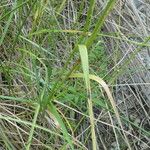
Cyperus longus
Sweet cyperus · Sweet galingale · Galingale · Common galingale · English Galingale
Description
Source: leafsnapCyperus longus is a species of sedge known by the common names of sweet cyperus and water rush in Africa, or in Britain galingale (a variant name of galangal, an unrelated plant). It is a tall plant, growing up to 1 metre (3 ft 3 in) in height, with creeping rhizomes and erect, triangular stems, each terminating in an inflorescence. The species grows in shallow water or on damp ground, such as at pond edges.The holotype was collected in Italy. It is a widespread species found across Africa, southern Europe, the Indian subcontinent and western Asia. It incidentally occurs in Wallonia as a native. It is also found in western France, south Wales and southern England, where it may or not originally be native. It has recently (since the 1990s) spread northwards to Flanders and the Netherlands where it occurs in scattered adventive populations. It has also been introduced to Tristan da Cunha and Western Australia.The thick, long, yellowish rhizomes of these plants are traditionally harvested to distil a sweet-scented oil which is used in the perfume industry. The stalks were formerly traditionally processed into paper. There were also folk medicines made from this plant in Europe, the rhizomes being used for stomach aches and the onset of dropsy. It is used at present as an ornamental plant, used for lining ponds.
🌳 Nut grass, despite being widely regarded as an annoying weed, also produces essential oils used in perfumery and may have bioherbicidal properties. Research into these oils has uncovered a complex array of compounds with multiple uses, particularly in aromatherapy. Furthermore, the plant’s bioactive constituents are being investigated for herbicidal effects, presenting a potentially eco-friendly alternative to synthetic agrochemicals and indicating a new frontier in agricultural sustainability.
Care Guide
💧 Water
English galingale, which originates from damp habitats, prefers consistently moist soil and should be watered weekly. This plant thrives outdoors, where it benefits from rainwater during its growing season. Rainfall helps meet its balanced water needs, as it is neither drought-tolerant nor excessively dependent on moisture.
What should I do if I give my English galingale too much or too little water?
Proper watering is crucial for the health of this beautiful ornamental grass. When planted in the ground, watering issues can typically be fixed. However, in a container, excessive or insufficient water can quickly kill English galingale. If the grass doesn't receive the right amount of water, it may stop growing. Overwatering can lead to yellow leaves with brown tips, while underwatering can cause drooping leaves, weak seed head production, and browned leaves. If you suspect improper watering, first determine if it's too much or too little. If it's too much, immediately stop watering and be patient as heavy soils take weeks to dry out. Once new growth appears, test the soil for moisture and decide if more water is needed. For insufficient watering, simply give the grass a deep drink and observe if it perks up. Keep in mind that long, deep watering is better than frequent shallow waterings. This encourages deep root growth, making the grass more resistant to drought and watering problems.
How often do I need to water my English galingale?
The watering needs of English galingale depend on where it is planted. Generally, watering this grass once a week is sufficient. In hot climates, watering once or twice a week during the summer may be necessary. In moderate climates, watering once every seven days or longer may be enough. Grass in containers typically requires more frequent watering than grass in the ground. However, the location also plays a role, as shaded grasses need less frequent watering compared to grasses planted in the ground. It is recommended to water English galingale only when the soil is dry. To determine if the soil is dry, you can press your finger a couple of inches into the soil. For potted grass, you can weigh the grass or feel the pot to check if it is light, indicating a lack of water. Insufficient water can cause the grass blades to appear folded and thinner than usual. Although English galingale is drought-tolerant, regular deep watering will result in beautiful color. In the wild, English galingale grows in open scrubland with extreme heat, bright sun, and intermittent rain. Despite its ability to withstand drought, it still requires care and attention. Consistent watering is recommended to ensure the grass thrives. When initially planted, English galingale needs more frequent watering until it establishes deep roots. In pots, the soil dries out quickly, especially in hot, direct sun. Test the soil every 3 to 4 days and water only when it feels dry. English galingale in the ground generally requires less watering, but this is dependent on the type of soil. Heavy clay soil holds water longer and may feel dry at the surface while still retaining moisture below. Sandy soils that drain quickly will need more frequent watering.
What things should I watch out for when I water my English galingale in different seasons, climates, or during different stages of growth?
One way to determine if you are watering enough is to observe the rate of growth of your grasses. English galingale tends to grow rapidly during the hottest months, sometimes doubling in size within a year. If the weather is hot but the grass is not growing vigorously, it may be necessary to adjust your watering schedule. In winter, you may be able to water only once a month, but it is still important to check the soil for moisture. During the growth cycle in the warmest months, the grass will require more water than usual. However, during winter and cooler months, the water needs will be significantly reduced. It is crucial to remember that the soil where English galingale is planted should always be allowed to completely dry out before watering.
☀️ Light Full sun
Nut grass flourishes in conditions with abundant sunlight, but it's versatile enough to survive in places with only partial sun exposure. Being native to environments with ample sun, nut grass thrives when provided with ample light during its growth phase. However, either too much or too little sunlight can hinder its healthy growth.
What are the sunlight requirements for English galingale?
English galingale requires full sun, meaning it needs above 6 hours of sunlight daily to thrive. It can also grow under partial sun conditions, which is about 3-6 hours of sunlight. However, it's important to watch how sunlight moves through your garden to ensure plants get the perfect balance of light and shade, ensuring their happiness and health.
How essential is sunlight for the growth of English galingale?
Sunlight is crucial for the growth of English galingale as it originates from environments with extensive solar exposure. Both abundant exposure to sun and a restrained level of sunlight can facilitate healthy growth. However, an excess or lack of sunlight might lead to poor plant health, affecting growth and vitality. For indoor plants, artificial lighting can be a vital solution for optimal growth, especially when natural sunlight is insufficient. It's suggested to choose the right type of artificial light, determine the appropriate distance and duration of light exposure to mimic natural conditions for the plant.
What are the symptoms of inadequate lighting for English galingale?
Symptoms of inadequate lighting for English galingale include new leaves growing smaller, leggy or sparse growth, faster leaf drop, slower or no new growth, lighter-colored new leaves, chlorosis, sunscald, leaf curling, wilting, and leaf scorching. These symptoms indicate the plant is struggling with the lighting conditions, which could be either too much or too little light. Adjusting the plant's exposure to sunlight or using artificial lighting can help mitigate these issues.
How can I adjust the lighting conditions for English galingale?
To adjust the lighting conditions for English galingale, gradually move the plant to a sunnier location each week if it's outdoors, ensuring at least 6 hours of direct sunlight daily. Use a south-facing window for indoor plants and consider artificial lighting if necessary, keeping them on for at least 8 hours daily. If your plant is large, professional grow lights may provide ample light. For outdoor plants, avoid sudden changes in light intensity to prevent sunburn. If your plants are in the ground, observe and minimize obstructions like trees by pruning, or consider transplanting smaller plants to a sunnier location during their dormant period for optimal sunlight exposure.
🌡️ Temperature 15–35°C
Nut grass inherently thrives in environments with warm to hot climatic conditions, where temperatures vary between 15 to 35 ℃ (59 to 95 ℉). This vegetation is fond of warmth and is adaptable to the changing temperatures across different seasons, however, it is crucial to maintain its preferred thermal range.
What are the ideal growing conditions for English galingale?
English galingale, known botanically as Cyperus longus, originates from temperate zones and thrives in environments with temperatures ranging from 50 to 95°F (10 to 35°C). It has a notable cold resistance, making it well-suited for a wide range of climates. Adjustments in care are necessary during extreme weather conditions, particularly the harsh winters and the sweltering summers, to ensure its continued growth. Even though special frost protection might not be needed owing to its strong cold resistance, in areas where winter temperatures are likely to fall below -25°C, providing some form of cold protection using soil or straw coverings is recommended. Additionally, watering the plant abundantly before the first freeze in autumn helps keep the soil moist, preventing drought and water scarcity throughout the winter and early spring.
How does low temperature affect English galingale and what are the solutions?
English galingale is capable of enduring cold temperatures and performs best when the temperature remains above 10°C. During the winter months, it's crucial to ensure that the temperature does not fall below -15°C. If the temperatures dip below -25°C, the plant might not show immediate damage but could experience a decrease in sprouting or fail to sprout at all come spring. The solution to this issue is to remove any parts of the plant that have failed to sprout in the spring. This proactive approach helps in maintaining the health and aesthetics of the plant despite the challenges posed by low temperatures.
What impact does high temperature have on English galingale and how can it be mitigated?
During the summer season, it is essential to keep the temperature below 35°C for the health of English galingale. Exposure to temperatures above 38°C can lead to the leaves becoming lighter in color, prone to curling, susceptible to sunburn, and in severe cases, can cause the entire plant to wilt and dry out. To mitigate these effects, it's advised to trim away the sunburned and dried parts of the plant. Moving the plant to a shaded location or using a shade cloth to block out the midday and afternoon sun can also be beneficial. Ensuring the plant is watered in the morning and evening can help maintain soil moisture, further protecting it from the adverse effects of high temperatures.
💨 Humidity
🪴 Soil 5-7
🌱 Fertilizer
For healthy new growth, nut grass needs extra nutrients. By adding compost around the plant's base in the spring, the required nutrition can be efficiently supplied. Fertilization contributes to robust growth and enhances the plant's ability to ward off diseases and pests.
Why do I have to put fertilizer on my English galingale plant?
Fertilizing English galingale is necessary for a few reasons. Firstly, it provides your plant with extra nutrients, which are essential for promoting healthy new growth. In addition, these additional nutrients also help maintain the existing growth and strengthen your plant's resistance against diseases and pests.
When should I fertilize my English galingale for the best results?
To ensure the survival of English galingale in your garden, it's important to understand the timing of fertilizer application. English galingale doesn't need a lot of nutrients when it's dying back, so it's best to avoid applying additional fertilizer during this time. While you can use diluted fertilizer at the beginning of the growing season, it's actually not recommended. Instead, a good alternative is to spread mulch or compost around the base of the plant.
When should I not put fertilizer on my English galingale plant?
If you're not using packaged fertilizers, you can relax and not stress about when to stop feeding English galingale. Simply apply a layer of compost or mulch in the spring, and this will be sufficient to keep your English galingale content all year round. Remember, there's no need to mulch or compost during the winter when the plant is dormant.
What kind of fertilizer does my English galingale plant need?
There's no need to hurry to the garden center for fertilizer as English galingale doesn't require extra nutrients. Instead, you can simply add a layer of compost in the spring, which will provide the plant with the essential nutrients it needs. Additionally, if you regularly mulch your garden, the bark will also help to keep your plant well-nourished and content.
How should I fertilize my English galingale?
When using mulch or compost for English galingale, the steps are the same. Start by placing a layer of the material, ensuring it covers the plant's base. If you choose to use both mediums, lessen the amount of compost. Applying a layer of mulch serves two functions: it helps retain soil moisture and provides nutrients to the plant.
🪴 Pot & Repot
✂️ Pruning
English galingale is an ornamental perennial that features slender, tufted stems. To encourage healthy growth and improve air circulation, prune the plant in early spring by removing any dead stems and old foliage. Regular pruning not only helps prevent overcrowding and reduces the risk of disease but also enhances the plant's visual appeal.
🌿 Propagating
🐛 Diseases & pets
☠️ Toxicity
Characteristics
- Plant Type
- Grass
- Life Cycle
- Perennial
- Genus
- Cyperus
- Family
- Cyperaceae
- Hardiness Zone
- 7-10
- Mature Height
- 1.37 m
- Mature Spread
- 91 cm
- Leaf Color
- Green, Yellow, Gold, Brown, Blue, Bronze
- Leaf Type
- Deciduous
- Flower Color
- Brown, Red, Green, Purple
- Flower Size
- 1.27 cm to 5.08 cm
- Bloom Time
- Early summer, Mid summer
- Planting Time
- Spring
- Harvest Time
- Mid summer, Late summer
- Native Area
- Nepal, Malawi, Libya, Somalia, Djibouti, Cyprus, Rwanda, Eritrea, Bangladesh, Turkmenistan, Guinea-Bissau, Lebanon, Uzbekistan, Benin, Kyrgyzstan, Kazakhstan, Equatorial Guinea, Burundi, Togo, Koppen, Oman, Bhutan, Algeria, South Korea, Gambia, Congo (DRC), Botswana, Central African Republic