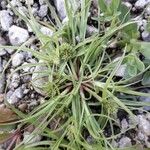
Cyperus michelianus
Description
Source: leafsnapCyperus michelianus is a species of sedge that is native to parts of Europe, Asia, Africa and Australia. It grows in wet habitats such as river margins and paddy fields.
Care Guide
💧 Water
Micheli's galingale thrives with consistent watering, ideally on a weekly basis. Being native to regions with regular rainfall, its growth cycles and water needs are affected by the seasons. Ensuring proper hydration is crucial for maintaining the health and vitality of Micheli's galingale, particularly when it is grown outdoors.
How should I water my Micheli's galingale?
To water Micheli's galingale, you have multiple options such as using a garden hose with a spray nozzle, a watering can, or any common watering tool. This plant is not too particular about the type of water it receives, as it can survive with rainwater, tap water, or filtered water. However, it is generally recommended not to water this plant from above as it can harm the leaves and flowers and increase the risk of disease. A drip irrigation system is often the best way to water this plant, as it provides even and direct water to the soil. For Micheli's galingale grown in a container, you can follow a similar watering approach but change the tools used. Using a cup, watering can, or tap, apply water directly to the soil of the container-grown plant.
What should I do if I give my Micheli's galingale plant too much or too little water?
To remedy underwatering Micheli's galingale, simply start watering it more regularly when you notice it lacks moisture. Overwatering, on the other hand, can cause more serious problems, like diseases that lead to the plant's decline and death. To prevent this, choose a growing location with plenty of sunlight to dry the soil and good drainage to prevent waterlogging. If you overwater a potted Micheli's galingale, consider changing to a new pot with better drainage, using loose soil and an efficiently draining pot.
How often should I water my Micheli's galingale plant?
To keep your Micheli's galingale healthy, follow these watering guidelines. During the growing season, water it once per week starting in spring. As the weather gets warmer, you may need to water it two to three times per week. However, be careful not to overwater as it can harm the plant. Regardless of watering frequency, make sure the soil is consistently moist but not wet. Watering Micheli's galingale in a pot is slightly different. Potted soil can dry out faster, so plan to water a container-grown plant a few times per week, compared to just once per week for a plant in the ground.
How much water does my Micheli's galingale plant require?
Determining how much water to give your Micheli's galingale can be done in various ways. Some gardeners prefer to assess soil moisture by feeling it, watering until the top six inches are moist. Others prefer using a specific measurement, like two gallons per week, depending on factors like temperature and soil dryness. However, blindly following rigid guidelines may result in overwatering. When growing Micheli's galingale in a container, a different approach is needed. In this case, water enough to moisten all dry soil layers using methods such as sticking your finger in the soil or observing slight drainage hole trickles.
How can I know if I'm giving enough water to my Micheli's galingale?
Avoiding overwatering your Micheli's galingale can be challenging because the plant's deep roots require regular watering, but they are also prone to root rot and browning if overwatered. Underwatering is less of a concern as the plant can survive without supplemental watering for some time, but if neglected for too long, it may wilt and develop dry leaves.
☀️ Light Full sun
Micheli's galingale does best when kept in full, unshaded light for most of the day, receiving the full intensity of the sun's rays. It can also adapt to situations where sunlight is partly blocked. Too much light may destabilize its growth, whereas too little light can cause slow development and a weakened constitution.
How many hours of sunlight does Micheli's galingale need each day to grow well?
To ensure the well-being of the plants, they should be given a minimum of 6 to 8 hours of sunlight each day. Ideally, they should receive more exposure to morning light, particularly during the summer. The Micheli's galingale, in particular, thrives in full sun and benefits from as much sunlight as possible. The increased light allows these species to produce more food, display stunning blooms, and improve their chances of survival.
What kind of sunlight does Micheli's galingale plant require?
The Micheli's galingale thrives in full sunlight, so it's important to give each plant enough space to ensure even sun exposure. Avoid depriving the leaves of sunlight. If you're growing them in pots, place them in windows that receive direct sun throughout the year. They do not do well in partial or filtered light, as this will result in weak stems and unhealthy flowers. It's best to always keep the Micheli's galingale exposed to the sun.
Does sunlight harm plants? How can I keep Micheli's galingale safe from damage caused by the sun and heat?
When the temperature rises above 90℉(32℃), the Micheli's galingale can be damaged by extreme temperatures, especially if exposed to long hours of sun. It's best to provide some shade in the afternoon during summer. Remember, sunlight is stronger and exposure is 50% longer in summer than winter. If the Micheli's galingale is stressed by sunlight, make sure to keep it well-watered. Water when the top of the soil is about 2 inches dry and consider moving container plants indoors on hot days. While it's normal for the plant leaves to wilt during the day and recover at night, if the Micheli's galingale remains droopy, it means the plant is losing water quickly and needs to be watered.
Should I shield Micheli's galingale from the sun?
The Micheli's galingale thrives in sunny conditions and some varieties are even attracted to the sun. It is recommended to plant them in south-facing gardens to ensure they receive morning to afternoon sun exposure. However, care should be taken as prolonged sun exposure can cause sunburn. Offering protection from the afternoon and midday sun, such as by providing shade from a tree or wall, can help prevent this. It is not feasible to grow Micheli's galingale in shady areas as they require ample sunlight to grow and produce large flowers. Therefore, it is essential to always provide full sun conditions for optimal growth and results.
What will happen if Micheli's galingale doesn't get enough sunlight?
When Micheli's galingale doesn't get enough sunlight, its photosynthetic process slows down. This causes the stems to become long and thin as they reach for more sunlight, and they won't bloom or produce seeds in shady areas. In addition, lack of sunlight can cause older leaves to die, new leaves to be lighter in color than the older ones, and new growth to be smaller. While Micheli's galingale loves sun, it can wilt in excessive heat and ultraviolet light during the summer. It's recommended to use a green shade net to protect the leaves and flowers from scorching. Indoors, a fan can help reduce the heat.
🌡️ Temperature 15–35°C
Micheli's galingale is native to habitats where temperatures usually fall between 68 and 95 °F (20 to 35 ℃). It favors warmer climates, and adjustments may be needed in colder seasons to keep temperatures within that range.
What temperature does Micheli's galingale prefer?
Plants are influenced by colder temperatures because they match the temperature of their surroundings. Normally, when plants are in the sunlight, they can warm up. However, this doesn't happen in winter. Micheli's galingale generally grows best when the temperature ranges from 70~85℉(21~30℃). It may be able to withstand temperatures as low as 20~30℉(-6~0℃), and sometimes even down to 15℉(-10℃). However, prolonged exposure to these colder temperatures can lead to frost damage. To maintain optimal growth, make sure the maximum temperature is between 70~85℉(21~30℃). Additionally, remember to periodically spray water on the plants and provide some shade to prevent wilting.
Should I change the temperature for Micheli's galingale when it is growing in different stages?
When growing Micheli's galingale, it's important to research and ensure the temperature is suitable. Some growers might choose to lower the plants' thermostats during the growing season to save on HVAC costs. However, it's essential to understand that temperature can impact the plants' flowering, pest control, and overall quality. During winter, the Micheli's galingale may stop growing and enter a dormant state. As the season changes to warmer weather, the base temperature increases and promotes faster growth. Species naturally found in warm habitats have higher optimal temperatures compared to those thriving in cooler climates. Exposing Micheli's galingale seeds to cool temperatures can lead to reduced uniformity and delays. It may be beneficial to lower the temperature specifically during flowering, while maintaining a consistent temperature during other stages. Cooler night temperatures also require less water, so adjust irrigation accordingly.
How can I make sure Micheli's galingale stays warm during cold seasons?
To help the plant withstand colder temperatures, stop fertilizing it to prevent new growth and allow the existing ones to become more resilient. Additionally, you can protect the plant by building structures like cages or trellises around it. Another option is to use heat mats to warm the soil, which can maintain an ideal temperature range for the plant.
How can I protect Micheli's galingale from getting damaged by high or low temperatures?
To protect the Micheli's galingale from frost during winter, cover it with cloths, tarps, burlaps, sheets, or plastic buckets. Just remember to secure them tightly so they act as insulators and won't be blown away by the wind. Be careful that the plastic sheets or burlap covers don't touch the fruit or foliage, as this can transfer the cold temperatures and cause burns. When the temperature starts rising during the day, remove the covers.
Should I change the temperature for Micheli's galingale during different seasons?
When growing Micheli's galingale in the spring, it is important to increase humidity because the air tends to be cooler during this time. This is because a dry temperature can be stressful for many plant species. In the summer, the greenhouse's large cover and warm temperature will naturally result in higher humidity levels in the air. However, this increased humidity can cause problems, such as condensation on the greenhouse walls, which can negatively impact pollination and lead to infections when the water drips onto the leaves. It is essential to monitor the temperature and adjust accordingly, and consider spraying the plants on hotter days.
💨 Humidity
🪴 Soil 5-6
🌱 Fertilizer
Micheli's galingale does well with regular, light applications of fertilizer to encourage healthy leaf development. You should apply fertilizer to Micheli's galingale about once a month during the summer. Nitrogen is important for the foliage, and adding nitrogen-rich sources helps Micheli's galingale thrive.
🪴 Pot & Repot
✂️ Pruning
Micheli's galingale is characterized by its tufted growth and slender leaves. To maintain its health and shape, prune the plant from early to late spring. This involves cutting back any old or damaged leaves and removing spent flower stems. Be sure to sanitize your tools before use to minimize the risk of disease and ensure the plant’s optimal health.
🌿 Propagating
🐛 Diseases & pets
☠️ Toxicity
Characteristics
- Plant Type
- Herb
- Life Cycle
- Annual
- Genus
- Cyperus
- Family
- Cyperaceae
- Hardiness Zone
- 8-10
- Mature Height
- 5 cm to 30 cm
- Mature Spread
- 10 cm to 25 cm
- Leaf Color
- Green
- Leaf Type
- Evergreen
- Flower Color
- Yellow, Green, Brown
- Flower Size
- 0.51 cm to 1.52 cm
- Bloom Time
- Mid summer, Late summer, Early fall
- Planting Time
- Spring, Summer, Autumn
- Harvest Time
- Early fall, Mid fall