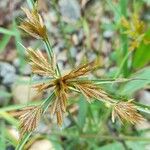
Cyperus polystachyos
Bunchy flat sedge · Bunchy sedge · Field sedge · Many-spiked sedge · Many-spike Flatsedge
Description
Source: leafsnapCyperus polystachyos, also known as Pycreus polystachyos, and also called manyspike flatsedge in the US, or bunchy sedge, coast flatsedge, many-spiked sedge or Texas sedge in Australia, is a herbaceous species in the family Cyperaceae, widespread in tropical and subtropical areas around the world, sometimes extending its range into temperate regions.
Care Guide
💧 Water
Manyspike flatsedge thrives in moist and humid conditions, similar to its tropical origins, and requires watering twice a week. Although it can tolerate moderate drought, it grows best outdoors when soil moisture is well-balanced. It's important to avoid over-saturating the soil during its growing season, as this can lead to root issues.
What should I do if I give my Manyspike flatsedge too much or too little water?
Proper watering is crucial for the health of this beautiful ornamental grass. When planted in the ground, watering issues can be resolved. However, in a container, too much or too little water can quickly kill the Manyspike flatsedge. Lack of proper watering can cause the grass to stop growing. Overwatering results in yellow leaves with brown tips, while underwatering leads to drooping leaves, weak seed head production, and browned foliage. If you suspect improper watering, the first step is to determine if there is too much or too little water. If there is excess water, immediately stop watering and patiently wait for heavy soils to dry out. When new growth appears, test the soil's moisture level and make a decision on whether more water is needed. If the grass is receiving too little water, give it a deep drink and observe if it improves. Lastly, remember that a long, deep watering is more beneficial than shallow, frequent waterings. Deep watering stimulates the growth of deep roots, making the grass more resistant to drought and watering-related problems.
How often do I need to water my Manyspike flatsedge?
The watering needs of Manyspike flatsedge depend on where it is planted. In general, it should be watered once a week. However, in hot climates, watering once or twice a week during the summer may be necessary. In moderate climates, watering once every seven days or more may be sufficient. Grass in containers typically needs more frequent watering compared to grass in the ground. Additionally, the location of the grass matters. Shaded grasses require less frequent watering than grasses planted in the ground. It is important to water Manyspike flatsedge only when the soil is dry. To determine if the soil is dry, you can press your finger a few inches into the soil or weigh the potted grass to see how light it is. When the roots lack sufficient water, the blades may appear folded and thinner than usual. Despite its drought tolerance, regular and deep waterings will result in a beautiful color. In its natural habitat of open scrubland, Manyspike flatsedge has to endure extreme heat, bright sun, and intermittent rain. While it is drought-resistant, it still requires care and attention. Consistent waterings are beneficial for its growth. When newly planted, Manyspike flatsedge needs more frequent watering until it establishes deep roots. Potted Manyspike flatsedge tends to dry out quickly, especially if exposed to hot and direct sunlight. Test the soil every 3 to 4 days and water only when it feels dry. Manyspike flatsedge planted in the ground generally requires less watering, although this depends on the type of soil. Heavy clay soil can hold moisture even if it feels dry on the surface, while sandy soils that drain quickly will need more frequent watering.
What should I be careful about when watering my Manyspike flatsedge in different seasons, climates, or during different growth stages?
To determine if you are watering enough, observe the rate of growth of your grasses. Manyspike flatsedge typically grows rapidly during the hottest months and can double in size within a year. If the weather is hot but the grass is not growing vigorously, you may need to adjust your watering schedule. In winter, you might be able to water once a month, but it is still advisable to check the soil for moisture. During the grass's growth cycle in the warmest months, it will require more water than usual. However, in winter and cooler months, the water needs will be significantly reduced. Remember to always let the soil dry out completely before adding water to the Manyspike flatsedge.
☀️ Light Full sun
For best growth, manyspike flatsedge does best in locations that receive full daylight sun. It can tolerate partial sun, though this may lessen its vigorous growth. Originating from sunny areas, it is adapted to take advantage of abundant daytime light. However, long periods of insufficient or excessive light can damage the plant.
How much sunlight does Manyspike flatsedge need to grow?
Manyspike flatsedge requires six to eight hours of direct sunlight each day. If planting outdoors, choose a location with full sunlight all day. For indoor growth, place the plant near a south-facing window or another brightly lit area. However, be cautious of exposing the plant to direct sunlight during high temperatures (over 35°C/95℉) or hot summer afternoons, as this can scorch or wilt the leaves. To prevent damage, you can use sheer curtains or blinds to filter the sunlight or relocate the plant to a shadier spot.
What happens if Manyspike flatsedge doesn't get enough sunlight?
Insufficient sunlight can hinder the growth of your Manyspike flatsedge, causing it to become weak and leggy. Yellowing leaves are a clear sign that the plant lacks sunlight for chlorophyll production. In severe cases, this can ultimately lead to the plant's death.
What will happen if Manyspike flatsedge gets too much sunlight?
Manyspike flatsedge requires full sunlight, but it should not be exposed to excessive direct sunlight. If the plant is subjected to intense sunlight for a long time, it may develop sunburn symptoms like brown or scorched leaves. To prevent this, it is important to regularly check the plant and relocate it to a more shaded area if needed.
🌡️ Temperature 20–35°C
Manyspike flatsedge comes from habitats where temperatures fall between 68 and 95 °F (20 to 35℃). It favors growing in that temperate climate. Across seasons, adjusting temperatures to remain within this range can promote its healthy growth.
What temperature is best for Manyspike flatsedge?
Plants can be affected by colder temperatures because they adjust to the temperature of the air around them. When they are under sunlight, the plants can warm up again. However, this does not happen in the winter. The Manyspike flatsedge typically thrives in temperatures between 70~85℉ (21~30℃). Although they can tolerate temperatures as low as 20~30℉ (-6~0℃) or even 15℉ (-10℃), prolonged exposure to such cold temperatures can lead to frost damage. To maintain their health, it's important to ensure that the plants are kept within a temperature range of 70~85℉ (21~30℃). Additionally, it's recommended to spray them with water periodically and provide some shade to prevent wilting.
Do I need to change the temperature for Manyspike flatsedge at different growth stages?
Before growing Manyspike flatsedge, it is important to conduct research and ensure the temperature is appropriate. Some growers might consider reducing the plants' thermostats during the growing season to save on HVAC costs, but it is crucial to understand that temperature can impact flowering, pest management, and plant quality. During the winter, certain species might enter a dormant state where growth slows down or stops entirely. As the seasons change and the temperature increases, the base temperature for growth also rises, allowing Manyspike flatsedge to grow at a faster rate. Species that naturally thrive in warmer habitats typically require higher optimum temperatures compared to those that prefer cooler climates. Exposing Manyspike flatsedge seeds to cool temperatures can lead to reduced uniformity and delays. It may be necessary to lower the temperature during flowering, but not during other phases of growth. Cooler nighttime temperatures also result in decreased water requirements, so irrigation adjustments should be made accordingly.
How can I make sure Manyspike flatsedge stays warm during cold seasons?
To help the Manyspike flatsedge become more cold-resistant, stop fertilizing it to prevent new growth and encourage the existing growth to become hardy. You can also protect the plant from the cold by building structures like cages or trellises around it. Another option is to use heat mats, which can gently warm the soil and maintain an ideal temperature range for the Manyspike flatsedge consistently.
How can I protect Manyspike flatsedge from getting damaged by temperature?
To protect the Manyspike flatsedge from frost in winter, use cloths, tarps, burlap, sheets, or plastic buckets as covers. Make sure to secure them properly so they act as insulators and don't get blown away by the wind. It's important to avoid letting plastic sheets or burlap covers touch any part of the fruit or foliage, as cold temperatures can transfer and cause burns. As temperatures increase during the daytime, remember to remove the covers.
Should I change the temperature for Manyspike flatsedge in different seasons?
To support the growth of Manyspike flatsedge in spring, it is advisable to increase humidity due to the cooler air temperature at this time. Insufficient moisture can be stressful for various species. As summer approaches, the greenhouse's large cover and warmer temperature naturally raise the humidity level in the air. Watch out for condensation on the greenhouse walls, which can negatively impact pollination and cause infections if the water droplets fall on the leaves. Adjustments should be made based on temperature, and it may be beneficial to spray water during the hotter days of the year.
💨 Humidity
🪴 Soil 5-6
🌱 Fertilizer
Manyspike flatsedge requires extra nutrients to encourage healthy new growth. In spring, adding compost around the plant's base can effectively supply the nutrition it needs. Fertilizing helps support vigorous growth and improves the plant's resistance to diseases and pests.
🪴 Pot & Repot
✂️ Pruning
To encourage new growth, prune Manyspike flatsedge in early spring. Trim away any dead foliage to help maintain its shape and health, but be careful to avoid heavy pruning. Regular maintenance enhances aeration and reduces the risk of disease. For the best recovery, always use clean, sharp tools.
🌿 Propagating
🐛 Diseases & pets
☠️ Toxicity
Characteristics
- Plant Type
- Grass
- Life Cycle
- Perennial, Annual, Biennial
- Genus
- Cyperus
- Family
- Cyperaceae
- Hardiness Zone
- 9-10
- Mature Height
- 15 cm to 61 cm
- Mature Spread
- 61 cm
- Leaf Color
- Green
- Leaf Type
- Evergreen
- Flower Color
- Yellow, Green, Brown, Red, Gray
- Flower Size
- 1.02 cm to 2.54 cm
- Bloom Time
- Summer, Early fall, Mid fall
- Planting Time
- Spring, Summer, Autumn
- Harvest Time
- Mid summer, Late summer, Fall