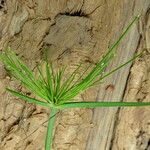
Cyperus prolifer
Dwarf papyrus · Miniature papyrus · Miniature Flat Sedge · Miniature flatsedge
Description
Source: wikipedia (CC BY-SA)Cyperus prolifer is a species of sedge that is native to eastern Africa, ranging from Somalia to the Cape Provinces of South Africa, and to Madagascar and Mauritius. It is introduced and considered invasive in Florida.
Care Guide
💧 Water
Miniature flatsedge flourishes in humid environments and requires consistent moisture, needing to be watered twice a week. Although it originates from tropical rainforests, it adapts well to indoor settings if humidity levels are kept high. This makes it an excellent choice for indoor gardens or terrariums.
☀️ Light Full sun
Miniature flatsedge is a sun-loving, perennial herbaceous plant native to open habitats and commonly found in meadows and grasslands. It prefers full sun but can also tolerate partial sun.
What are the sunlight requirements for Miniature flatsedge (Cyperus prolifer)?
Miniature flatsedge (Cyperus prolifer) thrives under specific sunlight conditions to ensure its growth and health. It requires full sun, which means it needs to be in a location that receives more than 6 hours of direct sunlight daily. Alternatively, it can also grow under partial sun conditions, which implies about 3-6 hours of sunlight each day. When planting Miniature flatsedge, it's important to observe how sunlight moves through your garden throughout the day. Identifying spots that offer the ideal mix of light and shade will help ensure that your Miniature flatsedge plants are happy and healthy.
🌡️ Temperature 15–37.8°C
Miniature flatsedge is fairly adaptable to temperature, tolerating high heat and wide temperature fluctuations. In hot weather, attention should be paid to watering and providing suitable shade to avoid sunburn. Conversely, Miniature flatsedge is relatively sensitive to low temperatures. It can endure some cold, but very low temperatures can cause frost damage.
What is the botanical name of Miniature flatsedge?
The botanical name of Miniature flatsedge is Cyperus prolifer.
Are there any known essentials or symptoms associated with Miniature flatsedge?
There are no documented essentials or symptoms specifically associated with Miniature flatsedge in the provided information.
💨 Humidity
🪴 Soil 6-7
🌱 Fertilizer
Miniature flatsedge needs extra nutrients to encourage healthy new growth. In spring, adding compost around the base of the plant will effectively supply the nutrients it requires. Fertilizing supports vigorous growth and helps the plant withstand diseases and pests.
🪴 Pot & Repot
✂️ Pruning
Miniature flatsedge has tufted, grass-like foliage and thrives with annual pruning in early spring. By trimming the old stems, you can encourage new growth and keep the plant looking neat. Proper maintenance helps foster a healthier and denser plant, effectively managing its spread in your garden.
🌿 Propagating
🐛 Diseases & pets
☠️ Toxicity
Characteristics
- Plant Type
- Grass
- Life Cycle
- Perennial
- Genus
- Cyperus
- Family
- Cyperaceae
- Hardiness Zone
- 8-11
- Mature Height
- 30 cm to 61 cm
- Mature Spread
- 30 cm to 46 cm
- Leaf Color
- Light Green, Pale Green
- Leaf Type
- Evergreen
- Flower Size
- 1.02 cm to 2.03 cm
- Bloom Time
- Summer, Early fall, Mid fall
- Planting Time
- Spring, Summer, Autumn
- Harvest Time
- Late summer, Fall, Early winter
- Native Area
- Somalia, Mozambique, South Africa, Madagascar, Kenya, Tanzania, Zimbabwe