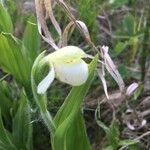
Cypripedium candidum
White lady's-slipper · Small White Lady's-Slipper · Small White Lady's-slipper Orchid · White Lady's-slipper Orchid
Description
Source: leafsnapCypripedium candidum, known as the small white lady's slipper or white lady's slipper, is a rare orchid of the genus Cypripedium. It is native to eastern North America across the northern United States and southern Canada.
Care Guide
💧 Water
The white lady's slipper flourishes in moist environments and needs consistently damp soil with weekly watering. It adapts well to outdoor cultivation, taking advantage of natural rainfall. Regular watering is essential during dry spells, as its growth cycle relies on the availability of water.
How should I water my White lady's slipper plant?
The way you water the White lady's slipper plant depends on whether it's actively growing or not. When it's growing, water the soil and occasionally water from above if it's warm, so the plant can absorb moisture through its leaves. In contrast, during winter or cool, wet weather, only water the soil directly without overhead watering. If the roots and leaves of the plant become dry or discolored, it needs more water. On the other hand, if it receives too much water, it will appear mushy and limp. Use a pot with good drainage to grow the plant, and during the growing season, water it multiple times a week. However, make sure the water drains quickly to avoid standing water. Adjust the amount of water based on the pot size, with larger pots needing less frequent watering and smaller pots needing more frequent watering. Use rainwater or distilled water, ideally at a similar temperature to the air.
What should I do if I give my White lady's slipper plant too much water or too little water?
One common way to kill a White lady's slipper plant is by allowing the soil to remain overly moist for too long. While these plants need regular watering during growth, they also require well-draining soil. If the plant is overwatered, the roots may rot, resulting in a mushy appearance. In such cases, it is necessary to remove any rotting roots using sterile pruning shears and then replant the slipper in a container with proper drainage and fast-draining potting mix. However, excessive repotting may not be favorable for this plant, so it's important to find the right balance for watering. If the slipper appears shriveled and dry, it is likely underwatered, indicating the soil is drying out faster. In such cases, you should increase the frequency of watering.
How many times should I water my White lady's slipper plant?
During the active growth stage in spring and summer, water your White lady's slipper once or twice per week. If there is hot and dry weather, increase watering to three times per week or more. In winter, water your White lady's slipper, but not as much. Water it two to three times per month to keep it alive during the coldest months. However, if you keep the plant indoors during winter, be aware that indoor locations can dry the soil faster, so you may need to increase the number of monthly waterings. In fall, gradually reduce watering from multiple times per week to your reduced winter watering schedule.
What things should I think about when watering my White lady's slipper during different seasons and when it's growing?
When planning the watering schedule for your White lady's slipper, it's important to consider two growth phases. The first phase, known as the active growth period, occurs in spring and summer. During this time, the plant needs to be watered multiple times per week. The second phase is the rest period, which occurs in winter and lasts for about two to three months. During this period, the White lady's slipper requires less water and fertilization. It's sufficient to water the plant about once or twice per month. In the fall, gradually reduce the watering frequency from multiple times per week to the appropriate rate for winter, which is once or twice per month.
How do I water my White lady's slipper plant differently when I keep it inside?
The White lady's slipper prefers a humid growing environment, but indoor locations often lack the necessary moisture. As a result, the plant and its soil dry out faster compared to outdoor growth. To address this, using a humidifier in the growing room can help maintain the desired humidity level. It may also be necessary to water the plant more frequently. However, it's important to note that while the White lady's slipper enjoys humidity, it needs sufficient air circulation to avoid excessive moisture and potential diseases. Including a fan in the growing room will ensure proper airflow.
☀️ Light Partial sun
White lady's slipper occurs naturally in habitats like forest understories and rocky sites, where it grows in natural shade. It favors partial sun but can adapt to full sun or full shade, showing its versatile, hardy nature.
What are the sunlight requirements for White lady's slipper?
White lady's slipper requires about 3-6 hours of sunlight, which is categorized as partial sun, but it can also thrive in full shade, meaning it gets less than 3 hours of direct sunlight. The plant's native environments, such as forest understories or rocky areas, provide natural shade. It's crucial to observe how sunlight moves through your garden to find spots that offer a balanced environment for your plant.
Can White lady's slipper be grown indoors and how?
Yes, White lady's slipper can be grown indoors, especially in conditions where natural sunlight is insufficient. It's advisable to use artificial lighting to ensure optimal growth. LED lights are recommended because they can be fine-tuned to the plant's needs, with full sun plants requiring 30-50W/sq ft, partial sun plants 20-30W/sq ft, and full shade plants 10-20W/sq ft of artificial light. The light source should be placed 12-36 inches above the plant and turned on for 8-12 hours per day to mimic natural daylight hours.
What are the symptoms of light deficiency in White lady's slipper?
Symptoms of light deficiency in White lady's slipper include smaller new leaves, leggy or sparse growth, faster leaf drop, slower or halted growth, lighter-colored new leaves, and symptoms of too much light such as chlorosis, sunscald, leaf curling, wilting, and leaf scorching. These indicate the plant's struggle with either inadequate or excessive sunlight exposure.
How can I optimally position my White lady's slipper to ensure it gets sufficient light?
To ensure your White lady's slipper receives sufficient light, gradually shift it to sunnier spots each week until it gets the recommended 3-6 hours of direct sunlight daily. For indoor plants that are large or not easily movable, use artificial lights like desk or ceiling lamps for at least 8 hours daily or invest in professional plant grow lights. Outdoors, avoid sudden changes in light intensity to prevent sunburn. If the plant is blocked by obstructions, consider pruning surrounding trees or transplanting the plant during its dormant period to a sunnier location with good drainage.
🌡️ Temperature 0–25°C
White lady's slipper is native to habitats with temperatures ranging from 32 to 77 °F (0 to 25 °C). In warmer seasons, it is helpful to shade the white lady's slipper from intense sunlight. In colder seasons, ensure the white lady's slipper is protected from freezing.
What is the native temperature range for White Lady's Slipper?
White Lady's Slipper thrives in environments with temperatures ranging from 32 to 77 °F (0 to 25 °C). It's essential to adjust care based on seasonal temperature changes. In hotter seasons, shading the plant from intense sunlight protects it, whereas, in colder seasons, ensuring the plant is shielded from freezing conditions is crucial. Despite its high cold tolerance and not requiring extra frost protection measures in winter, it's beneficial to water it generously before the first freeze in autumn to keep the soil moist, aiding in drought and water scarcity prevention during the colder months.
What are the symptoms and solutions for White Lady's Slipper when exposed to temperatures below its tolerance?
When temperatures drop below -35°C, White Lady's Slipper, despite its cold tolerance, may not show immediate changes during winter but could experience decreased sprouting or a lack of sprouting in spring. The solution for this situation is to remove the parts of the plant that have failed to sprout in the spring, facilitating healthy growth for the remaining plant.
How should White Lady's Slipper be cared for in high temperatures?
White Lady's Slipper shows intolerance to high temperatures above 25°C, leading to halted growth and an increased risk of rot. Care adjustments include trimming sunburned and dried-up parts of the plant, moving it to a shaded location or using a shade cloth to protect it from midday and afternoon sun, and ensuring the soil remains moist by watering in the morning and evening. These measures help the plant to cope with high temperatures and maintain its health.
💨 Humidity
🪴 Soil 5-6
🌱 Fertilizer
The best time to fertilize a White lady's slipper is in early spring, when it is coming out of dormancy and beginning active growth. Fertilization supplies essential nutrients for healthy growth. Although White lady's slipper has relatively low fertilizer needs, applying fertilizer annually can improve its survival and promote better, longer-lasting flowers.
🪴 Pot & Repot
✂️ Pruning
The white lady's slipper benefits greatly from optimal pruning between early and late spring, with a focus on removing dead foliage and spent flowers. This encourages vigorous growth and an abundance of blooms. Additionally, thinning out crowded areas improves air circulation, which further supports plant health. Regular maintenance is essential for healthy growth, and it is advisable to consult reputable horticultural sources for proper care guidance.
🌿 Propagating
🐛 Diseases & pets
☠️ Toxicity
Characteristics
- Plant Type
- Herb
- Life Cycle
- Perennial
- Genus
- Cypripedium
- Family
- Orchidaceae
- Hardiness Zone
- 3-5
- Mature Height
- 20 cm to 37 cm
- Mature Spread
- 15 cm to 25 cm
- Leaf Color
- Green
- Leaf Type
- Deciduous
- Flower Color
- White, Yellow, Green, Purple, Red
- Flower Size
- 1.78 cm
- Bloom Time
- Mid spring, Late spring
- Planting Time
- Spring, Summer
- Harvest Time
- Early summer, Mid summer