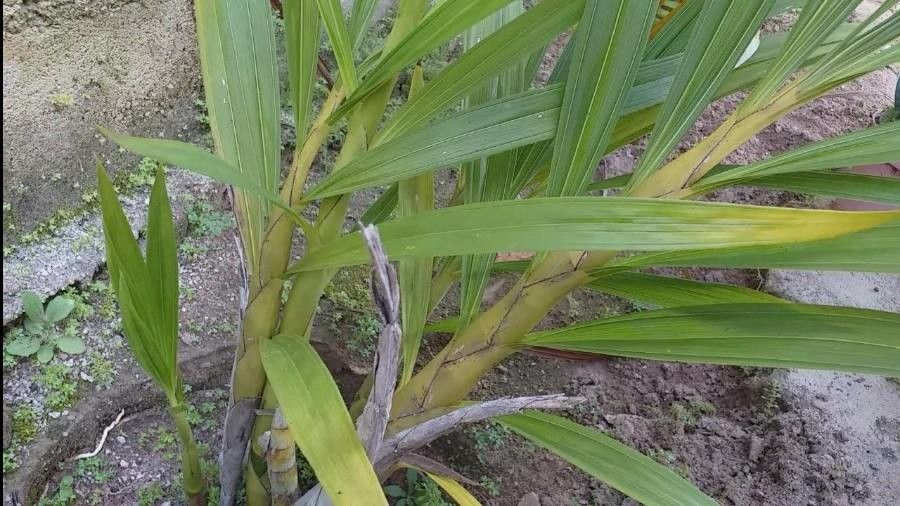
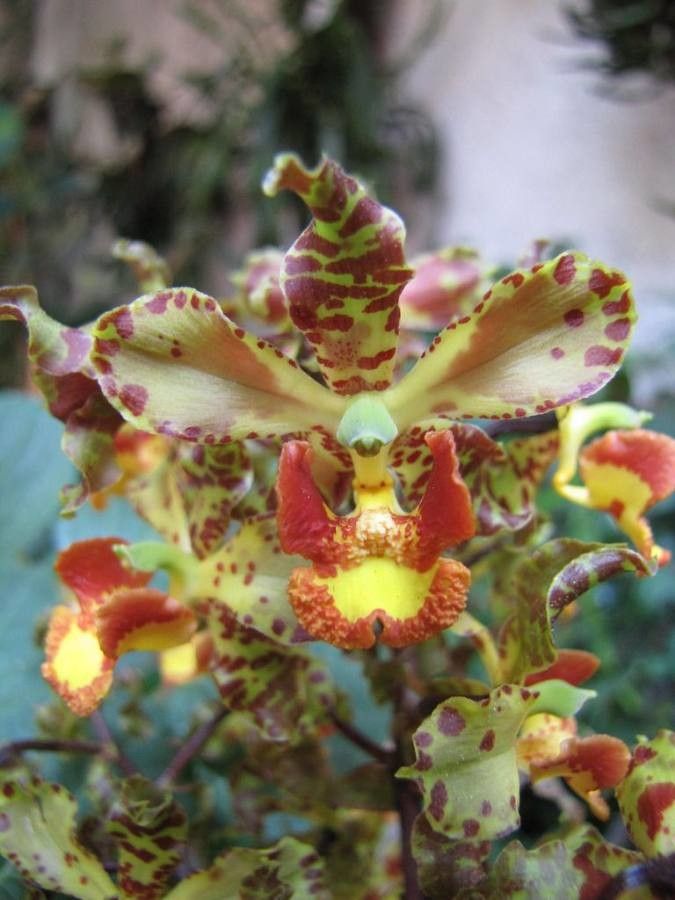
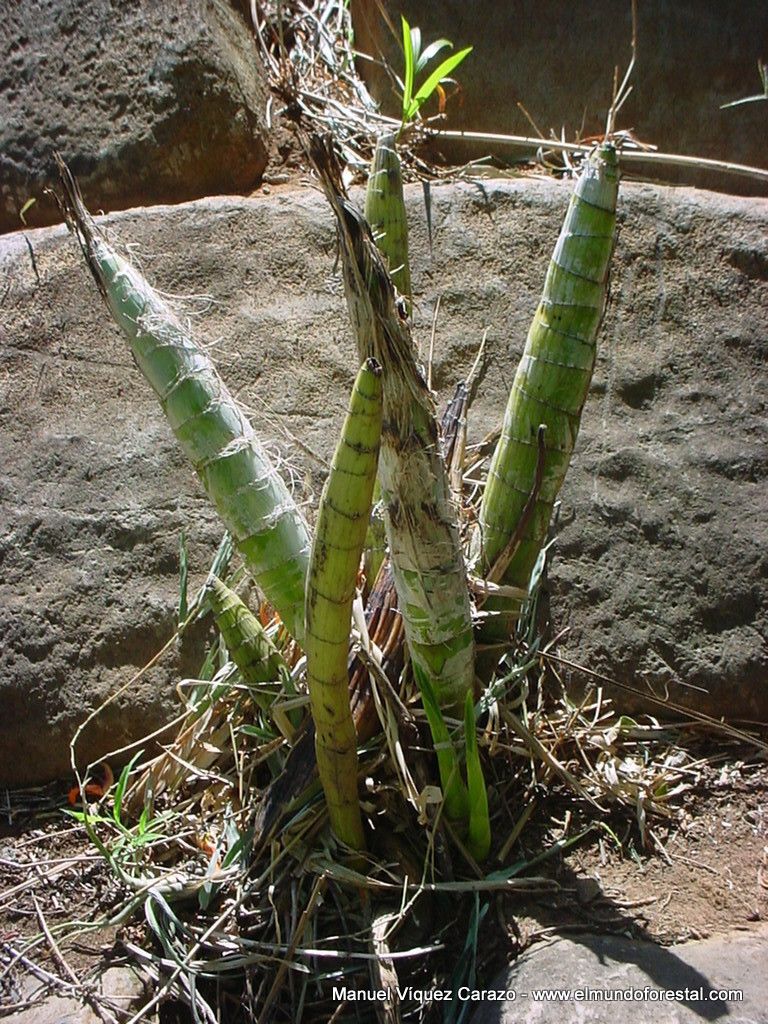
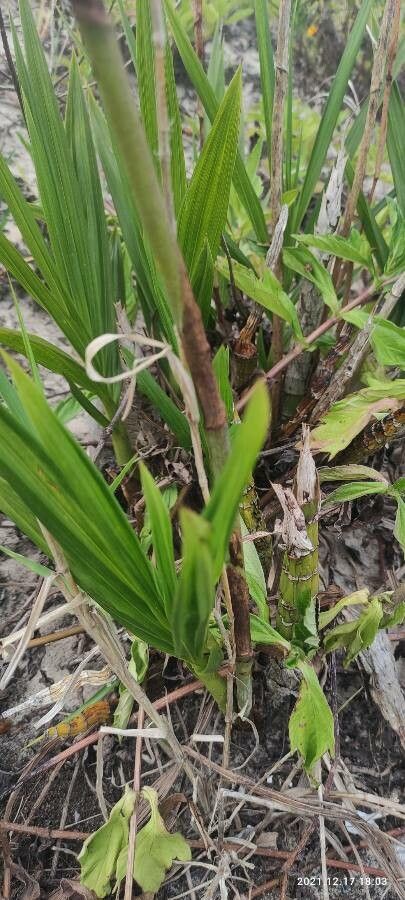
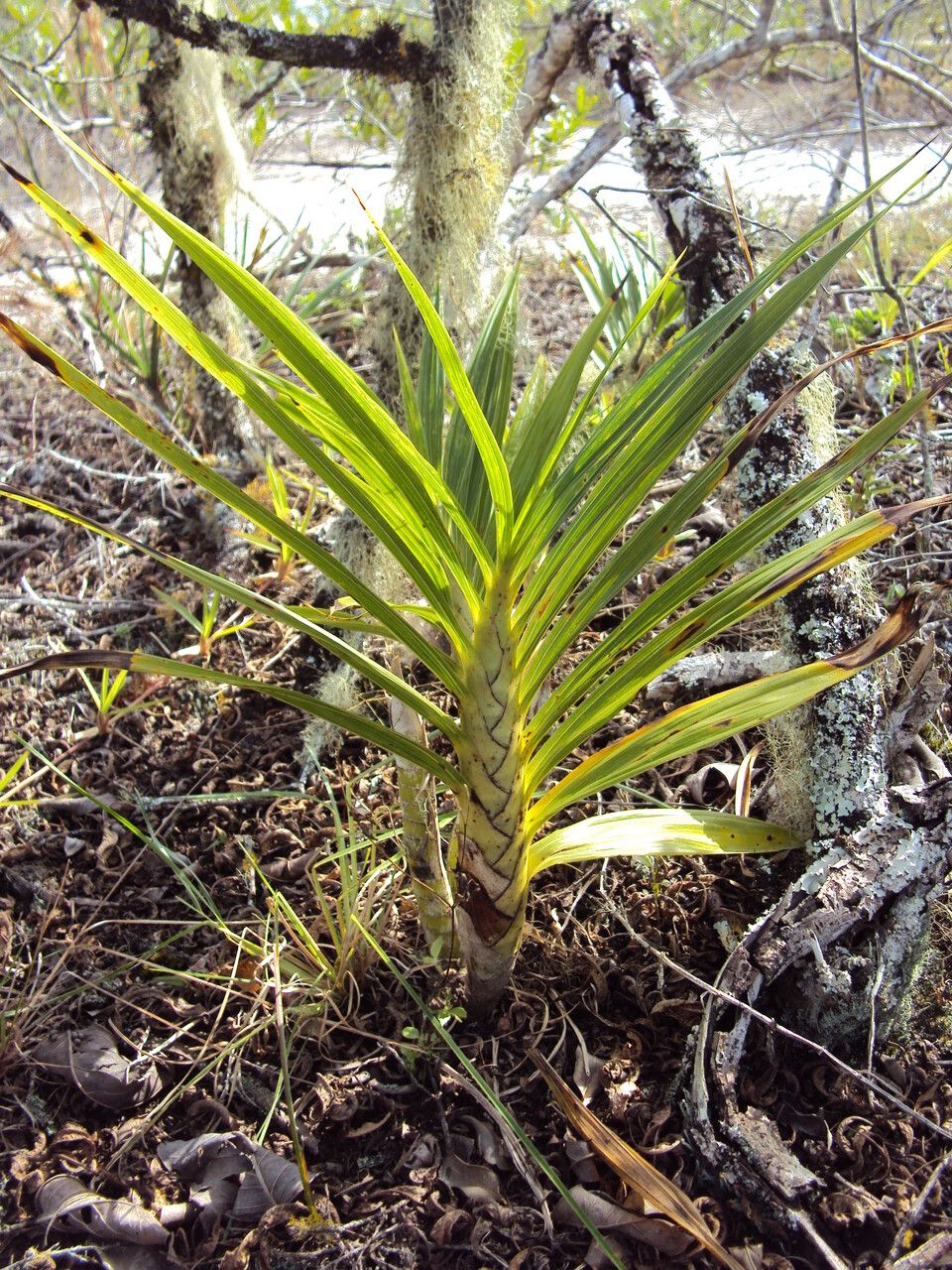
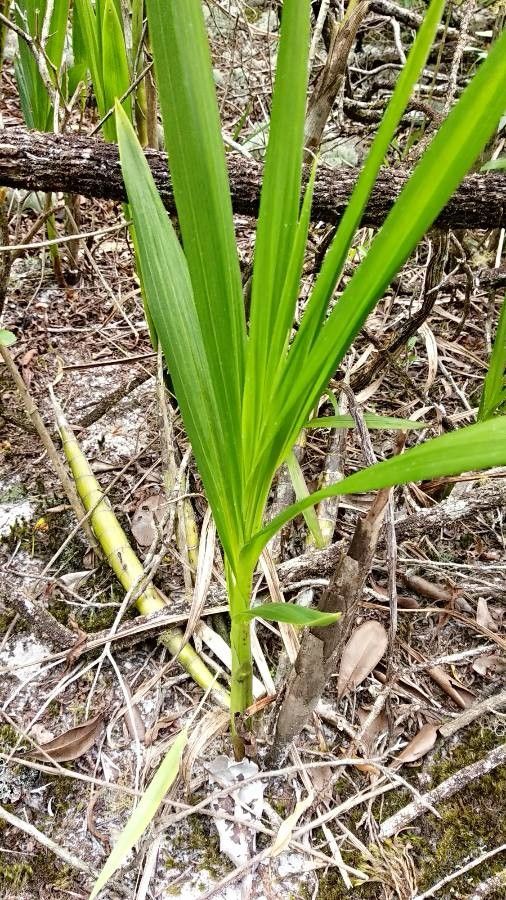
Grandeur Bulb Orchid generally shows good resistance to disease and is affected by relatively few insect pests. Its care is considered difficult because it needs high humidity while remaining well ventilated and largely free of harmful pathogens. Excessive watering can cause root rot. Although anyone can grow Grandeur Bulb Orchid, keeping it healthy and getting it to flower again requires more growing experience.
How to keep Cyrtopodium Macrobulbon.
Light
The Grandeur Bulb Orchid is native to habitats such as forest understories and rocky areas, where it grows in natural shade. It prefers partial sun but can adapt to full sun or full shade, demonstrating its versatile and hardy nature.
Water
Cyrtopodium macrobulbon thrives in tropical rainforests, where humidity is high and rainfall is frequent. To successfully cultivate this plant, it should be watered moderately once a week. It also benefits from regular misting, which helps maintain the level of hydration it is accustomed to in its natural habitat. This is especially important when growing it indoors as an epiphyte, as it helps replicate the humidity of its native environment.
Temperature
Grandeur Bulb Orchid does well in warm surroundings. It prefers moderately high temperatures rather than extreme heat and humidity. Sun exposure raises the plant's temperature and encourages blooming. Still, long periods of direct sun in summer can cause sunburn, so limiting its sunlight in that season is necessary. The plant is generally sensitive to cold and needs sufficient protection and warmer conditions in winter to avoid freezing.
Fertilizer
Proper fertilization is essential for the health and appearance of the Grandeur Bulb Orchid. Fertilize the Grandeur Bulb Orchid in summer, repeating the treatment monthly throughout the season. Nutrients provide the fuel for growth and help maintain the plant’s parts. Fertilization improves the Grandeur Bulb Orchid’s flower display, ensuring the best possible blooms.
Pruning
Cyrtopodium macrobulbon is characterized by its tall pseudobulbs and vivid flower clusters. For best results, prune the plant in early to late spring to remove any damaged growth and spent flower spikes. This encourages healthy blooming. This timing coincides with new growth following winter, which improves air circulation and light penetration. Always use sterile tools to prevent infections.
Botanical profile.
- Plant Type
- Herb
- Life Cycle
- Perennial
- Genus
- Cyrtopodium
- Family
- Orchidaceae
- Hardiness Zone
- 10-12
- Mature Height
- 0.61 m to 1.52 m
- Mature Spread
- 49 cm to 91 cm
- Leaf Color
- Green
- Leaf Type
- Deciduous
- Flower Color
- Yellow
- Flower Size
- 5.08 cm to 6.35 cm
- Bloom Time
- Spring, Summer
- Planting Time
- Spring, Summer
- Harvest Time
- Summer, Fall