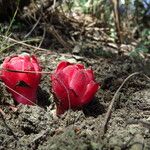
Cytinus hypocistis
Rockrose parasite · Cytinus · Hypocist · Yellow Cytinus
Description
Source: leafsnapCytinus hypocistis is an ant-pollinated species of parasitic plant in the family Cytinaceae having four subspecies. It is found primarily in locations that surround the Mediterranean Sea, and is the type for the genus Cytinus. The binomial has been conserved.
Care Guide
💧 Water
The rockrose parasite, which originates from the Mediterranean basin, thrives in dry climates with minimal watering. As an obligate parasite, it depends on host plants, usually rockrose shrubs, for moisture and nutrients. Its growth is synchronized with the seasonal rains typical of its arid habitat.
How should I water my Rockrose plant?
To properly water the Rockrose parasite, it's recommended to use filtered water at room temperature. Tap water may contain harmful particles, so filtered water is preferred. Since the Rockrose parasite is used to warm environments, it's important to avoid using cold water as it can shock the plant. Additionally, overhead watering should be avoided to prevent foliage complications. Instead, gently water the soil with filtered room temperature water until it is completely soaked. This watering method benefits the plant by keeping the roots moist and helping them spread through the soil to collect necessary nutrients.
What should I do if I give too much or too little water to my Rockrose parasite?
Both overwatering and underwatering can harm the health of your Rockrose parasite, but overwatering is more likely to occur. When the plant receives too much water, its stems and leaves may wilt and turn yellow. Overwatering for a long time can also cause diseases like root rot, mold, and mildew, which can be fatal for the plant. Underwatering is less common because the Rockrose parasite can tolerate drought well. However, it is still possible, and in such cases, the plant's leaves may become brittle and brown. It is important to spot the signs of overwatering early when caring for the Rockrose parasite because some water-related diseases, such as root rot, may become irreversible if not addressed promptly. If you notice early signs of overwatering, reduce your watering schedule immediately and check the soil drainage. If the soil drains poorly, replace it with a loose, well-draining potting mix. On the other hand, if signs indicate the plant is not receiving enough water, you simply need to water it more regularly until the signs disappear.
How often should I give water to my Rockrose parasite?
If your Rockrose parasite is potted, the best way to determine if it needs water is by sticking your finger in the soil. If the top two to three inches are dry, it's time to water. The same method applies if you have the plant growing outdoors in the ground. Generally, during spring and early fall, watering once a week is sufficient. However, during hot weather, watering may need to be increased to twice a week or more. Keep in mind that mature and well-established Rockrose parasites can handle drought well.
How much water does my Rockrose parasite require?
To ensure your Rockrose parasite thrives, don't be afraid to water it generously. Wait until the top few inches of soil are dry, then give it a deep watering. Make sure the water saturates the entire soil. If you notice water flowing out of the drainage holes at the bottom, you have added enough water. If there's no excess water, you have likely not watered it enough. However, be cautious not to let water accumulate in the soil, as it can harm the plant. Also, if water doesn't drain properly, it might mean the soil is not well-draining, which can negatively affect the plant's health. If the plant is outside, around 1 inch of rainfall per week is adequate.
How do I water my Rockrose parasite as it grows?
The water needs of the Rockrose parasite can vary throughout different growth stages. When the parasite is in its early years or if it has been recently transplanted, it requires additional watering. During this time, the parasite is focused on developing new roots to support future growth, and these roots benefit from slightly higher moisture levels compared to later stages. As the parasite matures, it will require less water. Additionally, during the bloom period, when the parasite is producing flowers, it may need increased watering due to the moisture demands of flower development.
☀️ Light Partial sun
The Rockrose parasite prospers with abundant sunlight, which plays a major role in its vigor and healthy development. Insufficient light may inhibit its growth, whereas excessive light can be damaging. It comes from a habitat where unobstructed sunlight is typical. During all stages of its development it consistently needs that level of exposure.
What are the sunlight requirements for the Rockrose parasite?
The Rockrose parasite, or Cytinus hypocistis, thrives under ample solar exposure, which is significant for its healthy growth and vitality. It requires above 6 hours of sunlight daily, originating from environments with unobstructed solar rays. Watch how sunlight gracefully moves through your garden to choose spots that provide the perfect balance of light and shade for your plants, ensuring their happiness. Both insufficient and too much sunlight can adversely affect the plant's growth.
How can artificial lighting be used for Rockrose parasite indoor care?
For indoor Rockrose parasites, artificial lighting offers a vital solution when natural sunlight is insufficient. It promotes faster, healthier growth. LED lights are popular due to their customizability for specific plant needs. Full sun plants require 30-50W/sq ft, partial sun plants 20-30W/sq ft, and full shade plants 10-20W/sq ft of artificial light. The light source should be placed 12-36 inches above the plant, mimicking natural sunlight for 8-12 hours per day.
What are the symptoms of inadequate lighting for Rockrose parasites?
Symptoms of inadequate lighting in Rockrose parasites include smaller new leaves, leggy or sparse growth, faster leaf drop, slower or no growth, lighter-colored new leaves, chlorosis, sunscald, leaf curling, wilting, and leaf scorching. These indicate either a lack of sufficient sunlight, leading to a reduction in chlorophyll and essential nutrients, or damage from excessive sunlight exposure.
How do you address sunlight-related issues for Rockrose parasites?
To optimize sunlight exposure for Rockrose parasites, gradually move plants to sunnier locations until they receive at least 6 hours of direct sunlight daily. For indoor plants, consider using artificial light if relocation isn't feasible, keeping lights on for a minimum of 8 hours daily. Outdoors, adapt plants gradually to avoid sunburn. If sunlight is blocked, identify and reduce obstructions such as pruning trees. Transplanting smaller plants during their dormant period can also enhance sunlight exposure. Note that parts of the plant already affected may not recover, but new growth will be healthy with improved light conditions.
🌡️ Temperature 15–37.8°C
Rockrose parasite can tolerate a broad range of temperature conditions, but its distribution may nevertheless be restricted by different combinations of moisture and heat. It grows best in warm summer climates with adequate rainfall or watering. Extended periods of cloudy, rainy weather or prolonged high temperatures can raise the likelihood of the Rockrose parasite dying. In winter, appropriate protection from cold can enhance the plant's survival rate.
💨 Humidity
🪴 Soil 6-7
🌱 Fertilizer
Usually one fertilizer application in spring is enough for Rockrose parasite, but repeated feedings can further enhance growth. Feed every month to every six weeks. Fertilizing improves the leaves' appearance and function, helping them keep an even color and healthy texture. It also promotes root development and nutrient uptake for long-term plant health.
🪴 Pot & Repot
✂️ Pruning
The rockrose parasite is a parasitic plant that attaches itself to the roots of host plants. To control its growth and prevent infections, it is important to prune the rockrose parasite from early to late spring. Use sterilized tools to remove the older parts. This will enhance air circulation and improve the overall health of the host plant, which is crucial for managing the parasite effectively.
🌿 Propagating
🐛 Diseases & pets
☠️ Toxicity
Characteristics
- Plant Type
- Herb
- Life Cycle
- Perennial
- Genus
- Cytinus
- Family
- Cytinaceae
- Hardiness Zone
- 8-11
- Mature Height
- 3 cm to 6 cm
- Mature Spread
- 3 cm to 8 cm
- Leaf Color
- Yellow, Orange
- Leaf Type
- Deciduous
- Flower Color
- Yellow, Orange
- Flower Size
- 1.02 cm to 2.03 cm
- Bloom Time
- Mid spring, Late spring
- Planting Time
- Summer, Autumn
- Harvest Time
- Early summer, Mid summer