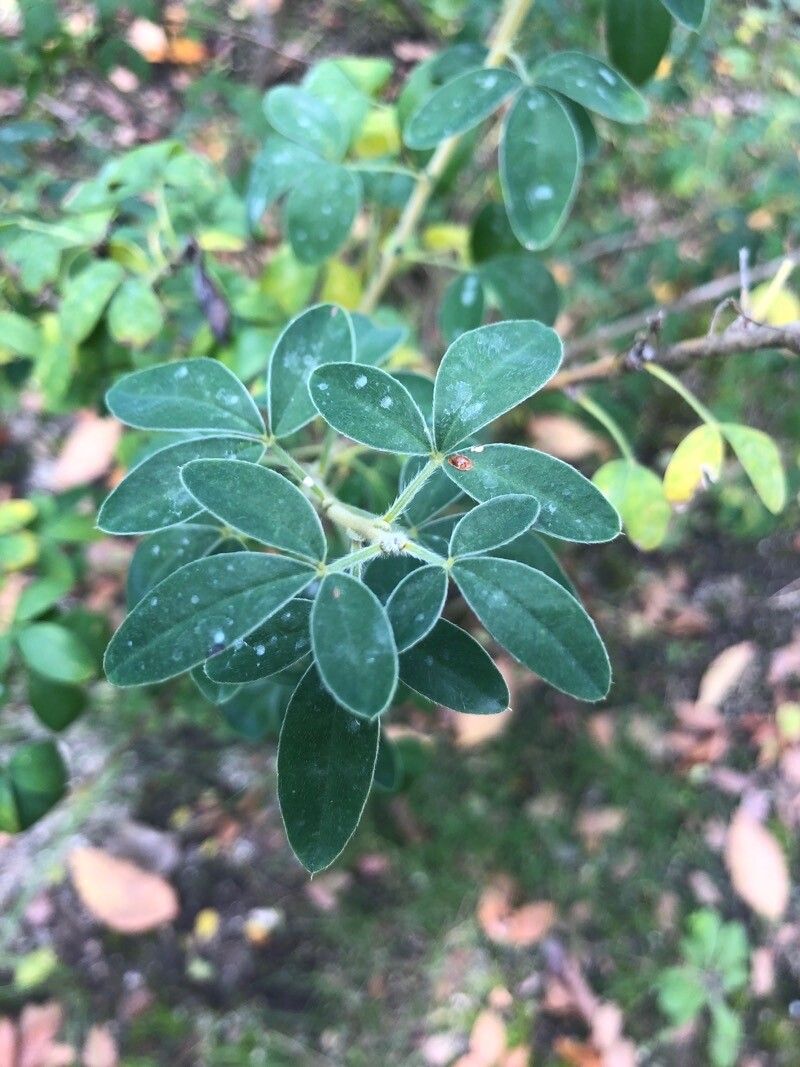
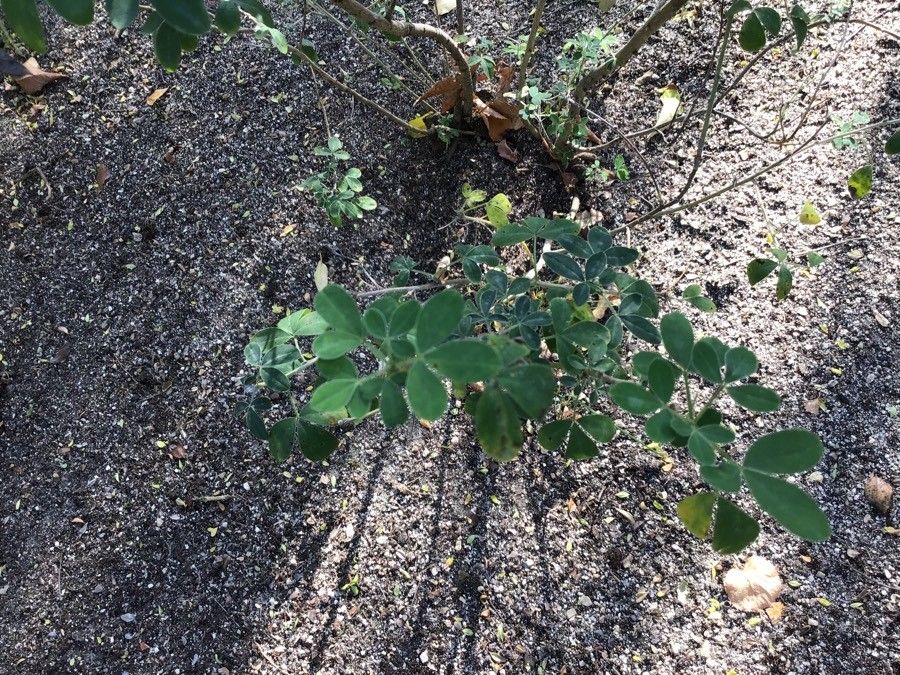
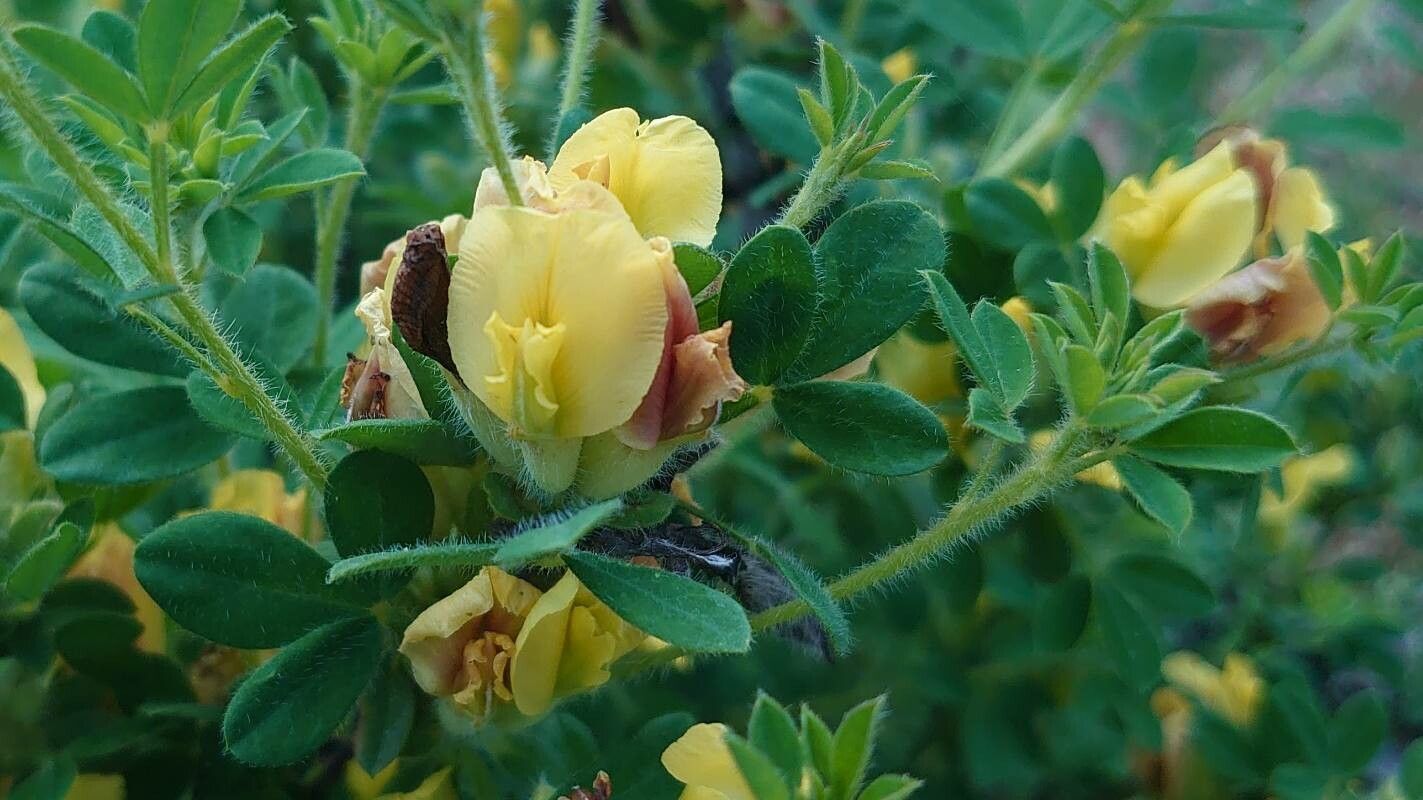
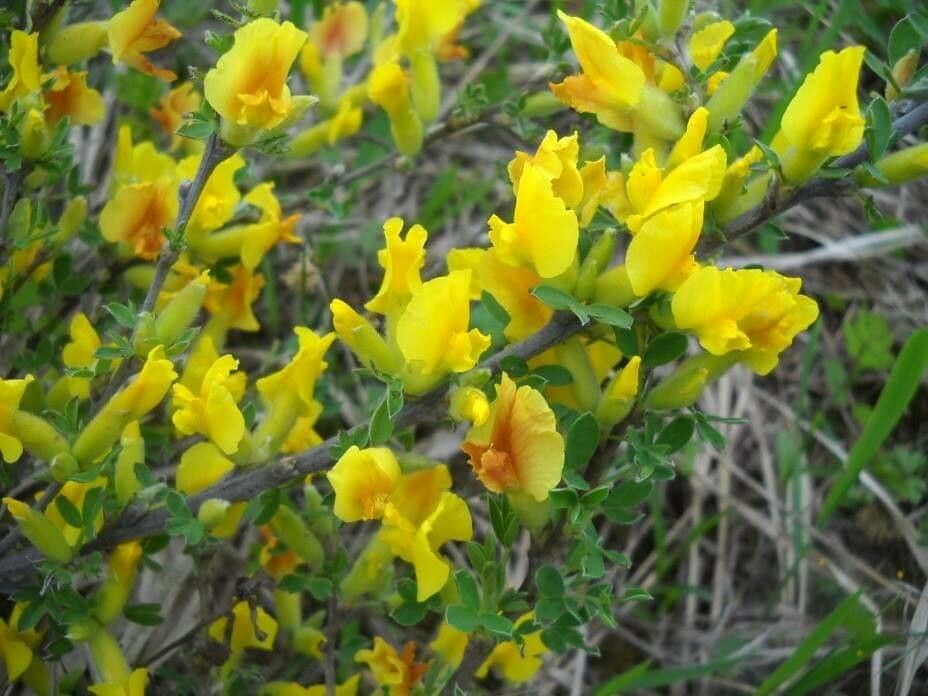
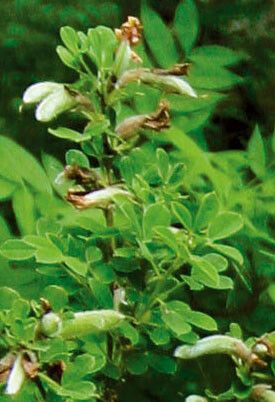
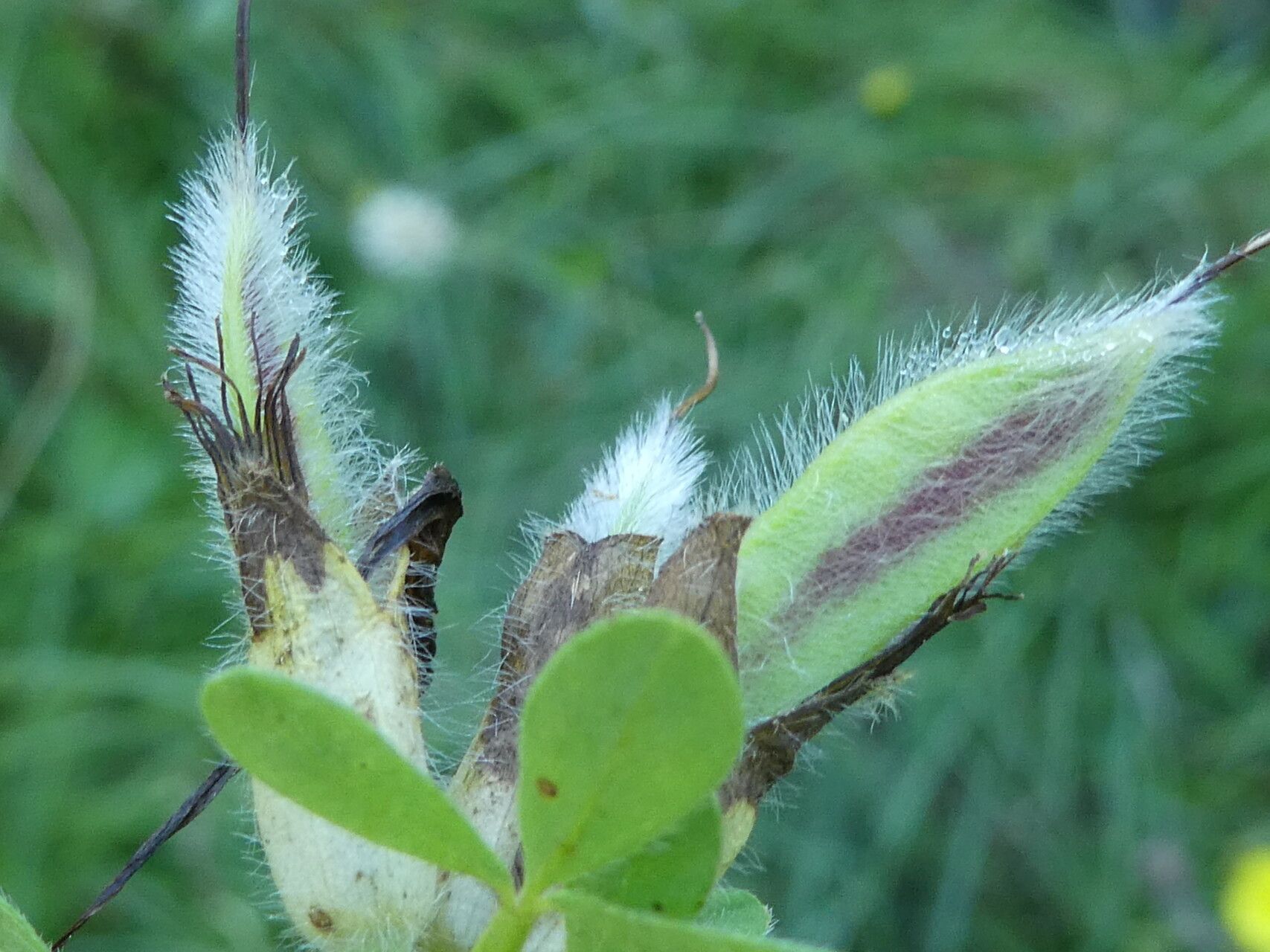
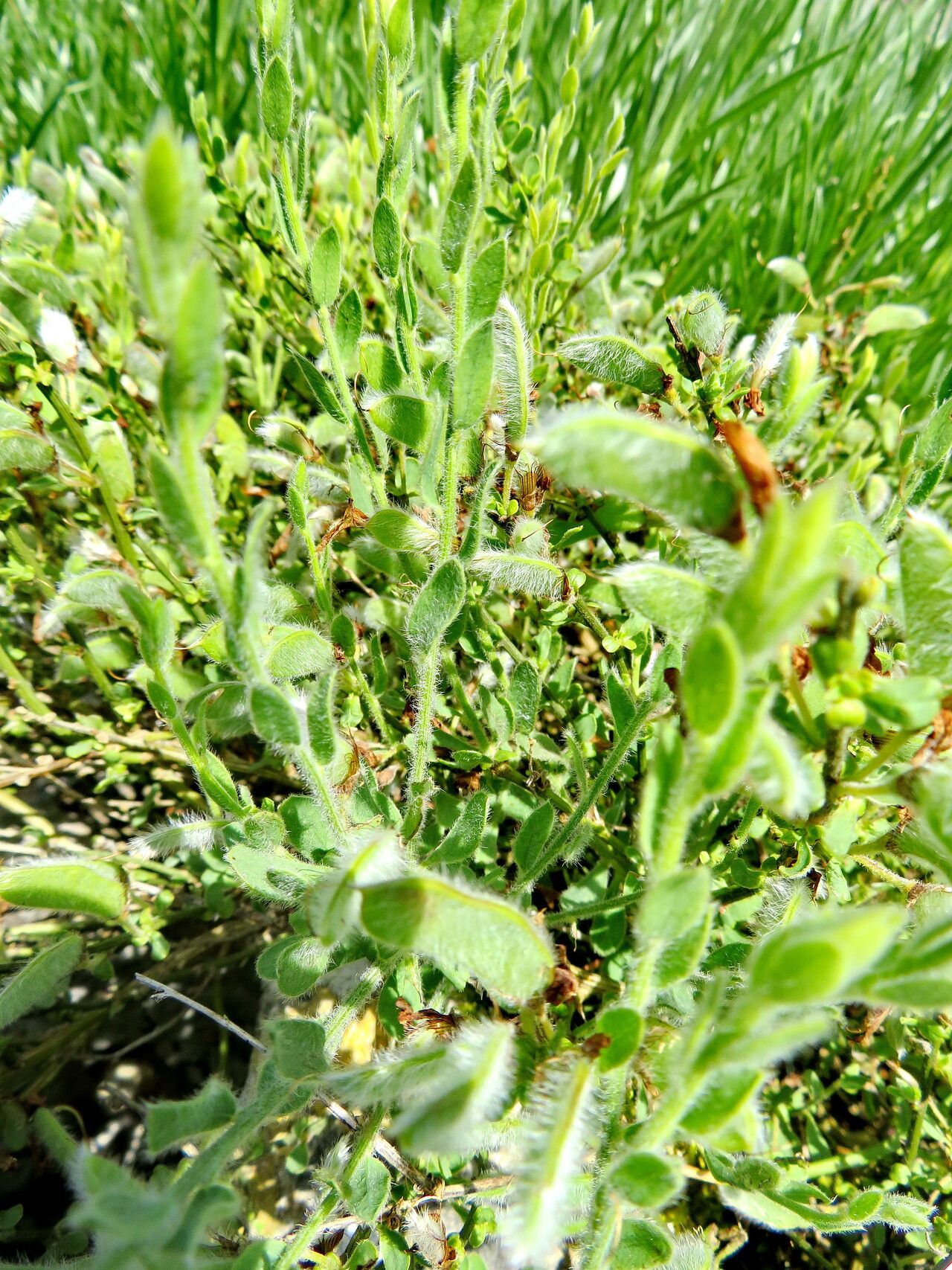
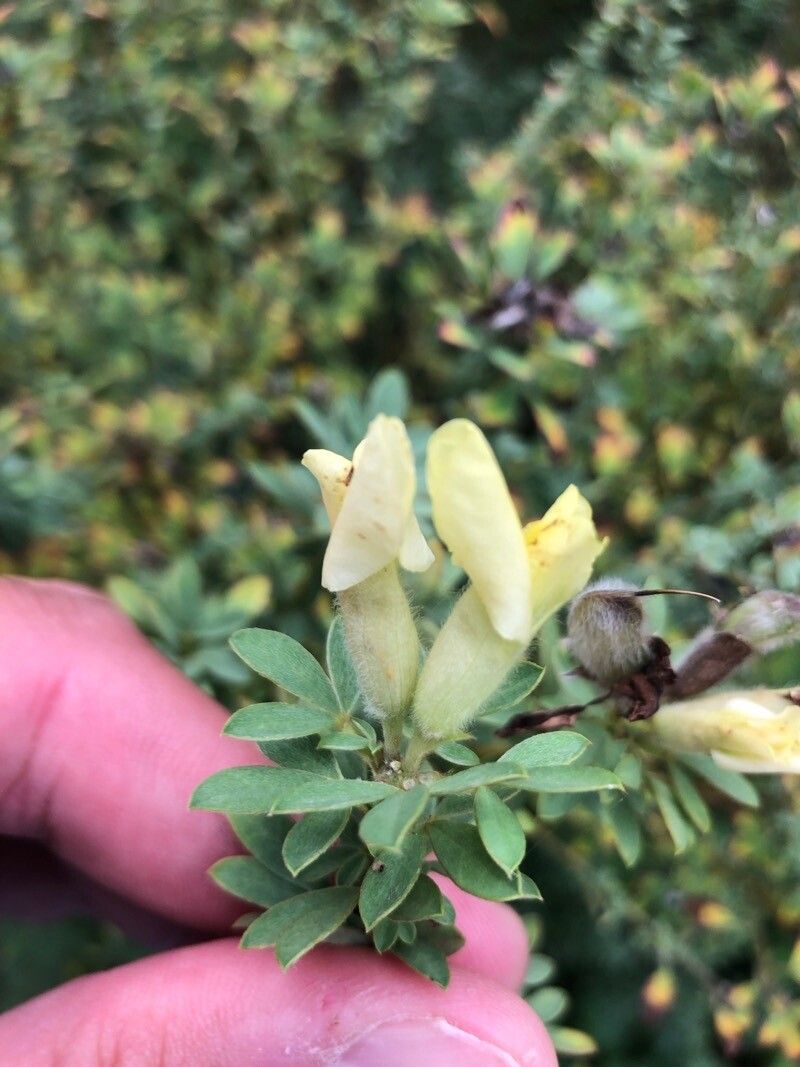
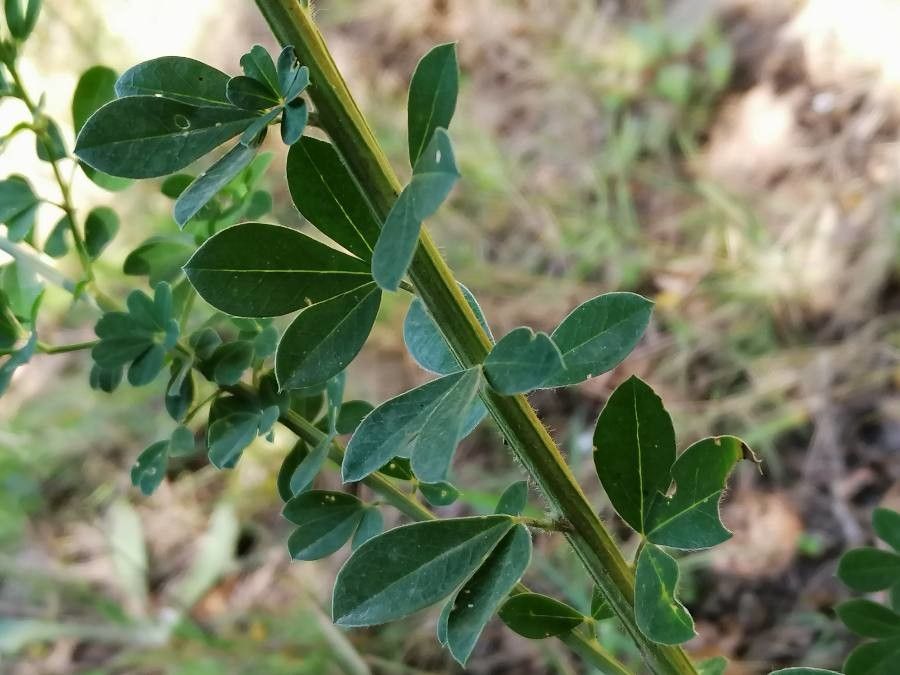
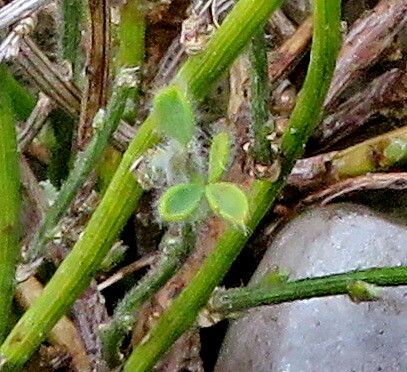
Cytisus hirsutus (clustered broom or hairy broom) is a perennial plant belonging to the genus Cytisus of the family Fabaceae.
Big-flowered broom has strong resistance to disease and is generally not susceptible to illnesses. Regarding care, this plant is fairly low-maintenance. When grown outdoors it needs only light watering, and larger plants typically do not require pruning. Smaller plants, however, should be trimmed after they finish blooming. Big-flowered broomt is suitable for anyone who has an outdoor area, such as a garden or deck, and it does not demand much experience in plant care.
How to keep Cytisus Hirsutus.
Light
Big-flowered broom is native to open habitats, such as sunny meadows and the edges of forests, which supply plenty of light. It does best in full sun but can also tolerate partial sun, adapting well to a range of light conditions.
Water
Big-flowered broom originates from regions with moderate climates. It prefers consistent moisture but can tolerate short periods of dryness. To keep it hydrated, water it weekly. When grown outdoors, big-flowered broom benefits from natural rainfall, which aligns with its growth cycle and helps minimize the risk of over-saturation.
Temperature
Big-flowered broom is a robust plant that does well in temperate regions. It prefers temperatures of 41 to 95 °F (5 to 35 ℃). In hotter spells, occasional shade can help it manage the heat, while in colder times providing some frost protection may be helpful.
Fertilizer
Proper timing is essential for fertilizing Big-flowered broom. Apply fertilizer in early spring and continue once a month until early summer. The fertilizer encourages attractive blooms and supplies energy during both dormant periods and active growth.
Pruning
The big-flowered broom is known for its dense, bushy growth and vibrant, large flowers. To maintain its health and appearance, it's best to prune it from early to late winter. Focus on removing dead stems and shaping the plant for an open structure, which promotes healthy blooms and prevents legginess. Be careful not to over-prune, as this can cause shock and hinder air circulation.
Botanical profile.
- Plant Type
- Shrub
- Life Cycle
- Perennial
- Genus
- Cytisus
- Family
- Leguminosae
- Hardiness Zone
- 5-9
- Mature Height
- 30 cm to 61 cm
- Mature Spread
- 91 cm
- Leaf Color
- Green
- Leaf Type
- Evergreen
- Flower Color
- Yellow, Gold
- Flower Size
- 2.54 cm
- Bloom Time
- Mid spring, Late spring, Early summer
- Planting Time
- Spring, Summer
- Harvest Time
- Mid summer, Late summer, Early fall
Other names.
Reader questions.
What are the sunlight requirements for Big-flowered broom (Cytisus hirsutus)?
Big-flowered broom (Cytisus hirsutus) needs specific conditions regarding sunlight to thrive. It requires 'Full sun' conditions, which means the plant should receive above 6 hours of sunlight daily. Alternatively, it can also grow in 'Partial sun' conditions, where it gets about 3-6 hours of sunlight each day. It's important to observe the light patterns in your garden to find spots that offer a good balance of sunlight and shade. Ensuring that your Big-flowered broom is placed in the correct light condition is crucial for its health and happiness.
What is the ideal climate for Big-flowered broom to thrive?
Big-flowered broom, scientifically known as Cytisus hirsutus, is a resilient plant that grows best in temperate climates. It prefers a temperature range between 41 to 95 °F (5 to 35 °C). To help the plant thrive, occasional shading is recommended during hotter periods to manage the temperature. Similarly, in colder months, it's beneficial to provide some form of frost protection to ensure the plant remains healthy.