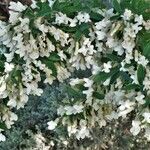
Cytisus proliferus
Description
Source: leafsnapCytisus proliferus, tagasaste or tree lucerne, is a small spreading evergreen tree that grows 3–4 m (10–13 ft) high. It is a well known fertilizer tree. It is a member of the Fabaceae (pea) family and is indigenous to the dry volcanic slopes of the Canary Islands, but it is now grown in Australia, New Zealand and many other parts of the world as a fodder crop.
Care Guide
💧 Water
How should I water my Tree lucerne plant?
Your Tree lucerne is not picky about how you water it. You can use any common watering tool, like watering cans, hoses, or even cups. When watering, it's best to apply the water directly to the soil and make sure to moisten all areas evenly. Using filtered water is helpful as tap water can contain harmful particles. It's also better to use water at or slightly above room temperature, as extremely cold or hot water can shock the Tree lucerne. However, the Tree lucerne generally responds well to any kind of water.
What do I need to do if I give my Tree lucerne too much or too little water?
When it comes to outdoor plants, especially those that have just been planted or are seedlings, they can easily suffer from lack of watering. It's important to remember to water these plants consistently for a few months until they become more established. Once the roots are established, Tree lucerne plants can rely on natural rainfall for hydration most of the time. On the other hand, when Tree lucerne plants are potted, there's a higher risk of overwatering. If you accidentally overwater your Tree lucerne, it's important to take immediate action to address the situation. First, stop watering the plant right away to minimize the negative effects of overwatering. Next, inspect the roots of your Tree lucerne by removing it from its pot. If you find that the roots are not showing any signs of root rot, you can return the plant to its container. However, if there are signs of root rot, you should trim away the affected roots and consider applying a fungicide to prevent further damage. Finally, repot your Tree lucerne in well-draining soil. In the case of underwatering, the solution is quite simple - water the plant more frequently. Signs of underwatering include drooping, drying out, and falling off of the leaves. Once the plant receives sufficient watering, the leaves will quickly regain their fullness. Make sure to adjust your watering frequency as soon as you notice signs of underwatering.
How frequently should I water my Tree lucerne?
Most outdoor plants can grow naturally with rainfall. If your area does not receive much rain, you should water your plants every 2 weeks in the spring and fall, and more frequently in the summer. During the slower growth period of winter, you can water less or not at all. However, young or newly planted Tree lucerne should be watered more often to help them establish and become drought tolerant. When it comes to potted plants, there are two main ways to determine watering frequency for your Tree lucerne. One way is to create a regular watering schedule, either once a week or once every other week. However, this may not always work as it doesn't consider the specific conditions of your plant's environment. Another approach is to water based on soil moisture. Wait until the top two to four inches of soil in the pot have completely dried out before giving more water. This method allows you to adjust watering based on the season, as the plant's water needs are highest in the summer. By following these guidelines, you can ensure that your Tree lucerne receives adequate and appropriate watering.
How much water should I give my Tree lucerne?
When it's time to water your Tree lucerne, you might be surprised to learn that it doesn't always require a lot of water. If only a few inches of soil have dried out since the last watering, giving the plant about five to ten ounces of water each time should promote healthy growth. You can also gauge the amount of water needed by assessing the moisture in the soil. Keep track of how many inches of soil have dried between waterings. To ensure your Tree lucerne receives sufficient moisture, water enough to dampen all the layers of dry soil since the last watering. If more than half of the soil has dried out, consider giving it more water than usual. In such cases, continue watering until you see excess water draining from the pot's drainage holes. If your Tree lucerne is planted in an area that receives ample rain, it might not require additional watering. However, when the plant is young or in the process of establishing itself, make sure it receives 1-2 inches of rain per week. As it grows and becomes more established, it can rely solely on rainwater for survival. Only in situations where there is hot weather and no rainfall for 2-3 weeks should you consider watering the Tree lucerne to prevent it from experiencing stress.
How can I know if I'm giving my Tree lucerne enough water?
When it comes to the Tree lucerne, overwatering is a common problem that can be easily identified. Look for yellowing leaves and leaf drop as signs of overwatering. Additionally, overwatering can cause the plant to shrivel and lead to root rot. On the other hand, an underwatered Tree lucerne will start wilting and may have brown or brittle leaves. Regardless of whether you spot signs of overwatering or underwatering, it's important to take action and restore the health of your Tree lucerne.
☀️ Light Full sun
Tree lucerne thrives in well-lit environments, favoring substantial exposure to the sun for optimal growth. But it also exhibits flexibility by adapting to areas with moderate sunlight. The light conditions of the area where it originally came from reflect this tendency. Either an excess or deficiency of sun exposure could potentially limit its growth.
How many hours of sunlight per day should Tree lucerne get for healthy growth?
To promote healthy growth in Tree lucerne, it is important to provide it with a minimum of 3–6 hours of sunlight daily. However, it is worth noting that while most plants that can tolerate partial sun can also thrive in full sun conditions, they are more adaptable due to needing less light for photosynthesis. This flexibility sets them apart from plants that specifically require either full sun or partial shade.
What kind of sunlight does Tree lucerne need?
Tree lucerne thrives in full or part sun, particularly in the morning. However, during summer it requires some shade in the afternoon to shield it from the intense sunlight. In temperate climates, excessive afternoon sun can scorch the leaves and harm the overall health and appearance of the plant.
Can the sun harm Tree lucerne? How can we shield Tree lucerne from sun and heat damage?
Indoor tree lucerne is vulnerable to direct sunlight when taken outside. To prevent sunburn, gradually move the pots from a shaded spot to a brighter area. However, even plants accustomed to the sun can be harmed by intense heat. In a heatwave, it is crucial to keep the soil consistently moist to help the plants withstand extreme temperatures. To protect sensitive tree lucerne during severe weather, either move potted plants to areas with afternoon shade or cover them with a shade cloth.
Should I keep Tree lucerne away from the sun?
Tree lucerne benefits from bright morning sun and some full sun exposure, but it can struggle with the harsh midday sun in summer. When planted in the ground, Tree lucerne can adapt gradually to the increasing intensity of the summer sun. However, potted plants that have been indoors or in a protected area can be susceptible to damage if suddenly exposed to direct midday summer sun. To safeguard Tree lucerne from the intense afternoon sun, it is recommended to plant or place it in an area beneath taller trees, plants, a building, or a landscape feature that provides shade during midday.
What will happen if Tree lucerne doesn't get enough sunlight?
When Tree lucerne doesn't get enough sunlight, it can lose its vibrant green color and have droopy, yellow leaves. While it's normal for some leaves to fall off, if new ones aren't growing back, there could be an issue. Additionally, if Tree lucerne grows in low light conditions, the new growth might be weak, pale, and attract more insects. By noticing these signs and adjusting the lighting, you can make a big improvement.
🌡️ Temperature 0–35°C
Tree lucerne is indigenous to areas with temperatures typically varying between 32 and 95 °F (0 to 35 ℃). It flourishes under a temperate climate. As seasons transition, modify its environment; provide protection against severe cold if needed.
What is the best temperature for Tree lucerne?
Tree lucerne thrives best in temperatures between 65 to 80℉ (18 to 27℃). During its primary growing phase, it can withstand temperatures as high as 95℉ (35℃) and as low as 15℉ (-10℃). This species is particularly resilient to low temperatures and can survive freezing winters. The ideal temperature range for optimal growth is 65 to 80℉ (18 to 27℃), while the highest tolerable range extends from 85 to 95℉ (30 to 35℃), and the lowest tolerable range is -5 to 15℉ (-20 to -10℃) or below.
Do I need to change the temperature for Tree lucerne at different stages of growth?
According to research, Tree lucerne plants tend to experience stunted growth when exposed to extended periods of higher temperatures. This is particularly noticeable during the development of axillary buds and the growth of main shoots. To counteract this, maintaining consistent cooler temperatures, around 65℉(18℃), is recommended. This will help promote vigorous growth following germination or transplanting.
How do I make sure Tree lucerne stays warm during cold seasons?
Tree lucerne can tolerate freezing temperatures if planted in the ground, as long as the area does not go below -10℃ (15℉) during winter. However, if you choose to plant it in pots or containers, you will need to protect the roots from the cold. This can be done by wrapping the container with a blanket or by bringing it indoors where it will be shielded from the elements.
What happens to Tree lucerne if the temperature is too hot/cold?
Tree lucerne is more negatively affected by consistently high temperatures compared to low temperatures. When it gets too hot, the plant experiences reduced seed germination and photosynthesis efficiency due to hormone triggers caused by heat stress. This is evident through wilting, leaf browning, and the potential death of the plant. On the other hand, if Tree lucerne becomes too cold, its functions like nutrient uptake and photosynthesis are halted, potentially leading to plant death. Additionally, a single freezing event during the growing season may cause a membrane phase transition, which can also result in the cessation of plant functions and plant death.
What do I need to remember about temperature for Tree lucerne?
To ensure the health of Tree lucerne and promote successful budding, flowering, and new growth, it is crucial to maintain a consistent soil temperature. This can be achieved by consistently watering the plant, adding mulch to bare soil, and planting it in a shady area.
💨 Humidity
🪴 Soil 6-7
🌱 Fertilizer
The scheduling of Tree lucerne fertilization is vital. Begin the fertilization process in the early spring and maintain it monthly until the onset of early summer. Fertilizers aid in generating beautiful flowers and supply energy during both inactive and thriving growth stages.
🪴 Pot & Repot
✂️ Pruning
Tree lucerne benefits from strategic pruning, which includes thinning out older branches, shaping the tree for better form, and removing any damaged limbs. It's best to carry out pruning from early to late winter while the tree is dormant. This encourages healthy growth in the spring, helps manage the tree's height, and enhances its overall health and appearance.
🌿 Propagating
🐛 Diseases & pets
☠️ Toxicity
Characteristics
- Plant Type
- Shrub
- Life Cycle
- Perennial
- Genus
- Cytisus
- Family
- Leguminosae
- Hardiness Zone
- 3-9
- Mature Height
- 3.05 m to 3.96 m
- Mature Spread
- 3.96 m
- Leaf Color
- Light Green, Silver
- Leaf Type
- Evergreen
- Flower Color
- White
- Flower Size
- 2.54 cm
- Bloom Time
- Spring, Early summer
- Planting Time
- Spring
- Harvest Time
- Summer, Early fall