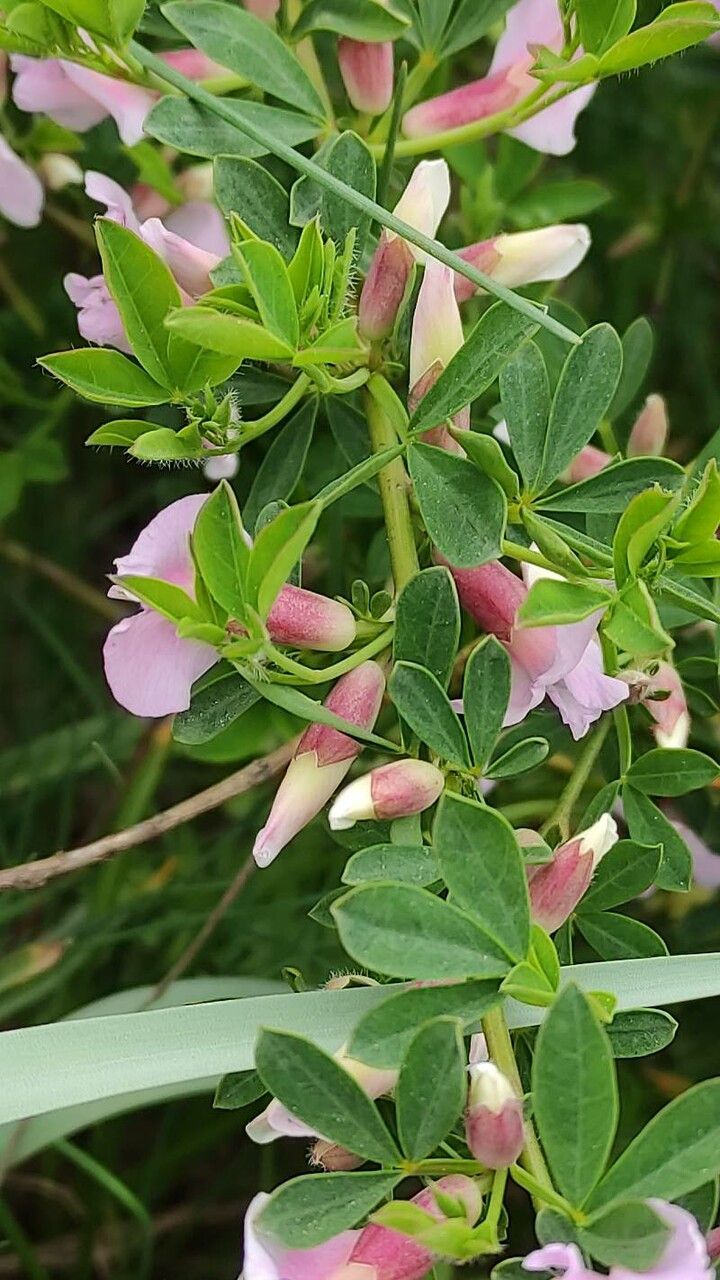
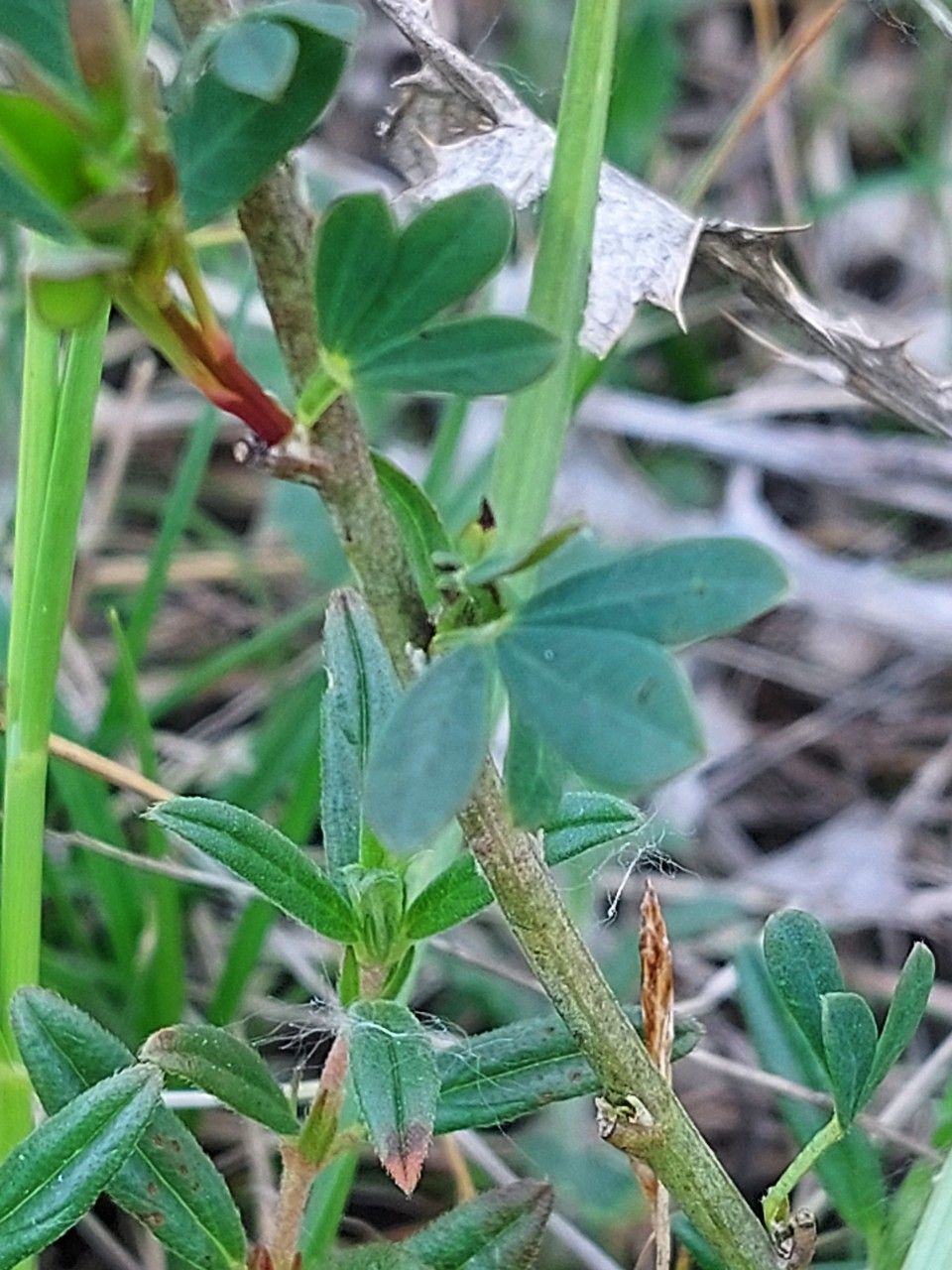
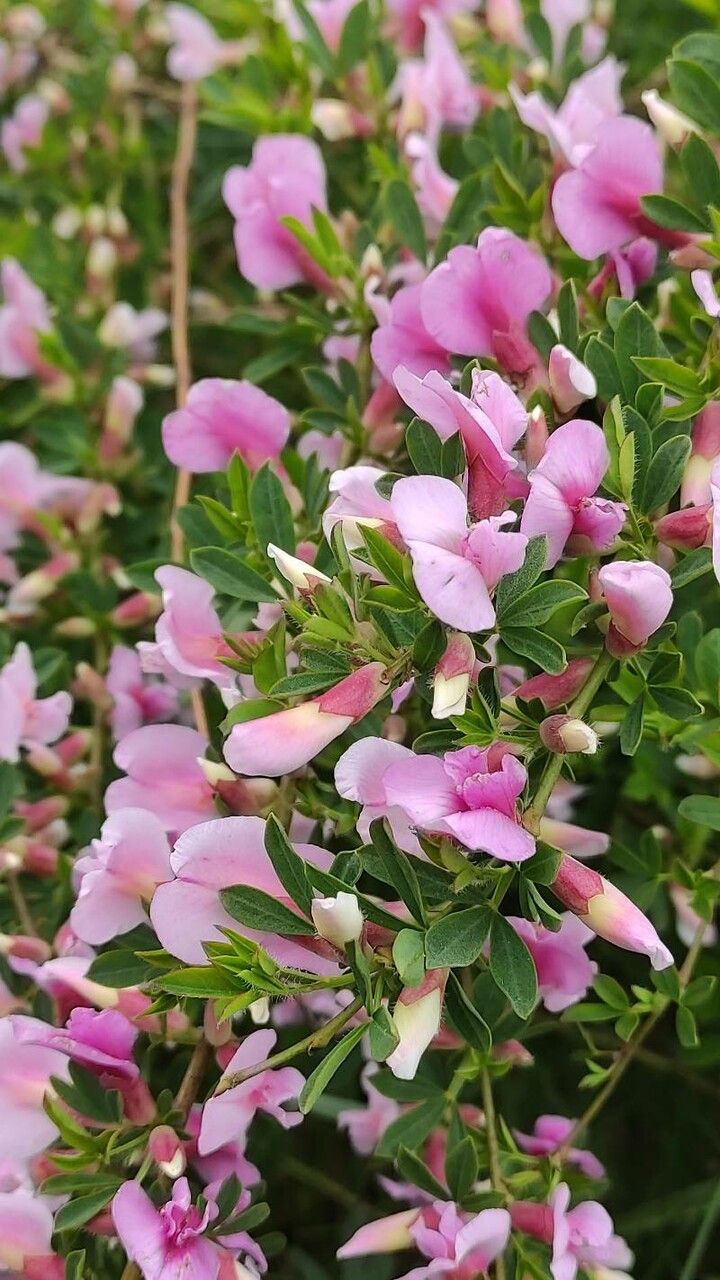
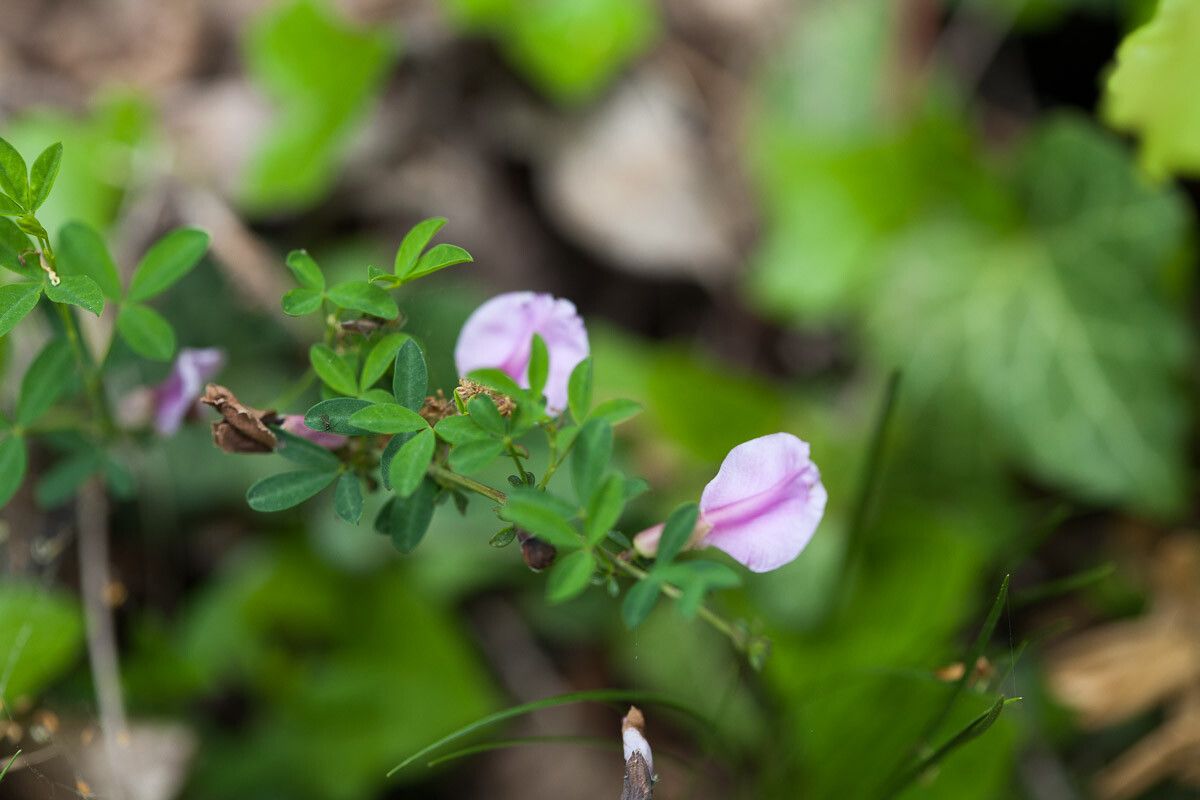
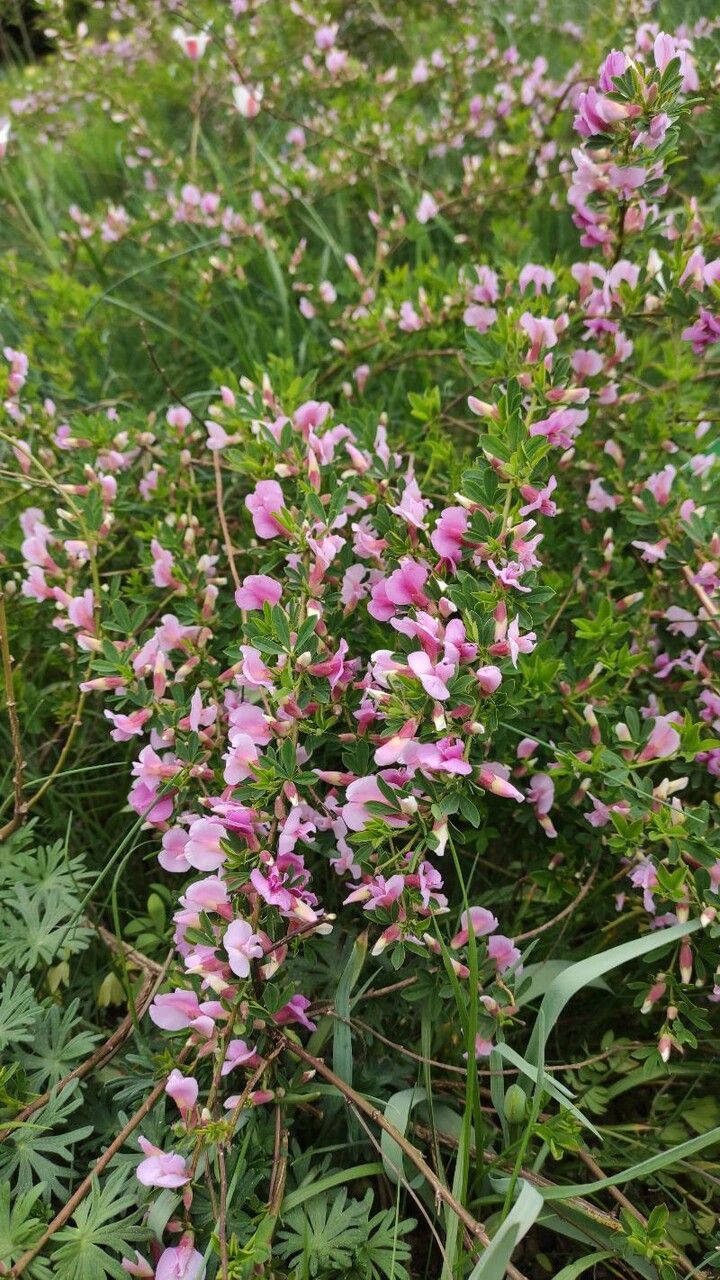
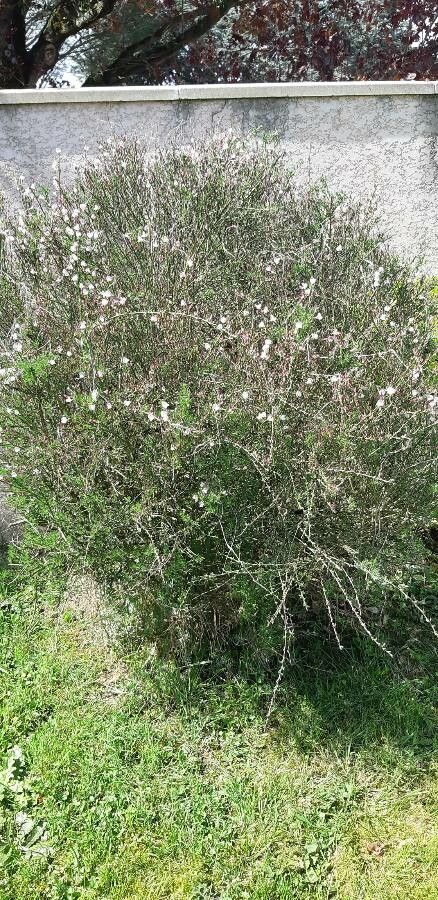
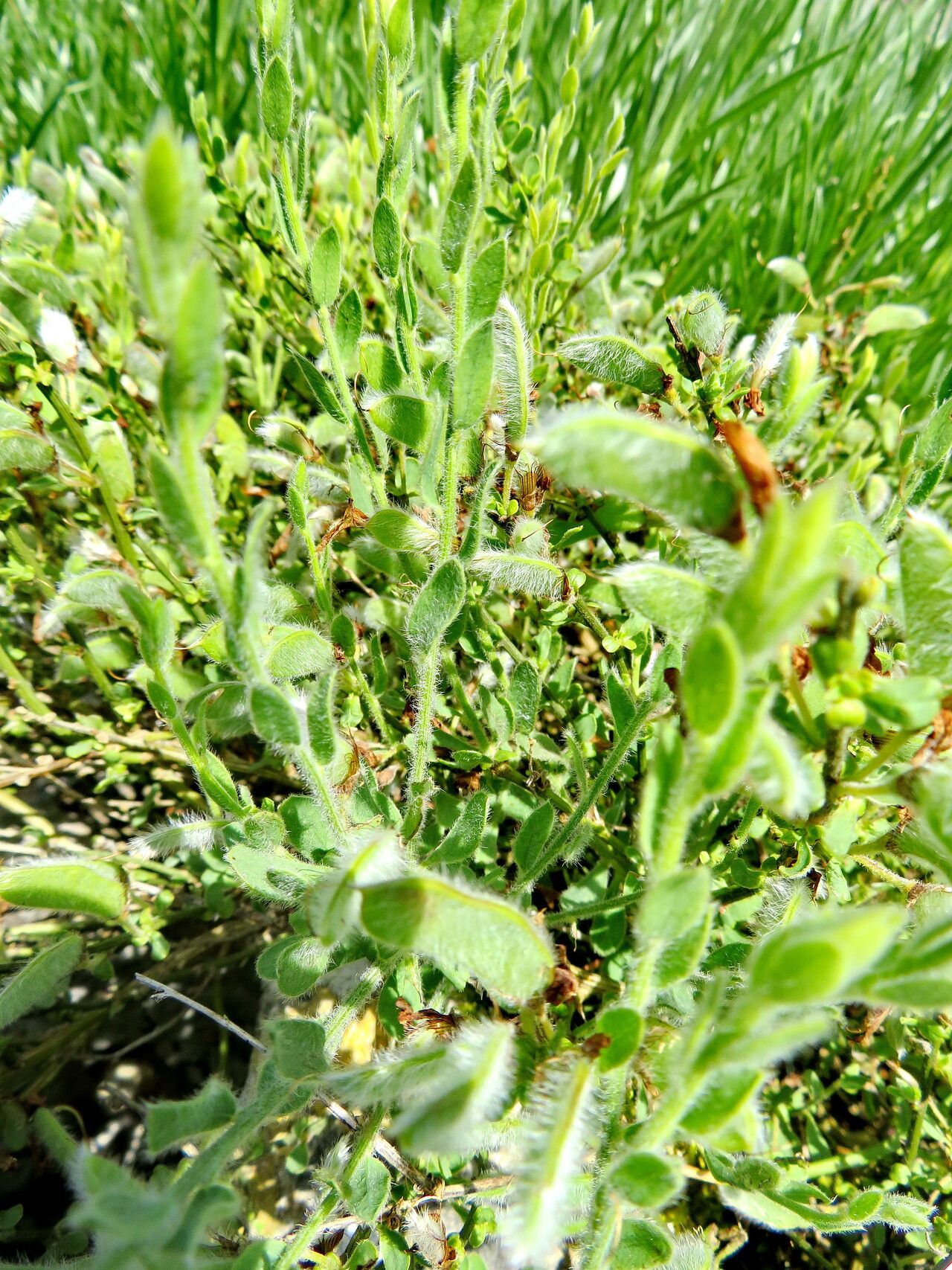
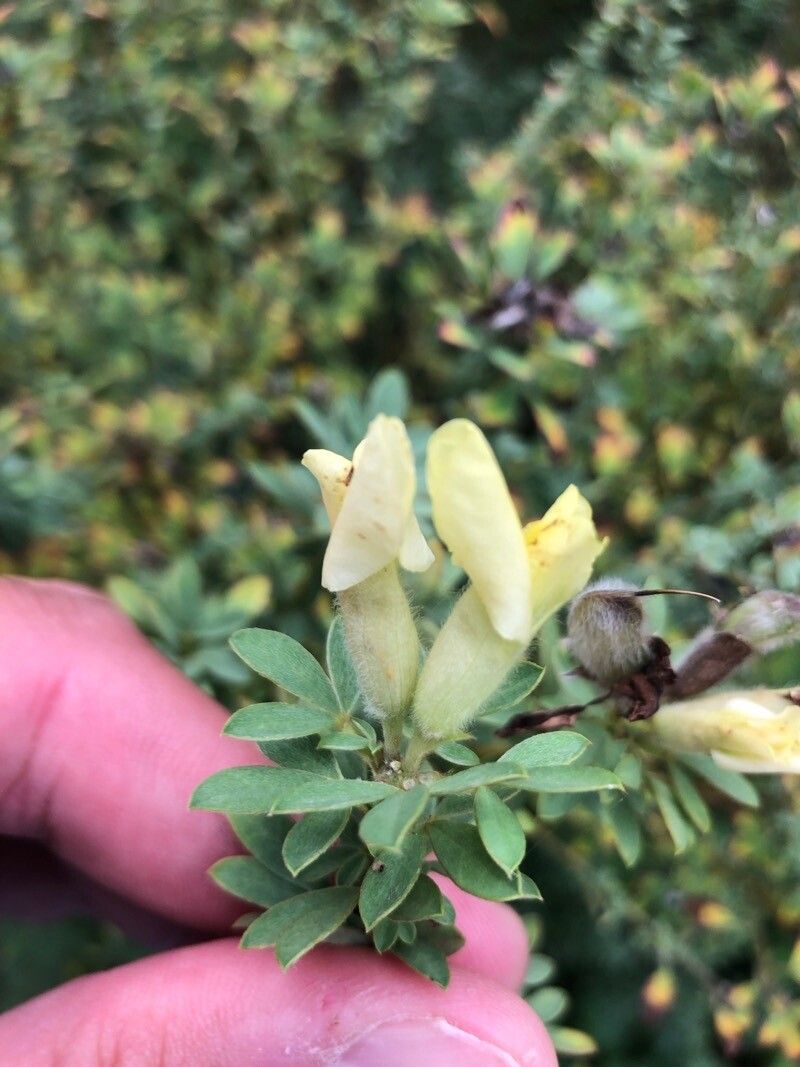
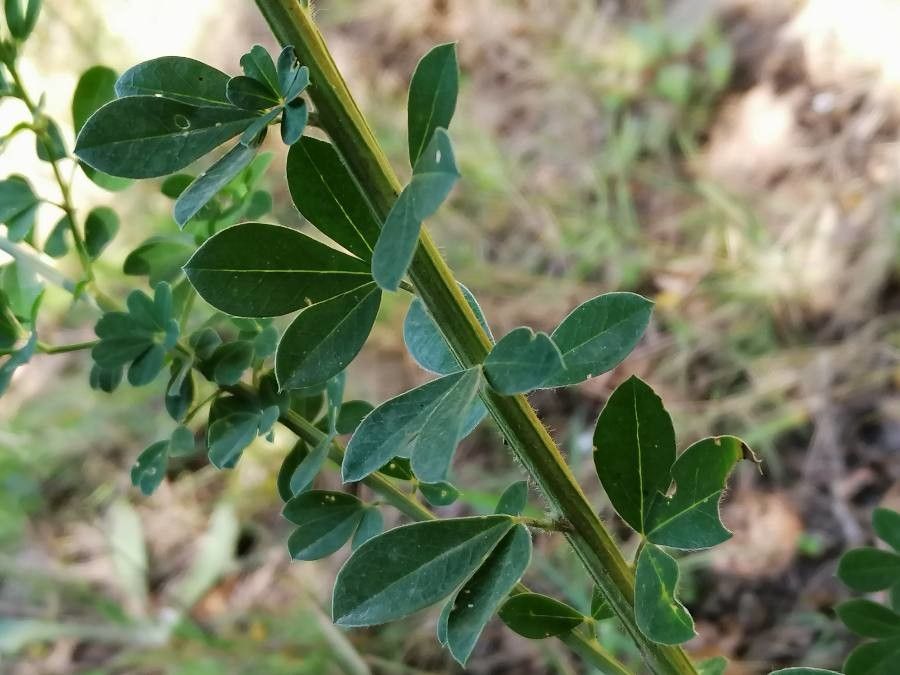
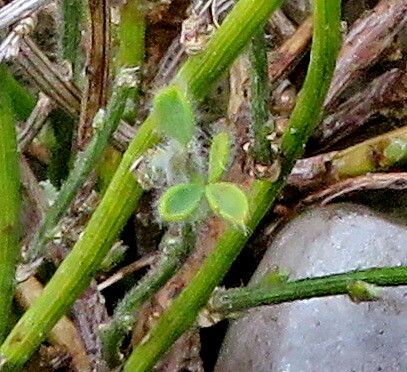
Chamaecytisus purpureus (syn. Cytisus purpureus), the purple broom, is a species of flowering plant in the family Fabaceae. It is native to the southern and southeastern Alps and the Dinaric Alps down to northern Albania, and it has been introduced to various locales in Europe and the Caucasus. It is available from commercial suppliers.
Purple broom is highly disease-resistant and usually not susceptible to illnesses. Regarding care, this plant is fairly low-maintenance. When grown outdoors it needs minimal watering, and larger plants typically do not require pruning. Smaller plants, however, should be pruned after they have bloomed. Purple broomt is appropriate for anyone with an outdoor space, such as a garden or deck, and does not demand much care experience.
How to keep Cytisus Purpureus.
Light
Purple broom comes from open habitats like sunlit meadows and forest margins, where light is plentiful. It thrives in Full Sun but will also tolerate Partial Sun, adapting well to a range of light conditions.
Water
Native to moderate climates, purple broom thrives best in conditions that mimic its natural habitat. It prefers consistent moisture and requires watering twice a week, although it can tolerate brief dry spells. This resilient plant flourishes outdoors in temperate zones, adapting well to varying rainfall patterns.
Temperature
Purple broom shows strong adaptability to a variety of climate conditions, from blazing summers to frosty winters. Still, it has an ideal temperature range for healthy growth. If temperatures climb too high, the plant is susceptible to heat and humidity stress, which can cause it to die. In areas where temperatures near the lower limit of its cold tolerance, taking steps to insulate and protect the plant is necessary.
Fertilizer
The timing of fertilizing Purple broom is important. Apply fertilizer in early spring and continue monthly until early summer. Fertilizer encourages attractive blooms and supplies energy during both dormant and active growth periods.
Pruning
Purple broom displays vibrant purple flowers and benefits from early spring pruning before new growth begins. Trim back any dead or diseased branches, as light pruning encourages denser blooms. Be careful not to cut into old wood, and make sure to prune regularly to improve air circulation and light penetration.
Botanical profile.
- Plant Type
- Shrub
- Life Cycle
- Perennial
- Genus
- Cytisus
- Family
- Leguminosae
- Hardiness Zone
- 5-9
- Mature Height
- 49 cm
- Mature Spread
- 61 cm
- Leaf Color
- Green
- Leaf Type
- Deciduous
- Flower Color
- Purple
- Flower Size
- 1.52 cm to 2.03 cm
- Bloom Time
- Mid spring, Late spring, Early summer
- Planting Time
- Spring, Summer
- Harvest Time
- Mid summer, Late summer, Early fall
- Native Area
- Austria, Italy, Albania, Croatia, Slovenia
Other names.
Reader questions.
What are the sunlight requirements for Purple broom (Cytisus purpureus)?
Purple broom (Cytisus purpureus) thrives in conditions that meet specific sunlight requirements. Ideally, it should receive full sun, which means the plant should be exposed to more than 6 hours of sunlight daily. However, it can also tolerate partial sun, defined as about 3-6 hours of sunlight each day. It's important to observe how sunlight moves through your garden throughout the day. Choosing locations that offer a perfect balance of light and shade will ensure the happiness and health of your Purple broom plants. Remember, the right amount of sunlight is key to their growth and flowering.