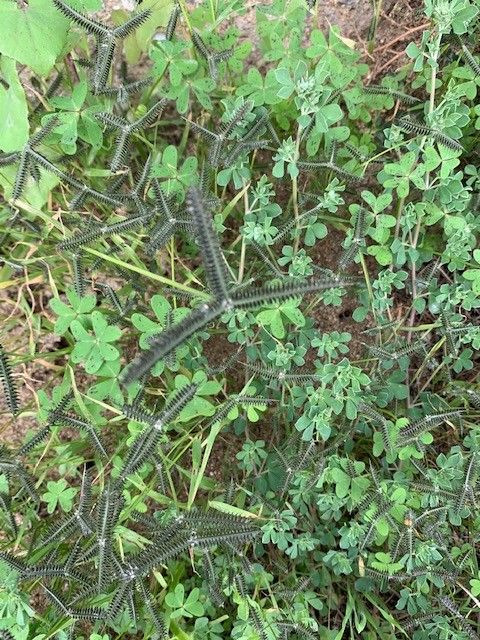
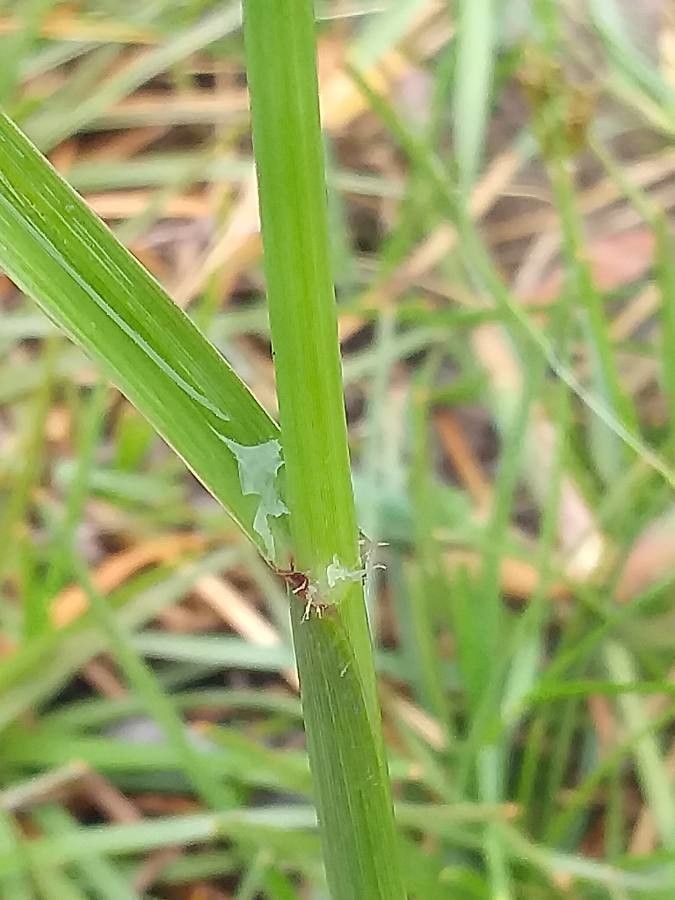
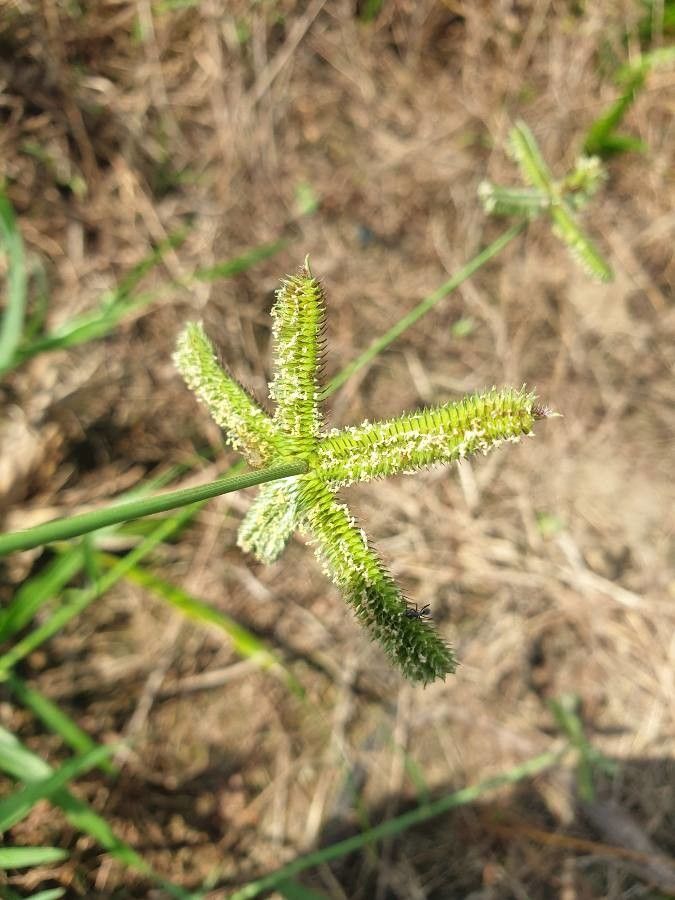
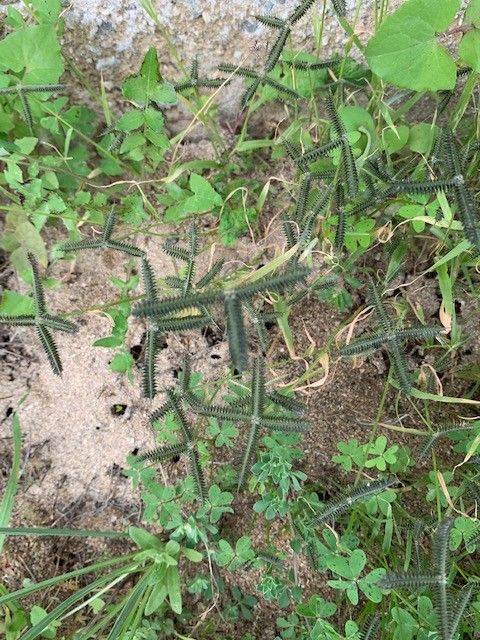
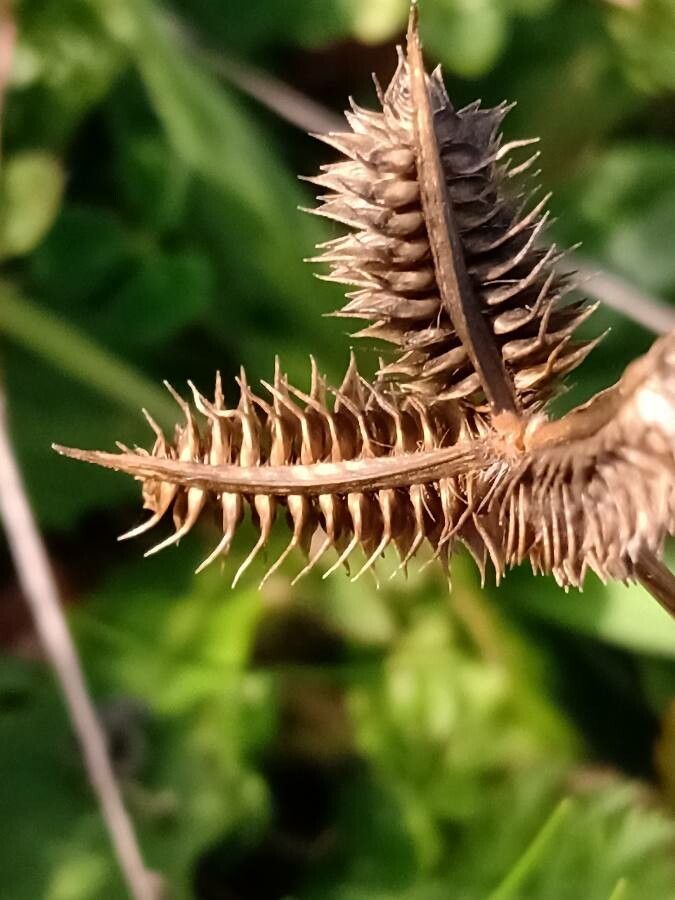
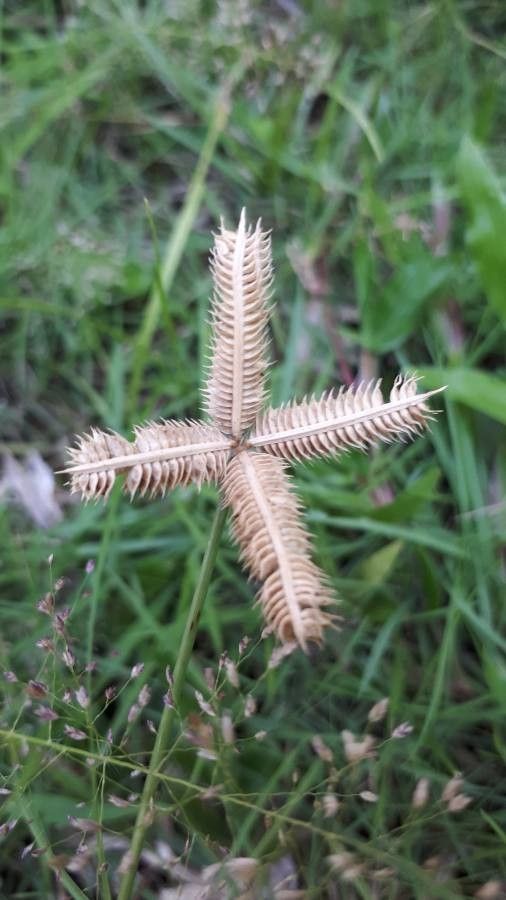
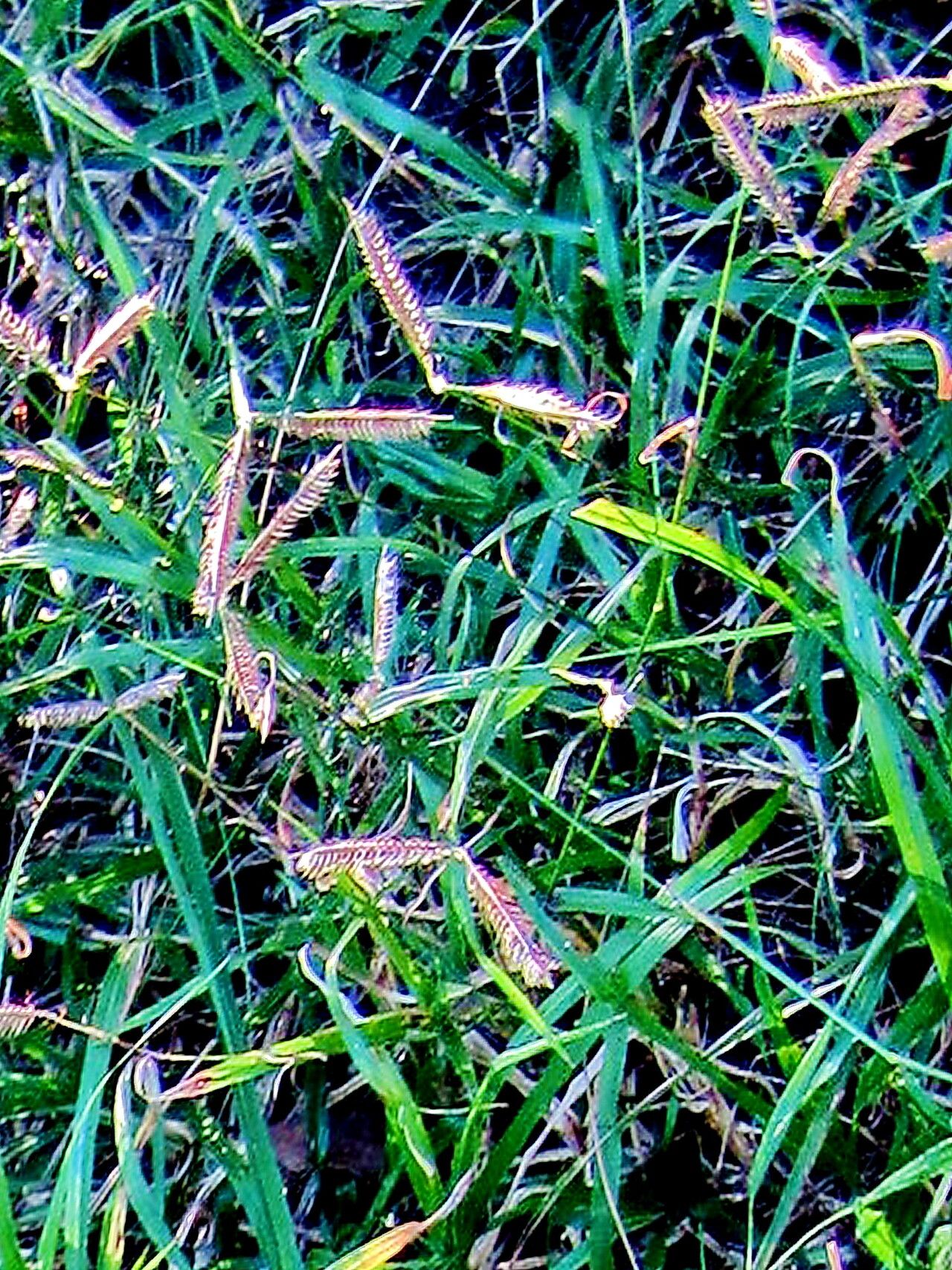
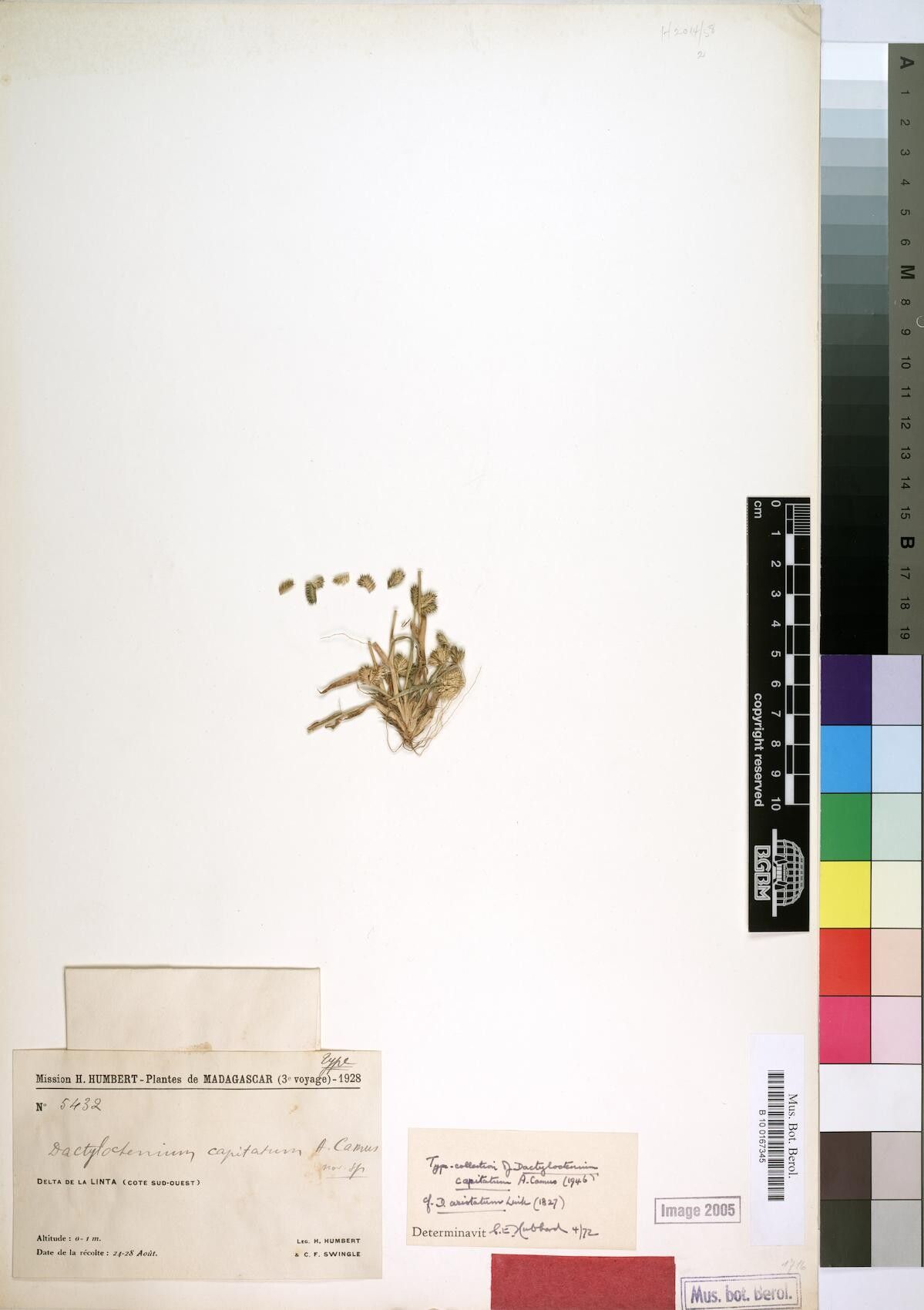
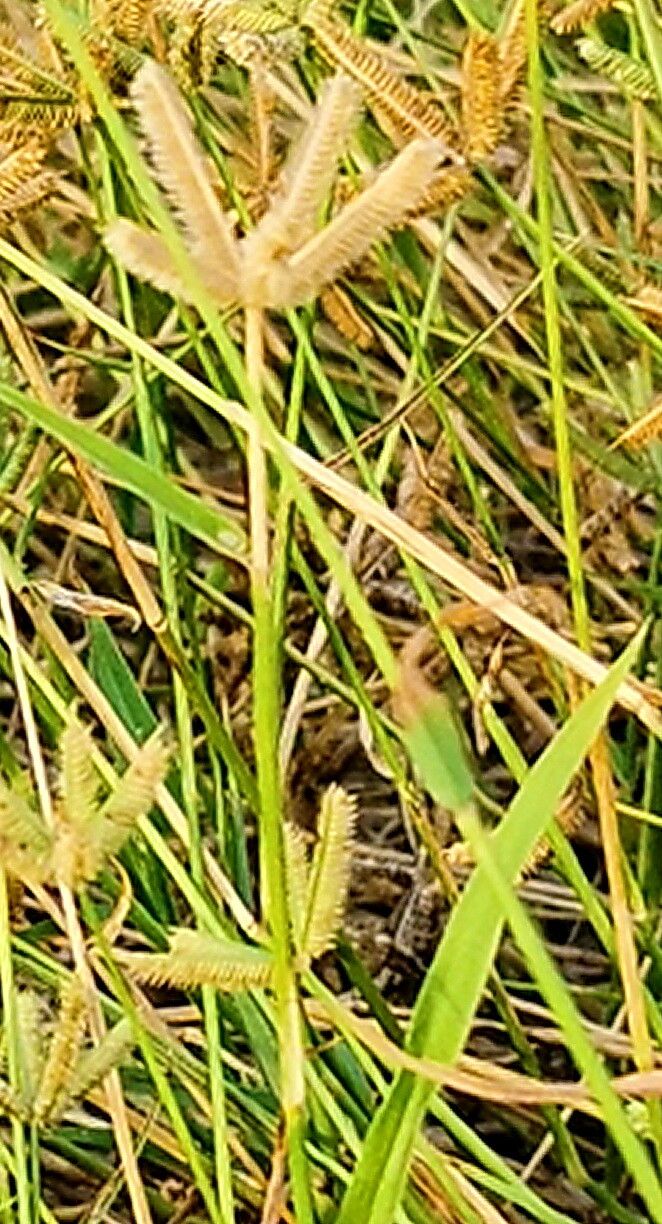
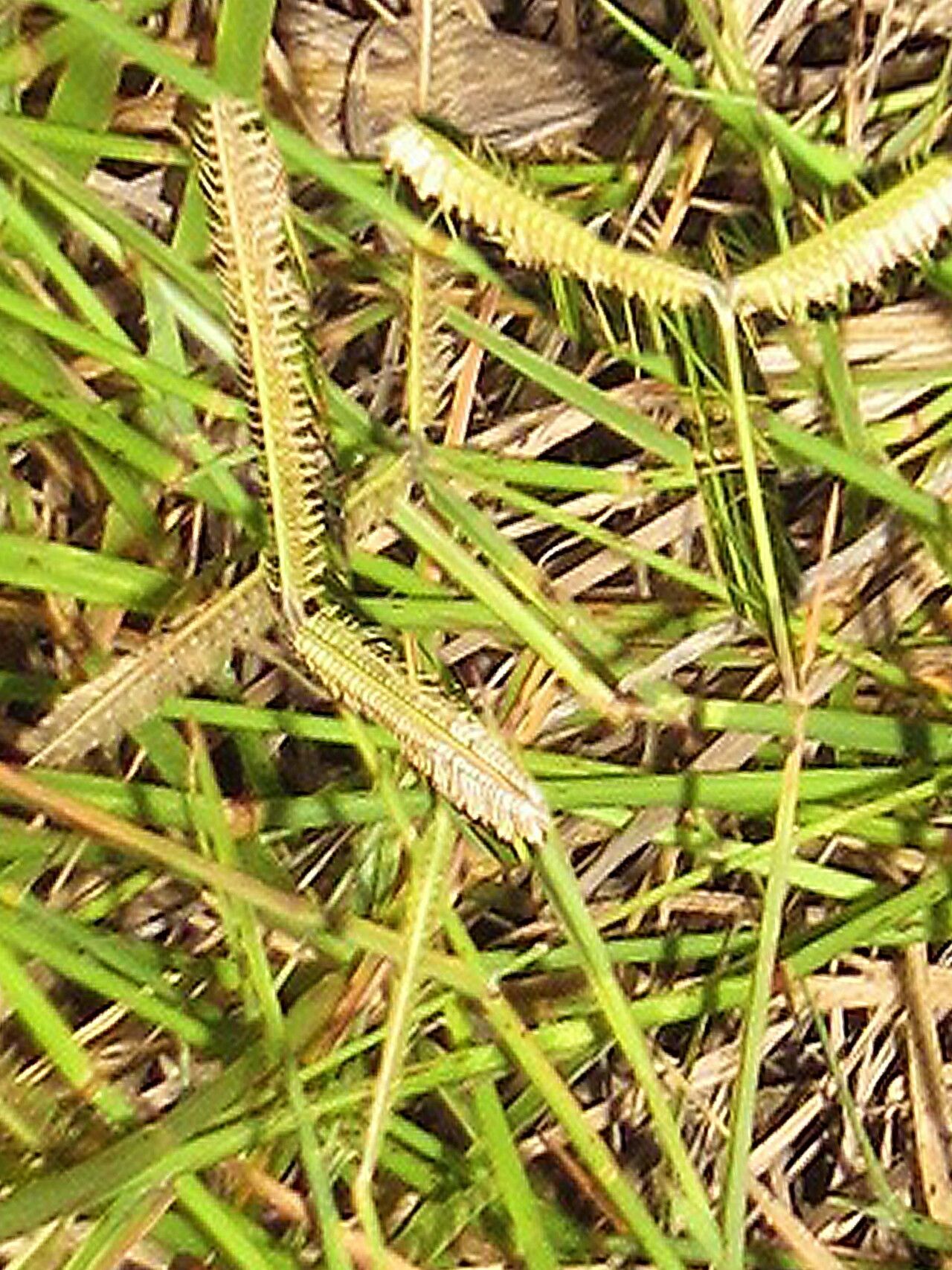
Dactyloctenium aegyptium, or Egyptian crowfoot grass is a member of the family Poaceae native in Africa. The plant mostly grows in heavy soils at damp sites.
Egyptian grass has good resistance to disease and is generally not prone to illnesses. Still, it can be vulnerable to pests and diseases present in its environment. Such infections are typically not severe. For care, this plant requires a moderate level of maintenance. It should be pruned regularly to preserve a tidy appearance and support healthy growth. Fertilizing can also encourage flowering. Egyptian grass is well suited for anyone with an outdoor area, such as a garden or patio, and does not demand extensive care experience. It may need more attention when cultivated indoors.
How to keep Dactyloctenium Aegyptium.
Light
Egyptian grass needs plenty of light to grow healthily and does best in locations where the sun is steady and unblocked. It can tolerate situations with somewhat reduced sun exposure. Both too much and too little light can result in stunted growth or cause the plant to wither.
Water
Egyptian grass is well-suited for arid regions, as it exhibits strong drought resistance and excellent water retention. To encourage optimal growth, it requires watering once a week, which mimics the sporadic rainfall it experiences in its natural environment. As an outdoor grass, its growth is most vigorous during rainy seasons, which subsequently influences its watering requirements and growth cycles.
Humidity
This plant will thrive in moderate humidity, which is probably the level in your home. However, misting it a few times a week can be very beneficial. Make sure the room has good ventilation.
Temperature
Egyptian grass grows best in temperatures between 68 and 100 °F (20 to 38 ℃), reflecting the conditions of its native habitat. Seasonal temperature adjustments may be required to reproduce this climate.
Fertilizer
Egyptian grass responds well to regular, light applications of fertilizer to encourage healthy leaf development. Apply fertilizer roughly once a month during the summer months. Nitrogen is important for the foliage, and adding nitrogen-rich sources helps Egyptian grass flourish.
Pruning
Egyptian grass is a tough, fast-growing plant that thrives when pruned from early to late spring. To encourage new growth and shape the plant, remove any dead stems, but be careful not to make heavy cuts that could cause shock. Using clean tools promotes quick healing and helps reduce the risk of disease.
Botanical profile.
- Plant Type
- Herb
- Life Cycle
- Annual
- Genus
- Dactyloctenium
- Family
- Poaceae
- Hardiness Zone
- 5-11
- Mature Height
- 15 cm to 61 cm
- Mature Spread
- 20 cm to 40 cm
- Leaf Color
- Green
- Leaf Type
- Semi-evergreen
- Flower Color
- White, Yellow, Green, Brown
- Flower Size
- 0.25 cm to 0.51 cm
- Bloom Time
- Summer, Early fall, Mid fall
- Planting Time
- Spring, Summer, Autumn
- Harvest Time
- Mid summer, Late summer, Fall
- Native Area
- Sri Lanka, Libya, Burkina Faso, Turkey, India, United Arab Emirates, Madagascar, Pakistan, Nigeria, Guinea-Bissau, Uganda, Tanzania, Benin, Sierra Leone, Indonesia, Cameroon, Mozambique, Ethiopia, Central African Republic, Saudi Arabia, Malawi, Tunisia, Philippines, Bangladesh, Laos, Chad, Lebanon, China, Afghanistan, Kazakhstan, Japan, Togo, Senegal, Eswatini, Iran, Côte d'Ivoire, Kuwait, Gambia, Congo (DRC), Djibouti, Somalia, Egypt, Angola, Malaysia, Namibia, Rwanda, Eritrea, Yemen, Kenya, Niger, Zimbabwe, Mali, Iraq, Cambodia, Equatorial Guinea, Liberia, Burundi, Oman, Ghana, Qatar, Botswana, Congo, Nepal, South Africa, Zambia, Sudan, Mauritania, Guinea, Vietnam, Myanmar, Israel, Bhutan, Singapore, Algeria, Thailand, Gabon
Other names.
Reader questions.
How should I water my Egyptian grass?
There are various ways to water Egyptian grass, including using a garden hose with a spray nozzle or a watering can. It isn't too particular about the type of water it receives, so rainwater, tap water, or filtered water will suffice. It's best to avoid watering from above as this can cause damage to leaves and flowers and potentially lead to disease. A drip irrigation system is a recommended method for watering Egyptian grass as it ensures even and direct application to the soil. For container-grown Egyptian grass, the same watering approach can be used with tools like a cup, watering can, or tap to directly water the soil.
What are the sunlight requirements for Egyptian grass?
Egyptian grass requires full sun, meaning it thrives best with above 6 hours of sunlight per day. However, it can also grow in partial sun, with about 3-6 hours of sunlight. It's important to observe the movement of sunlight in your garden to ensure your plants receive the right balance of light and shade for optimum growth.
What are the ideal temperature conditions for growing Egyptian grass?
Egyptian grass, scientifically known as Dactyloctenium aegyptium, thrives in a temperature range between 68 to 100°F (20 to 38°C). This range is indicative of its native environment, suggesting that seasonal temperature adjustments might be necessary to mimic this climate. The plant also demonstrates a strong resistance to cold, generally not requiring special frost protection measures during winter. However, it's important to provide cold protection if the winter temperatures are expected to drop below -25°C. This can involve covering the plant with soil or straw and watering it abundantly before the first freeze in autumn to keep the soil moist and prevent drought and water scarcity during winter and early spring.
If I give my Egyptian grass too much or too little water, what should I do?
To remedy underwatering Egyptian grass, simply water it more regularly when you notice it's lacking moisture. Overwatering, on the other hand, can be a serious problem that may go unnoticed. Overwatered grass can contract diseases and eventually die. To prevent this, choose a growing location with plenty of sunlight to dry the soil and good drainage to avoid waterlogged soil. If you overwater grass in a pot, consider changing it to a new pot with better drainage and loose soil.
What essentials do I need to know for growing Egyptian grass successfully?
Growing Egyptian grass successfully requires understanding its light needs. This plant flourishes in ample sunlight and can endure some limitations in sun exposure. Both too much and too little light can adversely affect its growth. Additionally, for indoor plants, artificial lighting can be crucial. Using the right type of artificial light, such as LED lights which can provide specific wavelengths needed by the plant, is essential. The amount of artificial light varies depending on the plant's natural sunlight needs, with full sun plants requiring 30-50W/sq ft, partial sun plants 20-30W/sq ft, and full shade plants 10-20W/sq ft. Ensuring the artificial light is placed at the correct distance and for an appropriate duration mimicking natural daylight hours, typically 8-12 hours per day, promotes healthier growth.
How does Egyptian grass react to low and high temperatures, and what are the solutions?
Egyptian grass shows a strong tolerance to cold and prefers temperatures above 20°C. During winter, temperatures should be kept above 0°C. If temperatures fall below -25°C, there might not be noticeable changes during winter, but there could be decreased sprouting or even no sprouting during springtime. To address this, remove any parts in spring that have failed to sprout. In contrast, during summer, it is best to keep the plant's surroundings below 38°C. Exceeding 43°C may cause the leaves to lighten in color, curl, become susceptible to sunburn, or in severe cases, lead to the entire plant wilting and drying. Solutions include trimming away sunburned and dried parts, moving the plant to a shaded location, or using a shade cloth to protect it from midday and afternoon sun. Additionally, watering the plant in the morning and evening helps keep the soil moist and supports the plant's health.
How frequently do I need to water my Egyptian grass?
When growing Egyptian grass, it is important to water it regularly throughout the growing season. In spring, watering once per week is sufficient. However, as the season progresses and temperatures rise, you may need to increase watering to two or three times per week. Be cautious not to exceed this rate, as it could harm the grass. Additionally, make sure the soil remains moist but not wet, regardless of the watering frequency. When growing Egyptian grass in a pot, you will need to water it more frequently compared to when it is grown in the ground. Potted grass tends to dry out quicker, so watering a few times per week is usually necessary. On the other hand, for in-ground plants, watering once per week is usually enough.
What are the symptoms of inadequate light for indoor Egyptian grass?
When Egyptian grass grows indoors with insufficient light, it may display various symptoms indicating light deficiency. These include the development of smaller new leaves, leggy or sparse growth leading to a thin and stretched appearance, faster leaf drop as a conservation measure, and slower or halted new growth altogether. Additionally, new leaves may appear lighter-colored or yellow (a condition known as chlorosis) due to the lack of chlorophyll, and the plant may experience sunscald, leaf curling, wilting, or leaf scorching as responses to varying light conditions.
How much water does my grass from Egypt need?
There are a few ways to decide how much water your Egyptian grass needs. Some gardeners determine the water volume by checking the soil's moisture. This method involves watering until the top six inches of soil feels moist. Another option is to use a specific measurement. Usually, Egyptian grass needs about two gallons of water per week, depending on heat and soil dryness. However, strictly following this guideline may overwater the plant if it actually requires less. When growing Egyptian grass in a container, a different method is necessary. You should water enough to moisten all dry soil layers. To check, stick your finger in the soil or water until you see a slight trickle of excess water draining from the pot's holes.
How can I address light-related issues for my Egyptian grass?
Addressing light-related issues in Egyptian grass involves several strategies, depending on whether the plant is grown indoors or outdoors, and the nature of the light obstruction. For indoor plants, progressively moving them to sunnier spots or using artificial lighting such as grow lights can help. Outdoor plants should be gradually transitioned to areas with better sunlight to prevent sunburn. Removing obstructions like overhanging branches can also increase sun exposure. If necessary, planting during the dormant period and ensuring good drainage can benefit the plant. It's crucial to remember that parts of the plant damaged by poor light conditions may not recover, but new growth should be healthy with improved light access.
How can I know if I am giving enough water to my Egyptian grass?
Avoiding overwatering Egyptian grass can be challenging due to the plant's deep roots, which need to be watered weekly. However, Egyptian grass is highly prone to root rot, which can lead to browning of the plants. Underwatering is less common for these grasses, as they can survive without regular watering. However, if they are deprived of water for too long, they may wilt and develop dry leaves.
How do I water my Egyptian grass throughout the year?
As the seasons change, the water needs of your Egyptian grass will also change. In spring, watering once per week should be sufficient. However, as the summer heat rolls in, you will need to increase the frequency of watering, possibly up to three times per week. This is especially important for Egyptian grass in containers, as the soil can dry out faster in warm weather. In autumn, when the temperature decreases and the sun is not as intense, your Egyptian grass may require less water as it continues to bloom.