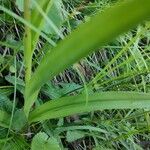
Dactylorhiza elata
Stately Dactylorhiza · Robust marsh orchid
Description
Source: leafsnapDactylorhiza elata, the robust marsh orchid, is a species of flowering plant in the family Orchidaceae, native to the western Mediterranean region (France (including Corsica), Sardinia, Spain, Portugal, Algeria, Morocco and Tunisia).Dactylorhiza elata is a tuberous herbaceous perennial growing to 50 cm (20 in), and producing dense 20 cm (8 in) spikes of purple flowers in spring.This plant has gained the Royal Horticultural Society's Award of Garden Merit (confirmed 2017).
Care Guide
💧 Water
The robust marsh orchid thrives in wetland habitats, where it requires high humidity and plenty of water. For optimal health, it is recommended to water it weekly. As an orchid species, the robust marsh orchid grows best outdoors, benefiting from natural rainfall and higher humidity levels.
☀️ Light Partial sun
Robust marsh orchid occurs naturally in habitats like forest understories or rocky locations, where it grows in natural shade. It prefers partial sun but can tolerate full sun or full shade, showing its versatile and hardy nature.
🌡️ Temperature 5–35°C
Robust marsh orchid can tolerate a wide range of temperatures, but its distribution may still be limited by different combinations of moisture and heat. It performs best in warm summer conditions with sufficient rainfall or watering. Extended periods of cloudy, rainy weather or sustained high temperatures can raise the likelihood of the Robust marsh orchid dying. In winter, proper protection against cold can increase the plant's survival rate.
💨 Humidity
🪴 Soil 6-7
🌱 Fertilizer
The best time to fertilize a Robust marsh orchid is in early spring, when it is coming out of dormancy and starting active growth. Fertilization supplies essential nutrients for healthy development. Although the Robust marsh orchid has relatively low fertilizer requirements, fertilizing annually can improve its survival and encourage better, longer-lasting flowers.
🪴 Pot & Repot
✂️ Pruning
The robust marsh orchid is a distinctive plant known for its tall spikes of pink-purple flowers. To promote healthy growth and more blooms, prune it in early spring to remove any dead leaves and old flower spikes. Be sure to use sterilized tools and make your cuts just above the pseudobulb to maintain the plant's health and shape.
🌿 Propagating
🐛 Diseases & pets
☠️ Toxicity
Characteristics
- Plant Type
- Herb
- Life Cycle
- Perennial
- Genus
- Dactylorhiza
- Family
- Orchidaceae
- Hardiness Zone
- 5-9
- Mature Height
- 91 cm
- Mature Spread
- 25 cm
- Leaf Color
- Green
- Leaf Type
- Deciduous
- Flower Color
- Purple, Lavender
- Flower Size
- 2.03 cm to 3.05 cm
- Bloom Time
- Early summer, Mid summer
- Planting Time
- Spring, Autumn
- Harvest Time
- Late summer, Early fall