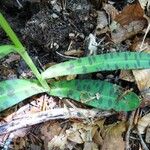
Dactylorhiza fuchsii
Common Spotted-orchid · Fuch's Orchid
Description
Source: leafsnapDactylorhiza fuchsii, the common spotted orchid, is a species of flowering plant in the orchid family Orchidaceae. Dactylorhiza fuchsii is one of Europe's commonest wild orchids. It is widespread across much of Europe, with the range extending eastward into Siberia, Mongolia and Xinjiang. The species is also reportedly naturalised in the Canadian Province of Ontario.Dactylorhiza fuchsii is a herbaceous perennial plant ranging from 10 to 60 centimetres (5 to 25 in) in height. The inflorescence is a dense-flowered spike, produced in June–August, that is at first conical then cylindrical. The flower colour can vary from white to pale purple with purple spots, a symmetrical pattern of dark purple loops or dots and dashes. The lip has three lobes. The bracts are usually shorter than the flower. The lip is smaller than that of the very similar Dactylorhiza maculata and has three deeper cuts. The middle lobe is more than half as large as a lateral lobe. Some colonies are highly perfumed, attractive to day-flying moths. The leaves are narrow lanceolate, keeled and often dark-spotted.
🌳 Although not commonly used in commercial products, the common spotted orchid is important to local ecosystems because it supplies nectar to a wide variety of pollinating insects. These include bees, butterflies, and other invertebrates that depend on the flowers for food and, in doing so, unintentionally help the plant reproduce through pollination.
Care Guide
💧 Water
The common spotted orchid flourishes in moist environments, needing consistent hydration and requiring watering each week. Being drought-sensitive, the orchid benefits from natural rainfall when grown outdoors, which aligns with its need for steady moisture during the active growing season in damp meadows and woodlands.
How should I water my Common spotted orchid?
The way you water your Common spotted orchid depends on whether it is actively growing or not. During active growth, water the soil and occasionally water from above if it's warm to allow the plant to absorb moisture through its leaves. In winter or when the weather is cool or wet, only water the soil directly and avoid overhead watering. Signs that your orchid needs more water include thin and dry roots and leaves or discoloration. Overwatering can make the plant look mushy and limp. To grow your orchid, use a pot with excellent drainage and a potting mix. During the growing season, water the plant several times a week, ensuring that each watering drains quickly to avoid standing water. The amount of water needed depends on the pot size, with larger pots needing less frequent watering and smaller pots needing more frequent watering. Using rainwater or distilled water at a similar temperature to the air is recommended.
What do I do if I give my Common spotted orchid too much water or too little water?
One of the most common ways to kill a Common spotted orchid is by allowing it to sit in excessively moist soil for too long. Although these plants require frequent watering during active growth, they also need a well-draining growing medium. Overwatering can result in the plant becoming mushy and developing root rot. In such cases, you should use sterile pruning shears to remove any rotted roots and then repot the orchid in a container with good drainage and fast-draining potting mix. However, excessive repotting may not be beneficial for the Common spotted orchid, so it is important to find the right balance of watering. An underwatered orchid will start to shrivel and feel dry to the touch. If this happens, it is likely because the soil is drying out faster than expected, indicating the need to increase the watering frequency.
How often do I need to water my Common spotted orchid?
To properly care for your Common spotted orchid, it's important to adjust your watering frequency according to the weather and season. During the active growth stage in spring and summer, water the orchid once or twice a week. If it's hot and dry, increase watering to three times a week or more. In winter, watering is necessary but less frequent. Watering two to three times a month should be sufficient to keep the orchid alive during the coldest months. Keep in mind that if you keep the orchid indoors during winter, the soil may dry out faster, so you may need to water more often. As fall approaches, gradually reduce the watering frequency from multiple times per week in summer to meet the reduced winter watering schedule.
What do I need to think about when watering my Common spotted orchid during different seasons and growth stages?
When planning the watering schedule for your Common spotted orchid, it's important to consider two key growth phases. The first phase, known as the active growth period, occurs in spring and summer. During this time, the plant requires frequent watering, typically multiple times per week. The second phase is the rest period, which occurs during winter for about two to three months. During this period, the Common spotted orchid needs significantly less water and fertilization compared to other times of the year. It is recommended to water the plant only once or twice per month during winter. To transition smoothly into the rest period, gradually decrease the watering frequency from multiple times per week in fall to the appropriate rate of once or twice per month.
How do I water my Common spotted orchid if I grow it inside?
The Common spotted orchid thrives in a relatively humid growing environment. However, indoor growing locations often lack the desired air moisture, causing the plant and its soil to dry out faster than when grown outdoors. To counteract this, consider using a humidifier in the room where you grow the orchid and increasing the frequency of watering. It's important to note that while the orchid prefers humidity, it also needs proper air circulation to prevent excessive moisture and potential diseases. To ensure sufficient air circulation, include a fan in the room where you grow the plant.
☀️ Light Partial sun
The common spotted orchid prefers locations with plentiful sunlight, but not overly intense light. Coming from environments with moderate sun, it can also tolerate spots with stronger exposure. Still, inadequate sunlight can restrict its growth, whereas too much can be harmful.
What are the sunlight requirements for the common spotted orchid?
The common spotted orchid thrives in conditions with generous sunlight but can also tolerate areas of stronger sunlight exposure. It typically requires partial to full sun, meaning it needs about 3-6 hours of sunlight for partial sun and above 6 hours of sunlight for full sun. However, too little sun may impede its growth, while excessive sunlight can be harmful. It's essential to observe how sunlight moves through your garden to ensure your plants receive the ideal balance of light and shade.
How can artificial lighting support the common spotted orchid's growth?
Indoor plants like the common spotted orchid need adequate lighting for optimal growth, especially in conditions where natural sunlight is insufficient. Artificial lights, such as LEDs, can be customized to provide specific wavelengths necessary for plant growth. For full sun plants, 30-50W per square foot is recommended, whereas partial sun plants need 20-30W, and full shade plants require 10-20W. The artificial light source should be placed 12-36 inches above the plant, mimicking natural sunlight. Most plants will benefit from 8-12 hours of light per day to replicate the duration of natural daylight.
What are the symptoms of light deficiency in the common spotted orchid?
When grown indoors with insufficient light, the common spotted orchid may exhibit symptoms such as smaller new leaves, leggy or sparse growth, faster leaf drop, slowed or halted growth, and lighter-colored or yellowing leaves (chlorosis). Excessive sunlight can also cause issues like sunscald, leaf curling, wilting, and leaf scorching, where leaves may appear pale, bleached, or have brown, dry edges. These symptoms indicate the plant's struggle to adapt to inadequate light conditions.
What solutions are available to address light deficiencies for the common spotted orchid?
To address light deficiencies, gradually acclimate the common spotted orchid to more sunlight by shifting it to sunnier spots each week until it receives the desired amount of direct sunlight. For plants that are large or not easily movable, consider using artificial light sources, such as desk lamps or professional plant grow lights, and leave them on for at least 8 hours daily. For outdoor plants, avoid sudden changes in light intensity to prevent sunburn. Pruning nearby trees and relocating smaller plants during their dormant period to sunnier locations can also help maximize sunlight exposure. While parts of the plant affected by insufficient light may not recover, new growth will be healthy with improved light conditions.
🌡️ Temperature 10–32.2°C
The common spotted orchid is naturally suited to temperatures from 50 to 90 °F (10 to 32 ℃). It performs best in its native growing conditions where temperatures lie within that range. Seasonally, ensure the common spotted orchid experiences cooler temperatures in winter and warmer temperatures in summer.
What are the ideal temperature conditions for a Common spotted orchid?
The Common spotted orchid thrives in temperatures ranging from 50 to 90 °F (10 to 32 °C). It has a strong cold resistance, making special frost protection measures unnecessary during winter in most cases. However, if temperatures are expected to drop below -25°C, precautionary measures such as covering the plant with soil or straw are recommended. To help prevent drought and water scarcity during winter and early spring, it is advisable to water the plant abundantly before the first freeze in autumn, ensuring the soil remains moist and enters a frozen state.
How does the Common spotted orchid react to low temperatures?
The Common spotted orchid is cold-tolerant, performing best when temperatures stay above 10°C. During winter, it's crucial to keep the temperature above -15°C to ensure the orchid's health. At temperatures falling below -25°C, there might not be noticeable changes during the winter; however, a decrease in sprouting or complete lack of sprouting can occur in spring. In such cases, removing parts that failed to sprout in spring is the recommended course of action.
What should I do if the Common spotted orchid experiences high temperatures?
During the summer, it's important to ensure that the temperature remains below 32°C for the Common spotted orchid. Exposure to temperatures above 35°C can result in the leaves becoming lighter, prone to curling, susceptible to sunburn, and in severe cases, lead to the wilting and drying of the entire plant. To combat this, you should trim away any sunburned and dried parts. Moving the plant to a shaded location or using a shade cloth to protect it from the midday and afternoon sun can help, as can watering the plant in the morning and evening to maintain soil moisture.
💨 Humidity
🪴 Soil 6-7
🌱 Fertilizer
The primary time to fertilize the Common spotted orchid is in early spring, when its flowers are developing. The appropriate fertilizer promotes stronger blooms and helps the Common spotted orchid produce attractive flowers. Fertilizing in early spring ensures good flowering during the season and supplies energy for dormant growth phases.
Why should I put fertilizer on my Common spotted orchid?
Fertilization is important for the Common spotted orchid for various reasons. A key benefit is that fertilization provides necessary nutrients for the plant's growth both above and below ground. Although the Common spotted orchid has relatively low fertilization needs, annual fertilization can greatly benefit the plant. It helps to keep the plant alive and may also improve flower quality and longevity. Therefore, for those interested in enhancing the appearance of their Common spotted orchid, regular annual fertilization is recommended.
When should I fertilize my Common spotted orchid?
The best time to fertilize a Common spotted orchid is in late winter to early spring. This is when the orchid is transitioning from dormancy to active growth. Fertilizing during this time will promote healthy growth and set the plant up for a successful season. While it's generally best to fertilize in early spring, it is also acceptable to fertilize in the fall. However, it's not recommended to fertilize during summer or winter.
When is the best time to not use fertilizer on my Common spotted orchid?
It is best to only fertilize your Common spotted orchid during late winter and early spring. This plant has low fertilization needs, so a single annual feeding is enough. Fertilizing throughout spring, summer, and fall can result in overfertilization and its associated complications. The exception is if you didn't fertilize in spring, then it's okay to feed the plant in fall. Additionally, there is no need to fertilize this plant during winter when it is in a dormant growth phase and not producing new growth. Fertilizing during most of winter is not recommended.
Which fertilizer should I use for my Common spotted orchid?
For a Common spotted orchid, any general-purpose fertilizer containing balanced amounts of the three main plant nutrients will work well. However, there are specific nutrient blends that can offer even greater benefits. Some gardeners believe that higher levels of phosphorus lead to stronger roots and better flowers. As the Common spotted orchid is a flowering plant, using a fertilizer rich in phosphorus may be the best approach. Whether in granular or liquid form, it's essential to ensure that the fertilizer contains ample nutrients. In addition to manufactured fertilizers, you can also enhance the soil for your Common spotted orchid using organic methods such as compost, manure, and similar materials. These organic materials can greatly contribute to creating a healthy growing medium for your orchid.
How do I give nutrients to my Common spotted orchid?
To fertilize a Common spotted orchid, the most common method is to use granular or pellet fertilizer applied to the soil around the plant. It's important to fertilize when the plant is transitioning from dormancy to active growth, typically in the early spring when shoots start emerging. However, some prefer using liquid fertilizer, in which case it should be diluted with water before application. Whether you choose granular or liquid fertilizer, it's crucial to moisten the soil before, during, and after applying the fertilizer.
🪴 Pot & Repot
✂️ Pruning
To promote healthy growth in your common spotted orchid, prune it in early to late spring. Remove any spent flower spikes and damaged parts, and take care to avoid heavy pruning. Instead, make light, selective cuts to maintain the plant's shape and vigor. Proper pruning enhances blooming and overall health, ensuring a vibrant display during the growing season.
🌿 Propagating
🐛 Diseases & pets
☠️ Toxicity
Dactylorhiza fuchsii has no toxic effects reported.
Characteristics
- Plant Type
- Herb
- Life Cycle
- Perennial
- Genus
- Dactylorhiza
- Family
- Orchidaceae
- Hardiness Zone
- 6-8
- Mature Height
- 10 cm to 61 cm
- Mature Spread
- 15 cm to 20 cm
- Leaf Color
- Green, Purple
- Leaf Type
- Deciduous
- Flower Color
- Pink
- Flower Size
- 0.20 cm
- Bloom Time
- Mid summer
- Planting Time
- Autumn
- Harvest Time
- Mid summer