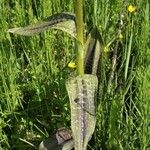
Dactylorhiza saccifera
Sack-carrying dactylorhiza · Wedge lipped Orchid
Care Guide
💧 Water
☀️ Light Partial sun
The wedge lipped orchid is native to habitats like forest understories and rocky areas, where it receives natural shade. It prefers partial sun but can adapt to full sun or full shade, showing its versatile and hardy nature.
🌡️ Temperature 5–35°C
Wedge-lipped orchid can tolerate a wide range of temperatures, but its distribution may still be restricted by specific combinations of moisture and heat. It grows best in warm summer climates with adequate rainfall or watering. Extended periods of cloudy, rainy weather or sustained high temperatures can raise the chance of the Wedge-lipped orchid dying. In winter, shielding it from cold can increase the plant's survival rate.
💨 Humidity
🪴 Soil 6-7
🌱 Fertilizer
One fertilizer application in spring is generally enough for the Wedge lipped orchid, but repeated feedings can maximize growth. Feed about once a month to every six weeks. Fertilization improves the leaves’ appearance and function, helping maintain even color and a healthy texture. It also encourages root development and enhances nutrient uptake for long-term plant health.
🪴 Pot & Repot
✂️ Pruning
To promote new blooms and prevent nutrient waste, promptly trim the wilted flowers of the wedge-lipped orchid once they have finished blooming. Additionally, remove any diseased leaves to improve air circulation, which can help reduce pests and diseases.
🌿 Propagating
🐛 Diseases & pets
☠️ Toxicity
Characteristics
- Plant Type
- Herb
- Life Cycle
- Perennial
- Genus
- Dactylorhiza
- Family
- Orchidaceae
- Hardiness Zone
- 5-9
- Mature Height
- 30 cm to 61 cm
- Mature Spread
- 15 cm to 30 cm
- Leaf Color
- Green, Dark Green
- Leaf Type
- Deciduous
- Flower Color
- Lavender
- Flower Size
- 1.02 cm to 2.03 cm
- Bloom Time
- Late spring, Early summer
- Planting Time
- Spring, Autumn
- Harvest Time
- Mid summer, Late summer