Dahlia imperialis
Tree dahlia · Bell tree dahlia · Giant dahlia
Description
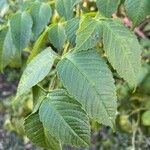
Source: leafsnapDahlia imperialis, commonly known as the tree dahlia, stands out as a tall and striking member of the Asteraceae family. Originating from Mexico and Central America, this plant is now widely cultivated around the globe for its ornamental appeal. It can grow up to 6 meters in height, featuring a woody stem that can reach up to 10 centimeters in diameter. The leaves of Dahlia imperialis are large and composed of smaller leaflets, giving them a fern-like appearance. The plant produces flowers on long stems that emerge from the top in late autumn or early winter, a time when most other plants have finished blooming. These flowers are large and eye-catching, with pink or white petals encircling a yellow center. While Dahlia imperialis thrives best in full sun, it can also tolerate partial shade and various soil types, provided the soil is well-draining. The plant requires regular watering during its growing season but should be allowed to dry out between waterings during its dormant period. Often grown for its impressive size and late-season blooms, the tree dahlia makes an excellent addition to any garden or landscape design, where it will undoubtedly make a significant impact.
💡 The bell tree dahlia features beautifully soft-pink flowers that can grow up to 20 centimeters across. This herbaceous plant has an unusual stem, resembling that of bamboo, despite the fact that the two plants are not related. Due to its unique stem, the bell tree dahlia requires protection from winds when planted in a garden setting.
Care Guide
💧 Water Every 7 days
The bell tree dahlia thrives in mountainous regions and requires moderate watering to mimic its natural rainfall patterns. To prevent waterlogging, it's important to water weekly and ensure the soil drains well. When cultivating outdoors, carefully managing water availability can enhance the flowering potential of the bell tree dahlia.
How should I water my Bell tree dahlia?
To properly water the Bell tree dahlia, it is recommended to use filtered water at room temperature. Tap water may have harmful particles. Additionally, it is important to avoid using cold water as it can shock the plant. Overhead watering should be avoided, as it can lead to problems with the foliage. Instead, water the plant by applying filtered room temperature water directly to the soil until it is completely soaked. This helps to keep the roots moist and allows them to spread and absorb nutrients effectively.
What should I do if I give my Bell tree dahlia too much or too little water?
Overwatering is more common and harmful for Bell tree dahlia plants. It causes wilting, yellowing, and can lead to diseases like root rot, mold, and mildew, which can be fatal. Underwatering is less likely, but can result in brittle, brown leaves. It's important to recognize the signs of overwatering early to prevent irreversible damage. Reduce watering if you notice early signs and consider improving soil drainage. If underwatering occurs, simply increase watering until the signs improve.
How frequently should I water my Bell tree dahlia?
If you have a potted Bell tree dahlia, the best way to know if it needs water is by checking the soil. Simply stick your finger into the soil and if the top two to three inches are dry, it's time to water it. The same method can be used if you have planted the Bell tree dahlia outdoors. Once the top few inches of soil have dried out, it's time to water. Typically, watering once a week is sufficient during spring and early fall, but during extremely hot weather, you may need to water twice a week or more. However, mature and well-established Bell tree dahlias have a remarkable ability to withstand drought.
How much water should I give my Bell tree dahlia?
When watering your Bell tree dahlia, don't hold back on the amount of water you give. Make sure the top two to three inches of soil are dry before watering, and then give it a good, thorough soaking. You'll want to add enough water to completely saturate the soil, ensuring that excess water flows out of the drainage holes at the bottom of the pot. If you don't see water draining out, it's likely that you haven't watered enough. However, be careful not to let the water accumulate in the soil, as this can harm the plant. On the other hand, if water is not draining properly through the pot, it may indicate that the soil doesn't drain well, which is not good for the plant's health. If you're growing the plant outside, about an inch of rain per week should be enough.
How should I water my Bell tree dahlia when it is small, medium, and big?
The water needs of the Bell tree dahlia can vary depending on its growth stages. In the early years or after transplanting, it requires more water. During these stages, the plant focuses on developing new roots for future growth, which require extra moisture. As the plant matures, it will require less water. Additionally, during the bloom period, the flower development requires more water, so it may need increased watering at that time.
☀️ Light Full sun
Bell tree dahlia does best in places that receive plenty of sunlight all day. It benefits from sunny conditions for healthy growth. However, it does not prefer shade. Too much shade can stunt its growth, while little to no shade can damage the plant.
What are the sunlight requirements for Bell tree dahlia?
The Bell tree dahlia thrives in locations that receive a generous amount of sunlight, requiring above 6 hours of sunlight daily for healthful growth. It is important to watch how sunlight moves through your garden and choose spots with the perfect balance of light and shade, as excessive shade can stunt its growth, while too little shade can cause damage. Artificial lighting can be used for indoor plants when natural sunlight is insufficient. LED lights are recommended, with a need for 30-50W/sq ft for full sun plants, and the light source should be placed 12-36 inches above the plant for 8-12 hours per day.
What are the symptoms of inadequate lighting for Bell tree dahlia?
Symptoms of light deficiency in Bell tree dahlia include small new leaves, leggy or sparse growth, faster leaf drop, halted growth or no new growth, and lighter-colored new leaves. Other signs can include chlorosis, where leaves lose their green color; sunscald, resulting in pale or necrotic areas on the plant; leaf curling as a defense against excessive sunlight; wilting due to loss of turgor pressure; and leaf scorching characterized by brown, dry edges on leaves. These symptoms occur when the plant is either underexposed or overexposed to sunlight.
How can I address light-related issues for Bell tree dahlia?
To ensure optimal growth for Bell tree dahlia facing light-related issues, gradually move the plant to a sunnier location until it receives at least 6 hours of sunlight. For indoor plants that are large or not easily movable, consider using a desk or ceiling lamp for at least 8 hours daily, or invest in professional plant grow lights. For outdoor plants, avoid sudden light intensity changes to prevent sunburn. If light obstruction is due to trees, prune them to allow sunlight through. For smaller plants, consider transplanting during their dormant period to a location with ample sunlight and good drainage. Note that parts of the plant affected by insufficient light may not recover, but new growth should be healthy with corrected light exposure.
🌡️ Temperature 15–35°C
Bell tree dahlia is native to warmer climates and therefore prefers temperatures between 68 and 95 °F (20 to 35 °C). Seasonal temperature adjustments may be required to replicate its natural environment.
What is the ideal temperature range for Bell tree dahlia?
The Bell tree dahlia, known botanically as Dahlia imperialis, thrives in warmer temperatures ideally between 68 to 95 °F (20 to 35 ℃). To ensure the plant's health, seasonal temperature adjustments might be required to emulate its natural habitat as closely as possible.
How does Bell tree dahlia handle cold weather?
Bell tree dahlia displays a moderate tolerance to cold weather, generally managing well without additional measures when temperatures are above 0°C. However, if temperatures are expected to drop below freezing, protective steps should be taken. This includes wrapping the plant in materials such as plastic film or fabric for cold protection, ensuring these measures are removed once temperatures rise to avoid any potential damage.
What should I do if my Bell tree dahlia is exposed to temperatures below -10°C?
If your Bell tree dahlia is exposed to temperatures below -10°C, you might notice the leaves drooping. Mildly affected plants can recover, but severely affected ones may have leaves that wilt and fall off. To assist in recovery and protection, trim off the frost-damaged parts, wrap the plant with non-woven fabric or cloth, and consider setting up a wind barrier to shield it from cold winds.
How can I protect my Bell tree dahlia from high temperatures?
During the hotter months, it's key to ensure the Bell tree dahlia does not remain in conditions exceeding 35°C. Beyond 41°C, the plant may show signs of stress, such as lighter leaf color, dry and withered leaf tips, curled leaves, and increased susceptibility to sunburn. To mitigate these issues, remove sunburned or dried parts, relocate the plant to a shaded area during peak sun hours, or use a shade cloth. Additionally, watering in the morning and evening helps keep the soil adequately moist.
💨 Humidity
🪴 Soil 6-7
🌱 Fertilizer
The best time to fertilize a Bell tree dahlia is in early spring, when it is coming out of dormancy and starting active growth. Fertilization supplies essential nutrients for healthy development. Although Bell tree dahlia has relatively modest fertilizer requirements, giving it fertilizer annually can improve its survival and encourage better, longer-lasting blooms.
Why should I put fertilizer on my Bell tree dahlia plant?
Fertilization is important for the Bell tree dahlia and other plants because it provides essential nutrients for growth. While the Bell tree dahlia's fertilization needs are generally low, annual fertilization can greatly benefit the plant. Not only does it help the plant survive, but it may also improve the quality and longevity of its flowers. Therefore, those who want their Bell tree dahlia to thrive should prioritize regular fertilization.
What is the ideal time to add fertilizer to my Bell tree dahlia plant?
The best time to fertilize a Bell tree dahlia is in late winter to early spring. This is when the plant is coming out of its dormant phase and starting to grow. Fertilizing at this time promotes healthy growth and sets the plant up for a successful season. Fertilizing in the fall is also an option, but it is not recommended to fertilize during summer or winter.
When is it not a good idea to fertilize my Bell tree dahlia?
To keep your Bell tree dahlia healthy, it's best to fertilize it only in late winter and early spring. This plant doesn't need much fertilizer, so one annual feeding is enough. If you continue fertilizing during spring, summer, and fall, it can easily be overfertilized, leading to problems. The only exception is if you skipped fertilizing in spring, then it's okay to feed it in fall. Also, there's no need to fertilize during winter because the Bell tree dahlia is in a dormant phase and won't have any new growth.
What kind of plant food does my Bell tree dahlia need?
To care for a Bell tree dahlia, any general-purpose fertilizer with a good balance of the main plant nutrients will work. However, some nutrient blends may be more beneficial. Many gardeners believe that a higher amount of phosphorus can result in stronger roots and better flowers, which is important for a flowering plant like the Bell tree dahlia. You can choose either granular or liquid fertilizers, as long as they provide sufficient nutrients. Additionally, you can enhance the soil for your Bell tree dahlia using organic methods such as compost and manure. These materials contribute to a healthy growing medium for your plant.
How do I add fertilizer to my Bell tree dahlia plant?
To fertilize a Bell tree dahlia, the most common method is to use a granular or pellet fertilizer. It's important to apply the fertilizer when the plant is transitioning from its winter dormant stage to active growth. This typically happens in early spring when shoots start emerging from the soil. If you prefer using liquid fertilizer, dilute it with water before applying. Remember to moisten the soil before, during, and after applying fertilizer, regardless of the type you choose.
🪴 Pot & Repot Every 12 months
To thrive, a bell tree dahlia needs excellent drainage in its pot. This is crucial for preventing root rot and promoting healthy growth.
✂️ Pruning
The bell tree dahlia is characterized by its tall, bamboo-like stems and large, vibrant flowers. Pruning the plant from early to late spring encourages new growth and improves air circulation. Additionally, removing spent flowers promotes longer blooming periods, enhancing the plant's health, appearance, and seasonal growth.
🌿 Propagating
🐛 Diseases & pets
☠️ Toxicity
Characteristics
- Plant Type
- Herb
- Life Cycle
- Perennial, Annual
- Genus
- Dahlia
- Family
- Asteraceae
- Hardiness Zone
- 8-10
- Mature Height
- 2.13 m to 10.06 m
- Mature Spread
- 1.52 m
- Leaf Color
- Green
- Leaf Type
- Deciduous
- Flower Color
- Lavender, Pink, White
- Flower Size
- 7.62 cm to 15.24 cm
- Bloom Time
- Fall, Winter
- Planting Time
- Spring
- Harvest Time
- Late fall, Early winter
- Native Area
- Colombia, Honduras, Mexico, Guatemala, El Salvador, Nicaragua, Costa Rica, Panama