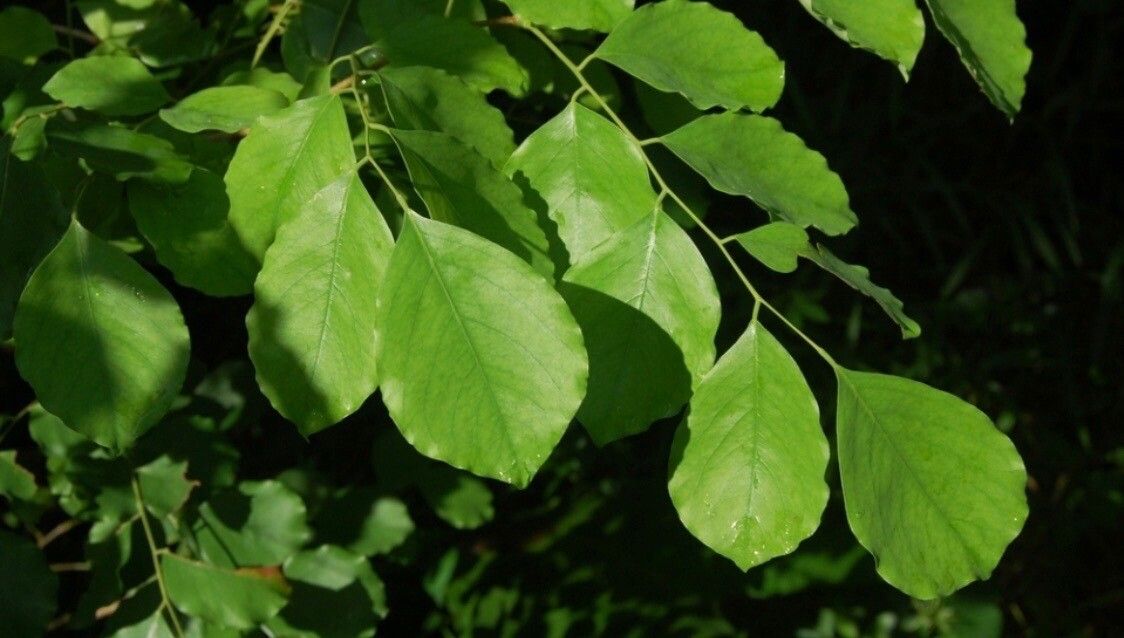
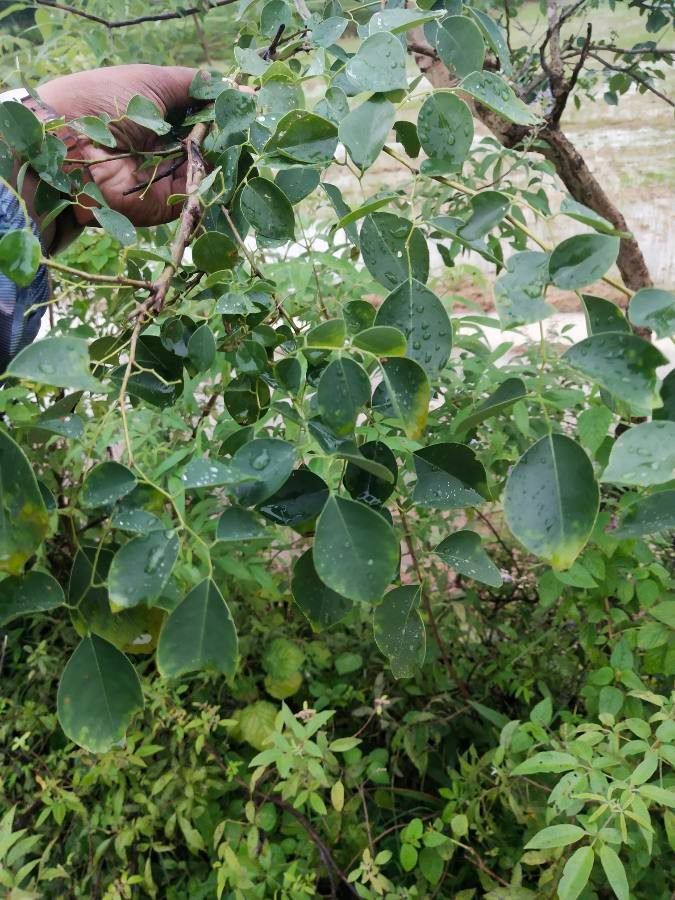
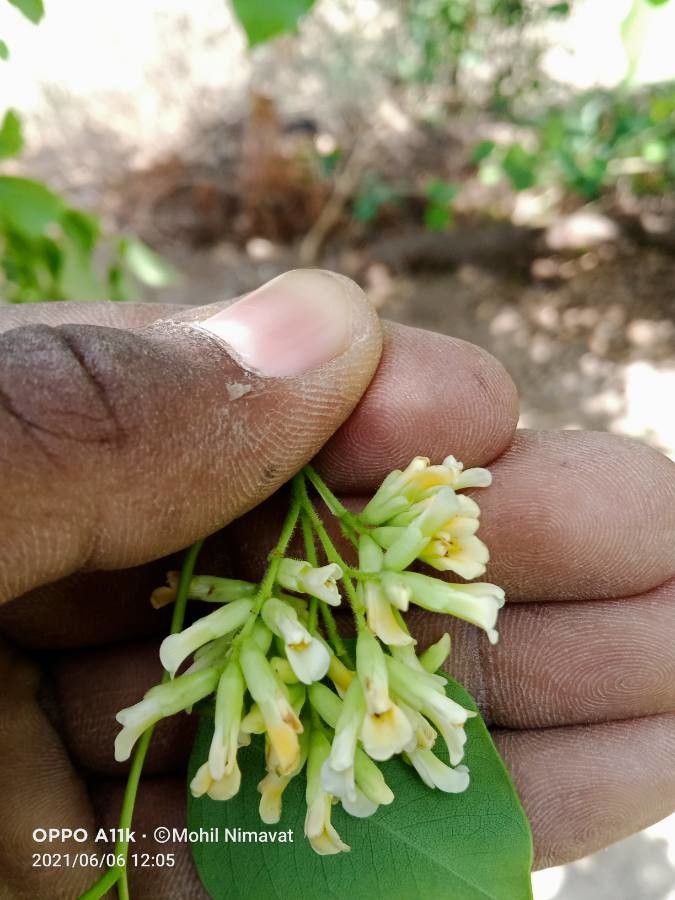
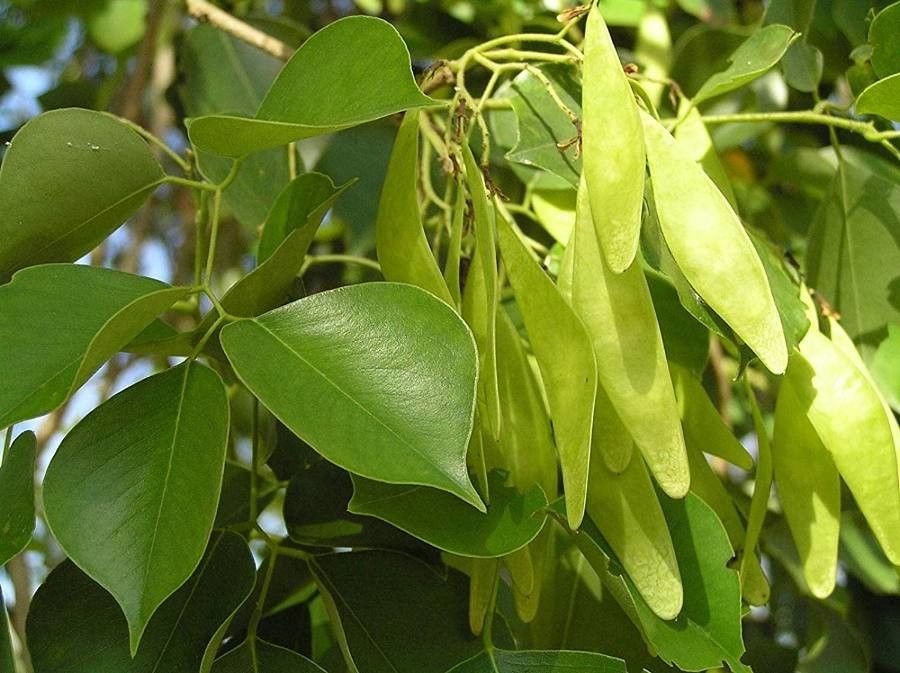
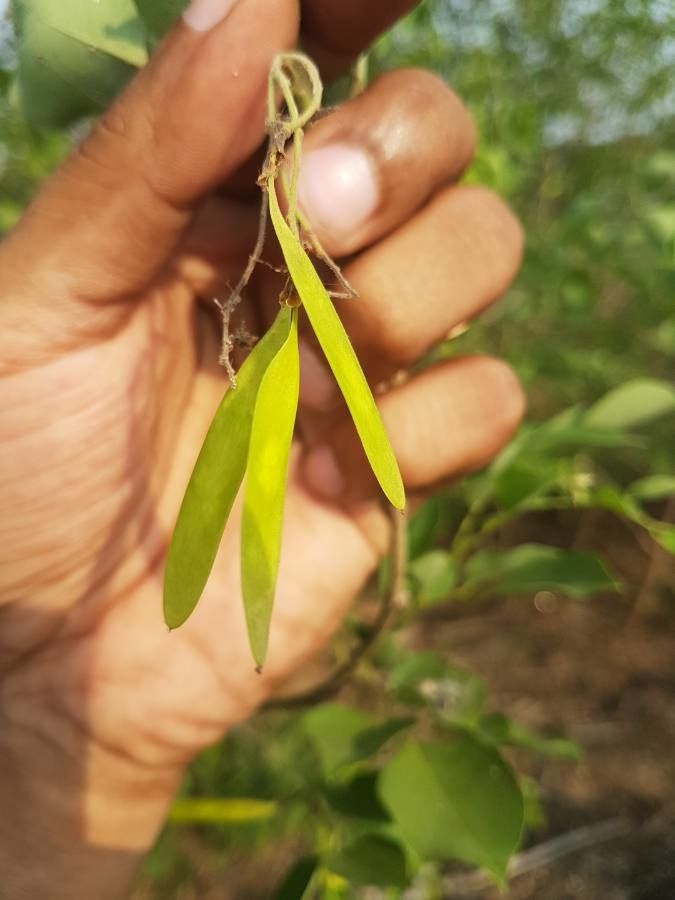
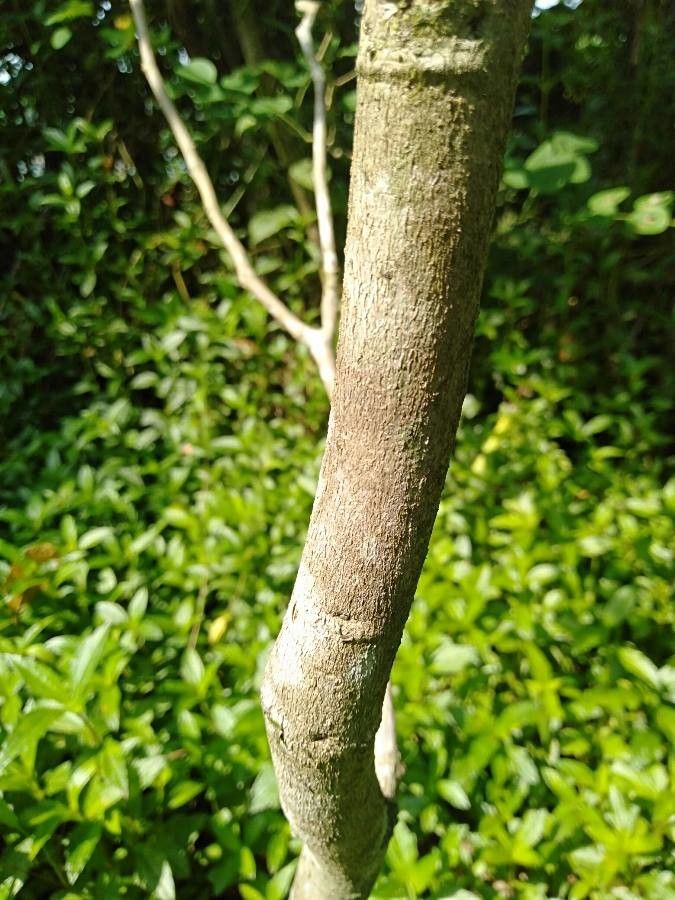
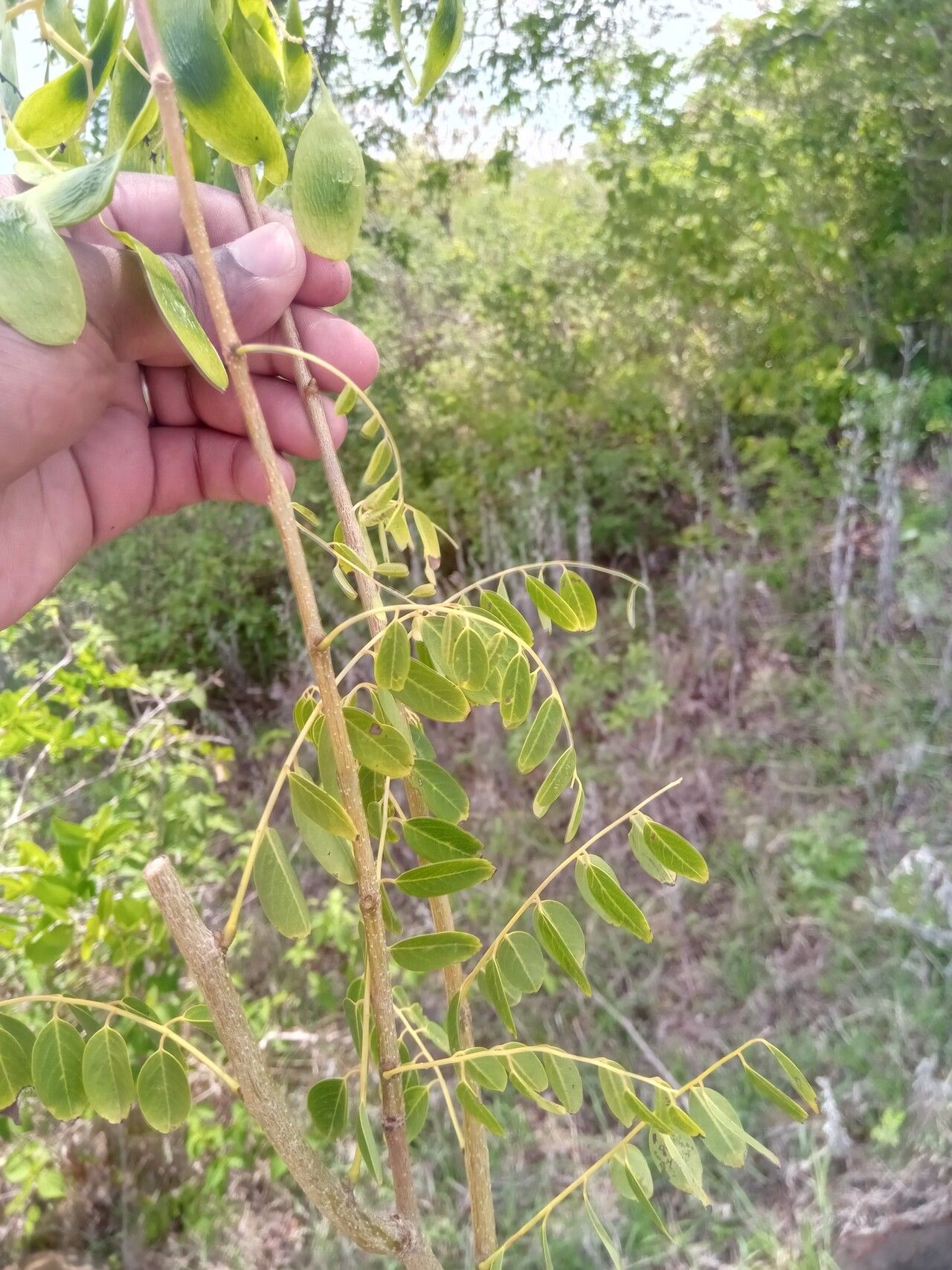
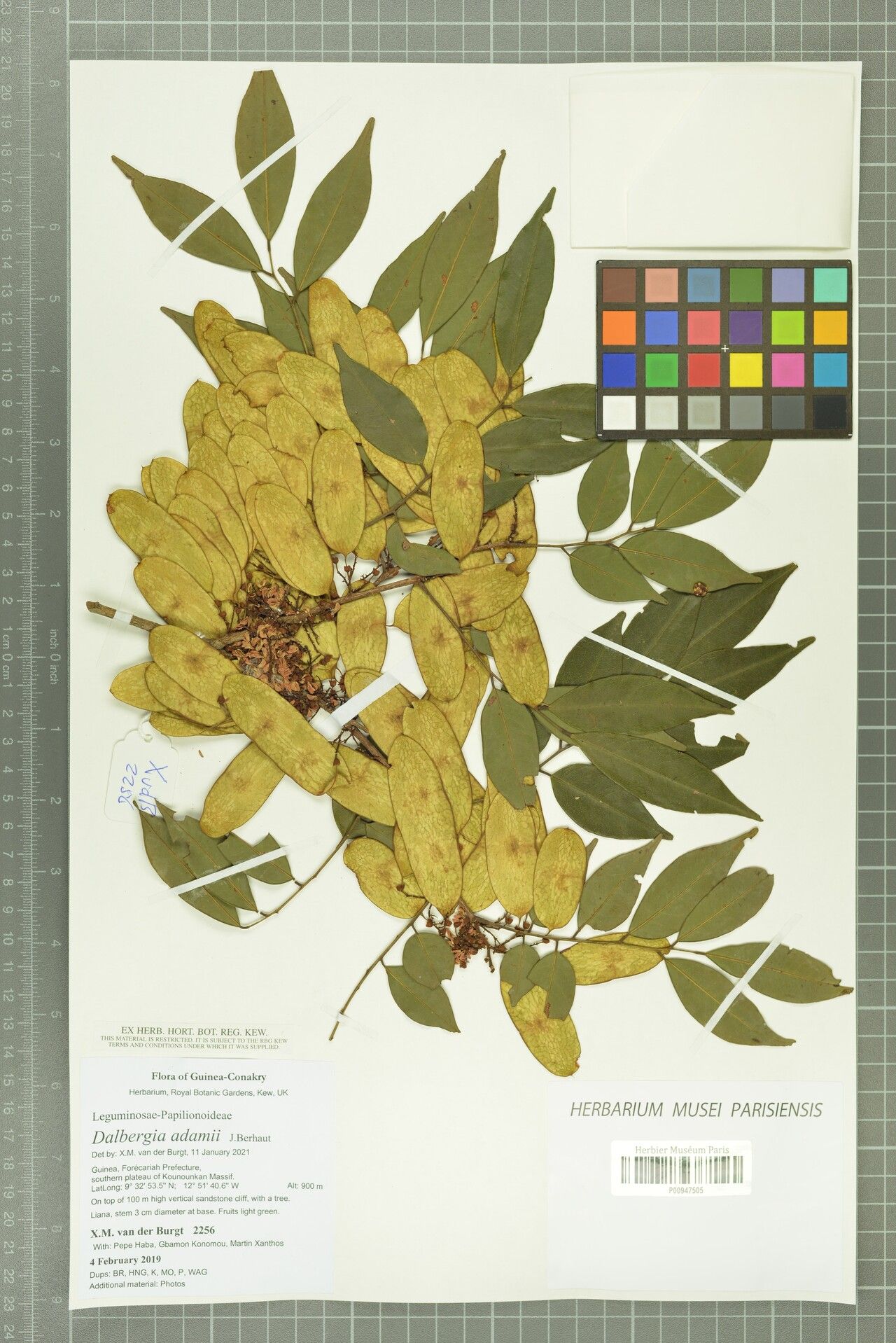
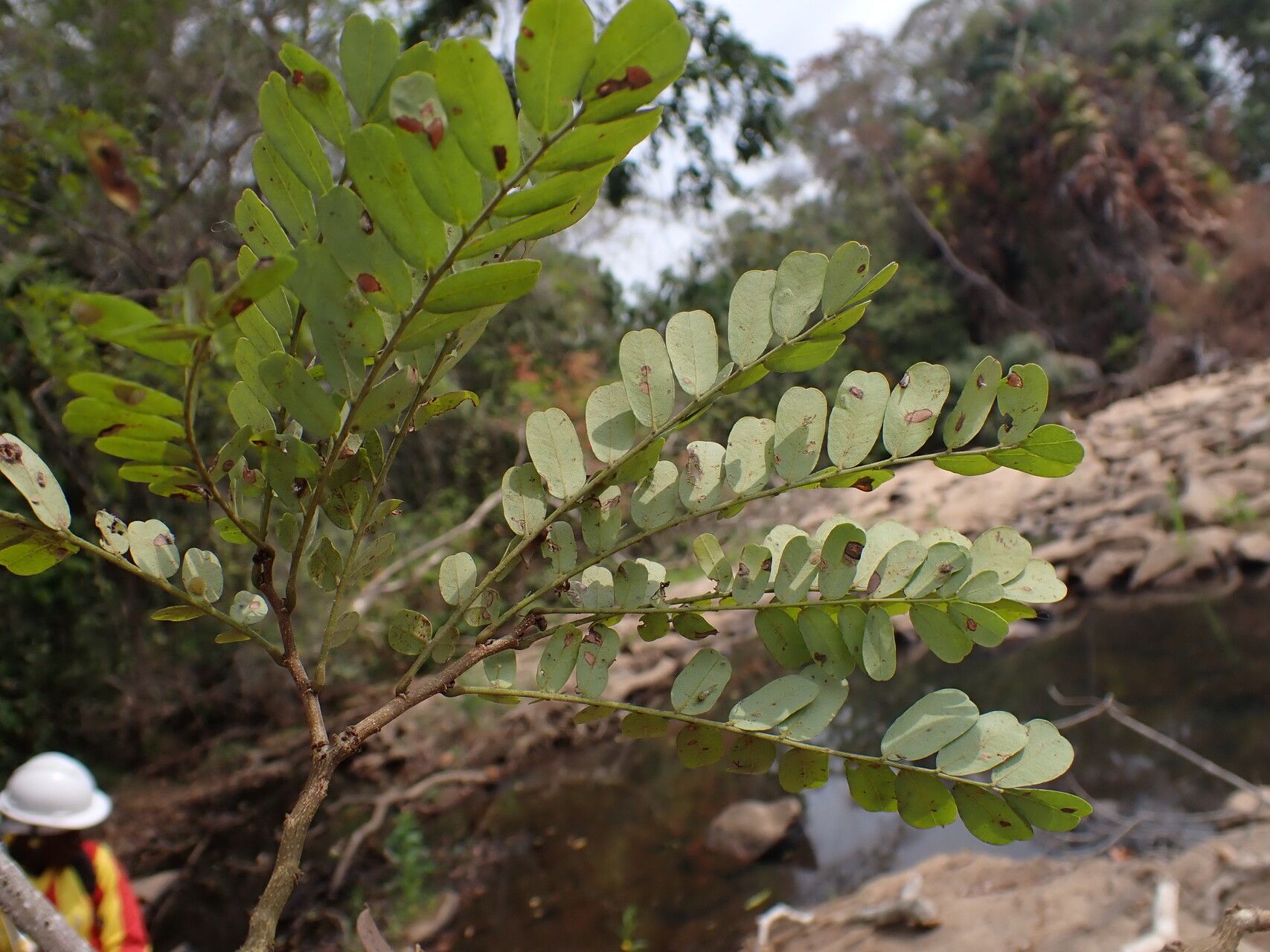
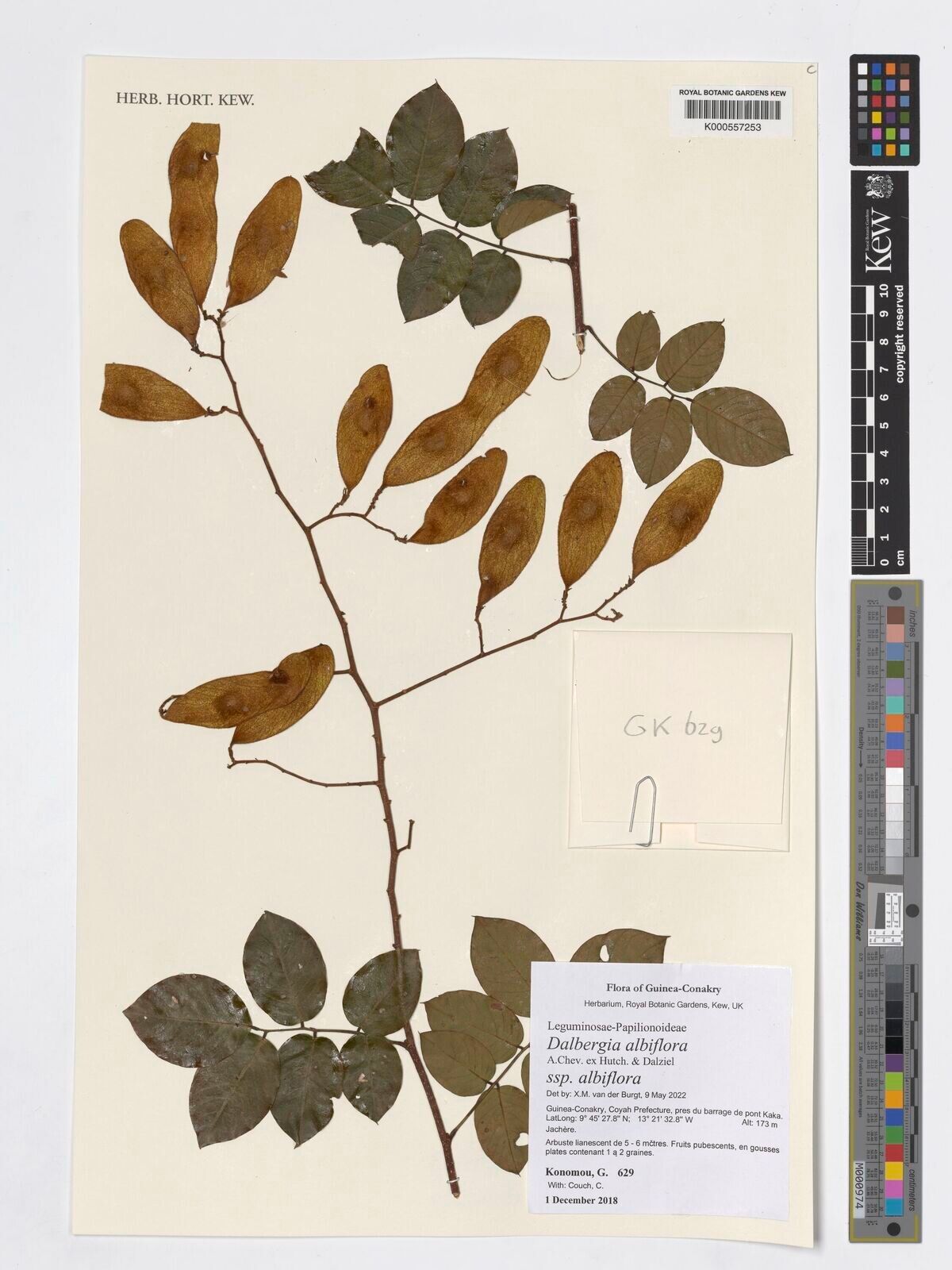
Dalbergia latifolia, widely known as Indian rosewood or sonokeling, is a tropical hardwood tree species native to the Indian subcontinent and Southeast Asia. This medium-sized tree can grow up to 30 meters tall, with a trunk diameter reaching up to 1 meter. The bark is dark brown and rough, while its pinnate leaves consist of 3-5 leaflets.
The heartwood of Dalbergia latifolia is highly prized for its rich color and beautiful grain patterns. It has been used for centuries in furniture making, musical instruments such as guitars, decorative veneers, flooring, and carving.
However, overexploitation for commercial purposes in recent years, combined with habitat loss due to deforestation, has led to this species being listed as endangered by the International Union for Conservation of Nature (IUCN). Conservation efforts are underway by various organizations around the world, including in India, where it is native.
Overall, the Dalbergia latifolia tree plays an important role in both cultural heritage and economic development. However, its conservation should be taken seriously so that future generations can also enjoy its beauty.
Indian rosewood has strong resistance to disease and is generally not likely to be affected by illnesses. In terms of upkeep, this plant is fairly low-maintenance. When grown outdoors it needs only occasional watering, and larger specimens typically do not need pruning; smaller plants, however, should be pruned after they have finished blooming. Indian rosewoodt is suitable for anyone with an outdoor area, such as a garden or a deck, and does not require extensive care experience.
How to keep Dalbergia Latifolia.
Light
Indian rosewood comes from open habitats, like sunny meadows and forest margins, where there is abundant light. It performs best in full sun but can tolerate partial sun, adjusting well to different light conditions.
Temperature
Indian rosewood comes from tropical areas where the weather is usually warm and humid. Therefore, it is well suited to high temperatures and moisture. It does not tolerate sudden temperature shifts and prefers a consistent temperature, so avoiding indoor temperature fluctuations is important. It typically cannot endure cold conditions and needs warmer temperatures to grow. If the ambient temperature falls too low, the plant may stop growing or even die.
Fertilizer
Fertilizing is essential for caring for Indian rosewood. Regular feeding during the active growing season preserves the energy needed for its showy leaves and encourages overall growth. Failing to fertilize can lead to unhealthy leaves, reduced ornamental value, and stunted or weak growth that is liable to break.
Botanical profile.
- Plant Type
- Tree
- Life Cycle
- Perennial
- Genus
- Dalbergia
- Family
- Fabaceae
- Hardiness Zone
- 10-12
- Mature Height
- 20.12 m to 39.93 m
- Mature Spread
- 14.94 m to 24.99 m
- Leaf Color
- Dark Green
- Leaf Type
- Deciduous
- Flower Color
- White
- Flower Size
- 0.76 cm to 1.27 cm
- Bloom Time
- Early summer, Mid summer
- Planting Time
- Spring, Summer
- Harvest Time
- Late summer, Early fall, Mid fall
- Native Area
- Nepal, India, Malaysia, Indonesia, Myanmar
Other names.