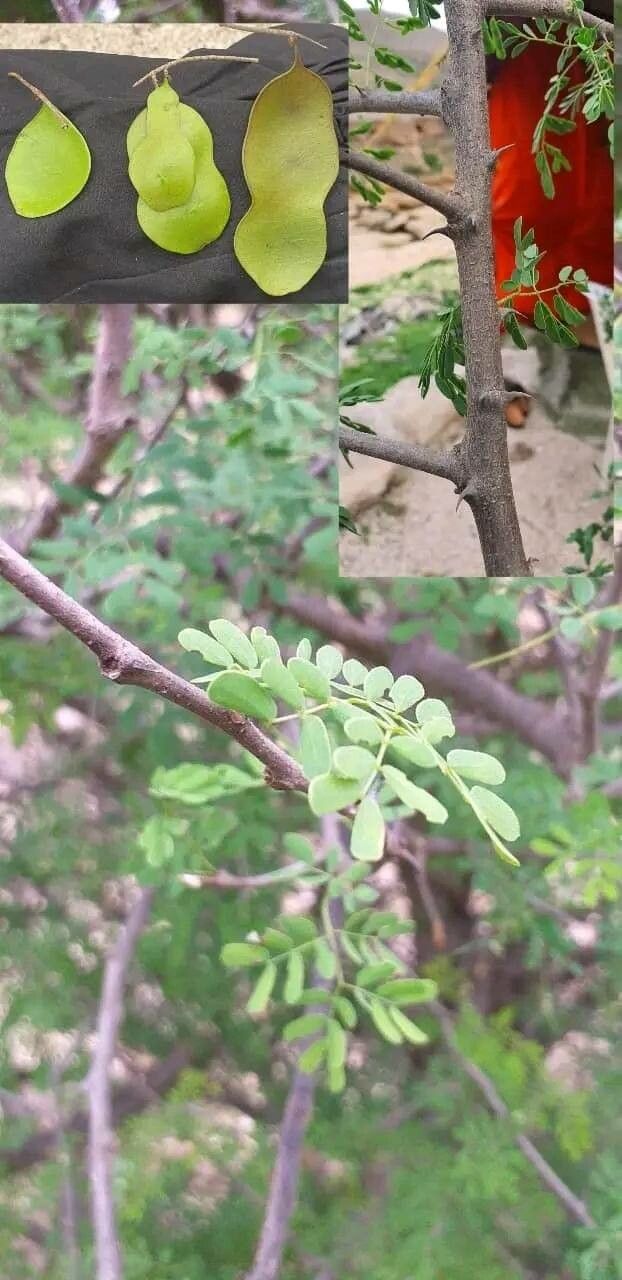
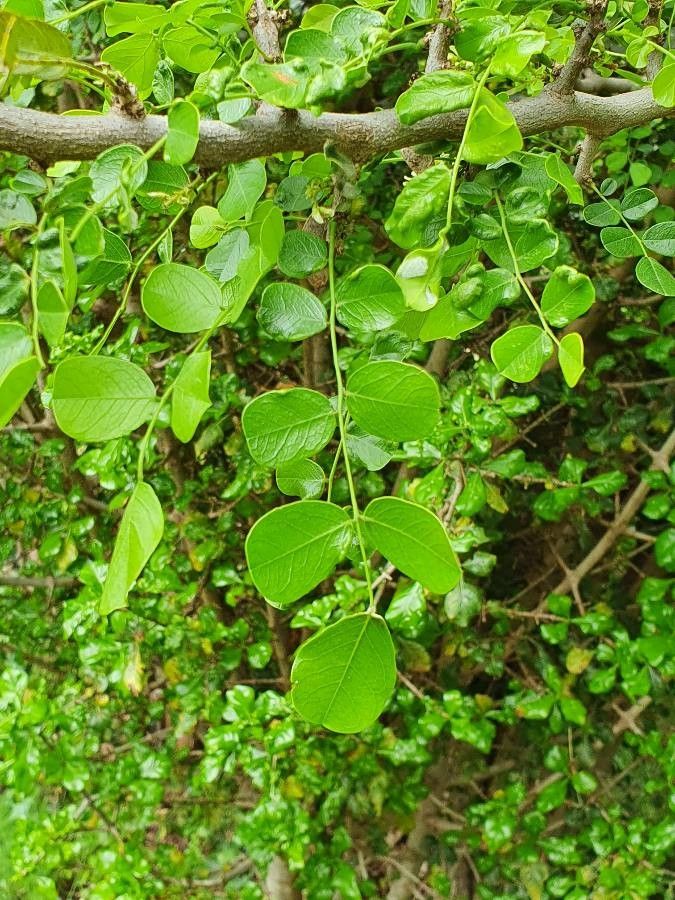
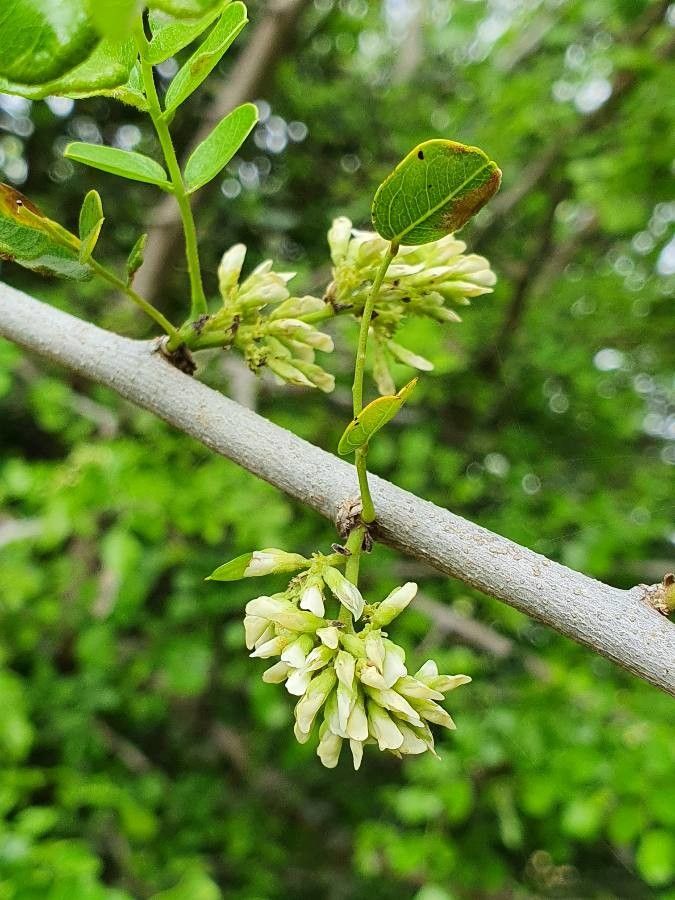
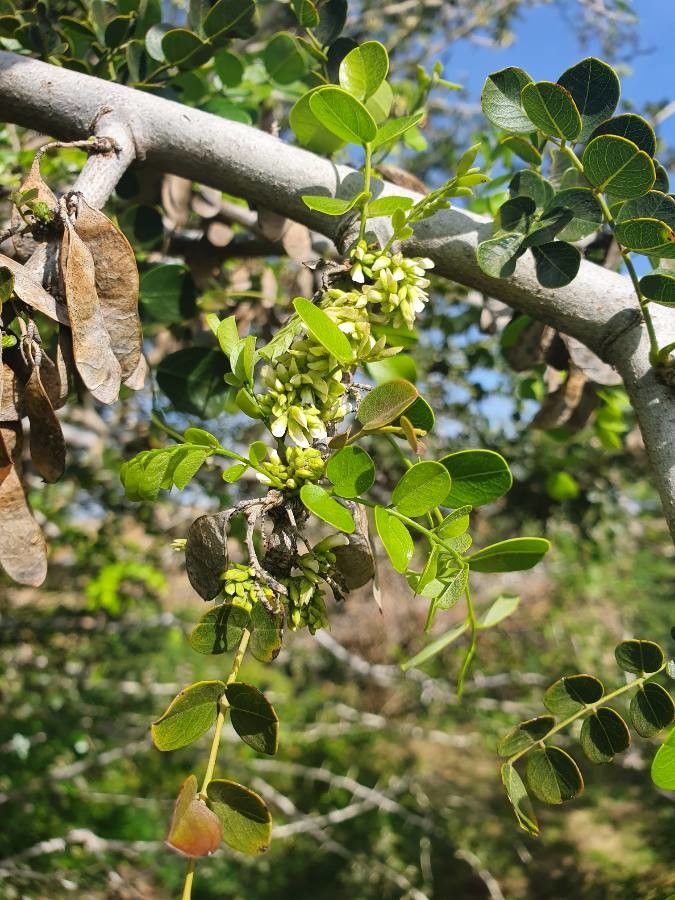
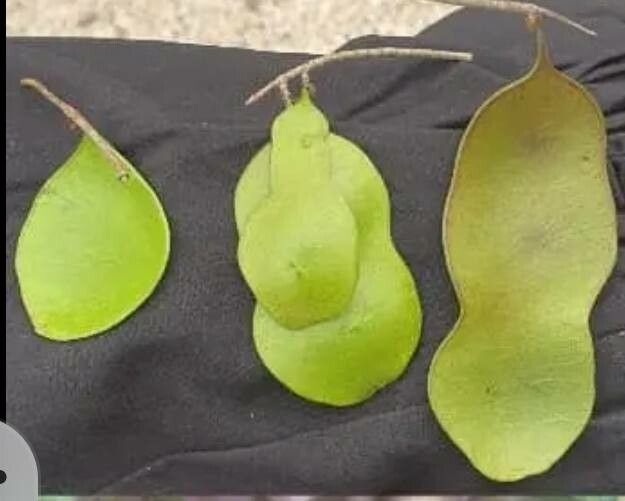
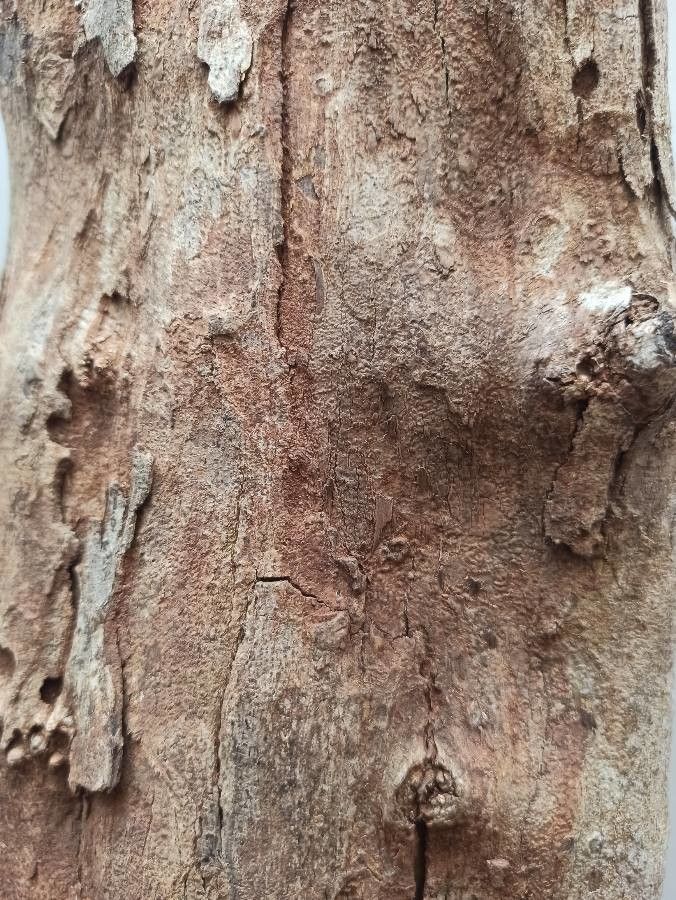
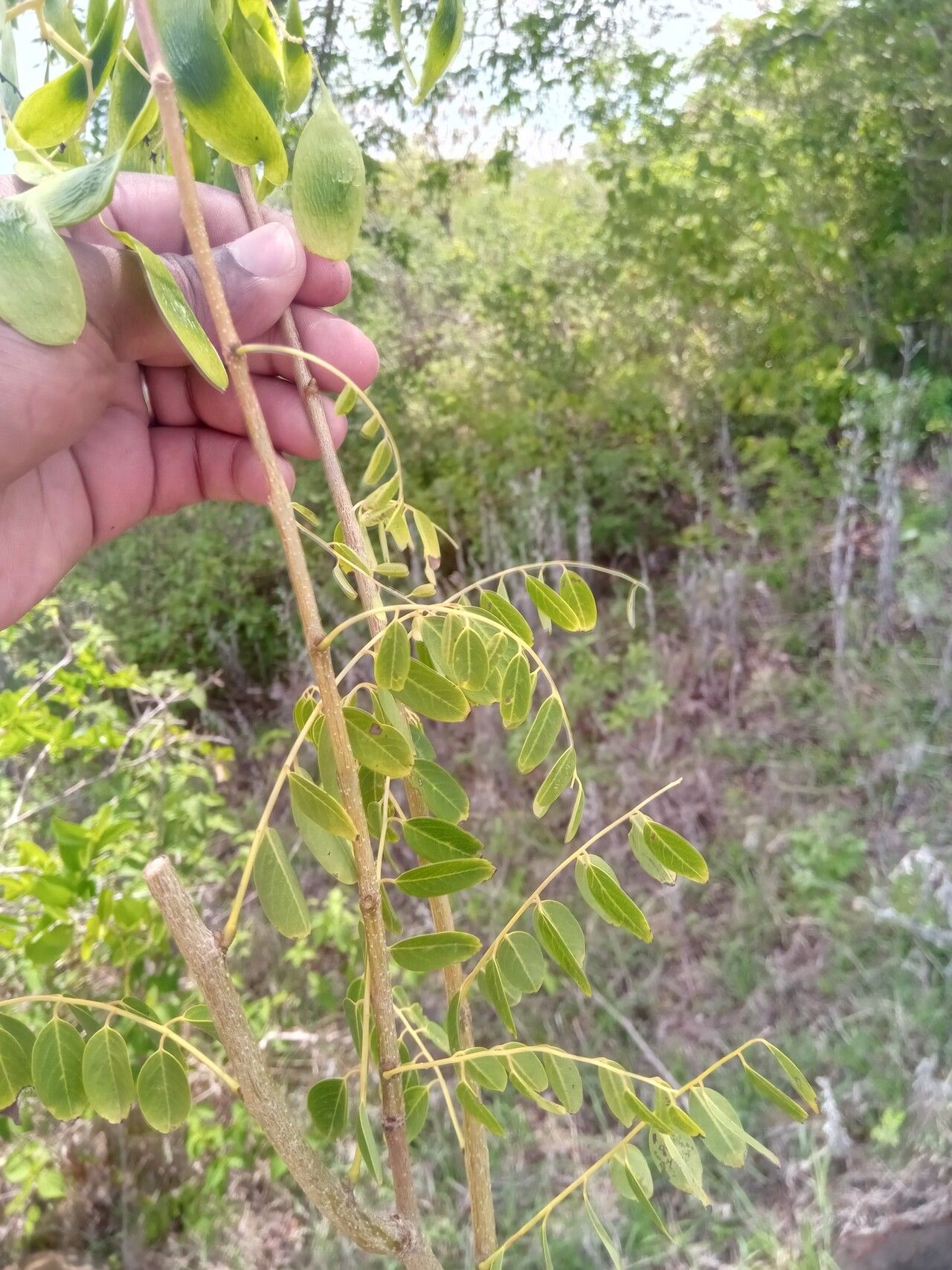
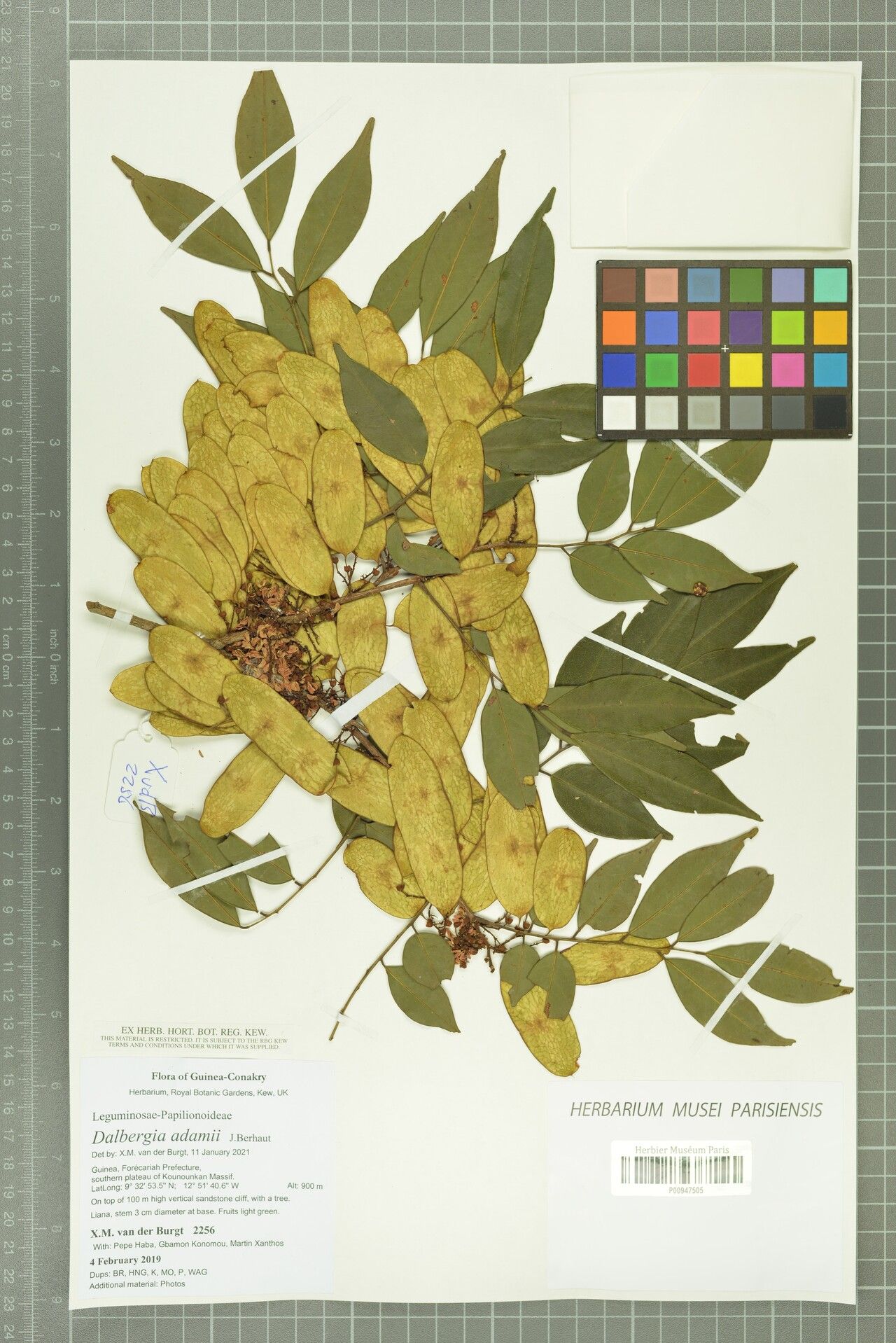
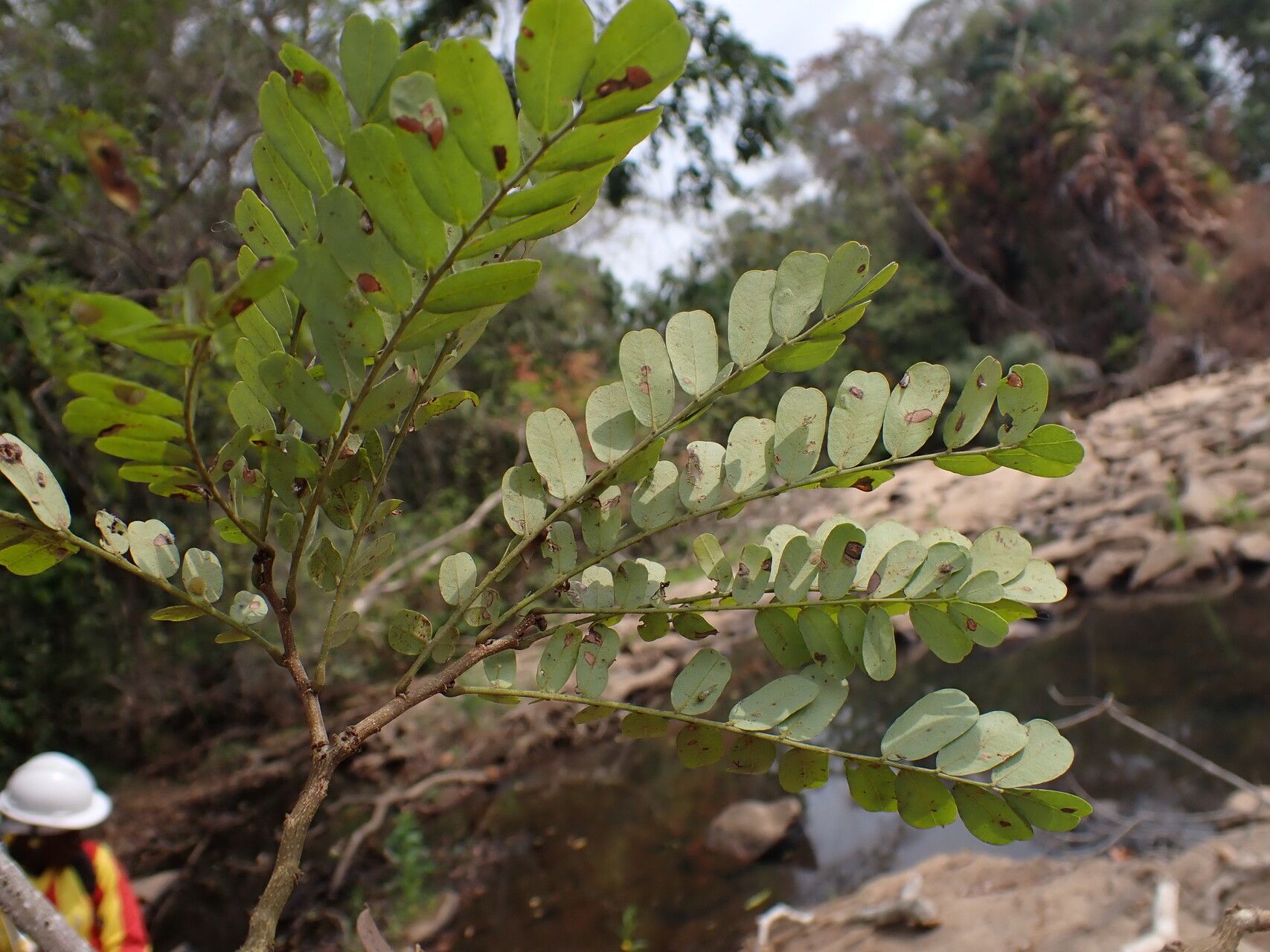
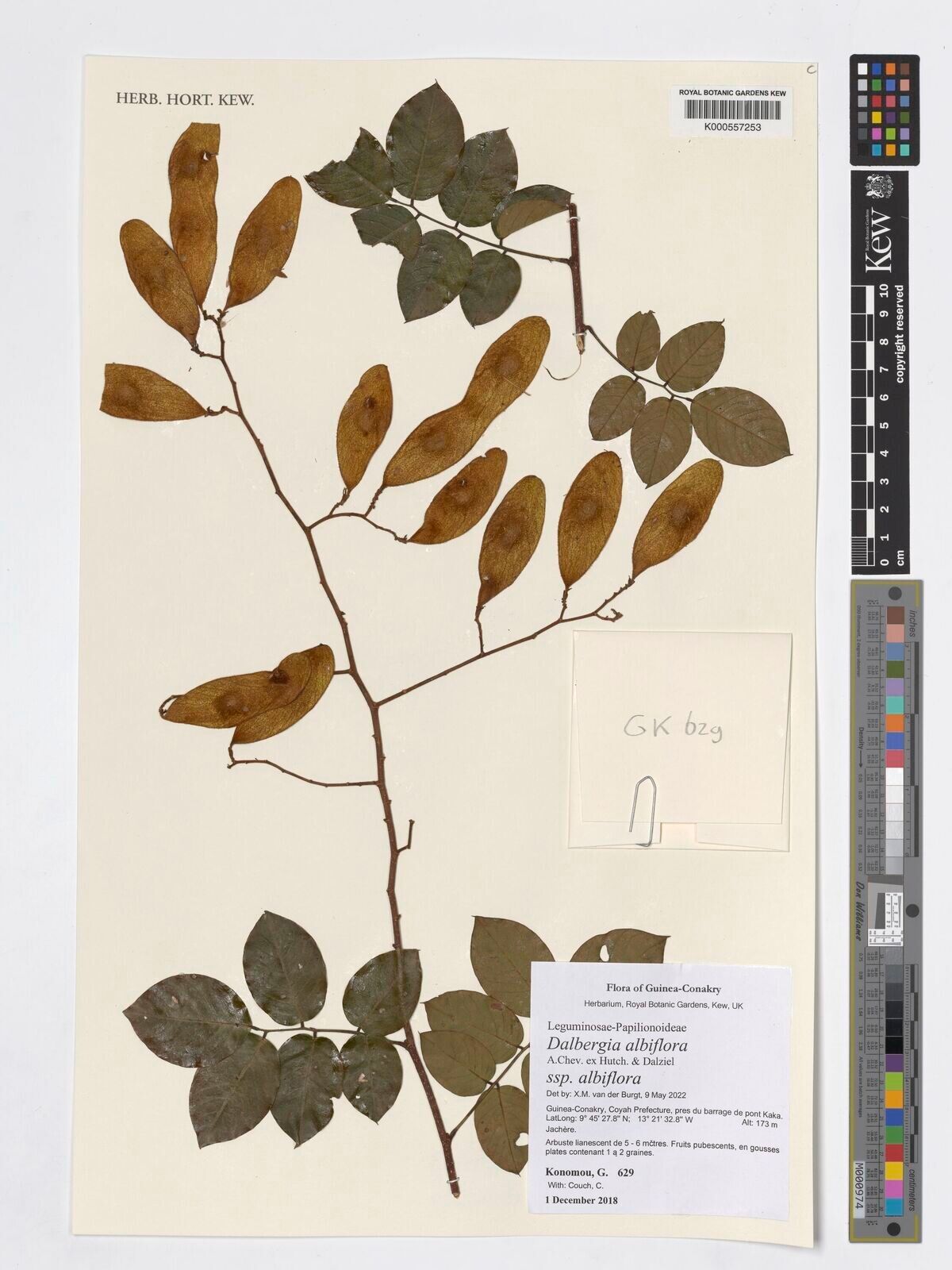
Dalbergia melanoxylon, commonly known as African blackwood or mpingo, is a slow-growing tree species native to the dry savannas of Africa. Part of the legume family, this tree is highly prized for its dense and durable wood, traditionally used to manufacture musical instruments such as clarinets, oboes, and bagpipes. African blackwood can reach a height of up to 20 meters, with a trunk diameter of up to 60 centimeters. The tree features dark green leaves that are pinnate, each consisting of 6-10 leaflets. Its flowers are small and either white or yellowish, followed by small pods that contain seeds. These seeds are dispersed by wind or animals.
Due to overexploitation for its valuable wood, African blackwood is now listed as an endangered species by the International Union for Conservation of Nature (IUCN). In response, countries where it grows naturally, such as Tanzania, have enacted conservation measures. Since 2004, African blackwood has been declared a protected species under Tanzanian national law.
African blackwood is fairly resistant to disease and typically not susceptible to many ailments. In terms of care, this plant is relatively low-maintenance. When grown outdoors, it needs only minimal watering, and larger specimens usually do not require pruning. Smaller plants, however, should be pruned after they have finished blooming. African blackwood is suitable for anyone with an outdoor area, such as a garden or deck, and does not demand extensive care experience.
How to keep Dalbergia Melanoxylon.
Light
African blackwood comes from open habitats, like sunlit meadows and forest margins, where light is abundant. It performs best in full sun but will also tolerate partial sun, showing good adaptability to different light conditions.
Temperature
African blackwood is a plant adapted to a warm tropical climate and does best at temperatures of 68 to 100 °F (20 to 38 ℃). With seasonal changes, you may need to move the plant to a warmer spot or into shade to keep it within that temperature range.
Fertilizer
Feeding is essential to the care of African blackwood. Consistent fertilization during the growing season helps maintain the vigor required for attractive foliage and supports overall growth. If fertilization is neglected, leaves can become unhealthy, the plant's ornamental value may decline, and growth can become stunted or weak and more prone to breaking.
Botanical profile.
- Plant Type
- Tree
- Life Cycle
- Perennial
- Genus
- Dalbergia
- Family
- Fabaceae
- Hardiness Zone
- 10-12
- Mature Height
- 7.01 m to 14.94 m
- Mature Spread
- 4.88 m to 7.92 m
- Leaf Color
- Dark Green
- Leaf Type
- Deciduous
- Flower Color
- White
- Flower Size
- 1.02 cm to 1.52 cm
- Bloom Time
- Early summer, Mid summer
- Planting Time
- Spring, Summer
- Harvest Time
- Late summer, Early fall, Mid fall
- Native Area
- Burkina Faso, Malawi, Angola, Namibia, South Africa, Zambia, Sudan, Mauritania, Nigeria, Guinea, Kenya, Uganda, Tanzania, Zimbabwe, Benin, Chad, Mozambique, Togo, Senegal, Eswatini, Ethiopia, Côte d'Ivoire, Congo (DRC), Botswana, Central African Republic
Other names.