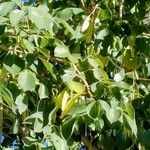
Dalbergia sissoo
Sissoo · Sisu · Indian rosewood · Shisham · North Indian rosewood
Description
Source: leafsnapDalbergia sissoo, commonly known as Indian rosewood or sheesham, is a deciduous tree native to the Indian subcontinent. Belonging to the Fabaceae family, the tree can grow up to 25 meters tall with a trunk diameter of up to 2 meters. It features a straight, cylindrical trunk and dark brown bark that peels off in thin flakes. The leaves of Dalbergia sissoo are compound, with each leaflet measuring approximately 5-10 cm in length and 2-3 cm in width. The tree produces small, white or pink flowers that appear in dense clusters on the branches during spring. The wood of Dalbergia sissoo is highly valued for its durability, strength, and attractive grain patterns. It is commonly used for furniture making, as well as for flooring, paneling, and musical instruments like sitars and guitars. In addition to its commercial uses, Dalbergia sissoo has been traditionally used in Ayurvedic medicine due to its various medicinal properties. It has anti-inflammatory effects that can benefit skin conditions like eczema or psoriasis and acts as an antipyretic agent to reduce fever symptoms when consumed orally. However, overexploitation has led to Dalbergia sissoo becoming endangered, mainly because it takes many years for the trees to mature enough for harvesting. Without conservation efforts, deforestation and other human activities threaten their survival, pushing this species toward endangerment.
Care Guide
💧 Water Every 7 days
North Indian rosewood thrives in riverbanks and floodplains, adapting well to periods of abundant water. While it can tolerate temporary drought, it prefers consistent moisture and benefits from watering every 2-3 weeks. Being a deciduous tree, it requires more hydration during the growing season to support the production of leaves.
How should I water my North Indian rosewood plant?
To ensure the best root development, place a garden hose at the base of the plant instead of directly spraying the leaves. If the plant is exposed to direct sunlight outdoors, the leaves will need more water. You can use bubblers to moisten the roots of each plant, or soaker hoses to cover the entire garden or bed. When adding or removing plants, make sure to water deeply to encourage deep root growth. After watering, drain any excess water and wait for the soil to dry before watering again. To prevent diseases, water at ground level rather than spraying the leaves. On a sunny day, it may be beneficial to spray the whole bush with water. Whether the rosewood plant is potted or in the ground, remember to prioritize deep watering rather than light sprinkling.
What should I do if I give North Indian rosewood too much or too little water?
Overwatering can cause a North Indian rosewood to have yellow, wilting leaves and a dull, unhealthy appearance. Look for signs of mushy stems. If you notice these signs, adjust your watering schedule. Wilting can also be a sign of under watering, characterized by crispy, dry leaves. Check the soil moisture regularly and give the plant a thorough watering when it is dry. However, be aware that even with enough water, the damaged root system may cause yellow leaves to persist. Once the plant recovers, the yellowing will stop. When you have a North Indian rosewood indoors, monitor the moisture levels and avoid overwatering. If you notice black spots, allow the soil to dry out by taking a break from watering. Overwatering can lead to root rot, indicated by discolored and slimy roots. If root rot occurs, consider transferring the plant to a different pot and ensure the soil does not become too soggy. When planting the North Indian rosewood outdoors, check soil moisture by digging deeper. If the soil feels too dry, it may indicate underwatering. Provide adequate watering to assist the plant's recovery.
How frequently should I water my North Indian rosewood plant?
The North Indian rosewood plant prefers deep and infrequent watering. For potted plants, soak them in a gallon of water each time to account for limited water storage. In cold regions, water every 3 to 5 days, preferably in the morning when the soil is dry. Check the top 2-3 inches of soil for dryness as an indication to water the plant fully. During hot days, monitor soil moisture daily to prevent it from drying out too quickly. For garden plants in hot climates, water once a week only when the top 2-3 inches of soil are dry. Avoid adding water if there has been significant rainfall to prevent root rot. Adding mulch can help retain water when the plants are outdoors during spring and fall. Sandy soil drains faster, so water more frequently, while clay soil requires less frequent watering to prevent root rot. Keep track of watering dates and observe the plant's leaves for signs of drooping to ensure timely watering.
How much water does my North Indian rosewood need?
North Indian rosewood typically requires about a gallon of water on a regular basis. For potted plants, it's best to water them deeply until you see water dripping from the bottom of the pot. Allow the soil to dry before watering again. To determine the amount of water your plant receives in a week, you can use a water calculator or moisture meter. During the flowering period, provide plenty of water but allow moisture to evaporate to prevent root rot. If the North Indian rosewood is planted outdoors and receives sufficient rainfall, additional watering may not be necessary. However, when the plant is young or newly planted, ensure it gets 1-2 inches of rain per week. As the plant matures, it can sustain itself solely through rainfall. Only in extremely hot weather or during long periods without rainfall (2-3 weeks) should you consider giving the plant a full watering during cooler times of the day to prevent heat damage. Additional watering may be necessary during persistent dry spells.
Should I change how often I water my North Indian rosewood depending on the time of year or the weather?
The North Indian rosewood should be kept outdoors, away from rain, during persistent dry weather. In the spring and fall, the soil should be kept moist but not soggy. Alternating between dry and moist soil conditions will promote healthy growth. During the hot summer months, water may evaporate quickly, so additional watering may be necessary if there is a lack of rainfall. However, during the winter, the North Indian rosewood requires less water as it goes dormant. Use a well-draining soil mixture, like terracotta, to help the water evaporate faster. Once the plant enters dormancy, watering can be skipped, as it can rely on fall and winter rains. When the temperature becomes warmer in the spring, you can encourage growth and blooming. Ensure good drainage at all times, especially in winter, as the plant does not tolerate ponding or drought while flowering. If the plant is in a pot, it has limited root growth and should be well-watered during the summer, with adequate drainage to prevent cold and wet roots. Deep soaking the entire root system once or twice a week, depending on the weather, is preferable over shallow sprinkles that may encourage fungi growth and do not reach deep roots. Even during dormancy, the North Indian rosewood should not be allowed to dry out completely in the fall or winter. Avoid over-watering and ensure proper drainage to prevent waterlogged soil, which can lead to plant death in winter. Applying mulch can reduce stress, conserve water, and promote healthy blooms.
☀️ Light Full sun
North Indian rosewood prefers exposure to abundant sunlight, which allows it to thrive and grow healthily. Its native habitat has shaped its need for such bright conditions. Too much or too little light can negatively affect its overall health, producing signs like faded color or stunted growth.
How many hours of sunlight per day does North Indian rosewood need to grow healthy?
To promote healthy growth, North Indian rosewood needs a minimum of 3-6 hours of sun per day. However, it is worth noting that most plants that can tolerate partial sun can also do well in full sun. The reason for this is that they require less light for photosynthesis, making them more adaptable compared to plants that specifically need either full sun or partial shade.
What kind of sunlight does North Indian rosewood require?
North Indian rosewood thrives when given full or partial sun. Ideally, they should receive direct morning light, but during the summer, it's important to shield them from the intense afternoon sun. Excessive hot afternoon sun in temperate environments can result in leaf burn, which negatively impacts the plant's overall health and appearance.
Does sunlight harm North Indian rosewood? How can we keep North Indian rosewood safe from sun and heat damage?
Indoor North Indian rosewood can be easily damaged by direct sunlight when moved outdoors. To prevent sunburn, it is best to gradually move the pots from a shaded area to a brighter spot. However, even plants accustomed to the summer sun can still be harmed by intense heat. During a heatwave, it is important to keep the soil consistently moist to help the plants cope with extreme heat levels. To protect sensitive North Indian rosewood during extreme weather events, consider moving container plants to areas with afternoon shade or using a shade cloth.
Should I keep North Indian rosewood away from the sun?
North Indian rosewood thrives in bright morning sun and some full sun exposure. However, it struggles with the harsh, hot midday sun of summer. If the plant is in the ground, it can gradually adjust to the increasing intensity of the summer sun. On the other hand, potted plants kept indoors or in a protected area may get damaged if they are suddenly exposed to direct summer sun during the hottest part of the day. To prevent this, it is advisable to plant or position the rosewood in an understory location where it will be shaded at midday by taller trees, other plants, or structures in the landscape.
What will happen if North Indian rosewood doesn't get enough sunlight?
If North Indian rosewood does not receive enough sunlight, it may turn pale green or develop drooping, yellow leaves. While some leaf drop is normal, if leaves are falling but not being replaced by new ones, it means something is wrong. Inadequate light can cause the new growth of the plant to be weak, pale, and susceptible to insects. By noting these signs and adjusting the lighting conditions, you can greatly improve the plant's health.
🌡️ Temperature 20–37.8°C
North Indian rosewood comes from tropical areas, where the climate is usually warm and humid. Consequently, it is well suited to high temperatures and humidity. It does not tolerate sudden temperature shifts and prefers a steady temperature, so avoiding indoor temperature fluctuations is important. It typically cannot withstand cold and needs warmer conditions to grow. If the surrounding temperature falls too low, the plant may stop growing or even die.
💨 Humidity
🪴 Soil 6-7
🌱 Fertilizer
Fertilization is essential for caring for North Indian rosewood. Regular feeding throughout the growing season maintains the energy required for its showy foliage and supports overall growth. If fertilization is neglected, leaves can become unhealthy, the plant’s ornamental appeal may decline, and growth can be stunted or weak and more prone to breaking.
🪴 Pot & Repot
✂️ Pruning
Early spring pruning is beneficial for North Indian rosewood as it helps remove dead branches, thin out crowded areas to improve air circulation, and shape the tree for better structural integrity. This process encourages healthier growth and may even enhance the quality of the timber. To prevent the spread of diseases, be sure to use sharp, sterilized tools.
🌿 Propagating
🐛 Diseases & pets
☠️ Toxicity
Characteristics
- Plant Type
- Tree
- Life Cycle
- Perennial
- Genus
- Dalbergia
- Family
- Fabaceae
- Hardiness Zone
- 10-12
- Mature Height
- 13.72 m to 18.29 m
- Mature Spread
- 9.14 m to 11.89 m
- Leaf Color
- Green
- Leaf Type
- Deciduous
- Flower Color
- White
- Flower Size
- 1.52 cm
- Bloom Time
- Mid spring, Late spring
- Planting Time
- Spring, Summer
- Harvest Time
- Mid summer, Late summer, Early fall
- Native Area
- Nepal, Afghanistan, Iraq, India, Indonesia, Myanmar, Bhutan, Iran, Bangladesh, Pakistan