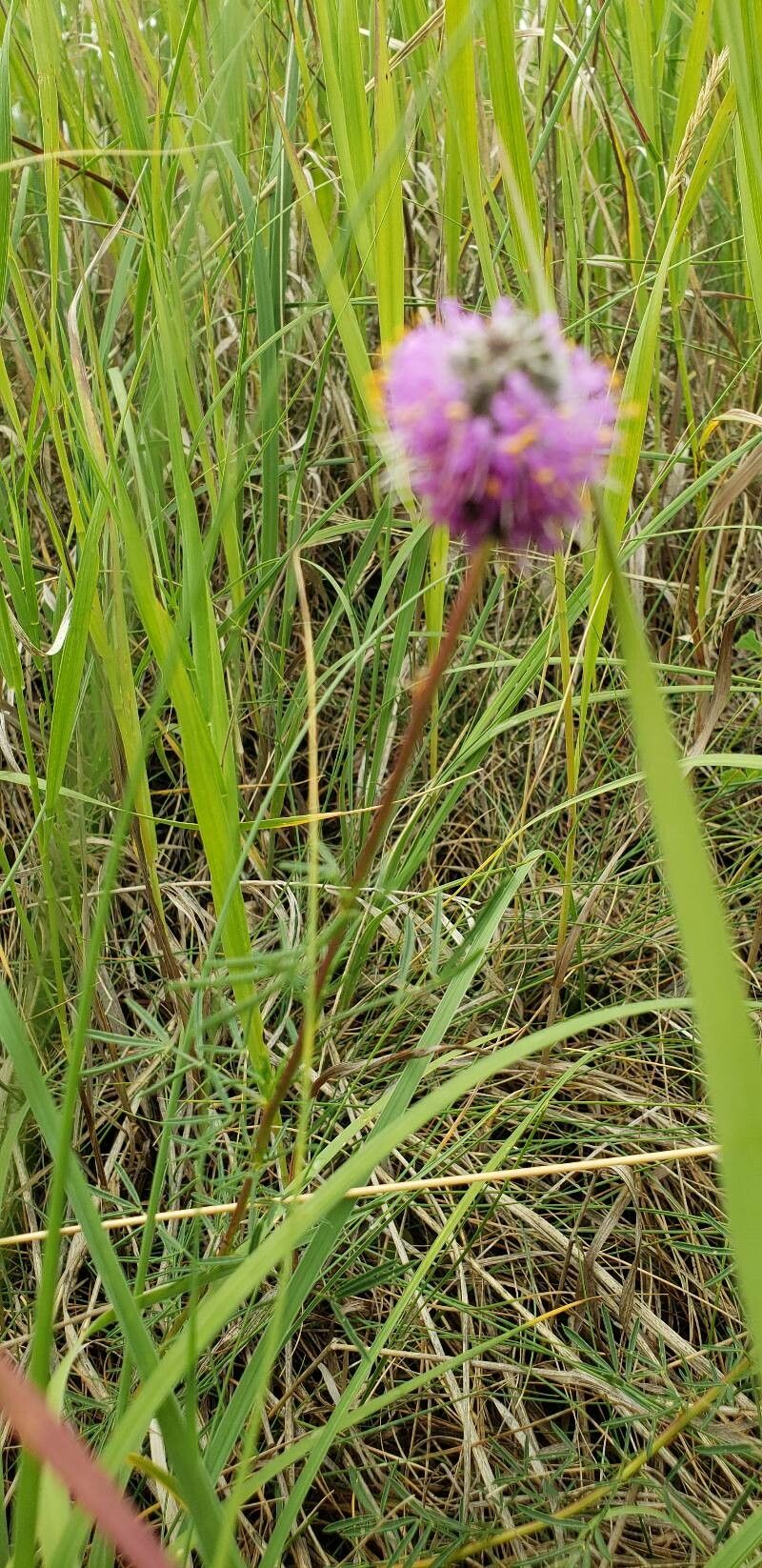
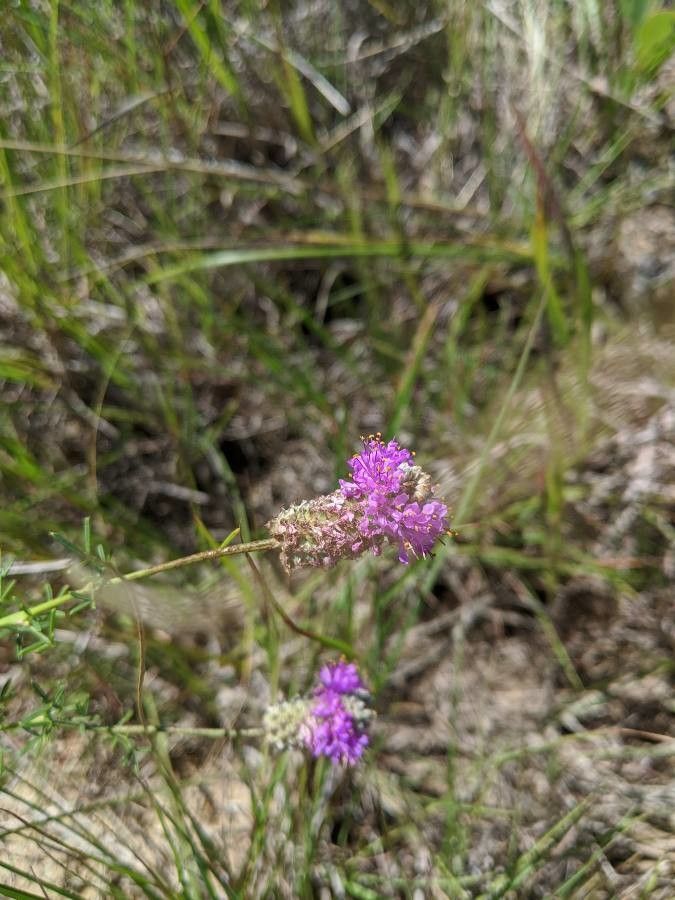
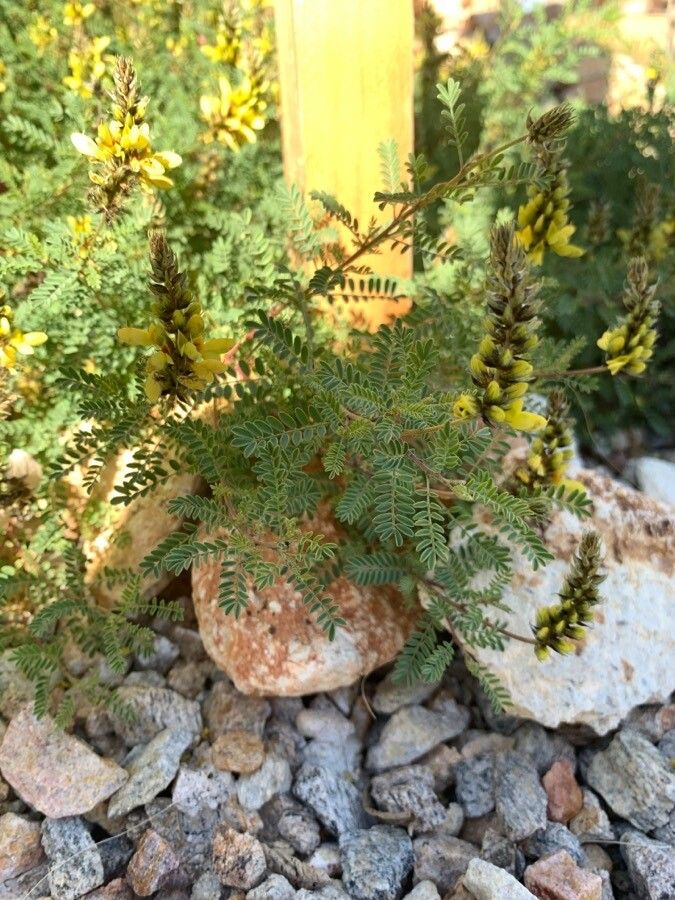
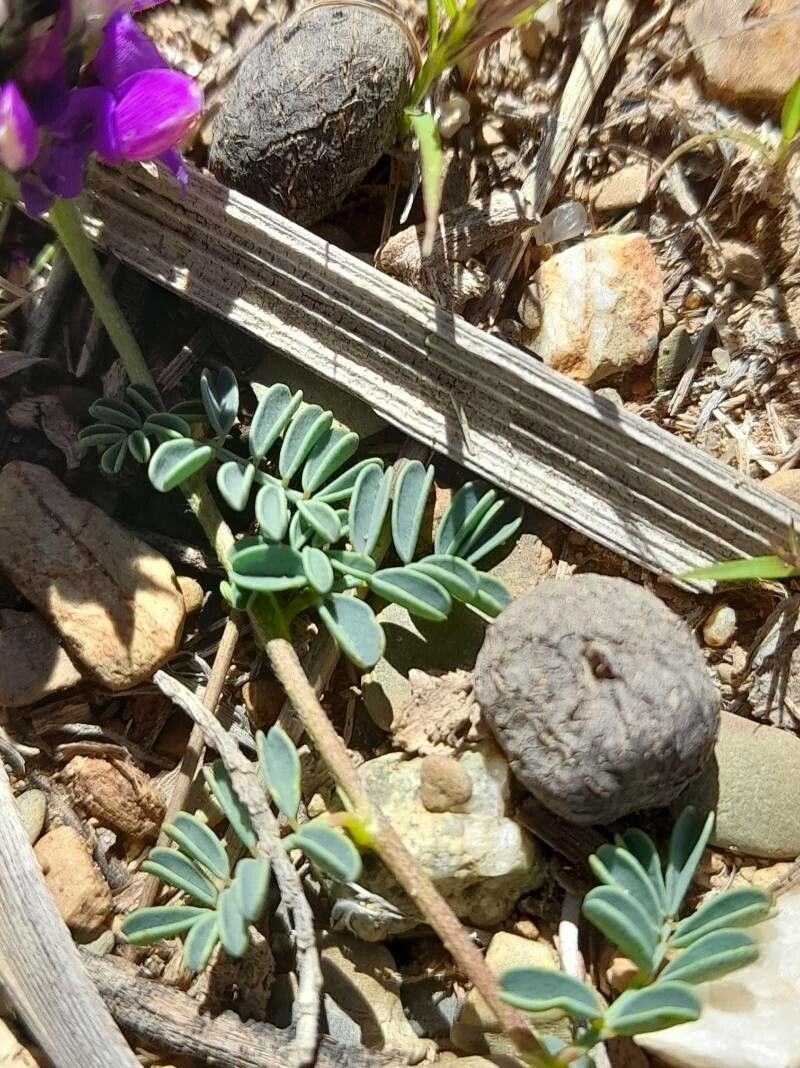
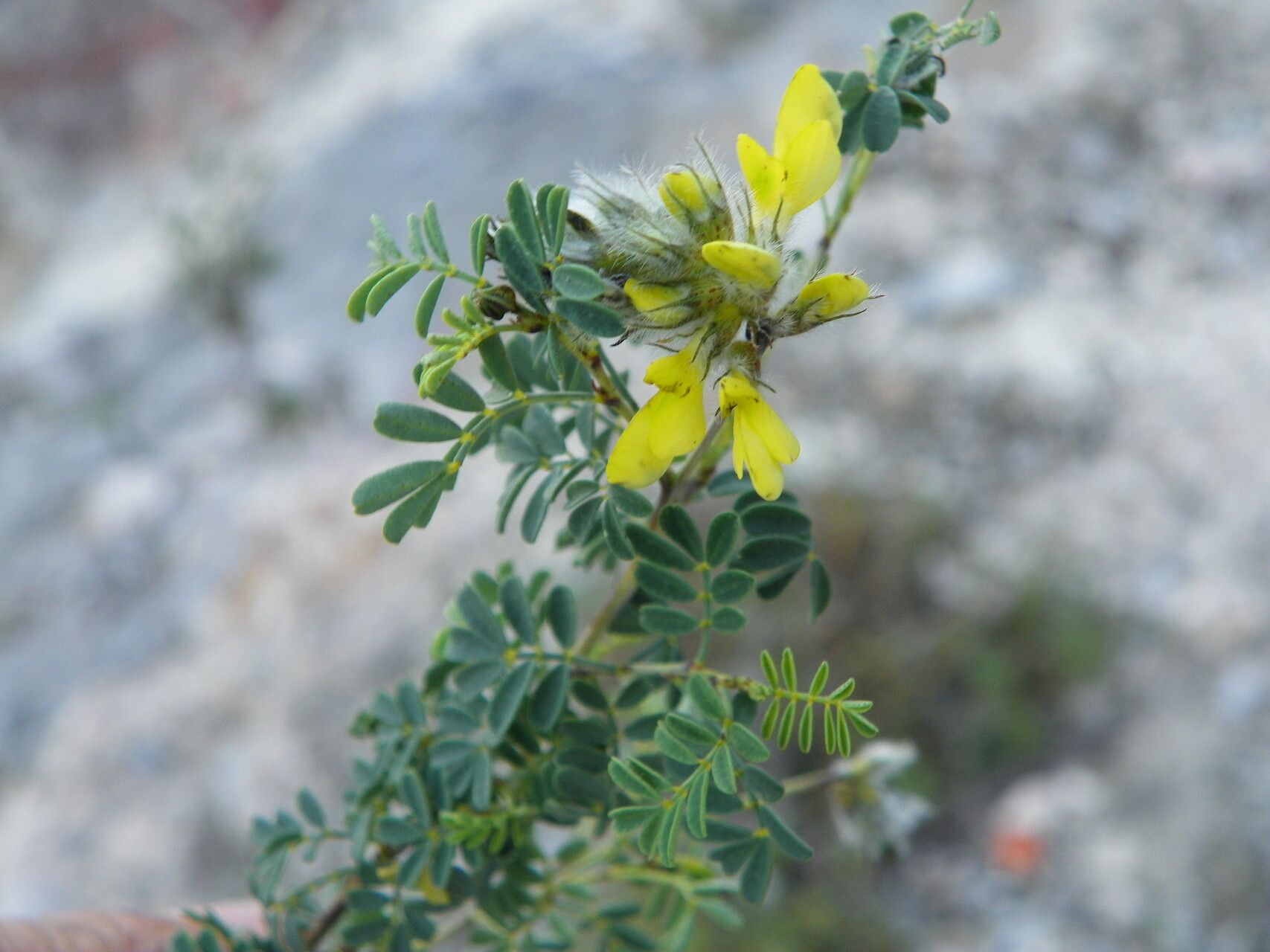
Dalea compacta, with the common name compact praireclover, is a plant of the Southwestern United States.
Compact prairie clover has good disease resistance and typically does not suffer from diseases. However, it can be vulnerable to pests and diseases present in its environment. These infections are usually mild. In terms of care, this plant needs moderate maintenance. It requires regular pruning to keep a neat appearance and healthy growth. Fertilizing can also encourage flowering. Compact prairie clover is suitable for anyone with outdoor space, such as a garden or patio, and does not demand extensive care experience. It may need more attention when grown indoors.
How to keep Dalea Compacta.
Light
Compact prairie clover is a sun-loving perennial herbaceous plant native to open habitats, commonly found in meadows and grasslands. It prefers full sun but can also tolerate partial sun.
Temperature
Compact prairie clover can tolerate a wide range of temperatures, though its distribution may still be constrained by particular combinations of moisture and heat. It does best in warm summer conditions with sufficient rainfall or irrigation. Extended spells of cloudy, rainy weather or prolonged high temperatures raise the likelihood that Compact prairie clover will die. In winter, providing proper protection from cold can increase the plant's survival rate.
Fertilizer
One fertilizer application in spring is generally enough for Compact prairie clover, though multiple feedings can maximize growth. Feed every month to month and a half. Fertilization improves leaf appearance and function, maintaining even color and a healthy texture. It also promotes root growth and nutrient uptake for long-term plant health.
Pruning
The compact prairie clover is known for its dense shape and vibrant purple flowers. To keep it healthy and promote growth, prune it in early spring. Focus on removing dead stems and thinning crowded areas to improve airflow. Be careful not to prune too heavily, as you want to maintain its natural form. With regular care, you can ensure the plant remains healthy and produces abundant blooms.
Botanical profile.
Other names.
Reader questions.
What is the best climate for Compact prairie clover to thrive?
Compact prairie clover, known botanically as Dalea compacta, thrives best in warm climates with adequate rainfall or watering during the summer. Despite its strong cold resistance, it can be sensitive to prolonged periods of cloudiness and rain, as well as to extended high temperatures. While it usually does not require special frost protection measures, in winters where temperatures are expected to drop below -30°C, protective actions such as covering the plant with soil or straw are recommended to improve its survival rate.
How does Compact prairie clover respond to temperature extremes?
Compact prairie clover is cold-tolerant, optimally thriving above 5°C and requiring actions to ensure it remains above -25°C during winter. Temperatures below -30°C, though not immediately harmful, can lead to reduced or no sprouting in spring. Conversely, during the summer, it is best kept below 35°C as temperatures exceeding 38°C can cause the leaves to lighten in color, curl, become susceptible to sunburn, or in severe cases, cause the plant to wilt and dry out.
What are the solutions for managing Compact prairie clover through temperature fluctuations?
For managing Compact prairie clover through temperature extremes, different approaches are recommended. To alleviate issues from low temperatures, removing parts that fail to sprout in spring is advisable. For high temperatures, trimming away sunburned and dried parts, relocating the plant to shaded areas or using a shade cloth, and watering in the morning and evening to maintain soil moisture are effective. Additionally, before the first freeze of autumn, abundantly watering the plant to ensure the soil is moist going into a frozen state can prevent drought and water scarcity during winter and early spring.