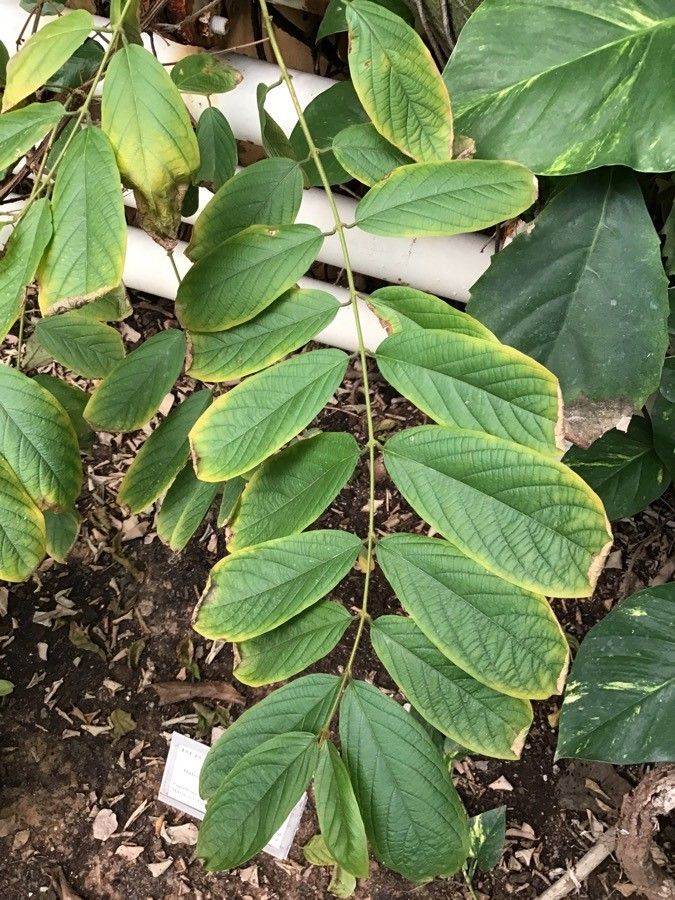
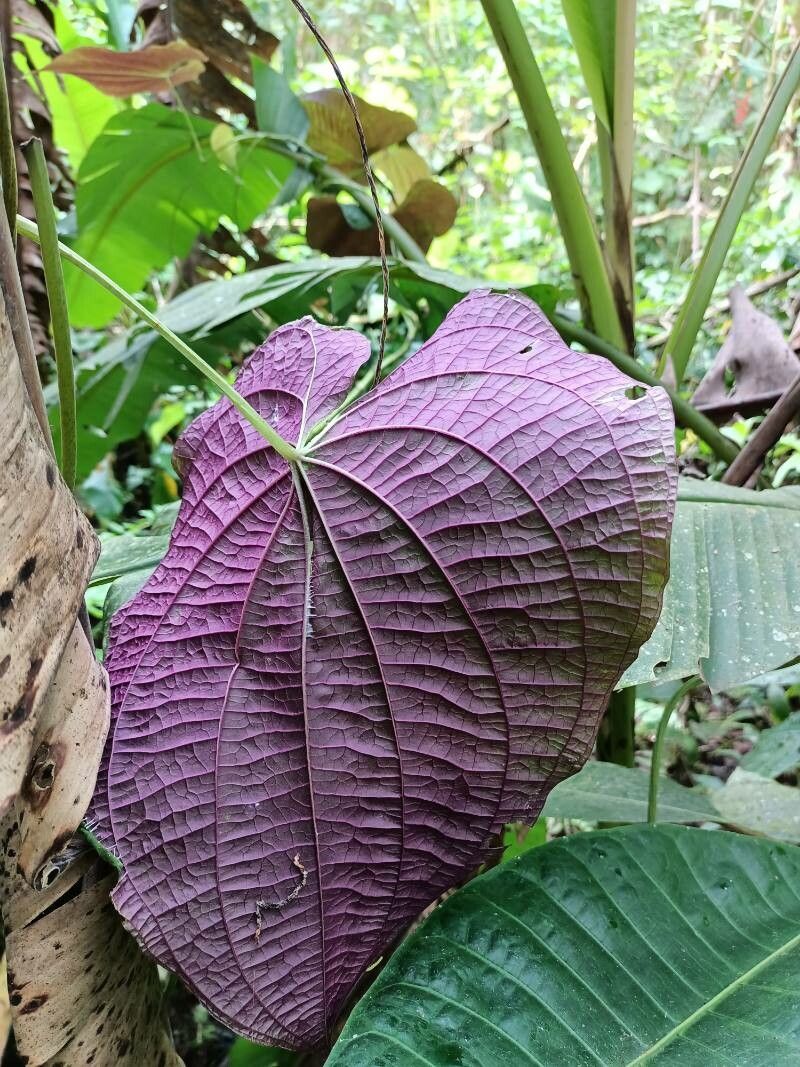
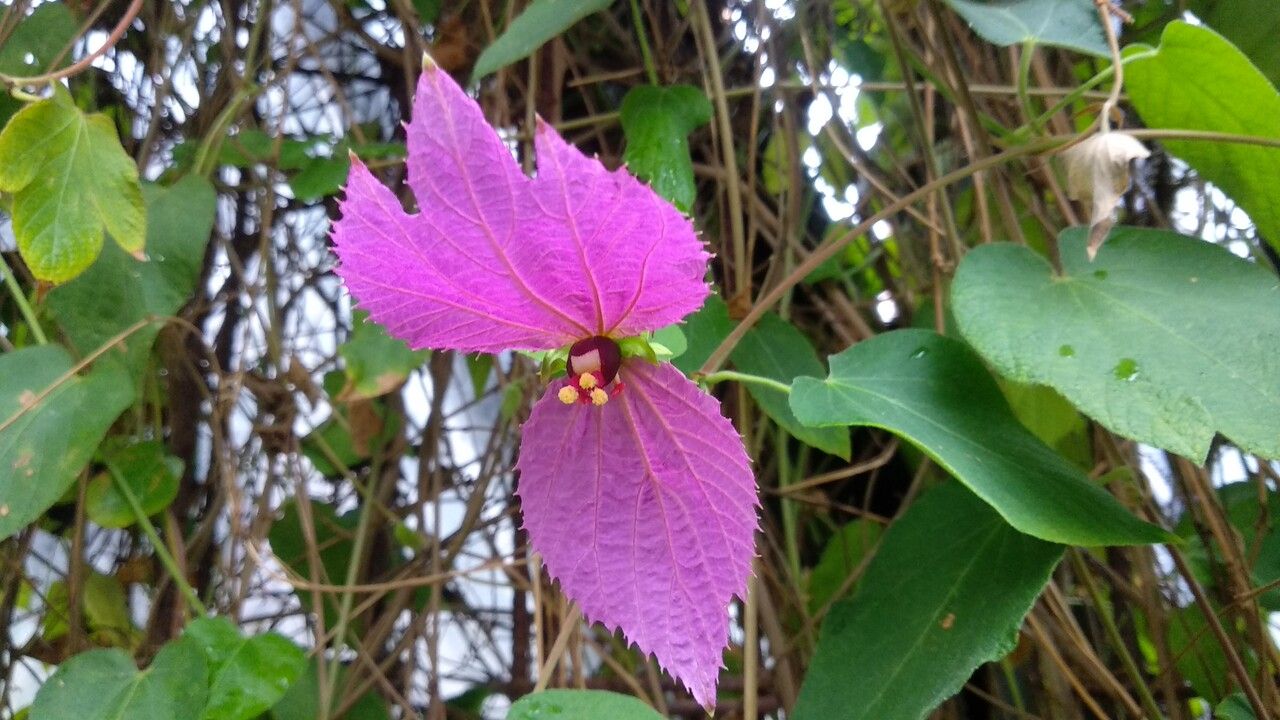
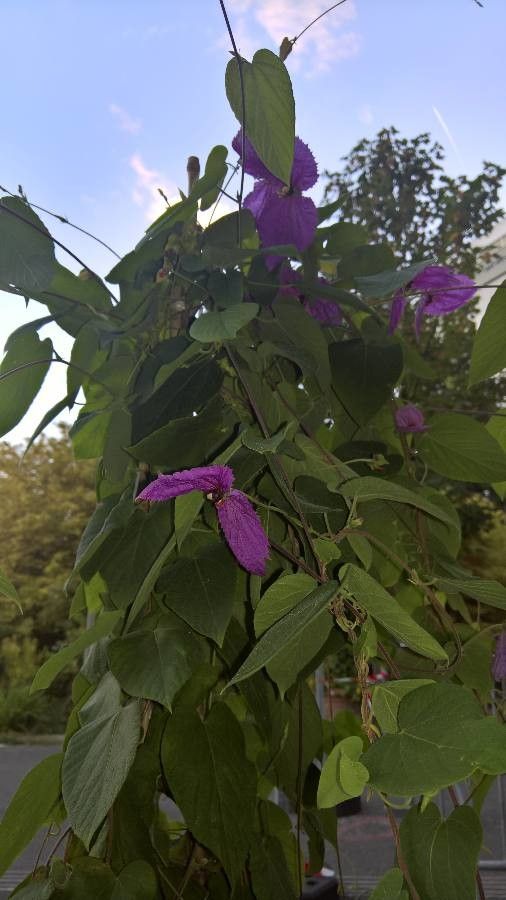
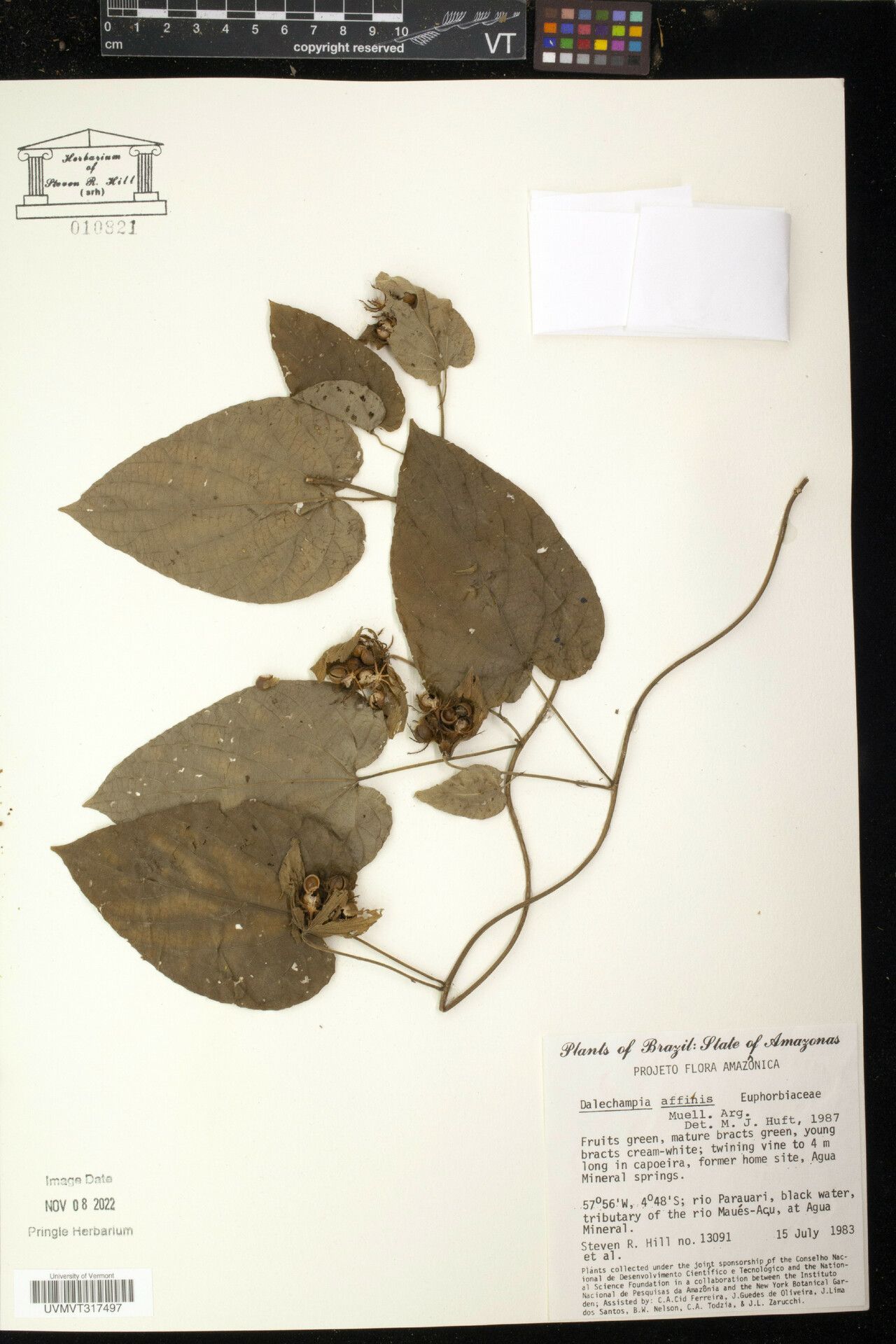
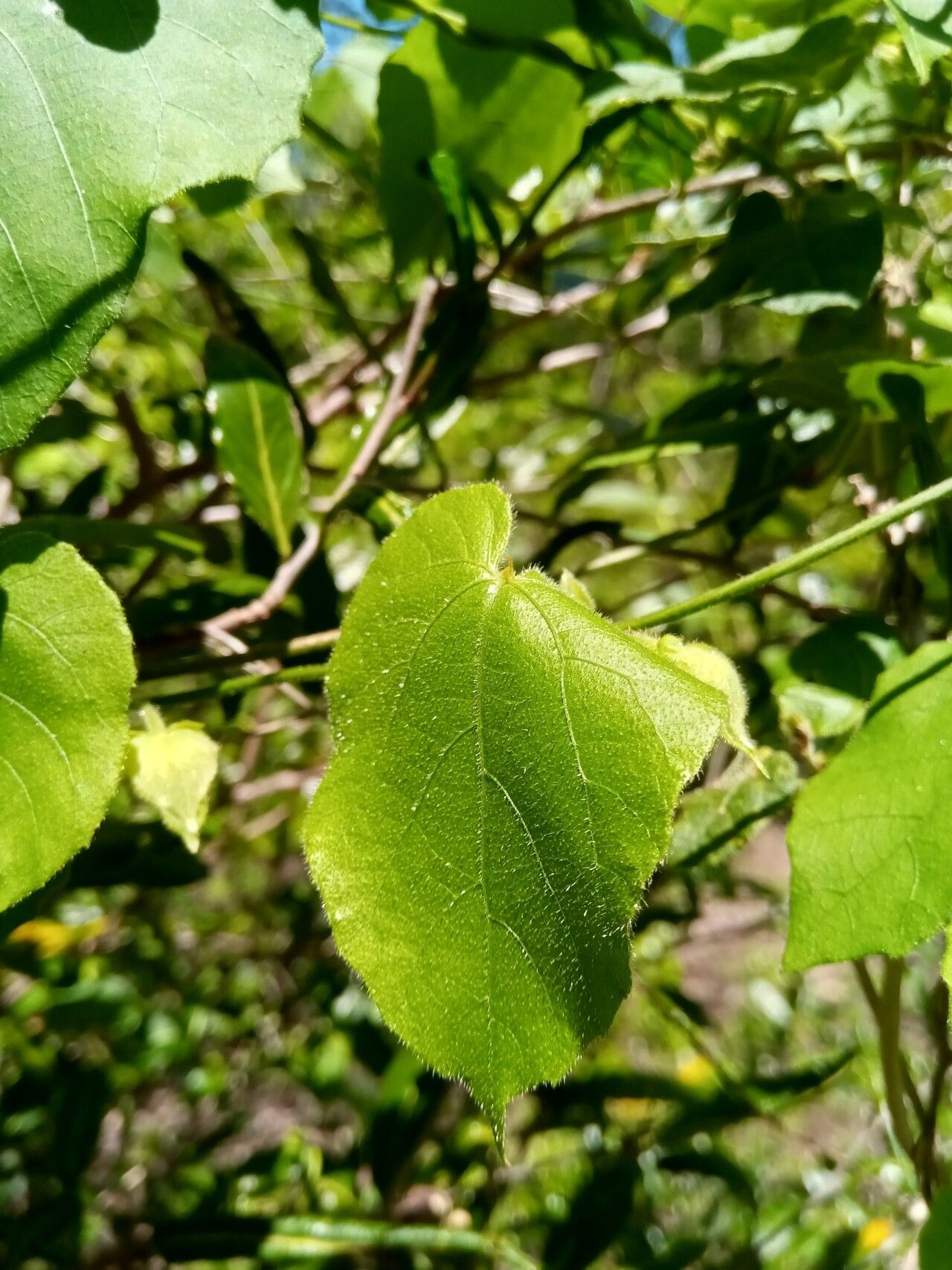
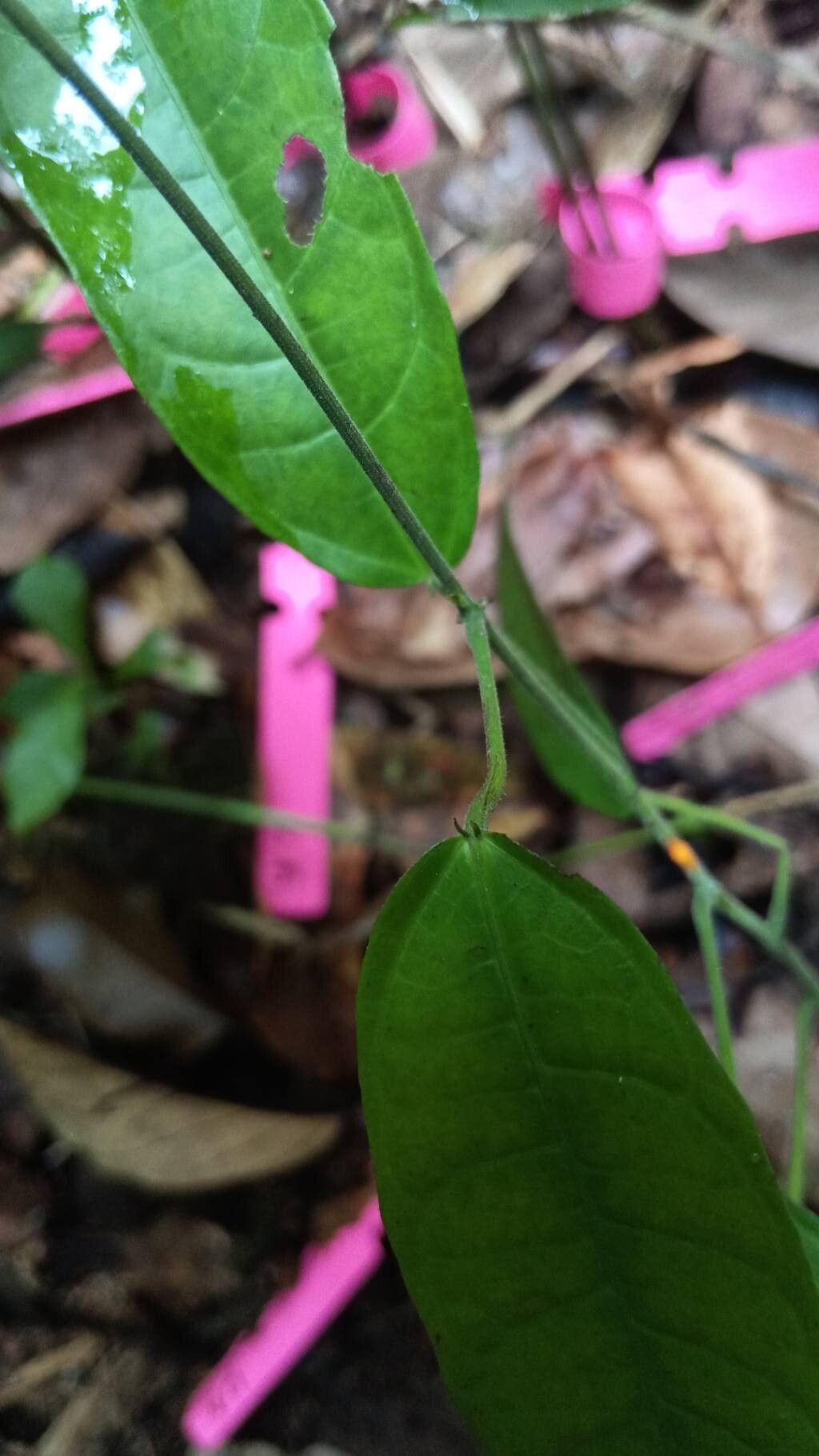
Dalechampia dioscoreifolia is a species of plant in the family Euphorbiaceae first described in 1841. It is native to Central America (Costa Rica, Nicaragua, Panama) and northern and western South America (Colombia, Venezuela, French Guiana, northern Brazil, Bolivia, and possibly Ecuador).
Costa rican butterfly vine has strong resistance to disease and is generally not susceptible to illnesses. Regarding care, this plant is fairly low maintenance. When grown outdoors it needs little watering, and larger plants typically do not require pruning. Smaller plants, however, should be pruned after they finish blooming. Costa rican butterfly vinet is appropriate for anyone with outdoor space, such as a garden or deck, and does not demand much care experience.
How to keep Dalechampia Dioscoreifolia.
Light
Costa rican butterfly vine is native to open habitats, such as sunny meadows and forest edges, which supply plenty of light. It does best in Full Sun but can also tolerate Partial Sun, showing good adaptability to various sunlight conditions.
Water
Originating from the moist environments of Central America, the Costa Rican butterfly vine thrives in humid conditions and prefers consistent moisture. This evergreen plant typically needs to be watered twice a week. It also benefits from well-draining soil, which ensures it stays hydrated without becoming waterlogged.
Temperature
The Costa Rican butterfly vine originates from warm regions and prefers temperatures between 68 and 100 °F (20 and 38 °C). If you are cultivating it in a cooler area, consider adjusting temperatures seasonally to accommodate its preference for higher heat.
Fertilizer
The best time to fertilize a Costa rican butterfly vine is in early spring, as it breaks dormancy. This supports overall growth and the development of flowers. Fertilization improves the foliage, stems, and branches, and encourages large, vibrant, long-lasting blooms. It helps transfer nutrients from the roots to the flowers and boosts the plant's health and resistance to disease.
Pruning
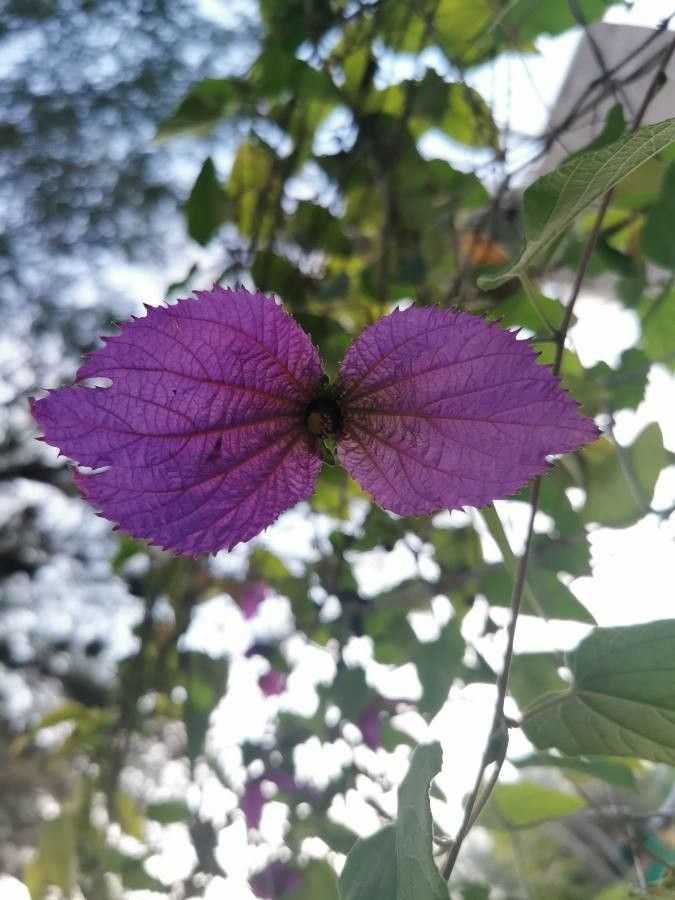
The Costa Rican butterfly vine is known for its vibrant, butterfly-shaped bracts and rapid growth. To promote growth and flowering, prune the vine in early spring. Start by removing dead stems, then trim back overgrown areas, making your cuts just above a leaf node. Be sure to clean your tools to prevent infections, ensuring the plant remains healthy and attractive.
Botanical profile.
- Plant Type
- Vine
- Life Cycle
- Perennial
- Genus
- Dalechampia
- Family
- Euphorbiaceae
- Hardiness Zone
- 10-11
- Mature Height
- 1 cm to 20 cm
- Mature Spread
- 2.13 m to 3.05 m
- Leaf Color
- Green
- Leaf Type
- Evergreen
- Flower Color
- Purple, Pink
- Flower Size
- 5.08 cm to 6.35 cm
- Bloom Time
- All year round
- Planting Time
- Summer, Autumn
- Harvest Time
- All year round
- Native Area
- Colombia, Venezuela, Peru, Brazil, Nicaragua, Ecuador, Costa Rica, Panama
Reader questions.
What are the sun requirements for Costa Rican butterfly vine?
The Costa Rican butterfly vine, scientifically known as Dalechampia dioscoreifolia, thrives in areas that meet specific sunlight conditions. It requires full sun exposure, which means it should receive above 6 hours of sunlight daily. However, the plant can also grow in partial sun, where it gets about 3-6 hours of sunlight. It's essential to observe how sunlight moves through your garden throughout the day. This observation will help you find the perfect spots that offer a balance of light and shade, ensuring the plant's health and happiness.
What is the Costa Rican butterfly vine?
The Costa Rican butterfly vine, botanically known as Dalechampia dioscoreifolia, is a plant native to warm climates. It thrives in temperatures ranging from 68 to 100 °F (20 to 38 °C). To successfully grow this vine in cooler climates, it's advisable to adjust the temperature seasonally to align with its preference for warmer conditions.