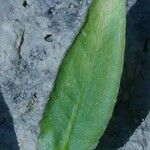
Damasonium alisma
Starfruit · Thrumwort · Waterstar
Description
Source: leafsnapDamasonium alisma, commonly known as Starfruit, is a perennial aquatic plant belonging to the family Alismataceae. It is native to Europe and Asia and thrives in shallow water bodies such as ponds, lakes, and slow-moving streams. The plant features long, slender stems that can grow up to 1 meter in length, with leaves arranged alternately along the stem. The leaves of Damasonium alisma are long, narrow, and pointed at the tip. They are dark green with prominent veins running through them. The plant produces small flowers that are white or pale pink, arranged on a spike-like inflorescence that rises above the water's surface. The fruit of Damasonium alisma is star-shaped, which gives the plant its common name, "Starfruit." The fruit has five pointed lobes containing small seeds. Damasonium alisma plays an important role in aquatic ecosystems by providing shelter for fish species such as carp, tench, and roach. Additionally, it helps improve water quality by absorbing excess nutrients from the surrounding environment. In traditional medicine practices in Europe and Asia, where the plant grows natively or has been introduced, Damasonium alisma has been used to treat various ailments, including digestive disorders like diarrhea, due to its anti-inflammatory properties. Overall, Damasonium alisma is an important aquatic plant species both ecologically and medicinally. Its unique characteristics make it an interesting subject for further research on sustainable utilization while conserving biodiversity, especially given the increasing human pressures on freshwater ecosystems globally.
Care Guide
💧 Water Every 7 days
Waterstar is a plant that naturally grows in wetland habitats, flourishing in moist, saturated soils. To ensure it stays hydrated, it should be watered twice a week. Waterstar is commonly grown outdoors and is an excellent addition to water features, showcasing its star-shaped blooms during the growing season.
☀️ Light Full sun
Waterstar is native to areas with plentiful sunlight, like the shallow margins of ponds and lakes. It prefers full sun but can also tolerate partial sun.
What are the sun requirements for Waterstar plants?
Waterstar plants, known botanically as Damasonium alisma, thrive under specific sunlight conditions. To ensure their happiness and healthy growth, it's vital to understand their sun requirements. Waterstar plants need 'Full sun' conditions, which means they should receive above 6 hours of direct sunlight daily. They can also tolerate 'Partial sun' conditions, where they get about 3 to 6 hours of sunlight per day. When planning your garden, observe how sunlight moves through the area throughout the day. This will help you select locations that offer the ideal balance of light and shade, suitable for your Waterstar plants. Remember, the right amount of sunlight is crucial for their development and blooming.
🌡️ Temperature 10–35°C
Waterstar can tolerate a wide range of temperatures, but its range may still be constrained by different combinations of moisture and heat. It performs best in warm summer climates with adequate rainfall or watering. Extended periods of cloudy, rainy weather, as well as prolonged high temperatures, increase the likelihood of Waterstar dying. In winter, proper protection from cold can raise the plant's survival rate.
💨 Humidity
🪴 Soil
🌱 Fertilizer
To promote optimal growth, fertilize waterstar with balanced nutrients during the spring and summer. During the vegetative phases, switch to a high-nitrogen fertilizer, applying it monthly. Use the fertilizer sparingly to prevent root burn while still providing the nutrients needed for strong growth. It's important to make seasonal adjustments and monitor the plant's response to fertilization to ensure the best health for your waterstar.
🪴 Pot & Repot
✂️ Pruning
Waterstar is a plant that thrives in aquatic environments and is known for its star-shaped flowers. It is best to perform annual pruning between early and late spring. During this time, you should remove dead foliage and thin out crowded areas. This helps improve light and water flow, promotes healthy growth, reduces the risk of disease, and enhances the ornamental appeal of garden ponds.
🌿 Propagating
🐛 Diseases & pets
☠️ Toxicity
Characteristics
- Plant Type
- Herb
- Life Cycle
- Annual, Perennial
- Genus
- Damasonium
- Family
- Alismataceae
- Hardiness Zone
- 6-9
- Mature Height
- 20 cm to 40 cm
- Mature Spread
- 15 cm to 30 cm
- Leaf Color
- Light Green
- Leaf Type
- Semi-evergreen
- Flower Color
- White
- Flower Size
- 1.02 cm to 1.52 cm
- Bloom Time
- Early summer, Mid summer
- Planting Time
- Spring, Summer
- Harvest Time
- Late summer, Early fall
- Native Area
- Russia, Iraq, Turkey, Syria, Italy, Kazakhstan, Portugal, Iran, Cyprus, Azerbaijan, United Kingdom, Ukraine, France