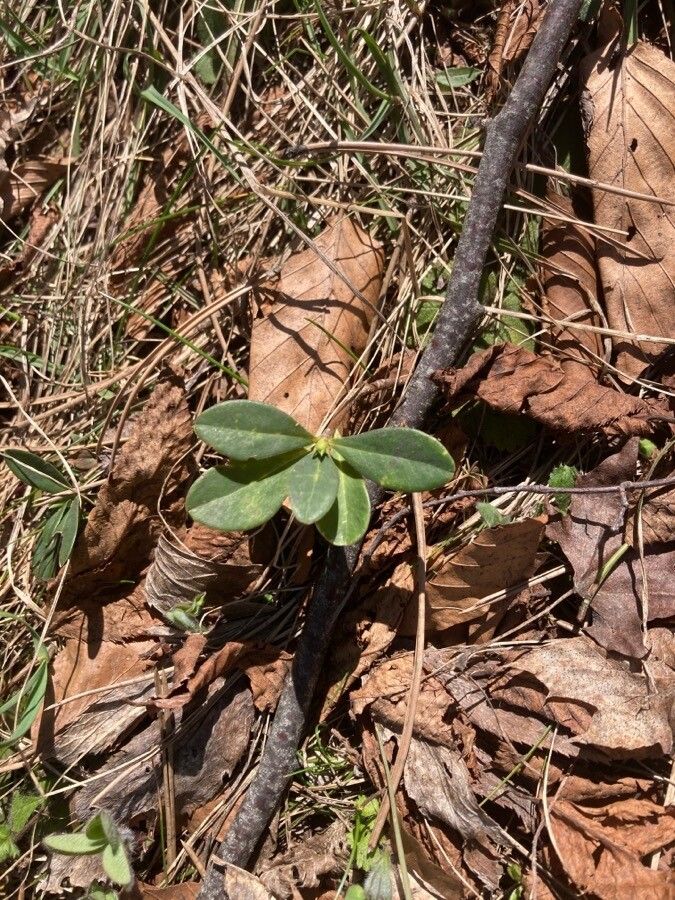
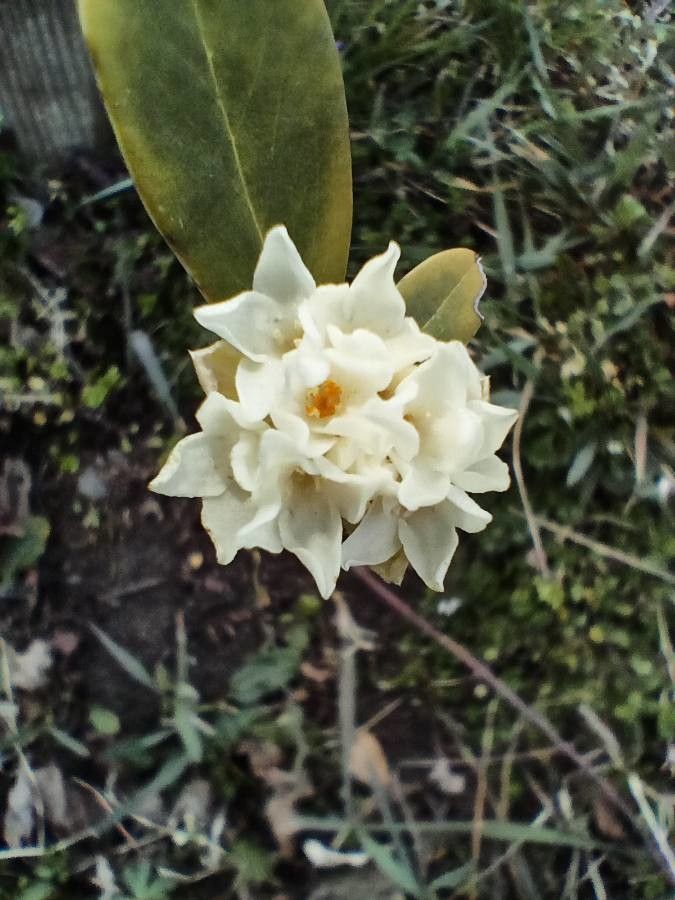
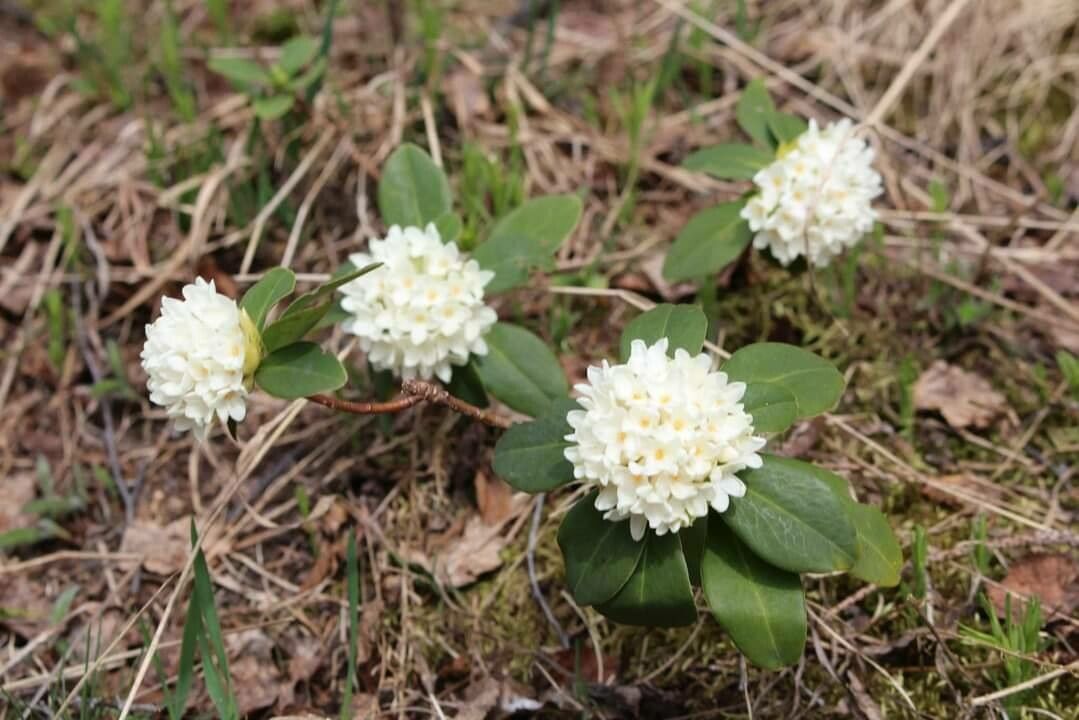
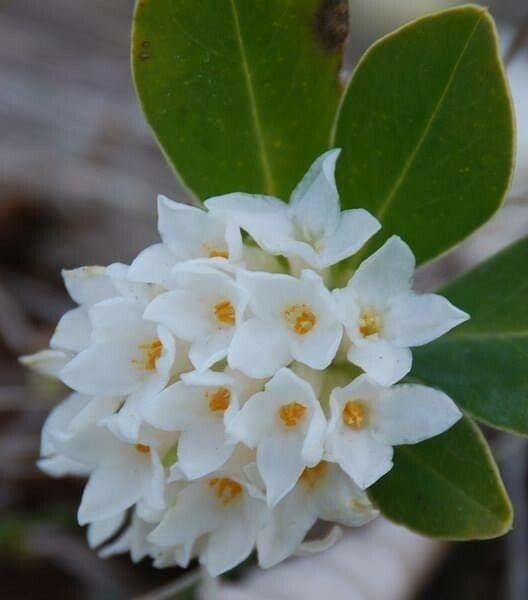
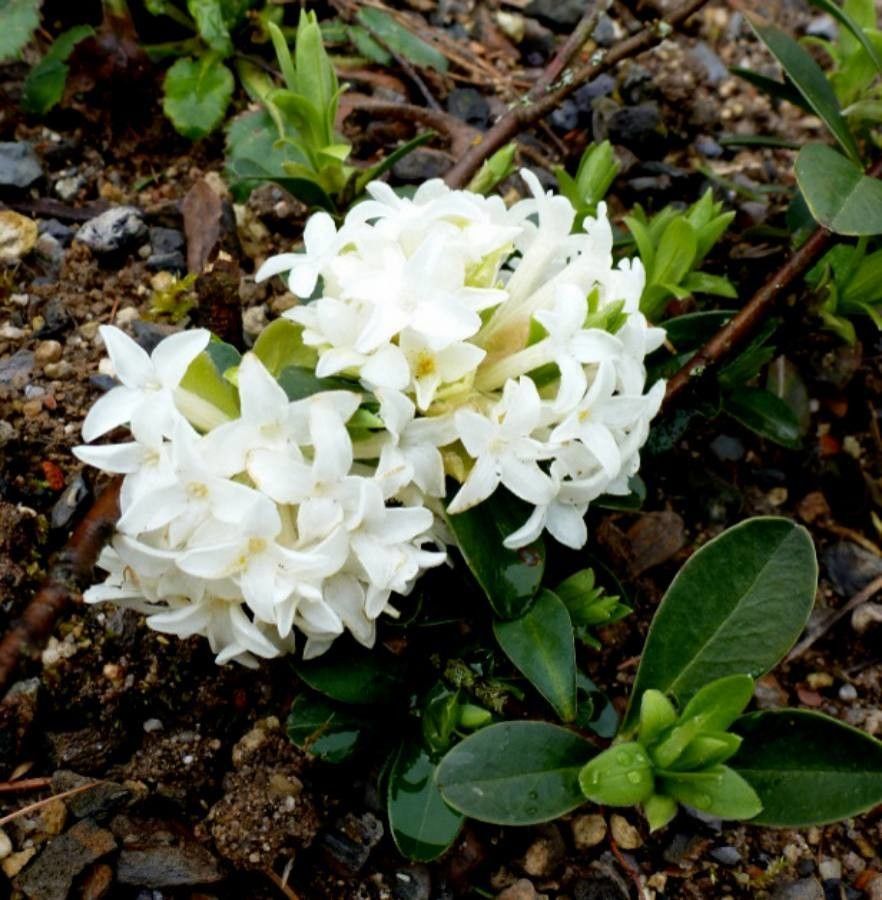
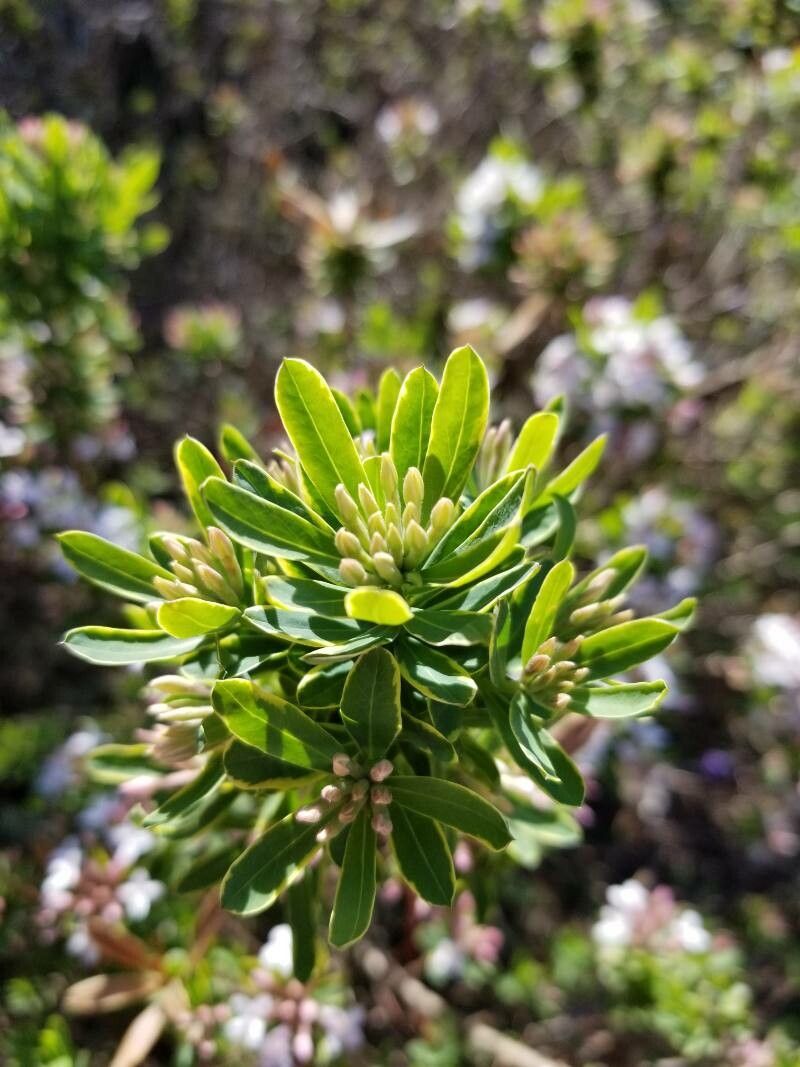
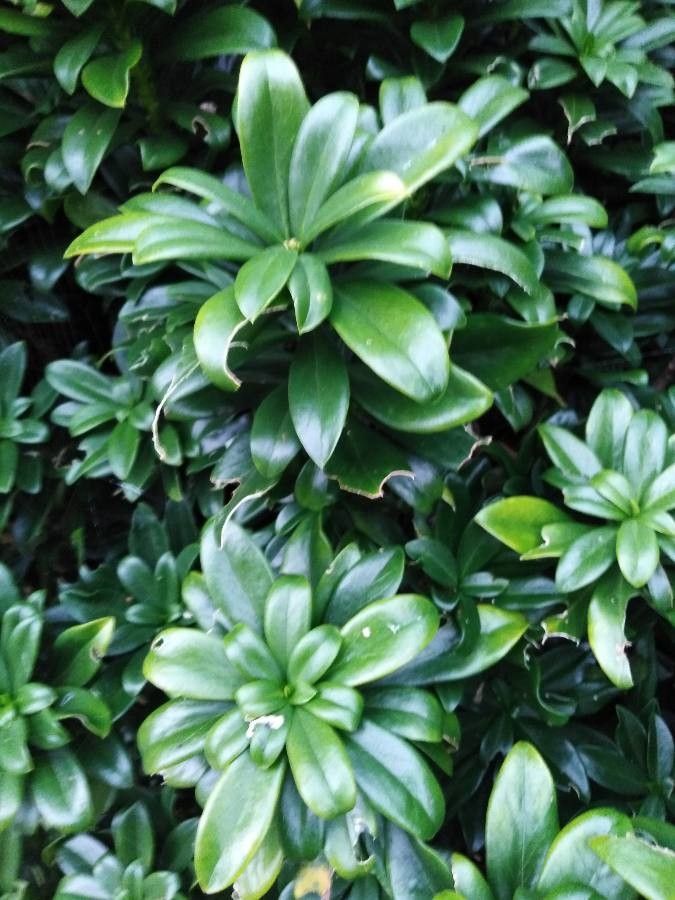
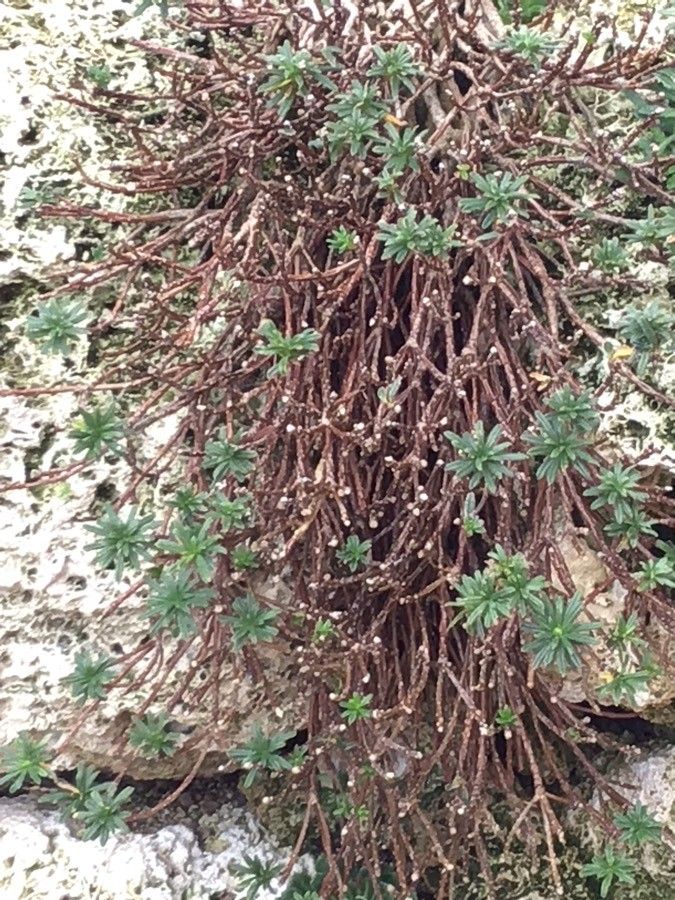
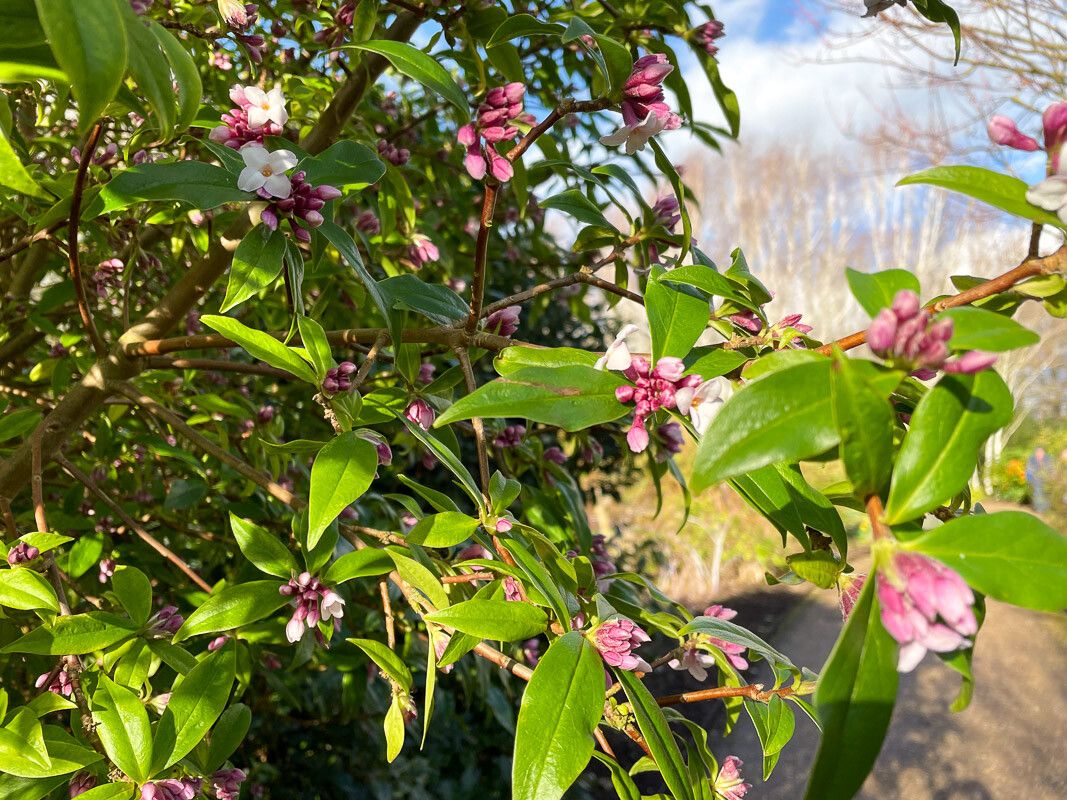
Daphne blagayana is a species of flowering plant in the genus Daphne. It was discovered in 1837 near Polhov Gradec (now northeastern Slovenia) by Heinrich Freyer and named after the botanist Rihard Blagaj.
Silky spurge displays strong resistance to disease and is generally not susceptible to illnesses. In terms of care, this plant is fairly low-maintenance. When grown outdoors it needs only minimal watering, and larger plants typically do not require pruning. Smaller plants, however, should be trimmed after they have finished blooming. Silky spurget is appropriate for anyone with an outdoor area, such as a garden or deck, and does not demand extensive gardening experience.
How to keep Daphne Blagayana.
Temperature
Silky spurge is highly adaptable to a variety of climates, handling both blistering summers and cold winters. However, it does have an optimal temperature range for growth. When temperatures become too high, the plant is vulnerable to heat and humidity stress, which can lead to its death. In areas where temperatures approach the lower limit of its cold tolerance, providing insulation is important to protect the plant.
Fertilizer
Fertilize your Silky spurge in early spring to encourage healthy growth. Regular feeding improves the plant’s overall health, producing vigorous growth, increased resilience to difficult conditions, and stronger resistance to pests and diseases. Stick to a consistent fertilization routine for your Silky spurge to keep the foliage bright with rich color and a lush appearance.
Botanical profile.
Other names.