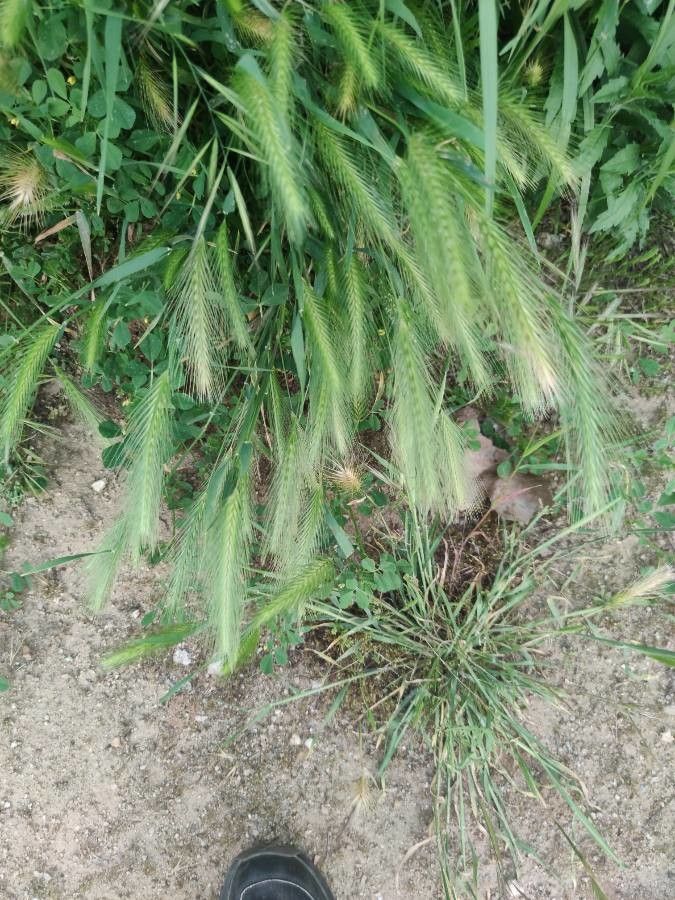
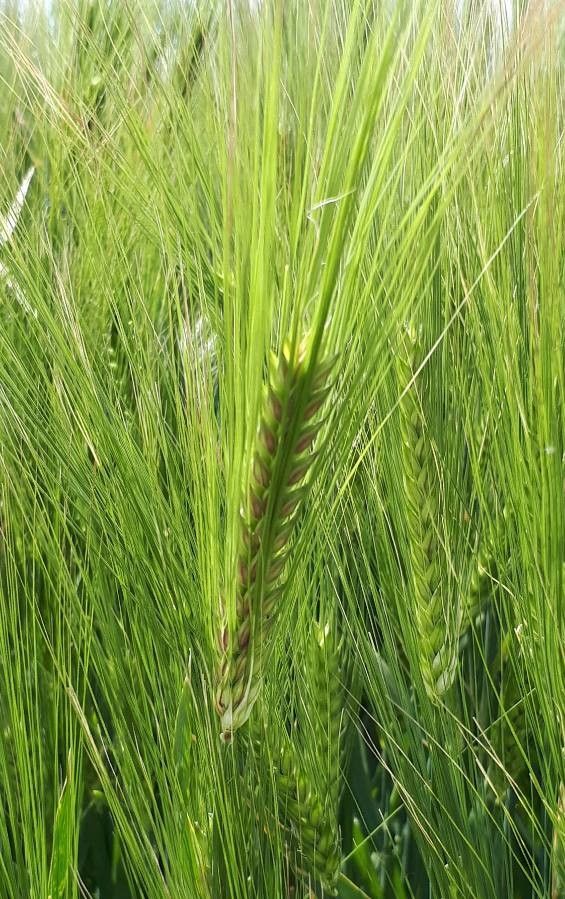
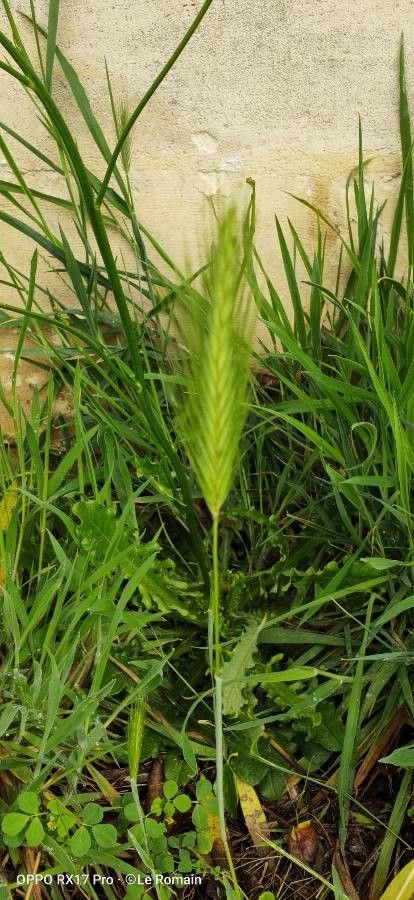
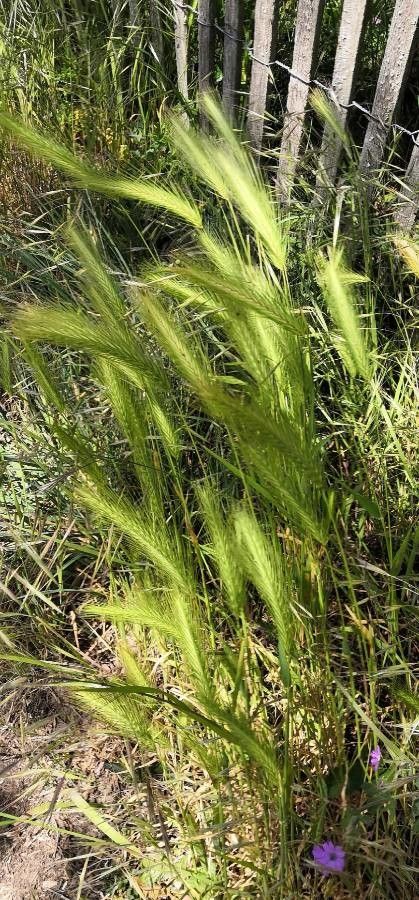
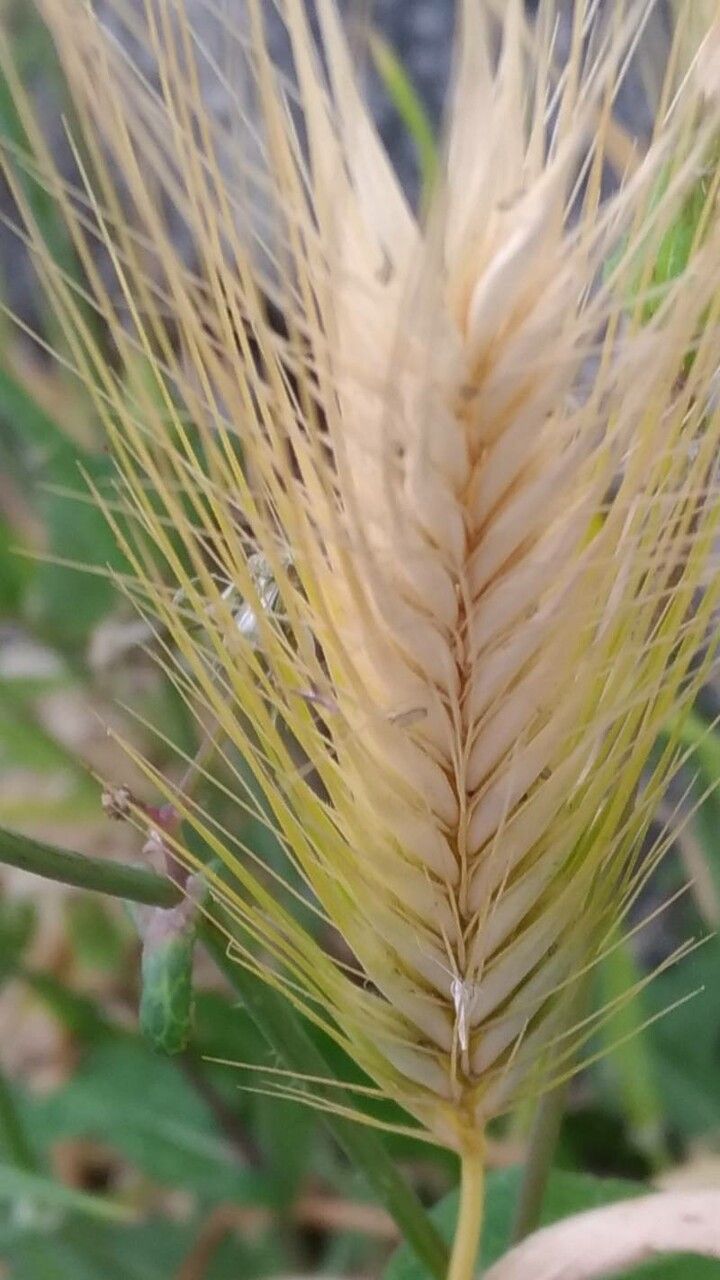
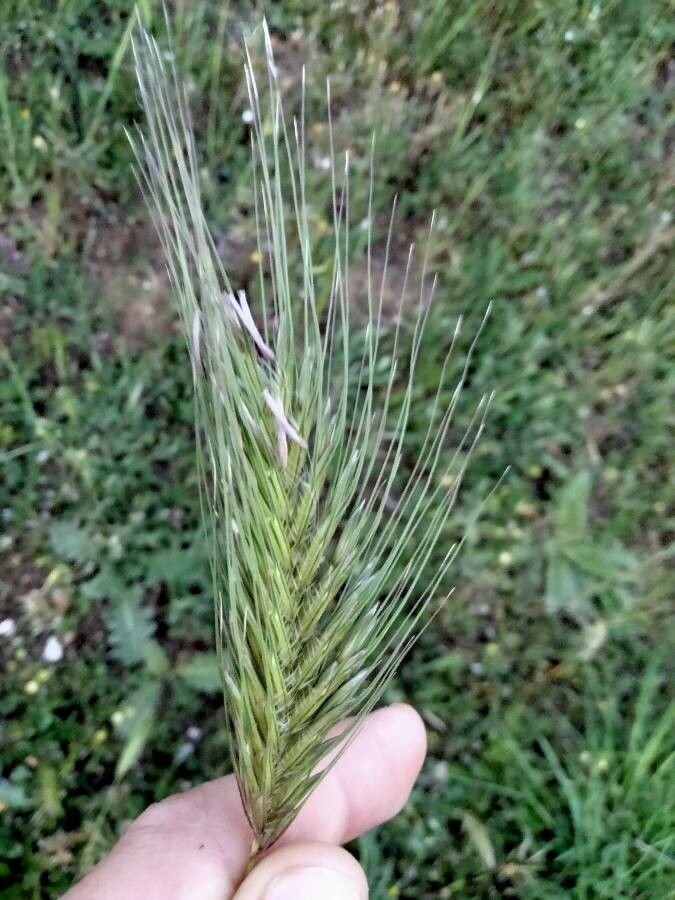
Dasypyrum villosum is a species of annual grass in the family Poaceae. It is native to eastern and southern Europe and Western Asia from the Balearic Islands to Turkmenistan, including in the Mediterranean and the Caucasus regions.
Mosquito-grass is fairly disease-resistant and generally does not develop diseases. With respect to care, this plant is relatively low-maintenance. When grown outdoors it needs little watering, and larger plants typically do not require pruning. Smaller plants, however, should be pruned after they finish blooming. Mosquito-grass is suitable for anyone with an outdoor area, such as a garden or a deck, and does not demand much prior plant-care experience.
How to keep Dasypyrum Villosum.
Light
Mosquito-grass is native to bright, open habitats where it performs best in full sun. It can tolerate partial shade but prefers direct sunlight for optimal growth. This plant, which can be annual or biennial, is known for its sun-loving characteristics.
Water
Mosquito-grass, native to the Mediterranean, thrives in moderate climates with consistent moisture but can tolerate short periods of drought. Ideally, it should be watered weekly, ensuring the soil is neither waterlogged nor too dry. Primarily an outdoor plant, mosquito grass benefits from natural rainfall and adapts its growth cycle to the seasonal availability of water.
Temperature
Mosquito-grass can tolerate a wide range of temperatures, but its distribution may still be restricted by various combinations of moisture and heat. It grows best in warm summer climates with sufficient rainfall or irrigation. Extended periods of cloudy, rainy weather or sustained high temperatures can raise the chance of mosquito-grass dying. In winter, protecting it from cold can increase the plant’s survival rate.
Fertilizer
For best development, Mosquito-grass needs three fertilizer applications: before planting, about one month after the seedlings emerge, and a final application 1 to 1.5 months after the second. Some Mosquito-grass varieties may also benefit from extra fertilizer at planting to encourage faster growth.
Pruning
Mosquito grass has slender leaves and delicate flower spikes. To promote growth and flowering, prune it between early and late spring. Remove dead stems and trim any overgrown areas to improve its shape. This will enhance foliage density and air circulation, reducing the risk of disease and supporting the plant's overall vigor.
Botanical profile.
- Plant Type
- Grass
- Life Cycle
- Annual
- Genus
- Dasypyrum
- Family
- Poaceae
- Hardiness Zone
- 5-9
- Mature Height
- 49 cm to 91 cm
- Mature Spread
- 20 cm to 30 cm
- Leaf Color
- Green
- Leaf Type
- Deciduous
- Bloom Time
- Late spring, Early summer
- Planting Time
- Spring, Summer, Autumn
- Harvest Time
- Mid summer, Late summer
- Native Area
- Turkey, Romania, Montenegro, Bulgaria, Greece, Croatia, Slovenia, Morocco, Serbia, Russia, Italy, Iran, Albania, Azerbaijan, Algeria, Hungary, France
Other names.
Reader questions.
What should I do if I give too much or too little water to my Mosquito-grass?
Proper watering is essential for this beautiful ornamental grass to thrive. When it's planted in the ground, watering issues can be fixed. However, if it's planted in a container, too much or too little water can quickly kill Mosquito-grass. When Mosquito-grass doesn't get the right amount of water, it may stop growing. Overwatering can cause yellow leaves with brown tips, while underwatering can lead to drooping leaves, weak seed head production, and browning. If you suspect your Mosquito-grass has watering issues, first determine if it's getting too much or too little water. If it's getting too much, stop watering immediately, and be patient as heavy soils can take weeks to dry out. Once you see new growth, test the soil for moisture and decide if it needs more water. On the other hand, if Mosquito-grass is getting too little water, simply give it a deep drink and see if it improves. Keep in mind that a long, deep watering is better than frequent shallow waterings. This encourages deep root growth, making the grass more resistant to drought and watering problems.
How often should I give water to my Mosquito-grass?
The watering needs of Mosquito-grass vary depending on where it is planted. Generally, you should water this grass every week. In hot climates, watering once or twice a week in the summer may be necessary. In moderate climates, watering once every seven days or more may be enough. Grass in containers usually need more frequent watering than grasses in the ground. However, the location also matters for this species, as shaded grasses need less frequent watering than those in the ground. Mosquito-grass should only be watered when the soil is dry. There are a few signs you can use to determine when to water. Pressing your finger a few inches into the soil will tell you if it is dry. For potted grass, you can weigh it with a portable scale or feel if the pot is light from lack of water. When the roots lack sufficient water, the blades may appear folded along their centers and thinner than usual. Despite its drought tolerance, regular, deep waterings will result in a beautiful color. In the wild, Mosquito-grass grows in open scrubland with extreme heat, bright sun, and intermittent rain. Although it is drought resistant, it still needs care and attention. Gardeners agree that consistent water is beneficial for its thriving. When first planted, Mosquito-grass needs more frequent watering until it establishes deep roots. For potted grass, the soil dries out quickly in hot, direct sun, so it should be tested every 3 to 4 days and watered only when dry. Mosquito-grass in the ground generally needs less watering, but this depends on the type of soil. Clay soil holds water for a long time and may feel dry at the surface while retaining moisture below. Sandy soils that drain quickly will need to be watered more often.
What do I need to watch out for when watering my Mosquito-grass in different seasons, climates, or during different growing stages?
To determine if you are watering your grass enough, observe its growth rate. Mosquito-grass, for example, tends to double in size within a year during the hottest months. If the weather is hot but the grass isn't growing vigorously, you may need to adjust your watering schedule. In winter, watering once a month might be sufficient, but always check the soil to ensure it has enough moisture. During the grass's growth cycle in the warmest months, it will require more water than usual. However, water requirements will significantly decrease during winter and cooler months. Remember that it is crucial to let the soil dry out completely before watering Mosquito-grass.