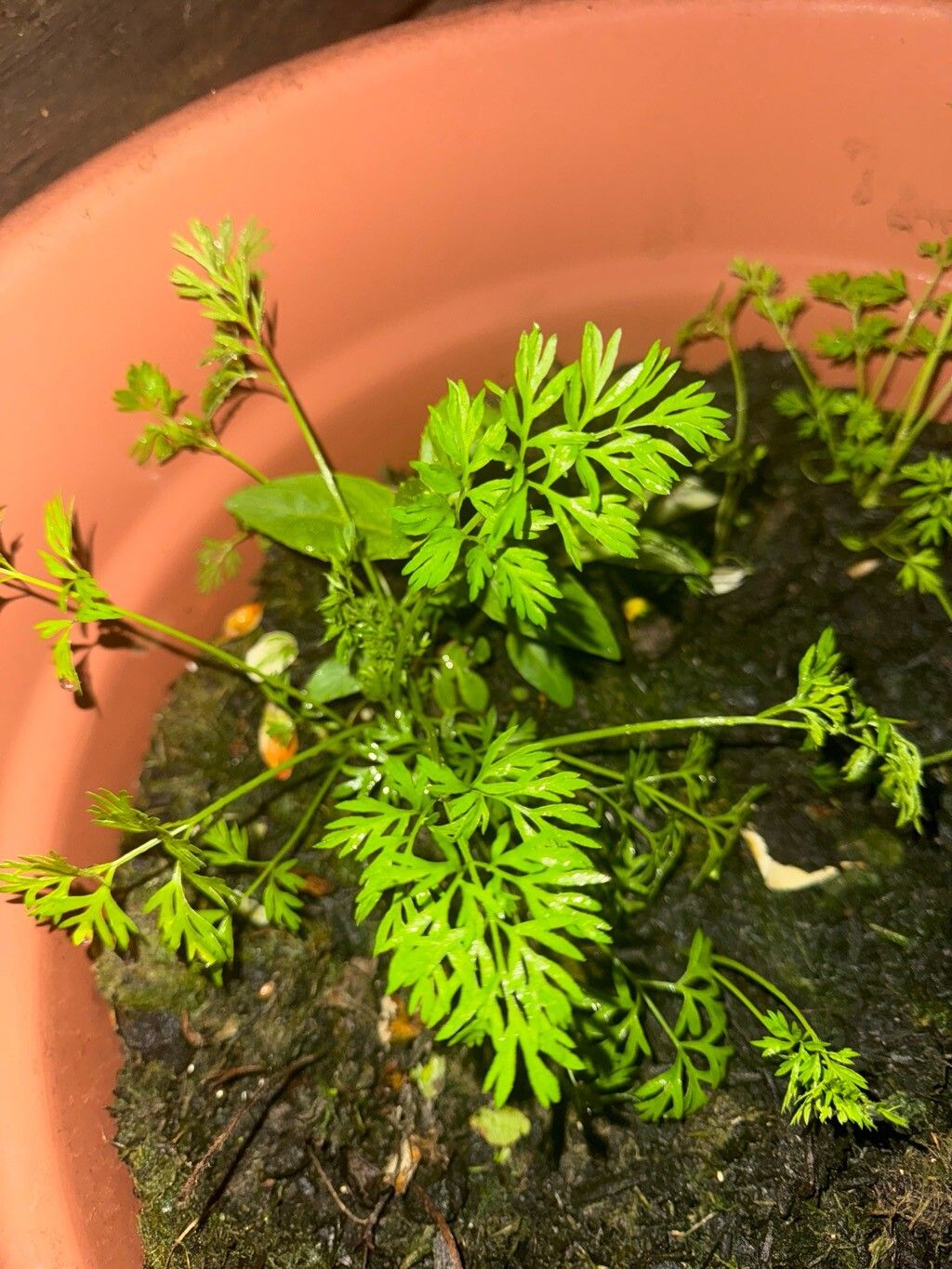
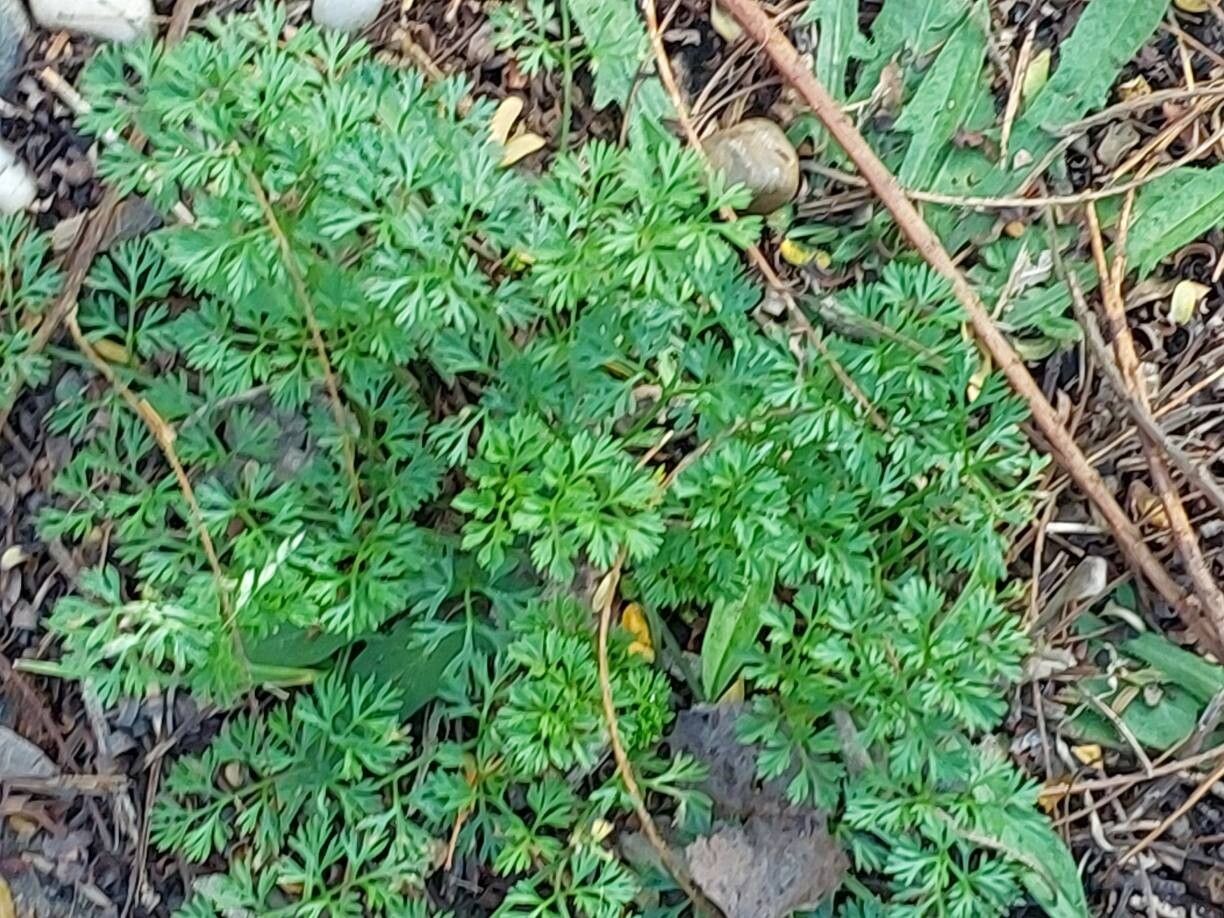
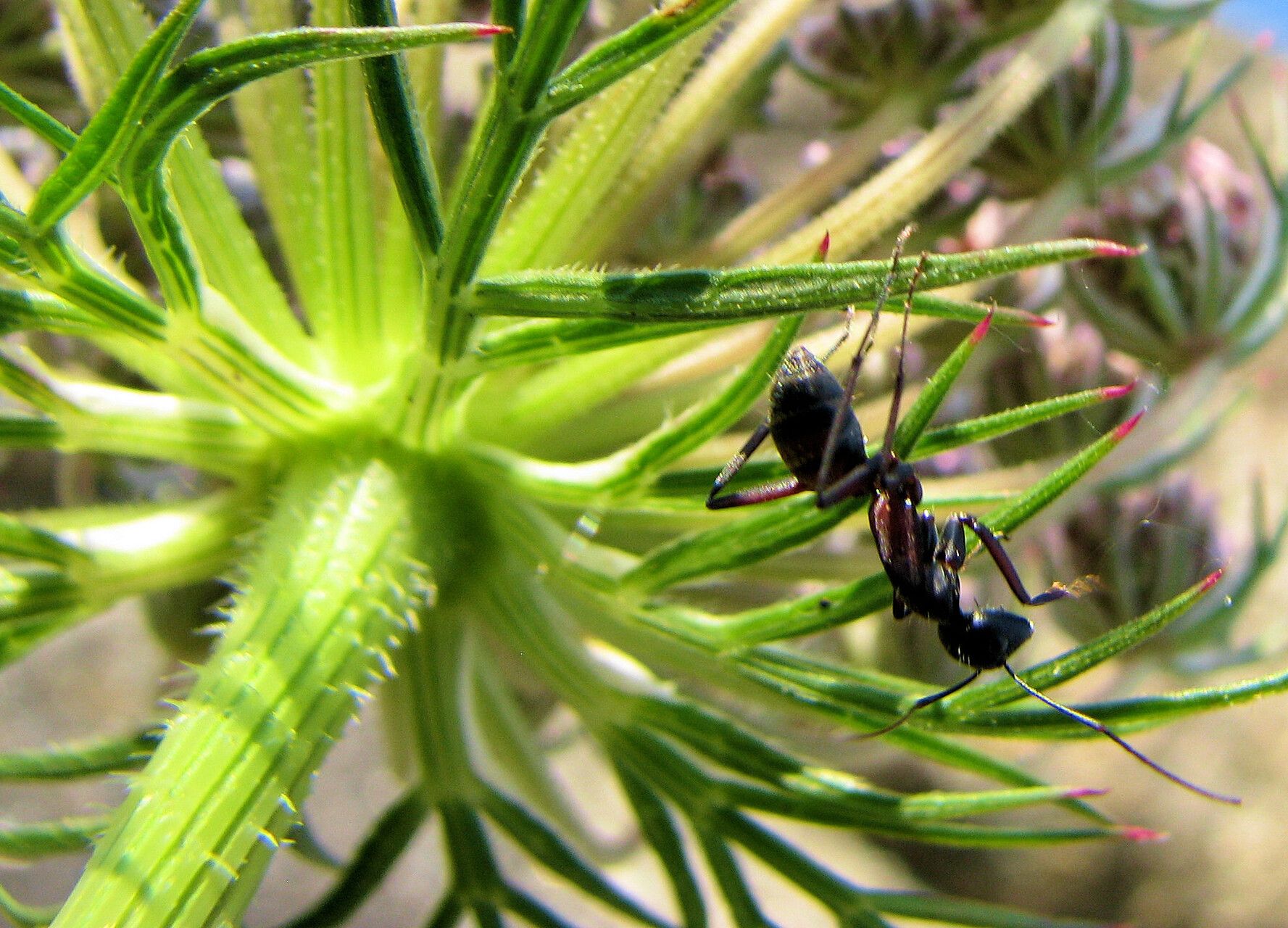
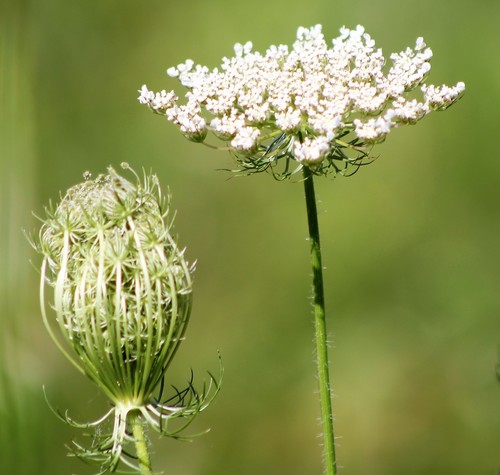
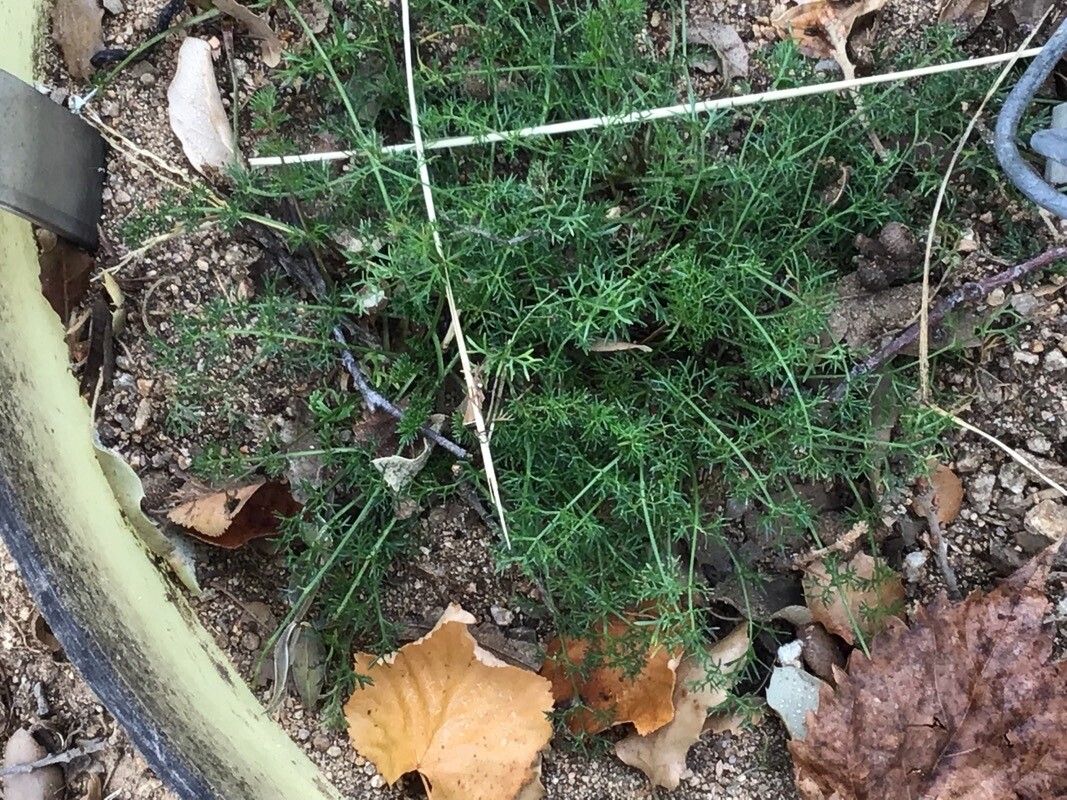
Daucus glochidiatus, commonly known as the prairie carrot or prairie wild carrot, is a flowering plant species in the Apiaceae family. Native to North America, it thrives in diverse habitats, including prairies, meadows, and open woodlands. This plant typically reaches up to 1 meter in height and features finely divided, green-gray leaves. The small, white flowers with a pinkish hue bloom from June to August. The fruit of Daucus glochidiatus is a small, oval-shaped seed covered in prickly hairs that can adhere to clothing or animal fur for dispersal.
For centuries, Native American tribes have used the roots of Daucus glochidiatus for medicinal purposes. These roots served as an antiseptic for wounds, aided in digestion, and even acted as a contraceptive.
Ecologically, Daucus glochidiatus is crucial as it provides food for various insects, including bees and butterflies. Additionally, it offers habitat for ground-nesting birds such as the meadowlark.
In summary, Daucus glochidiatus is an important native plant species with significant ecological and medicinal value. It merits the attention of conservationists dedicated to preserving North American biodiversity.
Botanical profile.
Other names.