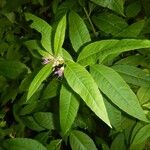
Decodon verticillatus
Swamp-loosestrife · Water-willow · Hairy Swamp Loosestrife · Swamp Willowherb · Water Oleander
Description
Source: leafsnapDecodon verticillatus, the sole species in the genus Decodon, is a flowering plant in the family Lythraceae. It is commonly known as waterwillow or swamp loosestrife. It is native to wetlands in the eastern half of the United States and Canada.
Care Guide
💧 Water
Swamp loosestrife flourishes in wetland habitats, where it prefers moist, consistently damp soils. It is resilient to saturation and only requires weekly watering. This plant is ideal for aquatic settings and outdoor environments, as its growth cycle aligns with water availability. This makes it particularly suitable for riparian plantings.
How should I water my Swamp loosestrife plant?
To ensure the health of the Swamp loosestrife when watering it, it is recommended to use filtered water that is at room temperature. Tap water may contain harmful particles that could affect the plant's wellbeing. Given that the Swamp loosestrife is accustomed to a warm environment, it is important to avoid using cold water, as it may shock the plant. Moreover, it is best to refrain from watering this plant from above, as it can lead to issues with the foliage. Instead, the recommended approach is to apply filtered room temperature water directly to the soil until it is fully saturated. This method of watering benefits the plant by moisture the roots and aiding their spread through the soil, while also ensuring they receive the necessary nutrients.
What should I do if I give my Swamp loosestrife too much or too little water?
Overwatering is a more common problem than underwatering for Swamp loosestrife. When this plant gets too much water, its stems and leaves can wilt, turn yellow, and even develop diseases like root rot, mold, and mildew. On the other hand, underwatering is less likely to happen because Swamp loosestrife can tolerate drought fairly well. However, if it does occur, the leaves will become brittle and brown. It's important to notice the signs of overwatering quickly because some diseases caused by overwatering, like root rot, may not be fixable if you wait too long. If you see early signs, reduce your watering schedule and check the soil drainage. If the soil doesn't drain well, replace it with a loose, well-draining potting mix. On the other hand, if signs of underwatering are present, simply water more regularly until the signs go away.
How often do I need to water my Swamp loosestrife?
If your Swamp loosestrife is in a pot, the most precise way to know if it needs water is to check the soil. Stick your finger into the soil and if the top two to three inches feels dry, it's time to water it. If you have your Swamp loosestrife planted in the ground outdoors, you can use the same method. If the top few inches of soil feel dry, it's time to water. In the spring and early fall, you'll generally need to water this plant about once a week using this method. During extremely hot weather, you may need to water it twice a week or more. However, it's worth noting that mature and well-established Swamp loosestrife can tolerate drought quite well.
How much water does my Swamp loosestrife plant need?
When watering your Swamp loosestrife, don't be afraid to give it a generous amount of water. Make sure the first two to three inches of soil are dry before watering, and give it a thorough soak. Add enough water so that it flows out of the drainage holes at the bottom of the pot. If you don't see any excess water draining, you may have underwatered the plant. However, be careful not to let water accumulate in the soil, as this can harm the plant. If you notice water not draining properly from the pot, it could be due to poorly draining soils, which is not good for the plant's health. If the plant is outside, about 1 inch of rain per week will be enough.
How do I water my Swamp loosestrife at different times as it grows?
The water needs of the Swamp loosestrife can vary based on its growth stages. During the first few years of its life or after being transplanted to a new location, it requires more water. This is because it is focused on growing new roots to support future growth, and these roots need more moisture. As the Swamp loosestrife matures, it will require less water. Additionally, during the bloom period, when the plant is developing flowers, it will also require more water to support this process.
☀️ Light Full sun
Swamp loosestrife grows best when it receives plentiful sunlight during the day. It can tolerate periods of semi-shade. However, extended stretches without sufficient light can impede its growth, and excessive sun may damage the foliage, indicating its origin in habitats with abundant solar radiation.
What are the sunlight requirements for Swamp Loosestrife?
Swamp Loosestrife (Decodon verticillatus) thrives in full sunlight, requiring more than 6 hours of direct sunlight a day for optimal growth. It can also adapt to partial sun conditions, which means about 3-6 hours of sunlight a day. It's essential to observe your garden's sunlight patterns to ensure the plant receives the right balance of light and shade for its health. Prolonged periods without sufficient light or overly intense exposure can hinder the plant's growth or damage its foliage, indicating its preference for environments with abundant sun.
Can Swamp Loosestrife be grown indoors and how?
Yes, Swamp Loosestrife can be grown indoors, especially when natural sunlight is insufficient. It's advisable to provide artificial lighting to ensure the plant's optimal growth. Indoor plants benefit from LED lights, which can be customized for the specific wavelengths needed. Full sun plants should have 30-50W/sq ft of artificial light, partial sun plants 20-30W/sq ft, and full shade plants 10-20W/sq ft. The light source should be placed 12-36 inches above the plant, mimicking natural sunlight for about 8-12 hours per day to promote healthy growth.
What are the symptoms of inadequate lighting for Swamp Loosestrife?
Symptoms of inadequate lighting in Swamp Loosestrife include smaller new leaves, leggy or sparse growth, faster leaf drop, slower or halted new growth, paler or irregularly colored new leaves, and conditions such as chlorosis (where leaves turn yellow), sunscald (damage from intense exposure), leaf curling (to minimize water loss), wilting (loss of turgor pressure), and leaf scorching (brown, dry edges from excessive light). These symptoms help identify whether the plant needs adjustments in its light exposure.
What solutions can address Swamp Loosestrife's light-related growth issues?
To address light-related growth issues in Swamp Loosestrife, gradual adjustments to their light exposure are key. For indoor plants, gradually moving them to sunnier spots or utilizing artificial lighting for at least 8 hours daily can help. Outdoors, transitioning the plants to areas with more sunlight each week helps avoid shock and sunburn. Additionally, pruning can reduce obstructions to light, and for smaller plants, transplanting during their dormant period to a sunnier location with good drainage can promote healthy growth. Remember, parts of the plant that suffered from light deficiency may not recover, but new growth will be healthy after adjusting light exposure.
🌡️ Temperature 0–35°C
Swamp loosestrife is native to habitats with temperatures ranging from 32 to 95 °F (0 to 35 ℃). It prefers temperate climates. Seasonal adjustments are generally not necessary unless extreme temperatures are expected.
What is the native environment of Swamp Loosestrife?
Swamp Loosestrife, scientifically known as Decodon verticillatus, is native to environments where temperatures range from 32 to 95 °F (0 to 35 °C). It prefers temperate climates and has strong cold resistance, making seasonal adjustments unnecessary for the most part. However, in anticipation of extreme temperatures, certain precautions should be taken. For instance, if winter temperatures are expected to drop below -35°C, it's important to provide cold protection by covering the plant with soil or straw. Additionally, watering the plant abundantly before the first freeze in autumn is recommended to ensure the soil remains moist and enters a frozen state, which helps in preventing drought and water scarcity during winter and early spring.
How does Swamp Loosestrife react to low temperatures?
Swamp Loosestrife is known for its cold tolerance, thriving best when temperatures are above 0°C. It generally should be kept above -30°C during winter. However, when temperatures fall below -35°C, there might not be noticeable changes during the winter, but there could be a decrease in sprouting or even no sprouting at all come springtime. To manage this, it is advised to remove any parts that have failed to sprout in the spring.
How should Swamp Loosestrife be cared for in high temperatures?
During the summer, it's essential to keep Swamp Loosestrife's environment below 35°C. Exceeding 38°C can result in lighter colored leaves, curling, susceptibility to sunburn, and in severe cases, the entire plant may wilt and dry out. To care for Swamp Loosestrife in such conditions, trim away sunburned and dried-up parts of the plant. Move the plant to a location that provides shade during the midday and afternoon sun, or use a shade cloth to protect it. Additionally, watering the plant in the morning and evening to keep the soil moist can help alleviate the stress from high temperatures.
💨 Humidity
🪴 Soil
🌱 Fertilizer
🪴 Pot & Repot
✂️ Pruning
Swamp loosestrife is a perennial plant that thrives in wet environments. To promote healthy growth, it should be pruned in early spring. During pruning, remove any dead stems and thin out crowded areas to improve air circulation. Make sure to use clean, sharp tools to prevent damage to the plant, which will help enhance its vitality and blooming potential.
🌿 Propagating
🐛 Diseases & pets
☠️ Toxicity
Characteristics
- Plant Type
- Herb
- Life Cycle
- Perennial
- Genus
- Decodon
- Family
- Lythraceae
- Hardiness Zone
- 3-9
- Mature Height
- 1.83 m to 2.44 m
- Mature Spread
- 1.83 m to 2.44 m
- Leaf Color
- Green, Blue
- Leaf Type
- Deciduous
- Flower Color
- Purple, Pink
- Flower Size
- 2.54 cm
- Bloom Time
- Summer
- Planting Time
- Spring, Summer, Autumn
- Harvest Time
- Early fall, Mid fall