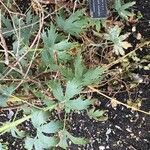
Delphinium grandiflorum
Siberian Larkspur · Bouquet larkspur
Description
Source: leafsnapDelphinium grandiflorum, commonly known as Siberian larkspur, is a herbaceous perennial plant in the buttercup family. Native to Siberia and other parts of Asia, it has been widely cultivated in gardens worldwide for its striking blue flowers. The plant grows up to 60 cm tall and features deeply lobed green leaves. Its large, showy flowers, which have five petals arranged in a distinctive spur shape, bloom from late spring through early summer. These flowers are excellent at attracting bees, butterflies, and other pollinators. Delphinium grandiflorum thrives in full sun or partial shade and prefers well-drained soil rich in organic matter. While it can tolerate some drought, regular watering during dry spells is essential for optimal growth. The plant can be propagated by seed or by dividing established clumps. Beyond its ornamental value, Delphinium grandiflorum has been used medicinally by traditional healers to address various ailments, including fever reduction and pain relief, due to its alkaloid content. In summary, Delphinium grandiflorum is a visually stunning perennial that enhances any garden landscape with its beautiful blue flowers. Additionally, it holds medicinal properties that have been valued by traditional healers worldwide.
🌳 Siberian larkspur is not only an attractive ornamental plant but has also been investigated for its potential to produce natural dyes. The deep blues and purples of its flowers can be used to color fabrics and to make artists' paints. Moreover, in some traditional practices the plant has been employed to repel insects because of its strong scent and toxic properties. These varied uses highlight the plant's potential beyond its visual appeal.
🎭 A heart that is open
Care Guide
💧 Water Every 7 days
The Siberian larkspur, native to cooler climates, thrives in consistent moisture. While it can tolerate moderate drought, it prefers to be watered weekly. Adding mulch is beneficial, as it helps retain soil moisture and protects the plant from temperature extremes, thereby enhancing its ability to absorb water efficiently.
How should I water my Siberian larkspur?
To properly water the Siberian larkspur, it is important to use filtered water at room temperature. Tap water should be avoided because it may contain harmful particles. The water temperature should be warm or slightly warmer because the Siberian larkspur is native to a warm environment and cold water could be a shock to its system. Instead of overhead watering, it is recommended to pour the filtered room temperature water directly onto the soil until it is completely soaked. This method helps to moisten the roots and supports their continued spread through the soil to gather necessary nutrients.
What should I do if I give too much or too little water to my Siberian larkspur?
Overwatering is a more common problem for Siberian larkspur, causing wilting, yellowing leaves, and possible diseases like root rot. Underwatering is less common but can result in brittle, brown leaves. It is important to recognize signs of overwatering early to prevent irreversible damage. Reduce watering immediately if you notice these signs and consider replacing poorly draining soil. If your larkspur is not receiving enough water, simply increase watering until the signs disappear.
How frequently do I need to water my Siberian larkspur plant?
If your Siberian larkspur is in a pot, the best way to know if it needs water is by sticking your finger in the soil. If the top two to three inches of soil feel dry, it's time to water. If you have your Siberian larkspur planted outdoors in the ground, you can use a similar method to check the soil. Once the top few inches of soil have dried out, it's time to water. Typically, during the spring and early fall, you will water this plant about once per week using this method. However, when the weather is extremely hot, you may need to water twice a week or even more. It's worth mentioning that mature, well-established Siberian larkspur plants can handle periods of drought quite well.
How much water does my Siberian larkspur require?
When it's time to water your Siberian larkspur, don't hold back on the water. Make sure the top two to three inches of soil are dry, and then give the plant a good, deep watering. You want to completely saturate the soil, and make sure that excess water flows out of the drainage holes at the bottom of the pot. If you don't see any excess water draining out, it means you haven't watered enough. Be careful not to let water accumulate in the soil, as that can harm the plant. On the other hand, if water isn't draining properly, it could be a sign of soil that doesn't drain well, which is bad for the plant's health. If the plant is outside, it should receive about 1 inch of rain per week, which is enough.
How do I water my Siberian larkspur as it grows?
The water needs of the Siberian larkspur vary based on its growth stages. In the first few years and after transplanting, it requires more water because it focuses on growing new roots. These roots need extra moisture for optimal performance. As the plant matures, it requires less water. Additionally, during the bloom period, the plant needs more water to support flower development.
☀️ Light Full sun
Siberian larkspur prospers in locations that receive plentiful sunlight for most of the day, though it can also tolerate spots with a moderate amount of sun. Native to bright, daylight-rich habitats, it prefers a shift from abundant to reduced light as it goes through its lifespan. Both excessive and insufficient sun can impede its healthy growth.
What kind of sunlight does Siberian larkspur require?
Siberian larkspur requires a full day of sunlight, at least six hours, to keep its leaves, roots, and blooms healthy. While most perennials also need six hours of sunlight, some, like the Orange Daylily or Giant Coreopsis, can survive on only three hours of sunlight each day. However, these plants won't thrive as well as they would in sunnier conditions.
Can the sun harm Siberian larkspur? How can we shield Siberian larkspur from the sun and heat?
In warm climates, some Perennial Flowering Plants may struggle with excessive heat and suffer from sun damage. They can wilt, dry out, or even experience growth problems if they are consistently exposed to the intense afternoon sun. However, not all plants require protection from the light afternoon sun. For those that are harmed by intense afternoon exposure, it is recommended to provide them with some shade in warmer climates. Gardeners can achieve this by planting these plants in areas that do not receive direct heat during the afternoon, such as under trees or behind bushes.
Should I keep Siberian larkspur out of the sun to protect it?
Certain perennial plants require ample sunlight to reach their maximum bloom. However, in warmer climates, some of these plants actually benefit from less sun. For instance, individuals residing in hotter regions might find it beneficial to shade their flowering perennials during the intense afternoon sun, especially during summer months. Although many perennial flowering plants prefer partial shade in the hottest climates, there are exceptions. Take the Giant Coreopsis, for example, as it is not bothered by excessive sun exposure. These plants can flourish even when placed in the full sun during scorching weather.
What happens if Siberian larkspur doesn't get enough sunlight?
If your Siberian larkspur is not getting enough sunlight, you will see signs of it not getting what it needs. The plants will not produce as many blooms as they would with full sun exposure. Some plants may have dry spots on their leaves, but they will still bloom in the insufficient sunlight. However, the flowers that do bloom will be smaller and less full.
Does Siberian larkspur require specific sunlight care at different stages of its growth?
Siberian larkspur is a beautiful flower that thrives in gardens. For the best blooming results, it requires at least six hours of sunlight each day. However, during extremely hot periods, shading the flowers partially can help them stay fresh for a longer time. It is important to ensure that young Siberian larkspur plants receive enough sunlight but are protected from intense heat during the afternoon. On the other hand, fully mature plants should be given plenty of sun to support their proper growth.
🌡️ Temperature 0–32.2°C
Siberian larkspur comes from temperate regions and grows well in temperatures of 68 to 95 °F (20 to 35 °C). It flourishes in hot summers. To maximize growth, adjust the environment to its preferred temperature range based on the current season.
What temperature is best for Siberian larkspur?
The Siberian larkspur thrives in cooler weather and has a specific temperature range for optimal growth. To ensure its health, keep the temperature between 65~75℉(18~25℃). While the Siberian larkspur can tolerate higher and lower temperatures, it is best to maintain the area within a few degrees of the recommended range. If you are unable to maintain this precise range, don't worry as the plant will still grow, but not as robustly. The Siberian larkspur can tolerate a higher range of 75~85℉(25~30℃) before experiencing damage or reduced growth. On the lower end, it can withstand temperatures as low as 5℉(-15℃). However, it is crucial to monitor the higher temperature range more closely as the Siberian larkspur prefers cooler environments. Exceeding 85℉(30℃) could jeopardize the plant's survival.
Does Siberian larkspur need varying temperatures at different stages of growth?
To ensure a healthy appearance for Siberian larkspur during its early growing stages, it is crucial to maintain an optimal temperature range of 65-75℉ (18-25℃). It is advised to lean towards the lower end of this range, but it is important not to go below -5℉ (-20℃). While extremely cold temperatures can impede growth at any stage, they are not as harmful as excessively hot temperatures. If temperatures remain high during the budding stage, it may prevent Siberian larkspur from flowering altogether.
Here are three ways to control the temperature of Siberian larkspur.
To ensure successful indoor growth of Siberian larkspur, follow these tips: 1. Choose the coldest room in your home, preferably on the side that receives less intense sunlight during the day. However, make sure the room still gets enough sunlight for the plant to grow well. 2. If the Siberian larkspur doesn't flower properly, it may be due to high temperatures during the growing season. This can cause buds to become non-flowering or partially open. To maximize flowering, maintain a temperature range of 65-75℉ (18-25℃). 3. Although Siberian larkspur can tolerate temperatures as low as -5℉ (-20℃), it is vulnerable to frost damage. Signs of frost damage include wilting, discoloration, and eventual browning or blackening of affected areas. Prune any parts showing these signs to keep the plant alive.
Does Siberian larkspur need varying temperatures for each season?
To ensure optimal growth conditions for Siberian larkspur, it is important to maintain a consistent temperature in your growing area throughout the year. If your location experiences harsh winters or extremely hot summers, it is recommended to bring your plants indoors. By keeping them in a cool room, you can provide the ideal conditions for Siberian larkspur to thrive. However, if you choose to keep your plants outdoors, it is crucial to monitor the temperature closely. In regions with particularly hot summers, it is important to ensure that temperatures do not exceed 85°F (30°C). Exposing the plants to such high temperatures can cause them to become dehydrated and damaged, leading to their eventual demise.
How can I make sure Siberian larkspur stays at the right temperature?
If you plan on placing Siberian larkspur outdoors, it's important to protect it from the intense sunlight during the midday. Although this plant needs plenty of sunlight to thrive, direct exposure can lead to overheating and harm certain parts of the plant. Look for an area that has shade from structures or tall trees to shield the Siberian larkspur from the hottest times of the day. Alternatively, if your climate isn't suitable or if you don't have enough space in your garden, you can choose to plant them indoors. When grown indoors, it's easier to control the temperature and ensure optimal growth conditions. Proper fans, ventilation, or an air conditioning unit can help maintain a temperature range between 65-75℉ (18-25℃).
💨 Humidity
🪴 Soil 6-7
🌱 Fertilizer
The best time to fertilize a Siberian larkspur is in early spring, as it comes out of dormancy and begins active growth. Fertilizer supplies essential nutrients needed for healthy development. Although Siberian larkspur typically has low fertilizer requirements, applying it once a year can improve its survival and encourage better, longer-lasting flowers.
Why should I put plant food on my Siberian larkspur?
Fertilization is important for the Siberian larkspur because it provides essential nutrients for the plant's growth. Despite having relatively low fertilization needs, annual fertilization can greatly benefit the Siberian larkspur, keeping it alive and promoting the development of longer-lasting flowers. Anyone wishing to enhance the appearance of their Siberian larkspur should prioritize regular fertilization.
When should I fertilize my Siberian larkspur?
The best time to fertilize a Siberian larkspur is in late winter to early spring. This is when the plant is coming out of dormancy and starting to grow. Fertilizing at this time helps promote healthy growth for the season. While early spring is generally the best time, fertilizing in the fall is also okay. Avoid fertilizing in the summer or winter.
When is it best to not put fertilizer on my Siberian larkspur?
To properly fertilize your Siberian larkspur, it is best to do so only in late winter and early spring. This plant has low fertilization requirements, so one annual feeding is enough. Overfertilizing during spring, summer, and fall can cause problems, unless you didn't fertilize in spring, in which case fall feeding is acceptable. Additionally, avoid fertilizing during winter when the plant is dormant and not actively growing.
What kind of fertilizer should I use for my Siberian larkspur?
For Siberian larkspurs, any general-purpose fertilizer with a balanced amount of the main plant nutrients will work. However, some nutrient blends are particularly beneficial. One belief is that higher levels of phosphorus can strengthen roots and improve flowers. Since Siberian larkspurs are flowering plants, using a phosphorus-rich fertilizer may be the best choice. You can use granular or liquid fertilizer as long as it has plenty of nutrients. Additionally, compost, manure, and similar organic materials can greatly improve the soil for Siberian larkspurs.
How can I give my Siberian larkspur plant the nutrients it needs to grow well?
To fertilize a Siberian larkspur, the most common method is to apply granular or pellet fertilizer to the soil surrounding the plant. It's important to do this when the plant is transitioning from winter dormancy to active growth, which typically happens in early spring. Once the plant starts sprouting shoots, that's the signal to start fertilizing. Some people opt for a liquid fertilizer instead of granular, and if you choose this, make sure to dilute the fertilizer with water before applying it. No matter which type of fertilizer you choose, it's always a good idea to moisten the soil before, during, and after application.
🪴 Pot & Repot Every 12 months
✂️ Pruning
For optimal growth, Siberian larkspur benefits from proper pruning techniques. This includes deadheading and cutting the stems down to ground level in early spring. These practices encourage new growth, reduce stress, and minimize the risk of disease. To ensure the best results, use clean, sharp tools and perform pruning from early to late spring.
🌿 Propagating
🐛 Diseases & pets
☠️ Toxicity
Characteristics
- Plant Type
- Herb
- Life Cycle
- Perennial, Annual, Biennial
- Genus
- Delphinium
- Family
- Ranunculaceae
- Hardiness Zone
- 3-7
- Mature Height
- 34 cm to 61 cm
- Mature Spread
- 25 cm to 30 cm
- Leaf Color
- Green
- Leaf Type
- Deciduous
- Flower Color
- Blue, Purple, Lavender
- Flower Size
- 2.54 cm to 5.08 cm
- Bloom Time
- Early summer, Mid summer
- Planting Time
- Spring
- Harvest Time
- Mid summer
- Native Area
- Russia, Nepal, Mongolia, Koppen, China