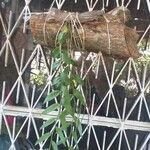
Dendrobium anosmum
Unscented Dendrobium
Description
Source: leafsnapDendrobium anosmum, commonly known as the Unscented Dendrobium, is a species of orchid native to Southeast Asia. It is an epiphytic plant, meaning it grows on trees and rocks in tropical rainforests. The plant features long, thin stems with small leaves and produces clusters of fragrant flowers in shades of white, pink, or purple. These flowers have a distinctive shape, characterized by long petals and a lip-like structure at their base. To thrive, Dendrobium anosmum requires bright but indirect light and high humidity. It can be cultivated both indoors and outdoors in warm climates, but it needs regular watering and fertilization to maintain its health. Interestingly, this orchid species has been used for medicinal purposes by traditional healers for centuries. Its anti-inflammatory properties can help alleviate pain caused by arthritis or other inflammatory conditions when consumed as a tea or tincture made from the plant's roots or stems.
Care Guide
💧 Water Every 7 days
Dendrobium anosmum prefers high moisture levels and enough air circulation in the soil. In the summer, water at least once a day, more if your plant is mounted or hanging. If it's in a container, water it every two to three days when the soil begins to dry up. Keep the substrate wet at all times during the plant's active development cycle in summer and spring. Examine the blossoms on a regular basis for any marks or disabling indicators. It might be a viral symptom. Adjust your watering schedule to reflect the current circumstances in your house. Water moderately in the fall and even less in the winter, as this is the plant's rest season. Watering twice a week should suffice. Allow the plant to air dry between waterings. However, do not leave it to dry for an extended period of time. Water it just enough to keep the leaves and canes from turning brown. As buds begin to form in early spring, gradually increase watering.
☀️ Light Partial sun
Dendrobium anosmum occurs naturally in habitats like forest understories or rocky locations, where it is exposed to natural shade. It prefers partial sunlight but can tolerate both full sun and full shade, reflecting its hardy, adaptable nature.
🌡️ Temperature 20–37.8°C
Dendrobium anosmum does best in warm conditions. It prefers temperatures that are fairly high without being excessively hot and humid. Sunlight helps warm the plant and encourages flowering. Still, extended exposure to direct sun in summer can cause sunburn, so it's necessary to limit how much sun it gets during that season. The plant is generally not tolerant of cold, so it needs proper protection and warmer conditions in winter to avoid freezing.
💨 Humidity
🪴 Soil 5-6
🌱 Fertilizer
Proper fertilization is essential for Dendrobium anosmum's health and appearance. Fertilize Dendrobium anosmum during summer, repeating the application monthly throughout the season. Nutrients provide the energy for growth and help maintain the plant's components. Fertilization improves Dendrobium anosmum's flower display, ensuring the best blooms.
🪴 Pot & Repot
When repotting Dendrobium anosmum, pick a pot slightly larger than the current one with good drainage, preferably a clear orchid pot. Use an orchid-specific, well-draining mix that includes bark or moss. Carefully clean the roots and cut away any that are dead or rotting. Repot after flowering, usually in spring or fall, water thoroughly, and place the plant in bright, indirect light. Avoid disturbing the roots once it has been repotted.
✂️ Pruning
Pruning is not necessary. Remove wasted blossoms as needed, but do not remove the whole cane until it is fully shriveled, which occurs after a few years of development. As long as there are enough younger canes on the plant, the oldest canes can be removed.
🌿 Propagating
🐛 Diseases & pets
☠️ Toxicity
Characteristics
- Plant Type
- Herb
- Life Cycle
- Perennial
- Genus
- Dendrobium
- Family
- Orchidaceae
- Hardiness Zone
- 10-12
- Mature Height
- 30 cm to 61 cm
- Mature Spread
- 20 cm to 40 cm
- Leaf Color
- Dark Green
- Leaf Type
- Evergreen
- Flower Color
- Pink
- Flower Size
- 5.08 cm to 7.62 cm
- Bloom Time
- Spring
- Planting Time
- Spring, Summer, Autumn
- Harvest Time
- Late spring, Early summer, Mid summer
- Native Area
- Sri Lanka, India, Malaysia, Indonesia, Vietnam, Philippines, Laos