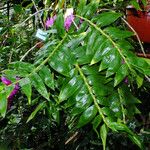
Dendrobium bigibbum
Cooktown Orchid · Butterfly dendrobium · Two-humped dendrobium
Description
Source: leafsnapDendrobium bigibbum, commonly known as the Cooktown orchid or mauve butterfly orchid, is an epiphytic or lithophytic orchid in the family Orchidaceae. It has cylindrical pseudobulbs, each with between three and five green or purplish leaves and arching flowering stems with up to twenty, usually lilac-purple flowers. It occurs in tropical North Queensland, Australia and New Guinea. There are four varieties of this orchid, each of which has previously been considered a separate species.
Care Guide
💧 Water Every 7 days
The Cooktown orchid flourishes in tropical rainforests and prefers environments with high humidity. It should be watered every 1 to 2 weeks, ensuring the soil remains evenly moist without becoming too wet or too dry. As an evergreen plant, the Cooktown orchid retains its foliage year-round and requires consistent moisture, especially during its growing season.
☀️ Light Partial sun
Cooktown orchid naturally occurs in habitats like forest understories and rocky areas where it receives natural shade. It prefers partial sun but can tolerate full sun or full shade, reflecting its adaptable and hardy nature.
What are the sunlight requirements for a Cooktown orchid?
The Cooktown orchid (Dendrobium bigibbum) thrives in varying amounts of sunlight. For those plants that prefer full shade, less than 3 hours of sunlight per day is the best. Meanwhile, orchids that do well in partial sun require about 3 to 6 hours of sunlight. It's important to observe the movement of sunlight through your garden, finding spots that offer the ideal balance of light and shade to ensure your plants are happy.
🌡️ Temperature 20–41.1°C
Cooktown orchid does well in warm conditions. It prefers moderately high temperatures but not extreme heat and humidity. Sunlight warms the plant and encourages flowering. However, extended exposure to direct sun in summer can cause sunburn, so the amount of sunlight it receives should be limited during that time. The plant typically does not tolerate cold well, so it needs adequate protection and warmer conditions in winter to prevent freezing.
What is the Cooktown orchid?
The Cooktown orchid, known botanically as Dendrobium bigibbum, is a species of flowering plant. This orchid is named after the town of Cooktown, and its botanical name reflects specific characteristics of the plant. Unfortunately, the provided information does not include details on its essentials or symptoms, making it challenging to provide further insight into its care or common issues.
💨 Humidity normal (40-60%)
This plant will thrive in moderate humidity, which is probably the level in your home. However, misting it a few times a week can be very beneficial. Make sure the room has good ventilation.
🪴 Soil 5-6
🌱 Fertilizer
Correct fertilization is essential for the health and appearance of the Cooktown orchid. Fertilize the Cooktown orchid during summer, repeating the application monthly throughout the season. Nutrients provide energy for growth and help maintain the plant's components. Fertilization improves the Cooktown orchid's flower display, ensuring the best blooms.
🪴 Pot & Repot
When repotting a Cooktown orchid, select a pot that is slightly larger with good drainage, preferably a clear orchid pot. Use a well-draining, orchid-specific substrate that includes bark or moss. Carefully clean the roots and trim any that are dead or rotting. Repot after flowering, typically in spring or fall; water thoroughly and place the plant in bright, indirect light. Once repotted, avoid disturbing the roots.
✂️ Pruning
The vibrant Cooktown orchid flourishes with proper care, especially when pruned between early and late spring. To encourage growth and more blooms, remove dead canes and spent flowers. Minimal pruning helps prevent stress, improves airflow, reduces the risk of disease, and nurtures a strong, visually appealing plant.
🌿 Propagating
🐛 Diseases & pets
☠️ Toxicity
Characteristics
- Plant Type
- Herb
- Life Cycle
- Perennial
- Genus
- Dendrobium
- Family
- Orchidaceae
- Hardiness Zone
- 10-13
- Mature Height
- 30 cm to 61 cm
- Mature Spread
- 20 cm to 30 cm
- Leaf Color
- Light Green, Dark Green
- Leaf Type
- Evergreen
- Flower Size
- 5.08 cm to 7.62 cm
- Bloom Time
- Summer, Fall
- Planting Time
- Spring, Summer, Autumn
- Harvest Time
- Fall, Winter