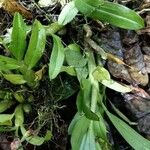
Dendrobium crumenatum
Pigeon orchid · Dove orchid · Anggrék cicing · Orchid · Dove flower
Description
Source: leafsnapDendrobium crumenatum, commonly called pigeon orchid, or 木石斛 (mu shi hu) is an epiphytic orchid in the family Orchidaceae and is native to Asia, Southeast Asia, New Guinea and Christmas Island. It has two rows on leaves along its pseudobulb and relatively large but short-lived, strongly scented white flowers. It usually grows in exposed positions in lowland rainforest and coastal scrub.
Care Guide
💧 Water
The pigeon orchid flourishes in humid environments, where it absorbs moisture from the air. Originally from tropical rainforests, it needs to be watered weekly to stay hydrated. As an epiphytic orchid, the pigeon orchid grows on trees, taking advantage of rainwater while avoiding waterlogged soil conditions.
What should I do if I give too much or too little water to my Pigeon orchid?
If you overwater your Pigeon orchid, you may notice limp and wrinkled leaves, yellowing or decay, and overall poor health. Sometimes, people mistakenly believe that limp and shriveled leaves mean their plant needs more water, causing them to keep adding more water and worsening the problem. To determine if your Pigeon orchid is overwatered, it's important to examine the roots. Healthy roots are silvery green, green, or white and feel firm. Overwatered roots will appear mushy, limp, and brown or black. To rescue an overwatered Pigeon orchid, you should use a sterilized knife or garden shears to remove any rotted roots and then repot the plant in fresh growing medium. It's always better to avoid overwatering in the first place because if root rot occurs, it may be difficult to save your plant. Therefore, be cautious with watering to prevent this issue. On the other hand, the initial symptoms of underwatering and overwatering are quite similar in Pigeon orchids. To determine if your orchid is underwatered, check the moisture level in the growing medium with your finger or a moisture meter. You may need to increase the frequency of watering to correct the situation. Again, examining the roots will help you understand the problem. Underwatered roots will appear crisp, brown, and brittle, while healthy roots are pliable and green. If your Pigeon orchid still has some healthy roots, you can revive it easily. Remove any dried up or dead root pieces and repot the plant, making sure to water thoroughly. Within a week or two, the shriveled and limp leaves should regain their firmness and appear healthy. If some leaves are too damaged to be revived, you can remove them to make space for new growth.
How often should I give water to my Pigeon orchid?
To keep your Pigeon orchid healthy, water it when the potting mix is mostly dry, but not completely dry. The frequency will depend on the weather - during summer, this could be around once or twice a week, while in winter, it may only need watering once every 2 weeks.
How should I water a Pigeon orchid?
Pigeon orchids are unique plants that don't grow in soil like most plants. To grow a healthy one, you need to carefully choose the growing medium. No matter what you choose, the container should have plenty of drainage holes. Pigeon orchid pots are designed specifically for these plants and provide good ventilation for the roots. They are also tall and narrow, allowing air to circulate around the center of the roots. One common growing medium for Pigeon orchids is bark, which is sourced from fir trees. It drains well, similar to their natural habitat. However, using bark requires more frequent watering as it dries out quickly. Another commonly used medium is sphagnum moss, which is lightweight and inexpensive. It also requires less watering. However, it's important to be careful with moss because it can hold too much water and cause root rot. If your Pigeon orchid is planted in sphagnum moss, be cautious with watering. It's best to water from below to avoid splashing water on the leaves, stem, and flowers. Simply place the pot in a container of water and allow the roots to soak up moisture for 10-15 minutes. Once the surface of the moss is wet, you can stop watering. Make sure to drain the excess water before putting the orchid back in its normal location, as these plants don't like to sit in water.
☀️ Light Partial sun
Pigeon orchid prefers ample but gentle light, similar to conditions in its native habitat. Sunlight plays an important role in its vigorous growth. Too much light can cause damage, while too little may impede growth. Its various growth stages do not necessarily require different amounts of sun.
What are the sunlight requirements for a Pigeon orchid?
Pigeon orchid thrives in areas that provide about 3-6 hours of sunlight, reflecting its need for substantial, yet non-harsh light in its native habitats. Sunlight is crucial for its robust growth; however, excessive light can be harmful, and inadequate light might hinder its growth. Throughout different growth stages, consistent sun exposure is essential. It's important to observe how sunlight moves through your garden to select spots that offer a perfect blend of light and shade, ensuring the plants' well-being.
How can artificial lighting support Pigeon orchid growth?
Indoor Pigeon orchids require adequate lighting to grow optimally, especially when natural sunlight is insufficient, like in winter or less sunny spaces. Artificial lights, such as LED lights, can provide the necessary wavelengths of light for the plant. The correct amount of artificial light varies with the plant's needs: full sun plants need 30-50W/sq ft, partial sun plants need 20-30W/sq ft, and full shade plants need 10-20W/sq ft. The light source should be placed 12-36 inches above the plant, mimicking natural sunlight, and be kept on for 8-12 hours per day to simulate natural daylight hours.
What are the symptoms of light deficiency in Pigeon orchids?
When grown indoors with insufficient light, Pigeon orchids may show several symptoms indicating light deficiency. These include smaller new leaves, leggy or sparse growth, faster leaf drop, slower or halted new growth, lighter-colored new leaves, chlorosis (leaves turning yellow due to breakdown of chlorophyll), sunscald (damage from intense light exposure), leaf curling (to reduce surface area exposed to light), wilting (due to increased water loss), and leaf scorching (brown, dry, or crispy leaf edges). Recognizing these signs can help adjust light conditions to support healthier plant growth.
What are the solutions for Pigeon orchids struggling with light conditions?
To optimize light conditions for Pigeon orchids, gradually shift them to sunnier spots, ensuring they receive 3-6 hours of direct sunlight daily. For large or immovable plants, consider using artificial lighting, like desk or ceiling lamps, for at least 8 hours daily, or invest in professional grow lights. Outdoors, avoid sudden light intensity changes to prevent sunburn. For plants in the ground, reduce obstructions like trees by pruning, and for smaller plants, consider transplanting during their dormant period to a sunnier location with good drainage. Note that parts of the plant affected by insufficient sunlight may not recover, but new growth should be healthy after adjusting the light exposure.
🌡️ Temperature 20–37.8°C
Pigeon orchid does best in warm conditions. It prefers moderately high temperatures but not extremes of heat and humidity. Sunlight warms the plant and encourages flowering. However, extended direct sun in summer can cause sunburn, so the amount of light it gets should be limited during that season. The plant generally does not tolerate cold well, so it needs adequate protection and warmer conditions in winter to avoid freezing.
What is the Pigeon orchid?
The Pigeon orchid, known scientifically as Dendrobium crumenatum, is a species of orchid.
💨 Humidity high (>60%)
This plant needs special care because it loves high humidity levels of 60-80% or more. The best way to achieve this is by placing a humidifier near the plant. Daily misting is also essential! Make sure the room has good ventilation.
🪴 Soil 5-6
🌱 Fertilizer
Appropriate fertilization is essential for the health and appearance of the Pigeon orchid. Feed the Pigeon orchid during the summer, applying fertilizer once a month throughout the season. Nutrients provide the energy for growth and help maintain the plant's components. Fertilizing improves the Pigeon orchid's floral display, ensuring the best blooms.
🪴 Pot & Repot
✂️ Pruning
The pigeon orchid showcases beautiful cascading white blooms that are both fragrant and charming. Pruning is crucial from early to late spring to improve air circulation, encourage growth, and prevent disease. Concentrate on trimming away spent flower spikes and dead pseudobulbs, but be careful not to over-prune, as this can stress the plant.
🌿 Propagating
🐛 Diseases & pets
☠️ Toxicity
Characteristics
- Plant Type
- Herb
- Life Cycle
- Perennial
- Genus
- Dendrobium
- Family
- Orchidaceae
- Hardiness Zone
- 10-12
- Mature Height
- 49 cm
- Mature Spread
- 49 cm
- Leaf Color
- Green
- Leaf Type
- Evergreen
- Flower Color
- White
- Flower Size
- 3.05 cm to 4.06 cm
- Bloom Time
- All year round
- Planting Time
- Autumn
- Harvest Time
- All year round
- Native Area
- India, Malaysia, Indonesia, Cambodia, Vietnam, Myanmar, Philippines, Singapore, Laos, Fiji, Brunei, Thailand, China