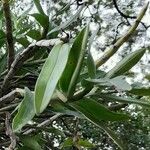
Dendrobium nobile
Noble Dendrobium · Dendrobium · Dendrobium Stem · Orchid · Rock Orchid
Description
Source: leafsnapDendrobium nobile is an orchid species native to the Himalayas, China, and Southeast Asia. It is a popular ornamental plant known for its beautiful and fragrant flowers, which bloom in winter or early spring. The plant features long, thin stems adorned with small leaves that grow in clusters. Its flowers are typically white or pink with purple markings and emit a sweet fragrance. To thrive, Dendrobium nobile requires bright but indirect light and moderate humidity. It prefers well-draining soil or orchid bark mixtures. During its growing season, the plant should be watered regularly but allowed to dry out slightly between waterings. In traditional Chinese medicine, Dendrobium nobile has been used for centuries as an herbal remedy for various ailments, including fever, coughs, sore throats, and stomach problems. Overall, Dendrobium nobile is an elegant orchid species that can enhance the beauty of any indoor garden or plant collection while also offering potential medicinal benefits in traditional medicine practices.
🌳 Noble dendrobium is often grown for its decorative appeal, but its uses also reach the perfume industry. Essential oils extracted from its flowers can be employed in fragrances, delivering a distinctive scent that captures the flowers' essence. This points to a potential opportunity to expand its use beyond horticulture.
🎭 Robust and affable disposition
Care Guide
💧 Water Every 7 days
The Dendrobium Nobile orchid flourishes in humid tropical environments, where consistent humidity is essential for its growth. It prefers to be watered weekly, which helps keep it hydrated without causing waterlogging. As an epiphytic orchid, it benefits from regular misting to mimic the moisture levels of its natural habitat, promoting better health and growth.
What do I do if I give my Dendrobium Noble too much or too little water?
A Dendrobium Noble can show signs of overwatering through limp and wrinkled leaves, yellowing or decay, and overall poor health. Sometimes, owners may mistakenly assume that the plant needs more water when they see the leaves looking limp and shriveled, but adding more water only worsens the situation. To identify overwatering, it's important to examine the roots. Healthy roots are silvery green, green, or white and feel firm, while overwatered roots appear mushy, limp, and brown or black. To rescue an overwatered Dendrobium Noble, cut off any rotted roots with a sterile knife or garden shears and repot it in a new growing medium. Prevent overwatering to avoid root rot and potential loss of the plant. Determining if a Dendrobium Noble is being underwatered can be challenging because the symptoms are similar to overwatering. To assess the moisture level, check the growing medium with your finger or a moisture meter. You may need to water more frequently to address the underwatering issue. Examining the roots is once again essential. Underwatered roots are crisp, brown, and brittle, while healthy roots are pliable and green. If the plant still has some healthy roots, it can be revived. Trim any dry or dead root pieces, as they cannot be revived. Repot the plant and water it thoroughly. Within a week or two, the shriveled and limp leaves should start to regain firmness and appear healthy. If the leaves are too damaged to recover, they can be removed to make space for new growth.
How frequently should I water my Dendrobium Noble plant?
To keep your Dendrobium Noble healthy, water it when the potting mix is mostly dry but not completely dried out. The watering frequency may vary based on environmental factors: in summer, you'll typically need to water it once or twice a week, while in winter, you may only need to water it once every 2 weeks.
How should Dendrobium Noble be watered?
Dendrobium Noble is a unique type of plant that doesn't grow in soil like most plants. To grow a healthy Dendrobium Noble, you need to choose the right growing medium. It's important that the container you use has plenty of drainage holes. Dendrobium Noble pots are designed specifically for this purpose, with a chunky potting mix that allows for good ventilation. These pots are tall and narrow, allowing air to circulate around the roots. One popular choice for the growing medium is bark, which is sourced from fir trees. It drains well, similar to the wild habitat of Dendrobium Noble. However, using bark requires more frequent watering because it dries out quickly. Another common option is sphagnum moss, which is lightweight and cheap. Nurseries often use moss because it requires less frequent watering. However, moss can easily hold too much water and cause root rot. If you choose to use sphagnum moss, be cautious with watering and avoid over-watering. It's difficult to reverse root rot once it occurs. It's recommended to water your Dendrobium Noble from below to prevent water from splashing on the leaves, stem, and flowers. Simply place the pot in a container of water for 10-15 minutes, allowing the roots to soak up moisture. Stop the process when the surface of the moss is wet. Make sure to drain the excess water thoroughly before returning the plant to its normal location, as Dendrobium Noble plants don't like to sit in water.
☀️ Light Partial sun
The noble dendrobium prefers plenty of sunlight but can also survive in less bright conditions. Native to areas where the sun's intensity changes during the day, it can tolerate higher concentrations of sunlight as well. However, light that is either too low or excessively strong can damage its healthy growth.
What are the sunlight requirements for Dendrobium Noble?
The Dendrobium Noble plant requires partial sunlight, amounting to about 3-6 hours of sunlight daily. It can also thrive in full sunlight or full shade conditions, where it receives more than 6 hours of sunlight. However, it's crucial to watch how sunlight interacts with your garden to ensure you place your plants in spots that offer a perfect balance of light and shade.
How does Dendrobium Noble respond to variations in sunlight intensity?
Originating from environments where sunlight intensity fluctuates, Dendrobium Noble can adapt to varying levels of solar exposure. It appreciates abundant solar energy but can also grow in less radiant conditions. Nevertheless, extremely low or excessively high light conditions could negatively impact its growth. Adjusting artificial lighting can help mitigate these extremes, with recommendations including LED lights and specific wattage per square foot depending on the plant's light requirement category.
What are the additional lighting needs for indoor Dendrobium Noble?
Indoor Dendrobium Noble plants require adequate lighting to ensure optimal growth, especially when natural light is insufficient. Artificial lighting, such as LED lights, serves as a perfect alternative, providing the necessary wavelengths of light. The required artificial light intensity varies with the plant's needs: full sun plants need 30-50W/sq ft, partial sun plants 20-30W/sq ft, and full shade plants 10-20W/sq ft. The placement should be 12-36 inches above the plant, and for a duration of 8-12 hours daily to mimic natural daylight conditions.
What are some common symptoms of improper lighting in Dendrobium Noble?
Improper lighting can manifest in several symptoms in Dendrobium Noble, including reduced or no new growth, lighter-colored new leaves, chlorosis, sunscald, leaf curling, wilting, and leaf scorching. These symptoms range from growth delays and paler leaves lacking chlorophyll to physical damage from overexposure to sunlight, indicating the plant's struggle with either insufficient or excessive light.
What solutions exist for addressing Dendrobium Noble's lighting issues?
To address lighting issues in Dendrobium Noble, a gradual adaptation to direct sunlight, optimization of artificial lighting, and strategic plant positioning are recommended. For indoor settings, progressively moving the plant to sunnier spots or using artificial grow lights can help. Outdoors, a cautious approach to relocating plants into sunlight prevents shock. Removing obstacles that block light or transplanting to brighter areas can also effectively increase light exposure. While parts of the plant affected by previous poor light conditions may not recover, new growth should be healthy with proper light management.
🌡️ Temperature 20–37.8°C
Noble dendrobium is a temperate woody species native to the Himalayas and Southeast Asia. It requires a cool-to-warm environment with temperatures from 68 to 100 ℉ (20 to 38 ℃). In winter it prefers cooler conditions of 50 to 60 ℉ (10 to 15 ℃), while in summer it can tolerate temperatures up to 85 ℉ (30 ℃). Adjusting temperature appropriately is important to promote growth and flowering.
What is the native habitat and temperature preference of Dendrobium Noble?
Dendrobium Noble, a temperate woody plant, is native to the Himalayas and Southeast Asia. It thrives in a cool to warm environment, with ideal temperatures ranging from 68 to 100°F (20 to 38°C). During winter, it prefers cooler temperatures between 50 to 60°F (10 to 15°C), and in summer, it can endure up to 85°F (30°C). To encourage growth and flowering, it's vital to adjust the temperature accordingly.
How should Dendrobium Noble be cared for during winter?
In winter, care for Dendrobium Noble involves bringing it indoors if temperatures drop below 5°C to ensure its survival, as it is a tropical plant. Indoors, maintain temperatures above 20°C and place the plant near a south-facing window for ample sunlight. Regular misting or the use of a humidifier will help maintain the necessary humidity levels. For plants overwintering outside, ensure they are positioned in a sheltered area with sunlight. Utilize materials like plastic film or fabric, or set up a temporary greenhouse for additional warmth and protection during colder temperatures.
What should be done if Dendrobium Noble is exposed to temperatures below 1°C?
If Dendrobium Noble is exposed to temperatures below 1°C, it is likely to experience extensive water-soaked necrosis, wilting, and drooping due to its intolerance of low temperatures. In such cases, trim off the frostbitten areas and bring the plant indoors to a warm environment immediately. To protect against the cold, place it near a south-facing window for sufficient sunlight, and avoid placing it near heaters or air conditioning vents to prevent air dryness.
How to manage Dendrobium Noble during high temperatures?
During high temperatures, specifically above 38°C, Dendrobium Noble's growth will cease, and it may suffer from leaf wilt, susceptibility to root rot, and sunburn if exposed to direct sunlight. To manage this, trim away sunburned and dried parts of the plant. Relocate the plant to a shaded area, particularly from the midday and afternoon sun. Ensure the plant and its surrounding area are kept moist by watering in the morning and evening.
💨 Humidity normal (40-60%)
This plant will thrive in moderate humidity, which is probably the level in your home. However, misting it a few times a week can be very beneficial. Make sure the room has good ventilation.
🪴 Soil 5-6
🌱 Fertilizer
Proper fertilization is vital for the health and appearance of the Noble dendrobium. Fertilize the Noble dendrobium in summer, repeating the treatment monthly throughout the season. Nutrients support growth and sustain the plant’s parts. Fertilization improves the Noble dendrobium’s flower display, helping ensure the best blooms.
Why should I add fertilizer to my Dendrobium Noble?
Fertilizer and soil nutrients are like fuel for your Dendrobium Noble plant, helping it grow healthily. Plants use these nutrients to grow new parts and maintain existing ones. For the Dendrobium Noble, fertilization is especially important for beautiful flowers. Since the flowers are the main attraction, gardeners should do everything they can to make them look their best, and fertilization is a reliable way to achieve this.
When should I fertilize my Dendrobium Noble?
The Dendrobium Noble has two main phases during the year: dormant phase and active growth phase. The dormant phase happens in winter and has minimal new growth. The active growth phase occurs in spring and fall, when fertilization is most important. To properly fertilize your Dendrobium Noble, start in the spring and repeat once a month during spring and most of summer. As fall approaches, you can decrease the frequency of fertilization.
When is it not a good idea to fertilize my Dendrobium Noble?
To support the growth of Dendrobium Noble, it is important to avoid causing root burn. During the spring and summer, when the plant is actively growing, it requires additional nutrients. However, during the fall and winter, when the plant enters its dormancy stage, it is advisable to stop fertilizing.
What kind of fertilizer does my Dendrobium Noble need?
To provide the Dendrobium Noble with the best nutrients, an ideal fertilizer should have a balanced mix of the three main plant nutrients, with slightly higher amounts of phosphorus. Alternatively, you can improve the Dendrobium Noble's soil by adding organic materials like compost, worm castings, and manure. Fertilizers can come in various forms, and most of them are suitable for the Dendrobium Noble. However, liquid or powdered fertilizers tend to be the best options. Regardless of the type you choose, diluting the fertilizer and applying it while watering the Dendrobium Noble is important.
How can I give nutrients to my Dendrobium Noble plant?
To apply fertilizer to your Dendrobium Noble successfully, start by finding a suitable fertilizer and determining the ideal fertilization schedule. Once you have these in place, learn how to apply the fertilizer. The most reliable method is to mix the liquid fertilizer with water before applying it to the soil. Instructions may vary depending on the fertilizer brand, so it is advisable to follow the manufacturer's guidance for proper usage and dilution to avoid overfertilization. Mixing your fertilizer with water is a simple process, and once done, just pour the mixture into the soil where your Dendrobium Noble is planted.
🪴 Pot & Repot Every 12 months
When repotting a Noble dendrobium, pick a pot a bit larger than the current one that drains well, ideally a clear orchid pot. Use a fast-draining potting medium made for orchids, such as a mix with bark or moss. Carefully clean the roots and cut away any that are dead or rotting. Repot after the plant has finished flowering, typically in spring or fall, water thoroughly after potting, and keep it in bright, indirect light. Once repotted, do not disturb the roots.
✂️ Pruning
Dendrobium Nobile features vibrant blooms and lush foliage. To maintain its health, prune the plant from late winter to early spring. Use sterilized tools to remove dead leaves and spent stems, which helps prevent disease. This practice promotes healthier growth, abundant blooms, and improved airflow, supporting vigorous development for the next season.
🌿 Propagating
🐛 Diseases & pets
☠️ Toxicity
Orchids are not harmful to dogs, cats, or other common pets. However, they may become harmed by the pesticides, composts, colored color, and redwood bark in the potting medium. Pesticides and orchid composts can injure pets’ stomach lining when ingested as a result of harmful synthetic substances.
Characteristics
- Plant Type
- Herb
- Life Cycle
- Perennial
- Genus
- Dendrobium
- Family
- Orchidaceae
- Hardiness Zone
- 10-12
- Mature Height
- 10 cm to 61 cm
- Mature Spread
- 49 cm
- Leaf Color
- Green
- Leaf Type
- Evergreen, Semi-evergreen
- Flower Color
- White, Pink, Purple
- Flower Size
- 5.08 cm to 7.62 cm
- Bloom Time
- Spring
- Planting Time
- Spring, Autumn
- Harvest Time
- Late spring, Early summer, Mid summer
- Native Area
- Nepal, India, Indonesia, Vietnam, Myanmar, Bhutan, Laos, Thailand, China