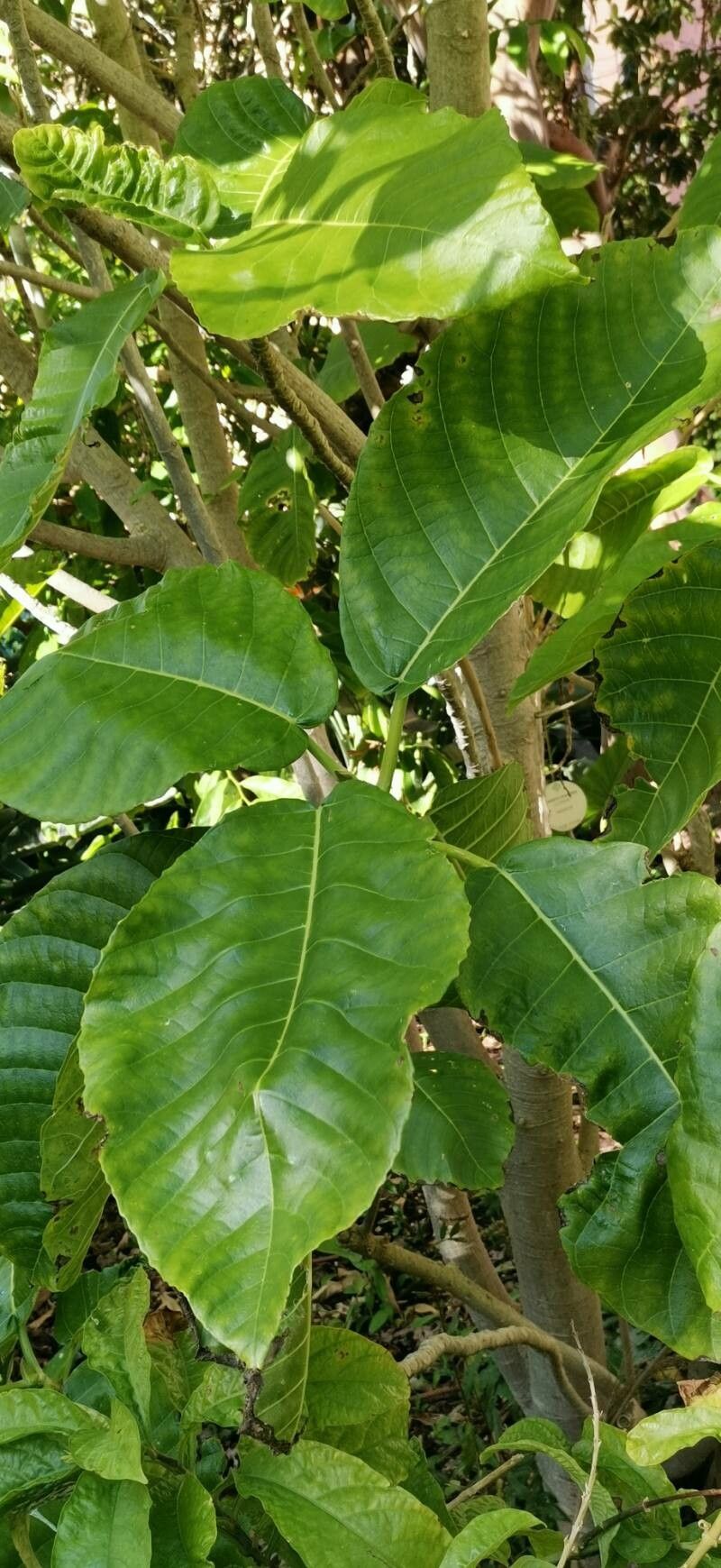
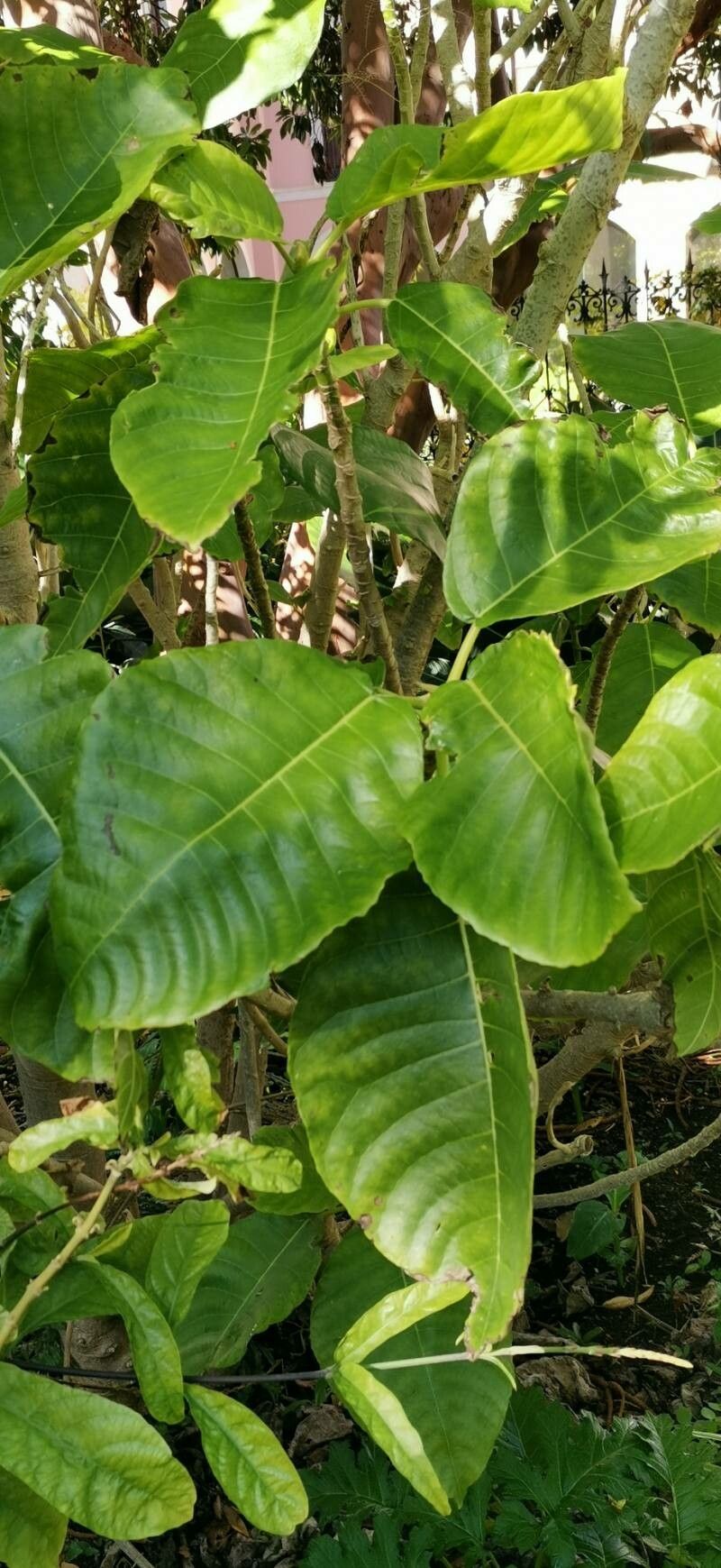
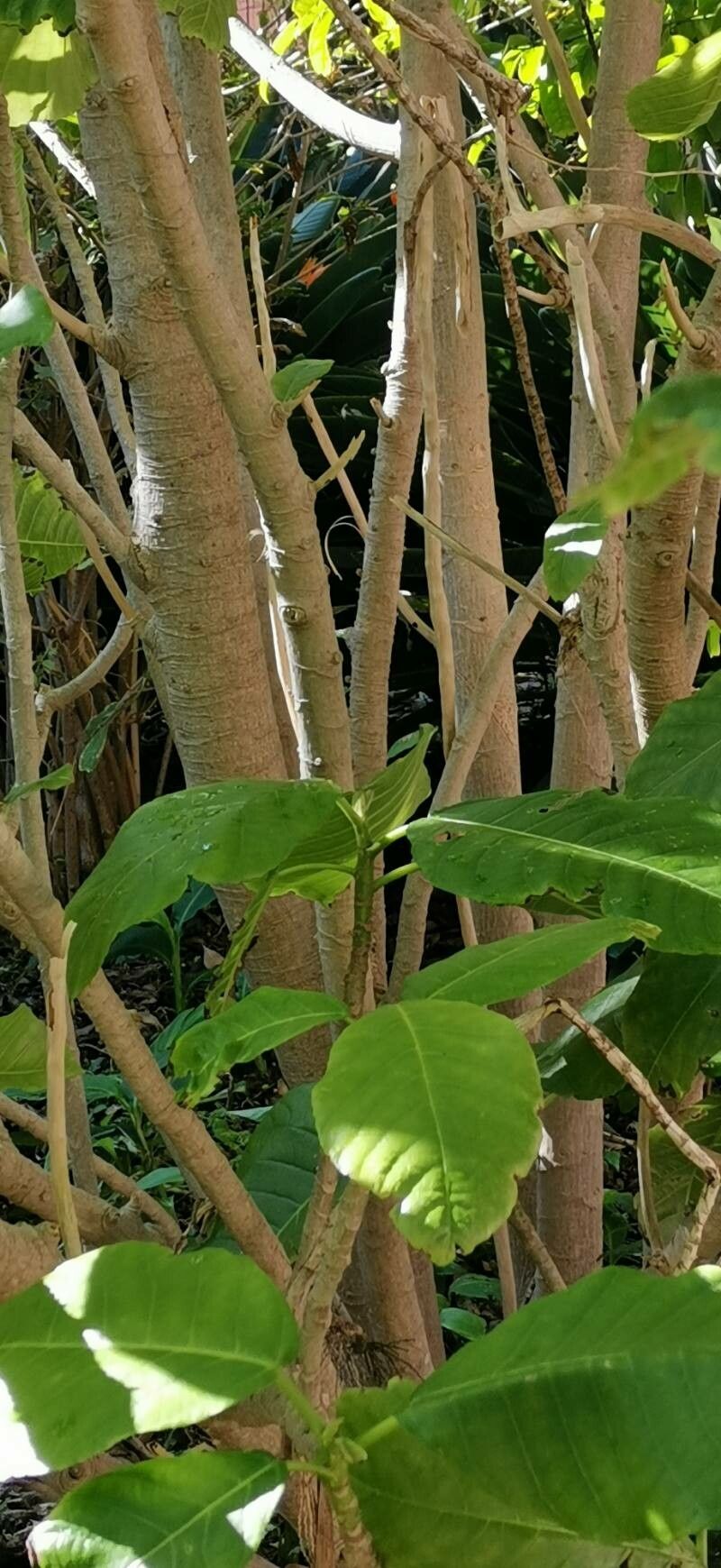
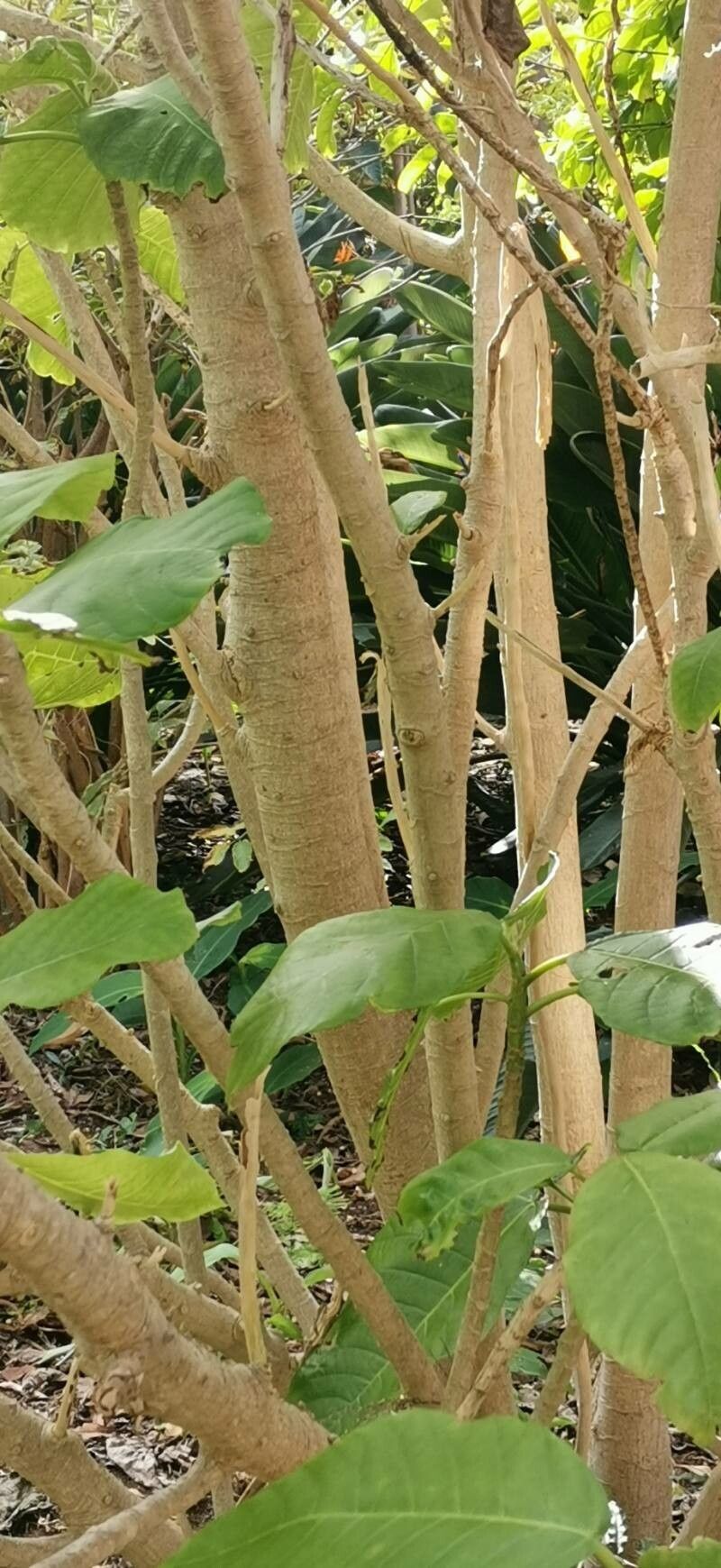
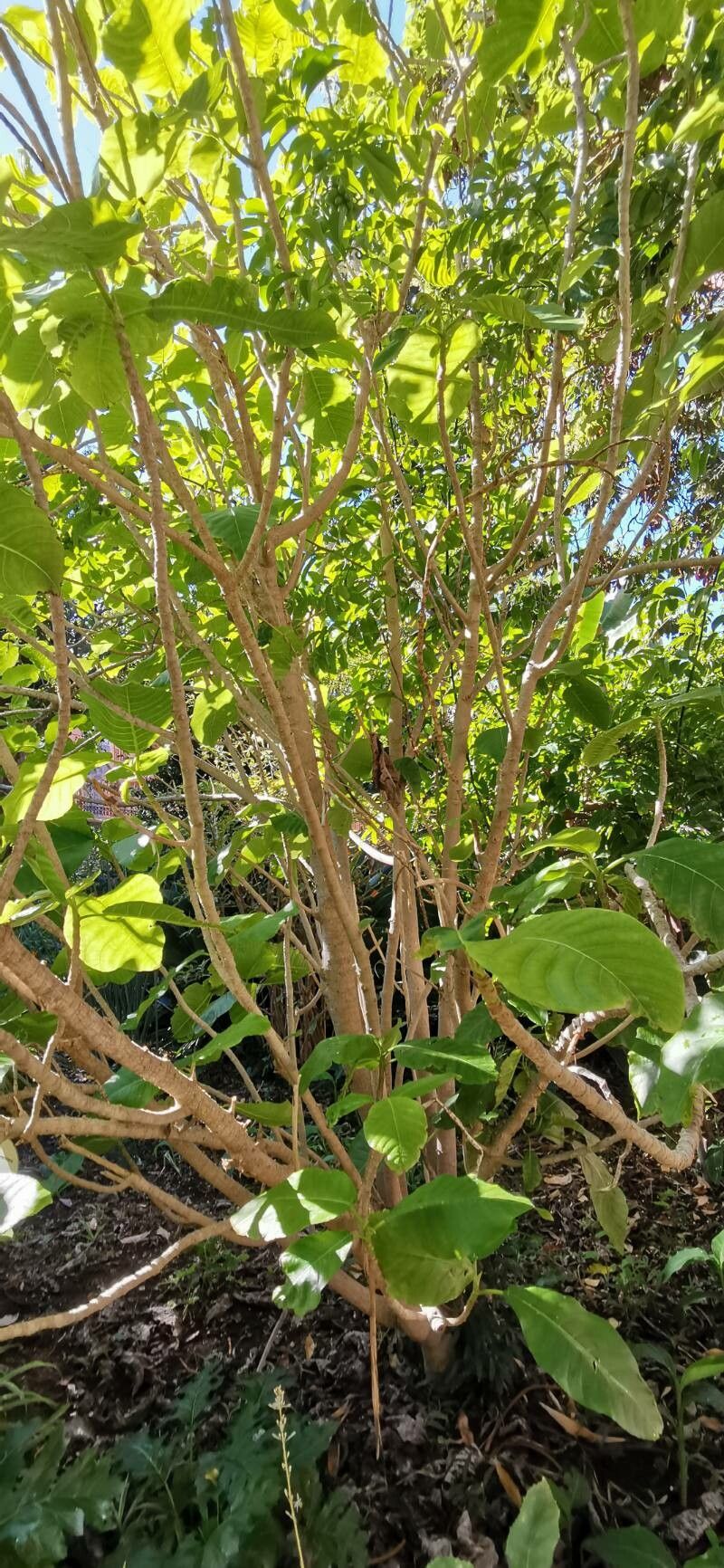
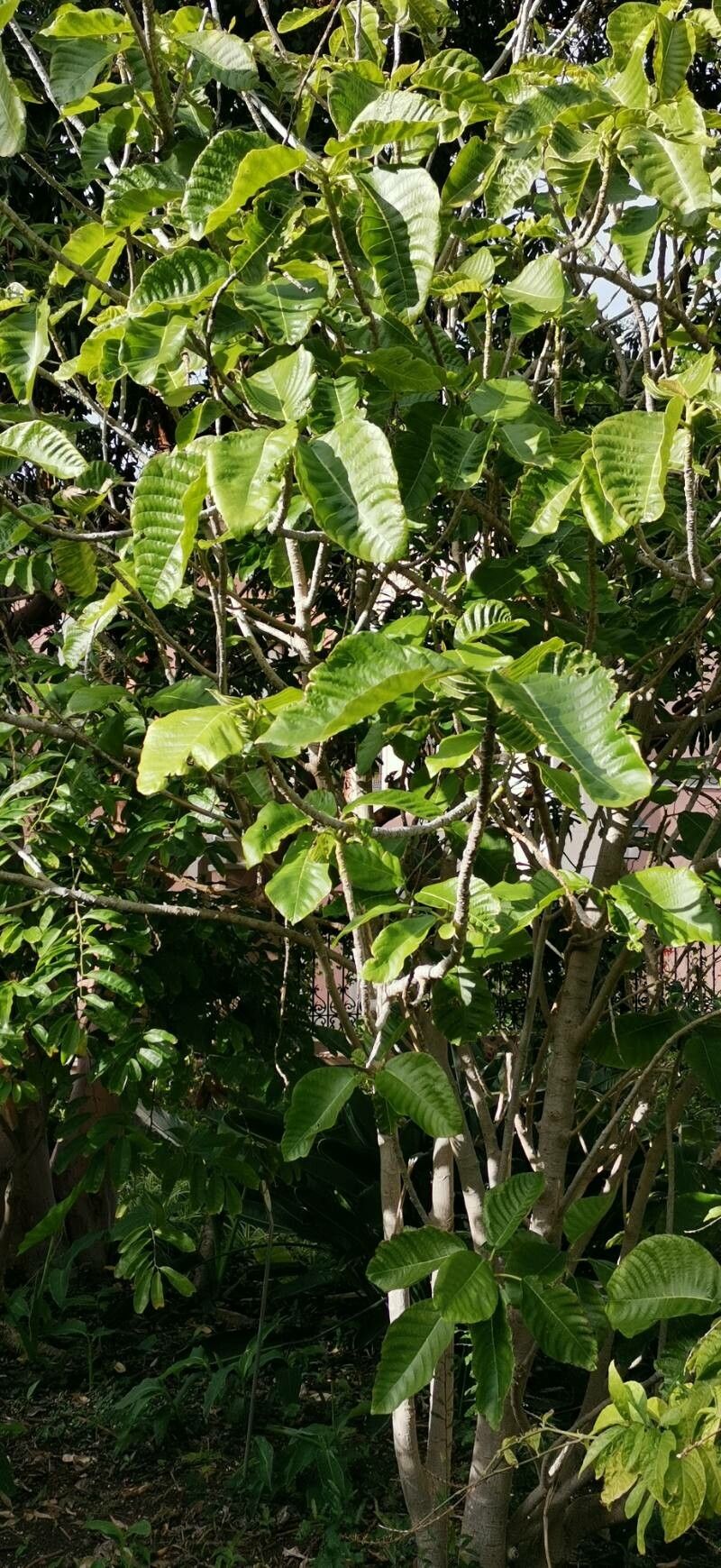
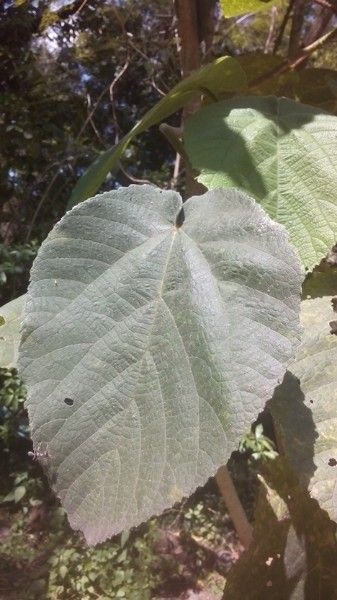
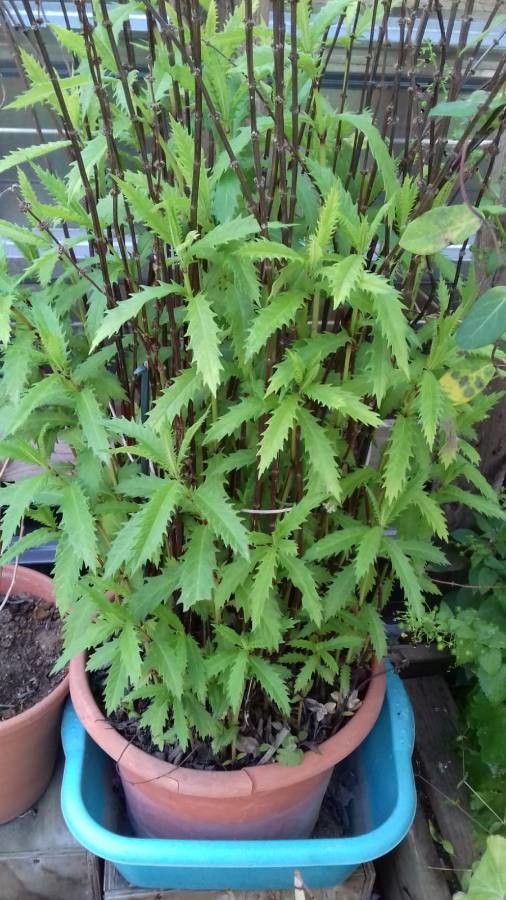
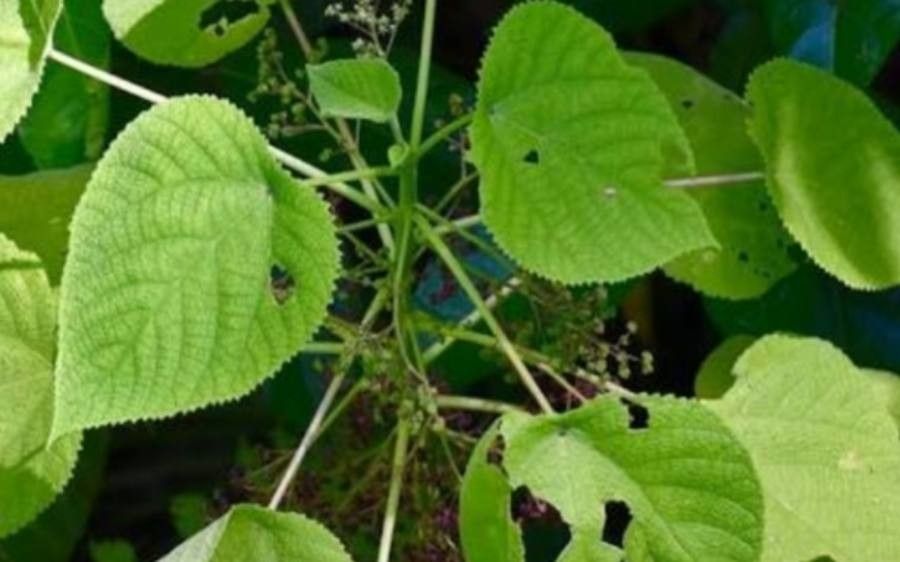
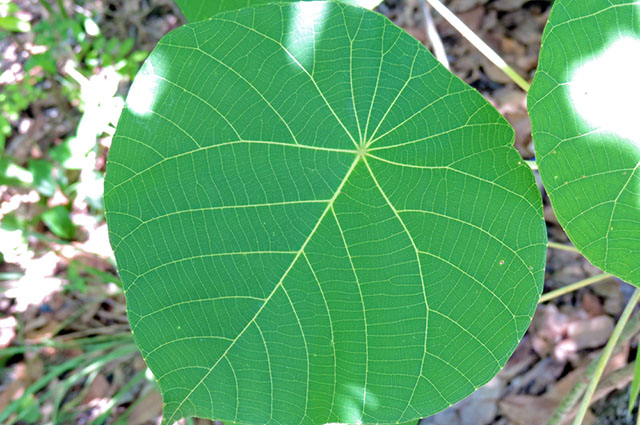
Dendrocnide meyeniana or the poisonous wood nettle is a species of tree in the family Urticaceae, native to the thickets and secondary forests of Taiwan and the Philippines. The specific epithet meyeniana comes from Meiyuan/眉原, a place name in Nantou County, central Taiwan. Dendrocnide meyeniana is commonly referred to as the lipa tree, but more specifically lipang kalabaw or, more rarely, apariagua. In Philippines, the plant is named bulan-bulan in the Iloilo province, and other areas with Bisayan languages.The official Chinese name of Dendrocnide meyeniana is 咬人狗 (yǎo rén gǒu, biting-people-dog) because the stinging hairs on the plant can cause people's skin pain, redness, burning or itching, which may last for several hours or even a day or two; in severe case, it may also cause skin inflammation. 咬人狗 is also the name of traditional Chinese medicine. The Paiwan, an indigenous ethnic group in Taiwan, call it Bazyuru, Bazyu, Bazyuyu or Bazyaro.The city of Lipa, Batangas in the Philippines is named after the lipa tree. Locals distinguish it primarily by the short irritant hairs on its twigs. It is referred to as the lipa tree ("puno ng lipa" in Tagalog) or lipang kalabaw ("carabao lipa") to distinguish it from Fleurya interrupta, a shrub locally named lipang aso ("dog lipa"). The distinction between lipang kalabaw and lipang aso is descriptive, referring to their heights.
The Lipa tree is disease-resistant and is generally not prone to illnesses. Regarding care, this plant is fairly low-maintenance. When planted outdoors it needs minimal watering, and larger specimens typically do not require pruning. Smaller plants, however, should be pruned after they have finished blooming. The Lipa tree is suitable for anyone with an outdoor area, such as a garden or deck, and does not require a lot of care experience.
How to keep Dendrocnide Meyeniana.
Light
Lipa tree grows best in direct sunlight for most of the day but can tolerate lower light levels. During certain seasons, container-grown specimens may require more careful placement. Too little light can stunt growth or reduce the lipa tree's vigor.
Water
The Lipa tree thrives in tropical climates where there is consistent moisture and moderate humidity. It is highly efficient at retaining water and is also drought-tolerant, needing hydration only once every three weeks. Being an evergreen, the Lipa tree maintains its foliage throughout the year. During the cooler months, its growth slows down, which means it requires less frequent watering.
Temperature
The Lipa tree comes from tropical areas, where the climate is usually warm and humid. Consequently, it is adapted to high heat and moisture. It does not tolerate sudden temperature shifts and prefers a steady thermal environment, so avoiding indoor temperature fluctuations is important. It typically cannot withstand cold and needs warmer conditions to grow. If the ambient temperature falls too low, the plant may stop growing or even die.
Fertilizer
Fertilizing is essential for the care of a Lipa tree. Regular applications during the growing season maintain the energy required for its showy foliage and encourage overall growth. Failing to fertilize can cause unhealthy leaves, reduced ornamental value, and stunted or weak growth that is prone to breaking.
Pruning
The Lipa tree is a tropical plant known for its large, stinging leaves. To maintain its health, it is best to prune the tree in early spring. During this time, remove any dead branches and thin out crowded areas to improve air circulation. Make clean cuts just above the nodes, as this promotes the tree's health, reduces pests, and enhances sunlight penetration, all of which support overall growth and productivity.
Botanical profile.
- Plant Type
- Tree, Shrub
- Life Cycle
- Perennial
- Genus
- Dendrocnide
- Family
- Urticaceae
- Hardiness Zone
- 10-12
- Mature Height
- 4.88 m to 7.01 m
- Mature Spread
- 2.13 m to 4.88 m
- Leaf Color
- Green
- Leaf Type
- Deciduous
- Flower Color
- White
- Flower Size
- 25.40 cm
- Bloom Time
- Late spring, Summer
- Planting Time
- Spring, Summer, Autumn
- Harvest Time
- Late summer, Fall
- Native Area
- Philippines, China