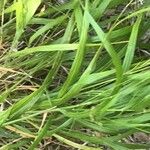
Deschampsia cespitosa
Tufted Hair Grass · Tufted Hairgrass · Tussock Grass · Small-flowered Ticklegrass · Turfy hairgrass
Description
Source: leafsnapDeschampsia cespitosa, commonly known as tufted hairgrass, is a perennial grass native to Europe and North America. Typically growing in dense clumps, this grass can reach heights of up to 3 feet. It features narrow, green leaves that are approximately 1/8 inch wide and can extend up to 2 feet long. In the summer, tufted hairgrass produces delicate flowers held on tall stems above the foliage. These flowers are usually light green or purplish-brown and have a feathery appearance. This plant is often used for erosion control on slopes or along stream banks due to its deep root system, which helps stabilize the soil. It also provides habitat for wildlife such as birds and small mammals. Tufted hairgrass prefers moist soils but can tolerate some drought once established. It thrives in full sun but will tolerate partial shade. Overall, Deschampsia cespitosa is a hardy grass species with attractive foliage and delicate flowers, making it an excellent choice for landscaping projects or naturalized areas where erosion control is needed.
🌳 Tufted hairgrass’s hardiness and adaptability have led to its use in phytoremediation, an environmental cleanup technique. It aids in removing heavy metals, such as lead and zinc, from contaminated soils, demonstrating a natural method of pollution control. The grass also serves as an important food source for grazing animals like deer and elk in its native habitats. Although it is not generally recognized as suitable for human consumption, the plant’s capacity to support wildlife and assist in environmental remediation underlines its largely untapped usefulness.
Care Guide
💧 Water Every 7 days
Tufted hairgrass, native to moist meadows, thrives in constantly damp conditions. To promote its lush growth, it requires regular weekly watering. Although it prefers consistent moisture, it can withstand brief dry periods and benefits from natural rainfall, especially in temperate regions during its active growth phases.
How should I water my Tufted hairgrass?
Most people grow Tufted hairgrass as a lawn, and there are specific methods for watering it. One way is to use a hose with a spray nozzle attachment, but the best option is to set up a sprinkler system. It's even better to have a timer for the sprinkler system, ensuring that the grass receives the correct amount of water at the ideal time. When watering, it is recommended to use cool or room temperature water. It's also beneficial to water in the morning, which allows the soil to absorb the water and the sunlight to evaporate any extra moisture throughout the day.
What should I do if I give too much or too little water to my Tufted hairgrass?
If you've overwatered your Tufted hairgrass and need to restore its health, here are some steps you can take. One effective approach is to aerate your lawn, which will address any compacted soil issues that might be preventing excess water from draining. Additionally, consider dethatching the Tufted hairgrass in this situation. However, if you've underwatered your Tufted hairgrass, the remedy will be quite different. In such cases, allow your lawn to grow slightly longer before mowing it, and make sure to provide a bit more water than before.
How frequently should I water my Tufted hairgrass?
The frequency of watering your Tufted hairgrass depends on where you live, the climate, and the season. In cooler, northern regions, watering once every 1-2 weeks is sufficient, while in warmer, southern regions, watering once a week is often necessary. However, if there is regular rainfall, you can adjust your watering schedule accordingly. Keep in mind that rainfall alone may not be enough to keep the lawn alive. It is important to note that during the summer, this type of grass typically goes dormant and does not require water for new growth, but still needs water to avoid drying out.
How much water does my Tufted hairgrass require?
Watering Tufted hairgrass is quite simple. Whether you live in the north or south, you should give it about one inch of water each time. However, during summer when the grass goes dormant, it's best to provide light but appropriate waterings to protect it from the sun. The volume of water to use depends on the size of the area covered by the grass. A larger area requires more water than a small lawn.
How can I know if I'm giving enough water to my Tufted hairgrass?
There are clear signs that indicate if you are giving your Tufted hairgrass too much or too little water. When you overwater, the grass blades may become softer and there could be a buildup of thatch. On the other hand, underwatering can result in brown patches, heat stress, fungus growth, and yellowing of the blades. Additionally, footprints tend to last longer on underwatered lawns compared to those that receive the right amount of water.
☀️ Light Full sun
Tufted hairgrass does best when it gets plenty of sunlight throughout its development, though it shows some tolerance to partial shade. Its original habitat was very sunny, which promoted strong growth. Too little sun can impair its health, and too much light can also be harmful by causing overheating.
What are the sunlight requirements for Tufted hairgrass?
Tufted hairgrass thrives in conditions that replicate its origin habitat—a solar intense environment. It requires full sun, which is defined as above 6 hours of sunlight, for robust growth. However, it can also grow under partial sun, about 3-6 hours of sunlight. Watch the movement of sunlight through your garden to find the perfect balance of light and shade, ensuring the plant's wellbeing.
How does inadequate sunlight affect Tufted hairgrass, and what symptoms should I look for?
Insufficient sunlight can significantly impact the health of Tufted hairgrass, leading to symptoms such as smaller new leaves, leggy or sparse growth, faster leaf drop, slower or halted growth, paler new leaves, symptoms of chlorosis and sunscald, leaf curling, wilting, and leaf scorching. These symptoms indicate either a lack of adequate sunlight or overexposure, which can hamper the plant's health.
What are the solutions for providing adequate light to Tufted hairgrass?
To ensure Tufted hairgrass receives adequate light, gradually increase its exposure to direct sunlight, aiming for at least 6 hours daily. For indoor plants, use a south-facing window or supplement with artificial lighting for at least 8 hours daily. For outdoor planting, move your plants to sunnier spots gradually to avoid sunburn. If sunlight is blocked by obstructions like trees, consider pruning them. For small plants, transplantation during the dormant period to a sunnier location may be beneficial. Remember, parts of the plant affected by insufficient sunlight might not recover, but new growth can be healthy with improved light conditions.
How can artificial lighting be optimized for Tufted hairgrass indoors?
When natural sunlight is insufficient, especially in winter or less sunny spaces, artificial lighting becomes crucial for Tufted hairgrass. LED lights are recommended as they can provide specific light wavelengths needed by the plant. For full sun plants, aim for 30-50W/sq ft of light, 20-30W/sq ft for partial sun plants, and 10-20W/sq ft for plants in full shade. Place the light source about 12-36 inches above the plant to mimic natural sunlight, and ensure the light is on for 8-12 hours per day to simulate the natural daylight hours for your plant species.
🌡️ Temperature 0–32.2°C
Tufted hairgrass is known to do well in its native habitat at temperatures ranging from 32 to 90 °F (0 to 32 °C). It prefers moderate temperatures and may require seasonal adjustments for optimal growth.
What are the essential growing conditions for Tufted hairgrass?
Tufted hairgrass, or Deschampsia cespitosa, thrives in its native environment with temperatures ranging from 32 to 90°F (0 to 32°C). It prefers moderate temperatures and may require seasonal adjustments to maintain optimal growth. The plant exhibits strong cold resistance, meaning special frost protection measures are not typically necessary. Nevertheless, in extremely cold winters where temperatures are expected to drop below -40°C, it's important to protect the plant by covering it with soil or straw and watering abundantly before the first freeze in autumn to ensure the soil remains moist, thereby preventing drought and water scarcity during winter and early spring.
How does Tufted hairgrass react to low temperatures?
Tufted hairgrass is notably cold-tolerant and performs best when the temperature remains above 0°C. Throughout the winter months, it's advisable to keep the temperature above -35°C. Exposure to temperatures below -40°C might not result in immediate noticeable changes, but there could be a decrease in sprouting or even a lack of sprouting when spring arrives. The recommended solution for any parts of the plant that fail to sprout in spring is simply to remove them.
How should I care for Tufted hairgrass during high temperatures?
During the summer, it's essential to ensure that Tufted hairgrass is not exposed to temperatures above 32°C. If the temperature climbs beyond 35°C, the leaves might lighten in color, become prone to curling, suffer from sunburn, and in severe cases, the entire plant may wilt and dry out. To prevent damage, trim off any parts affected by sunburn or drying. Additionally, it's beneficial to move the plant to a shaded location or use a shade cloth to protect it from the midday and afternoon sun. Ensuring the soil remains moist is also critical, so water the plant in the morning and evening.
💨 Humidity
🪴 Soil 5-6
🌱 Fertilizer
Tufted hairgrass is a cool-season grass that develops primarily in spring and autumn. It becomes dormant in winter and its growth slows in summer. Applying suitable fertilizers in spring can provide nutrients and encourage vigorous, dense growth. Lawns that are well-fed are greener, resilient, and resist pests and weeds.
Why should I put fertilizer on my Tufted hairgrass?
Fertilizing Tufted hairgrass is crucial for strong and thick growth. A lawn that is healthy and well-nourished maintains density, stays green and vibrant, recovers well from damage caused by insects or machinery, and can better withstand seasonal stressors such as hot, dry weather or cold temperatures. On the other hand, lawns that are unhealthy and not properly fertilized will slowly lose density and become thinner over time, making it easier for unwanted grasses and weeds to invade. Moreover, malnourished lawns are also more susceptible to insect infestations and diseases.
When should I fertilize my Tufted hairgrass?
Tufted hairgrass, a cool-season grass, primarily grows in the spring and fall when temperatures are mild. During the colder winter season, it becomes dormant, and in the hottest part of summer, growth may slow down. To support its growth pattern, it is recommended to fertilize towards the end of each major growth period. This helps replenish nutrients and store reserves that will sustain the grass through summer and winter dormancy.
When is it not a good idea to add fertilizer to my Tufted hairgrass?
Fertilizer can sometimes harm Tufted hairgrass instead of helping it, especially if the plant is already stressed. To avoid further weakening the plant's defenses and making it more susceptible to pests and diseases, refrain from fertilizing if it is struggling with issues like leaf spot, pythium, large patch, brown patch, fairy rings, grubs, chinch bugs, or armyworms. Additionally, avoid fertilizing while the grass is dormant in winter or experiencing slow growth in summer. Instead, wait until the grass is actively growing. When fertilizing during hot weather, do so in the morning or evening to prevent fertilizer burn. It is also important to wait a day or two after a rainstorm for the soil to dry out before applying fertilizer. This reduces the risk of runoff and contamination of ground and surface waters.
What kind of plant food does my Tufted hairgrass need?
To effectively fertilize Tufted hairgrass, use specific lawn or turf fertilizers instead of general garden fertilizers like a 12-12-12 blend. Turf blends are designed to have higher levels of nitrogen, while minimizing phosphorus and potassium. This balance of nutrients provides the necessary nourishment for lawns while reducing the risk of damage. Lawn fertilizers typically contain a slow-release portion of nutrients, ensuring continuous and long-lasting feeding. Nitrogen is the most important nutrient for established lawns, as it promotes growth and vibrant green color. Additionally, Tufted hairgrass requires phosphorus and potassium for robust stem and root development, resistance to drought and extreme temperatures, and natural defense against pests and diseases.
How can I give nutrients to my Tufted hairgrass?
Tufted hairgrass requires fertilizer at two important times during the growing season, which correspond to its active growth periods. As a cool-season grass, Tufted hairgrass primarily grows during spring and fall and slows down during the heat of summer. To meet its growth needs, it is recommended to fertilize the grass in late spring and fall before it goes into winter dormancy. The spring fertilization helps replenish nutrients that the grass uses during its spring growth and also provides food to sustain the grass if its growth is affected by heat. Fall fertilization helps the grass recover from the stress of summer and prepares it for winter by providing nutrients for the roots to store. For best results, the fall application should be done about six weeks before the first expected frost. When applying fertilizer, it is important to follow the instructions on the label for the recommended rates or apply the fertilizer based on soil test recommendations. Additionally, after applying the fertilizer, make sure to water it into the soil thoroughly.
🪴 Pot & Repot 2-3 years
When repotting Tufted hairgrass, select a pot 1-2 inches (2.5–5.1 cm) larger with ample drainage. Use a well-draining potting mix. Repot in spring or fall, ensuring the root ball is positioned slightly lower than the rim of the flower pot. Water thoroughly after repotting and place in a warm spot with indirect sunlight.
✂️ Pruning
Tufted hairgrass is a perennial grass that requires minimal pruning. In early spring, remove any old or damaged foliage to encourage new growth. A light trim in late spring will help maintain its shape. Regular pruning improves air circulation and reduces the risk of disease. For best results, always use clean, sharp tools.
🌿 Propagating
🐛 Diseases & pets
☠️ Toxicity
Characteristics
- Plant Type
- Grass
- Life Cycle
- Perennial
- Genus
- Deschampsia
- Family
- Poaceae
- Hardiness Zone
- 2-8
- Mature Height
- 76 cm
- Mature Spread
- 30 cm to 61 cm
- Leaf Color
- Green
- Leaf Type
- Evergreen
- Flower Color
- Tan
- Flower Size
- 2.54 cm
- Bloom Time
- Early summer, Mid summer
- Planting Time
- Spring, Summer, Autumn
- Harvest Time
- Mid summer