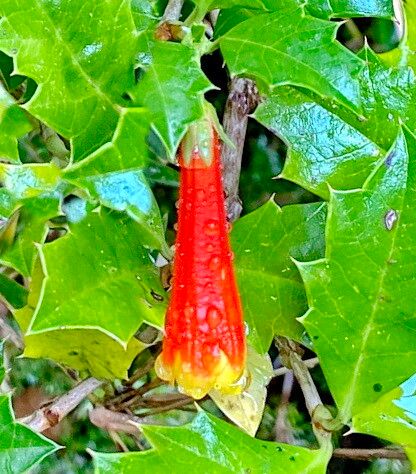
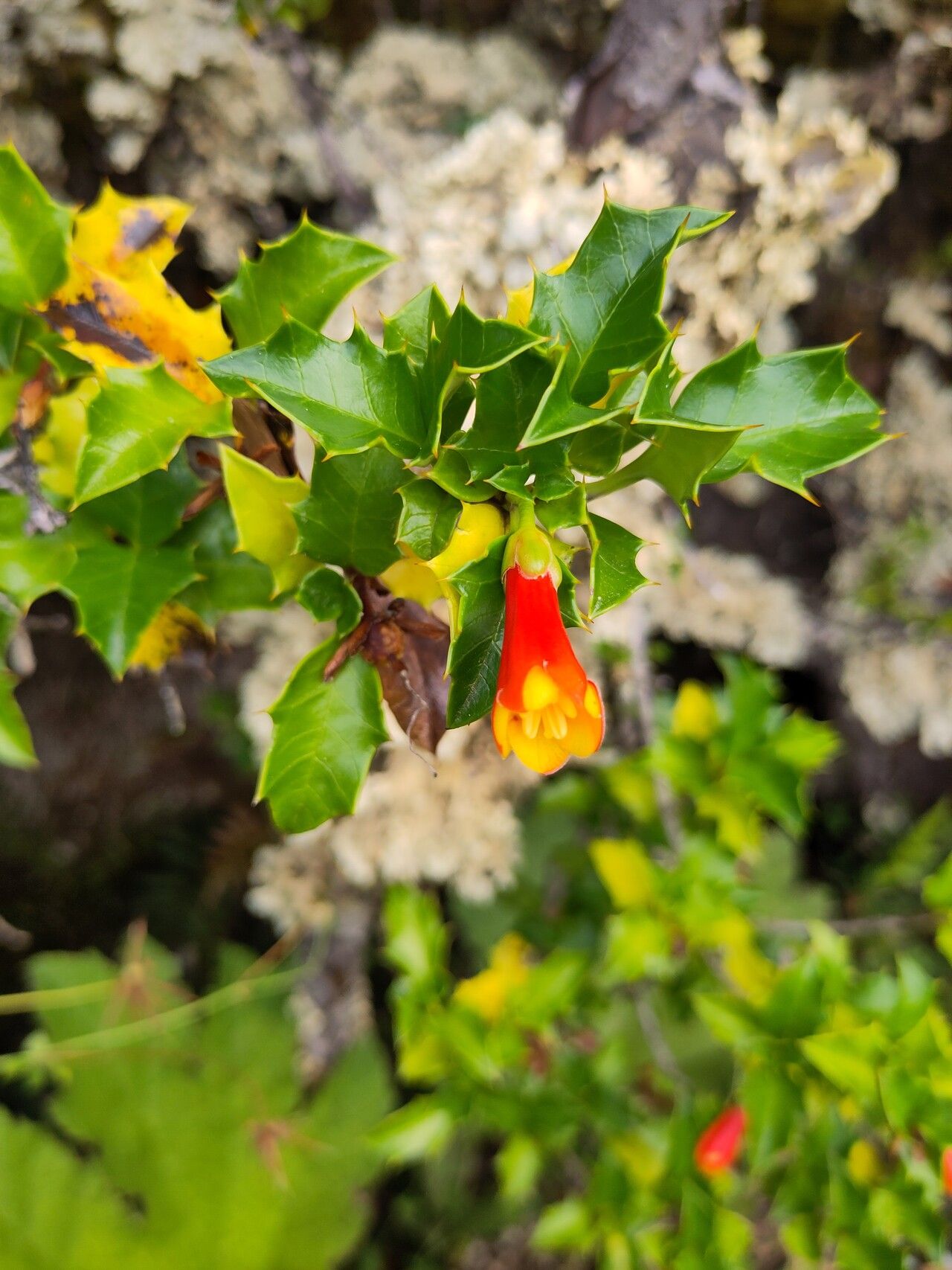
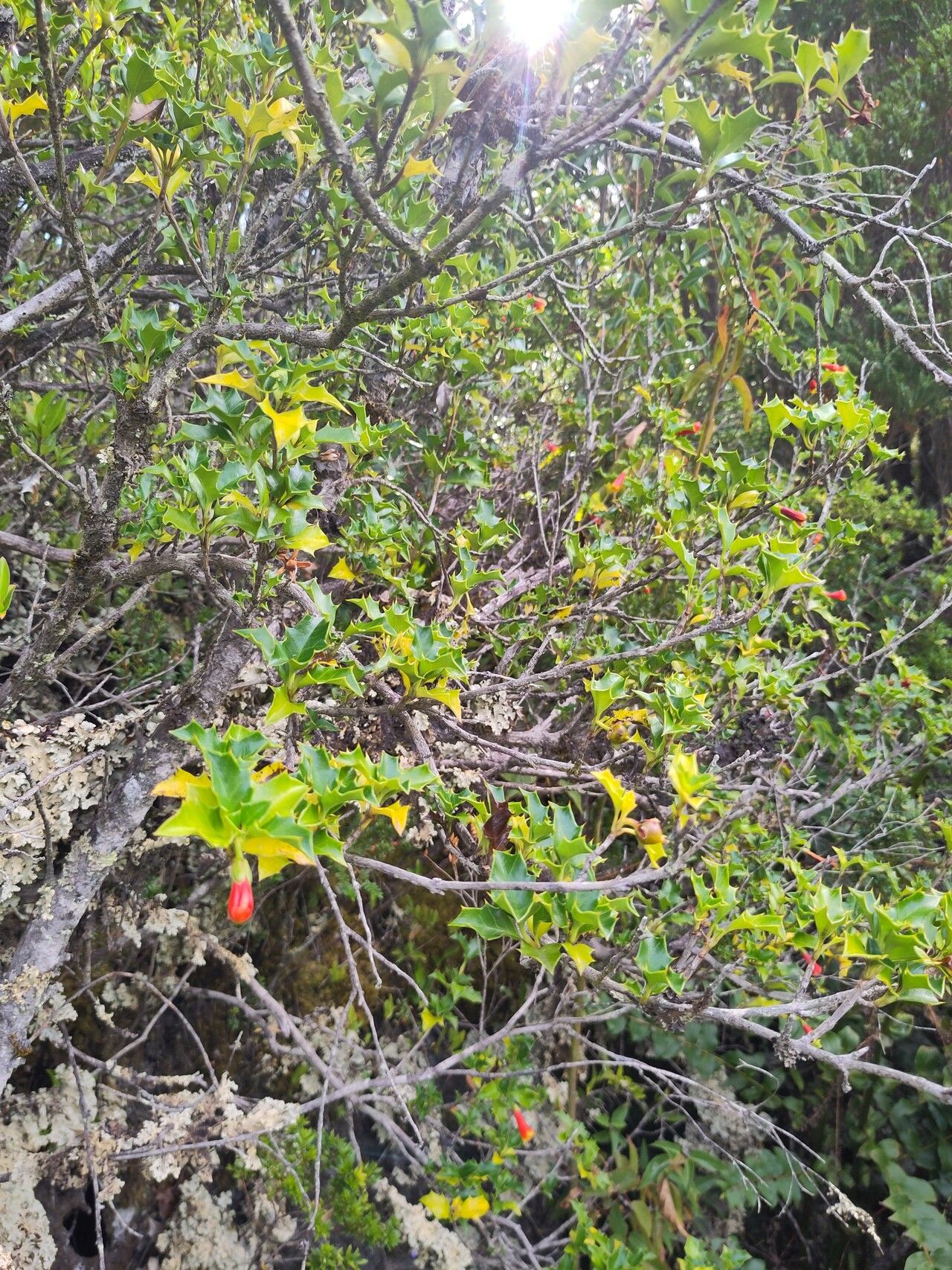
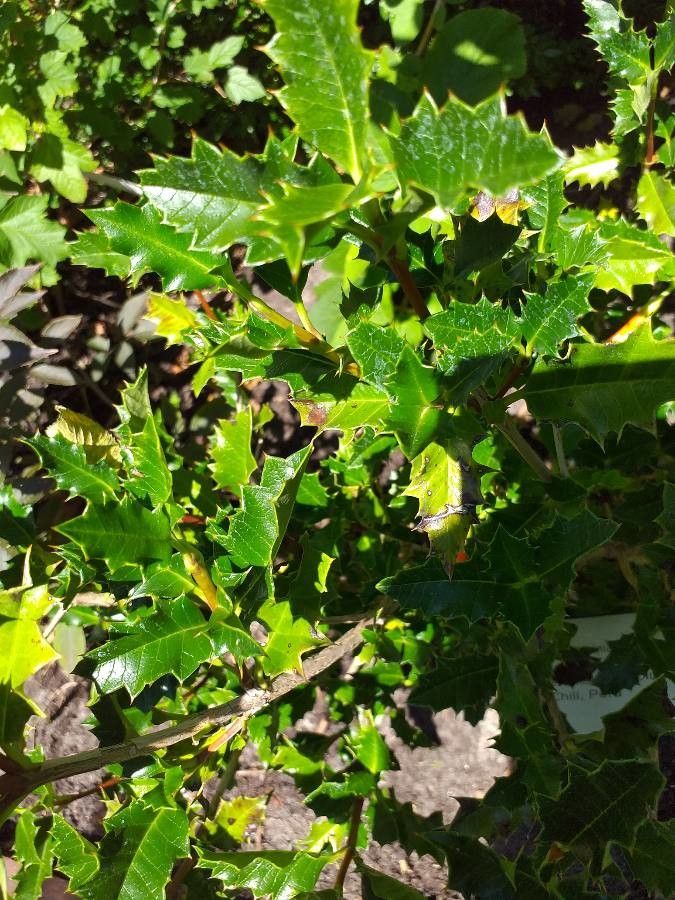
Chilean holly is highly resistant to disease and typically does not suffer from illnesses. Care-wise, this plant is fairly low-maintenance. When grown outdoors it needs little watering, and larger specimens usually do not require pruning. Smaller plants, however, should be pruned after they have bloomed. Chilean holly is suitable for anyone with an outdoor space, such as a garden or deck, and does not demand extensive care experience.
How to keep Desfontainia Fulgens.
Light
Chilean holly naturally grows in habitats like forest understories or rocky locations, where it is exposed to natural shade. It prefers partial sun but can adjust to full sun or full shade, showing its versatile and hardy nature.
Temperature
Chilean holly shows strong adaptability to a variety of climate conditions, from scorching summers to cold winters. Nevertheless, it has a preferred temperature range for healthy growth. If temperatures become too high, the plant is vulnerable to heat and humidity stress, which can lead to its death. In locations where temperatures near the lower limit of its cold tolerance, providing insulation to protect the plant is important.
Fertilizer
The timing of fertilizing Chilean holly is important. Apply fertilizer in early spring and repeat monthly through early summer. Fertilizer encourages attractive blooms and supplies energy during both dormant and active growth periods.
Botanical profile.
- Plant Type
- Shrub
- Life Cycle
- Perennial
- Genus
- Desfontainia
- Family
- Columelliaceae
- Hardiness Zone
- 7-10
- Mature Height
- 2.44 m
- Mature Spread
- 2.44 m
- Leaf Color
- Green
- Leaf Type
- Evergreen
- Flower Color
- Red, Yellow
- Flower Size
- 4.06 cm to 5.08 cm
- Bloom Time
- Summer
- Planting Time
- Spring, Summer, Autumn
- Harvest Time
- Fall
- Native Area
- Costa Rica, Ecuador, Peru