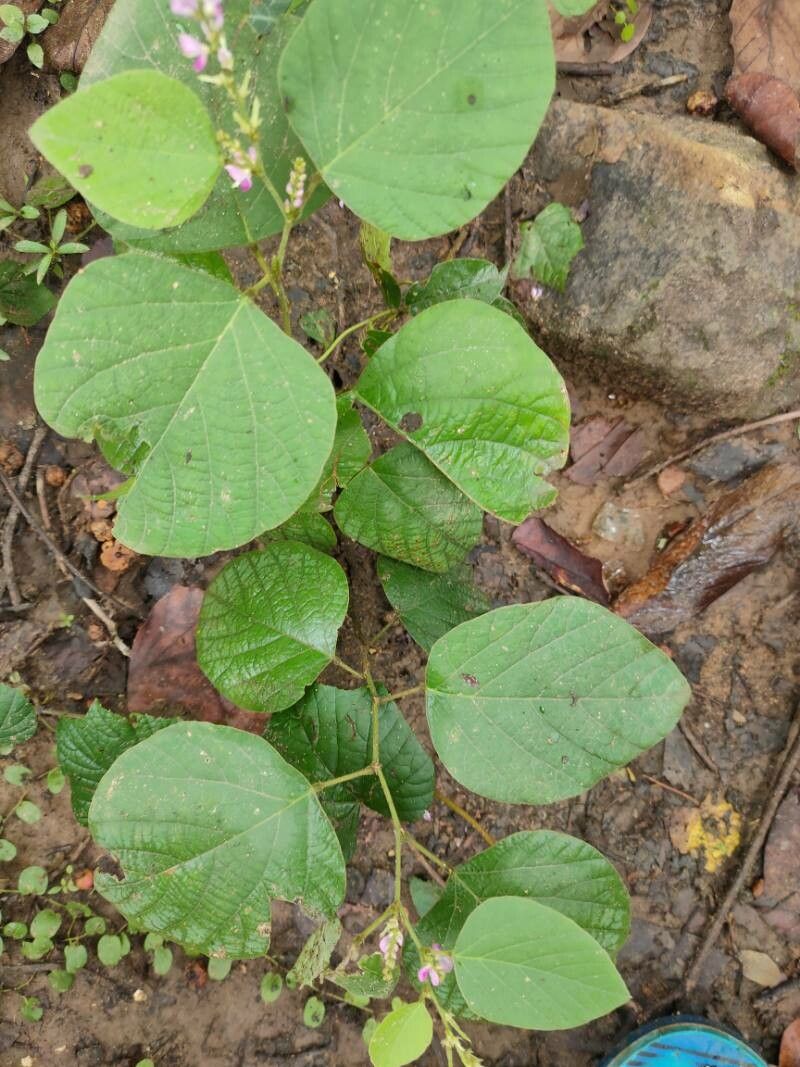
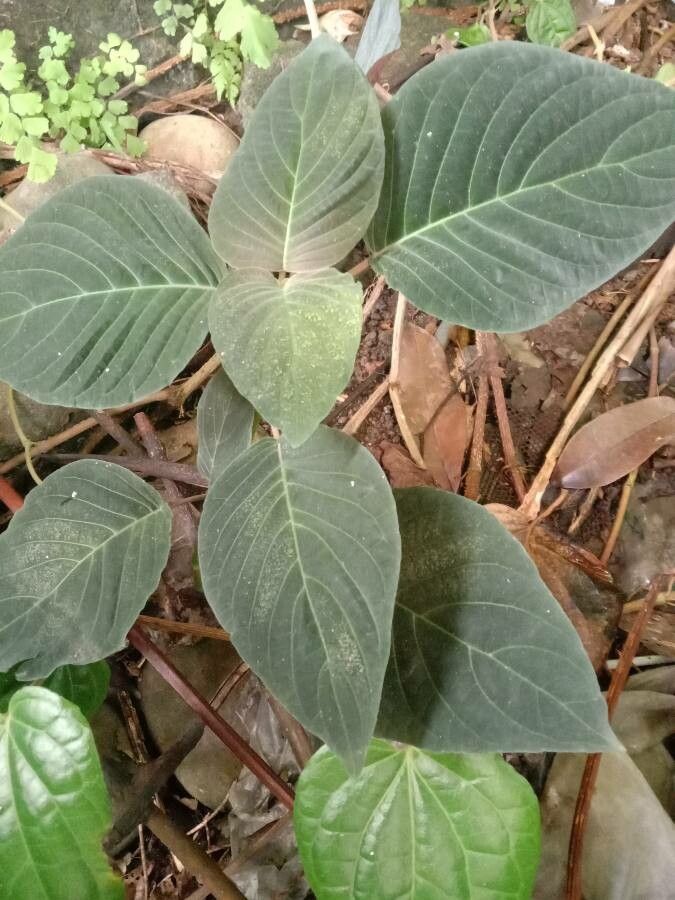
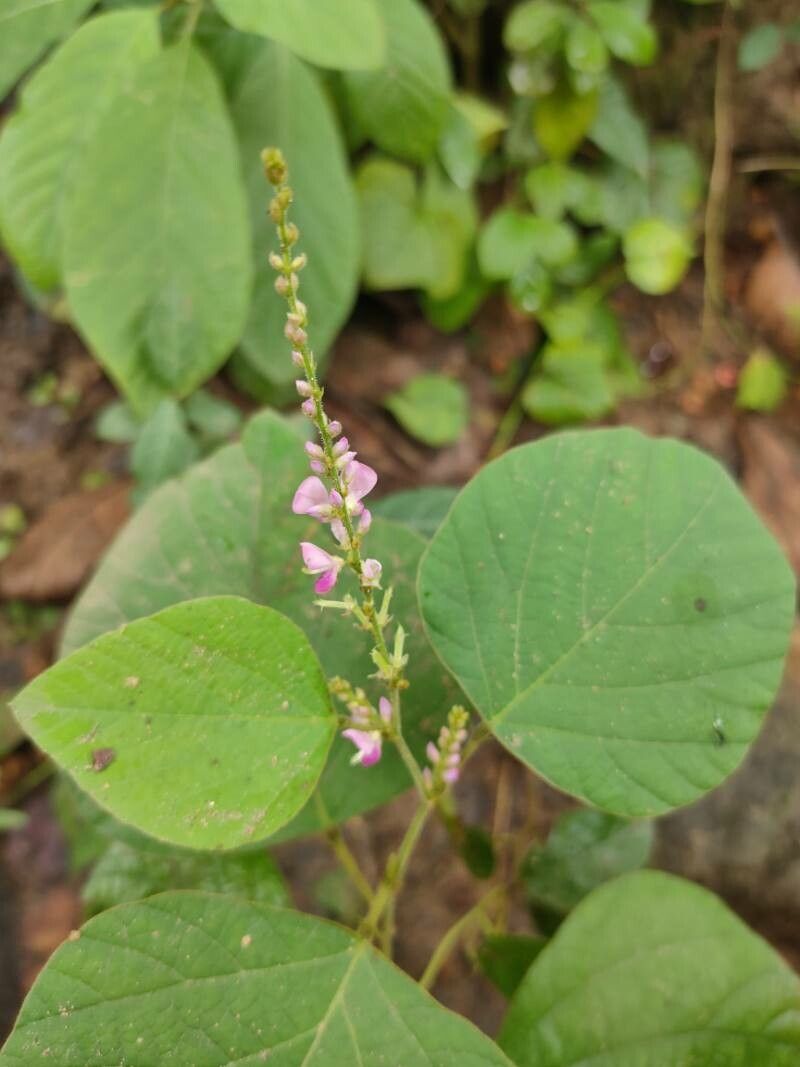
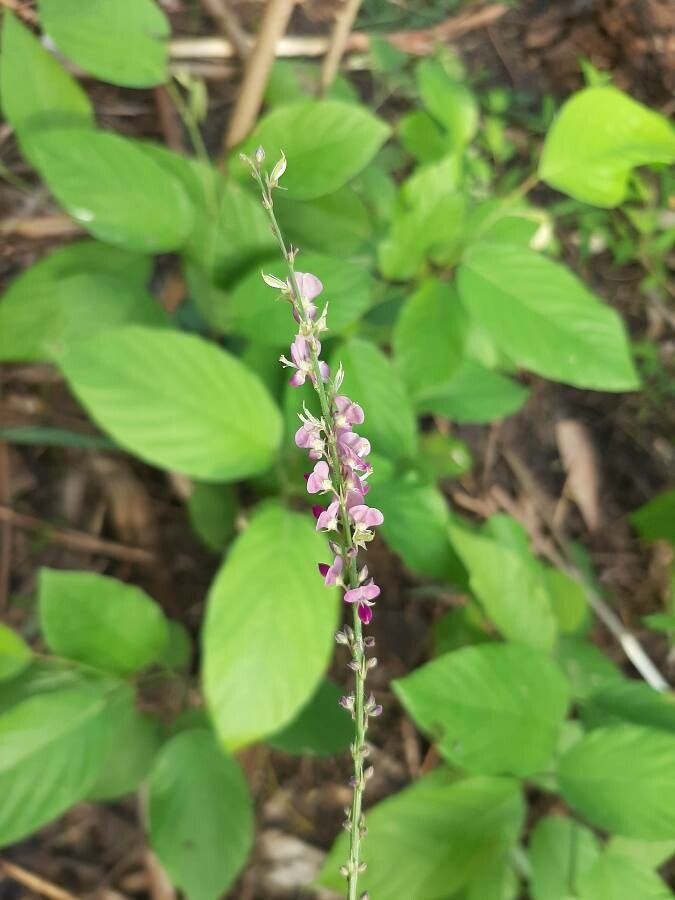
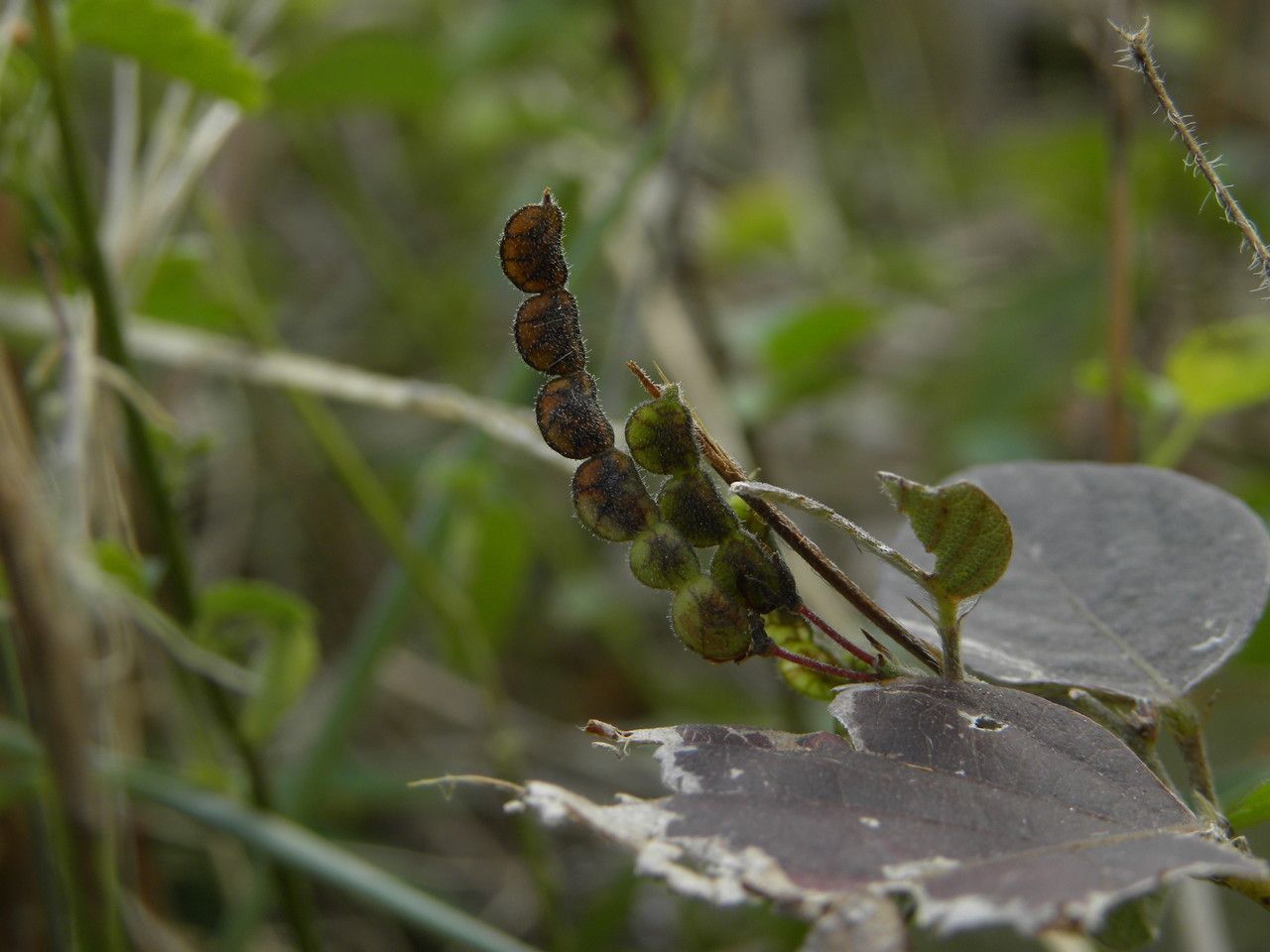
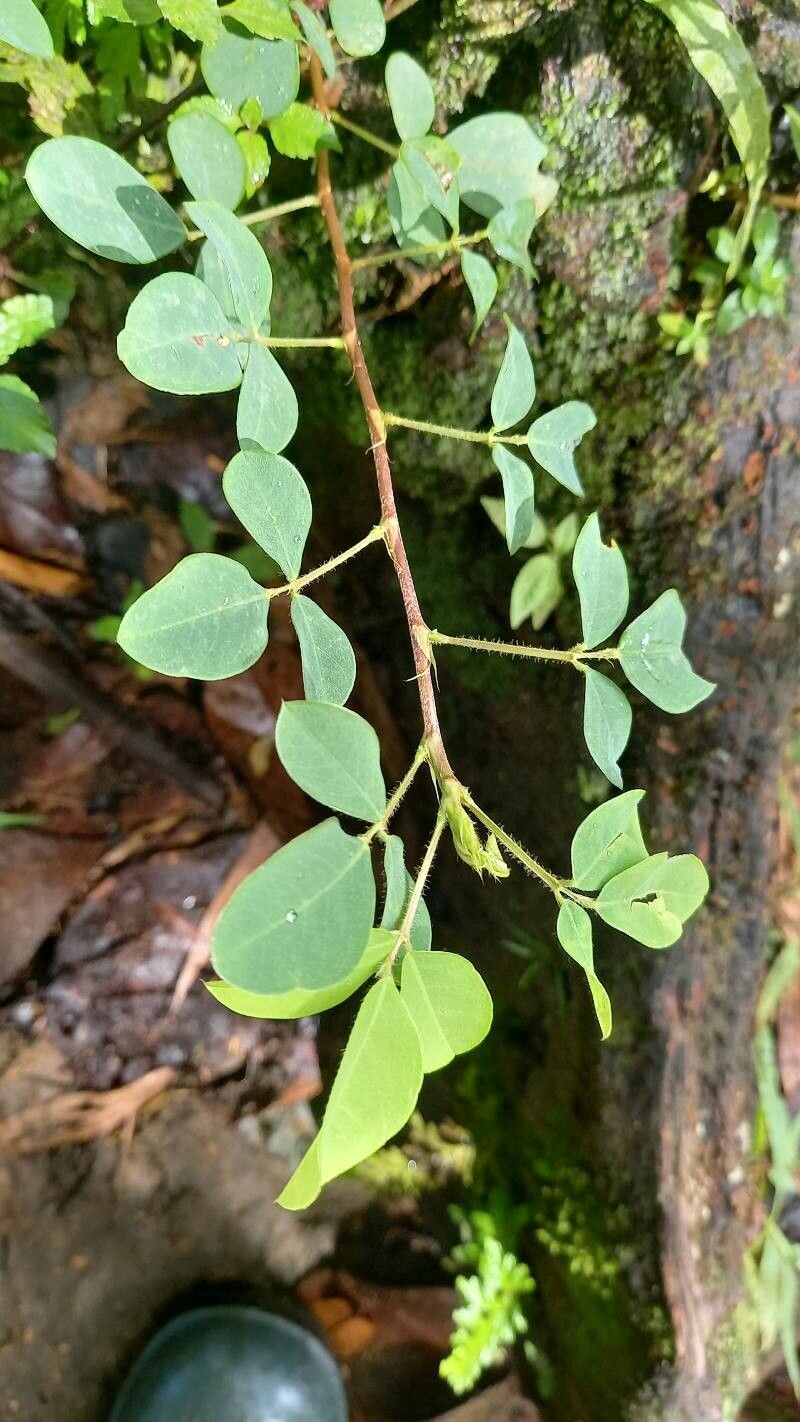
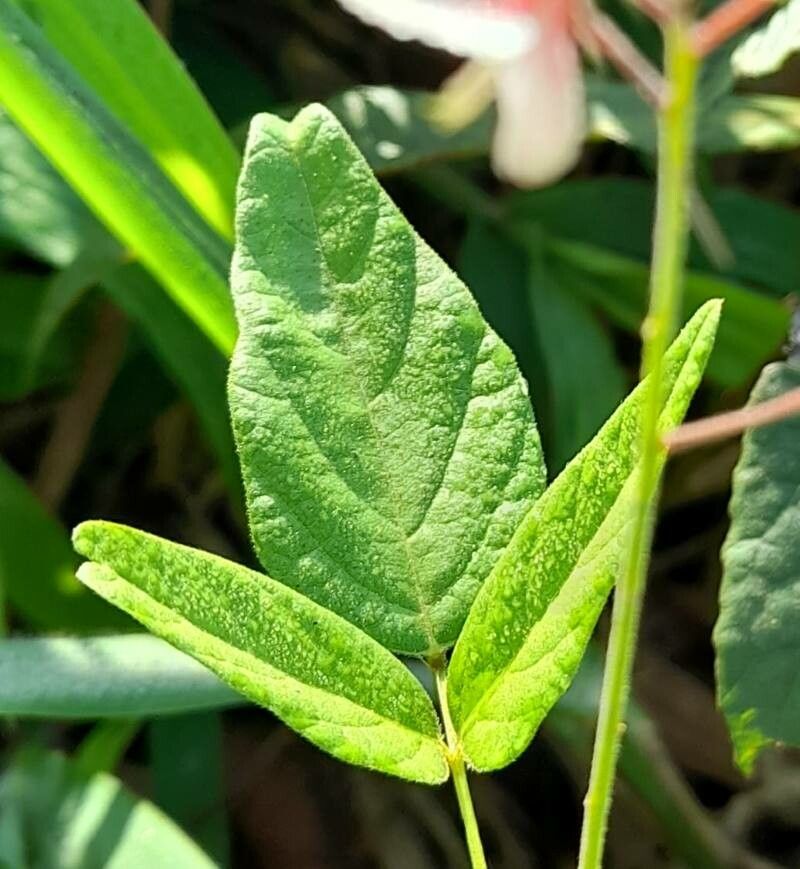
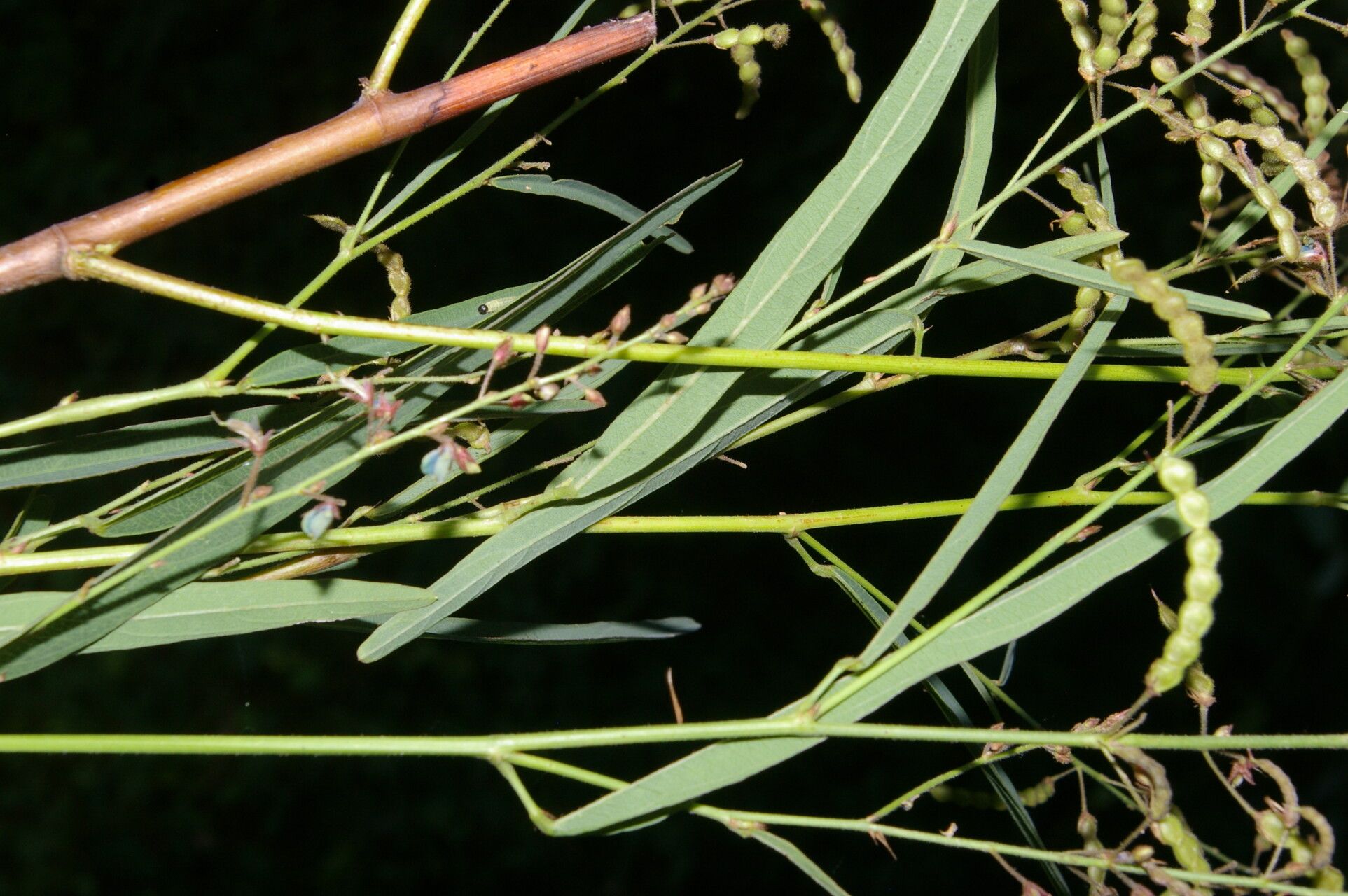
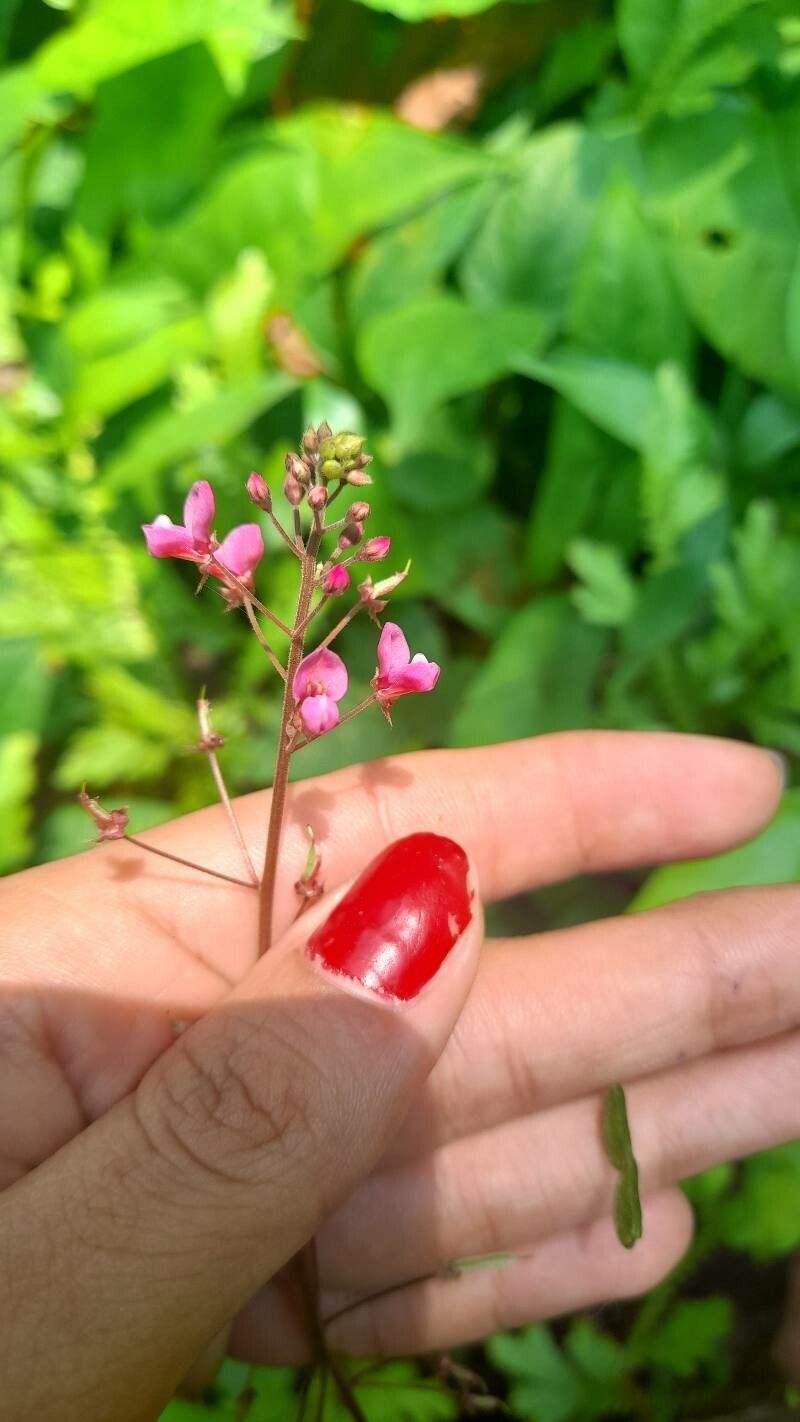
Desmodium gangeticum, commonly known as Shalparni, is a perennial herb belonging to the Fabaceae family. Native to the Indian subcontinent, it thrives in various regions of India, Nepal, and Sri Lanka. The plant typically reaches a height of 1-2 meters and features trifoliate leaves that are oval-shaped with serrated edges. For centuries, Desmodium gangeticum has been valued in traditional medicine due to its diverse medicinal properties. It is renowned for its anti-inflammatory, analgesic, anti-diabetic, and anti-asthmatic effects, among others. The plant's therapeutic benefits are attributed to its bioactive compounds such as alkaloids and flavonoids. In Ayurvedic medicine, the roots of Desmodium gangeticum are used to treat respiratory disorders like asthma and bronchitis. Additionally, its leaves are effective against skin diseases such as eczema, thanks to their antifungal properties. Beyond its medicinal applications, Desmodium gangeticum also holds ecological significance. Its extensive root system stabilizes soil, thereby preventing erosion, which makes it an important element in agroforestry systems. In summary, Desmodium gangeticum is a vital plant species with significant ecological value and numerous health benefits. It remains an essential component of traditional medicine systems across India and other parts of South Asia.
Salparni has strong disease resistance and is generally not prone to illnesses. In terms of care, this plant is fairly low-maintenance. When grown outdoors it needs minimal watering, and larger specimens typically do not require pruning. Smaller plants, however, should be trimmed after they have bloomed. Salparnit is appropriate for anyone who has outdoor space, like a garden or deck, and does not need a great deal of care experience.
How to keep Desmodium Gangeticum.
Light
Salparni is indigenous to habitats like forest understories and rocky sites, where it is subject to natural shade. It prefers partial sun but can adjust to full sun or full shade, reflecting its versatile and hardy character.
Water
Salparni thrives in areas with moderate rainfall and is quite drought-tolerant, needing water only every 2-3 weeks. When grown outdoors, this evergreen plant prefers well-drained soil to avoid overwatering and root rot.
Temperature
Salparni comes from tropical areas, where the climate is typically warm and humid. Because of this it is well adapted to high temperatures and moisture. It does not tolerate sudden temperature shifts and prefers a constant thermal environment, so avoiding temperature fluctuations indoors is important. It usually cannot withstand cold and needs warmer conditions to grow. If the surrounding temperature falls too low, the plant may stop growing or even die.
Fertilizer
The best time to fertilize a Salparni is in early spring, as it breaks dormancy. This encourages overall growth and flower development. Fertilizing improves the foliage, stems, and branches, and encourages large, vibrant, long-lasting flowers. It also helps transfer nutrients from the roots to the flowers and strengthens the plant's health and resistance to disease.
Pruning
Salparni is a bushy plant that offers nitrogen-fixing benefits. To maintain its health, prune it in early spring by removing dead branches and thinning out crowded areas to improve air circulation. Avoid heavy pruning to prevent stressing the plant. Regular trimming helps maintain its attractiveness and vitality, supporting consistent growth throughout the seasons.
Botanical profile.
- Plant Type
- Shrub
- Life Cycle
- Perennial
- Genus
- Desmodium
- Family
- Leguminosae
- Hardiness Zone
- 9
- Mature Height
- 0.61 m to 1.22 m
- Mature Spread
- 49 cm to 76 cm
- Leaf Color
- Green
- Leaf Type
- Deciduous
- Flower Color
- Pink, Purple
- Flower Size
- 10.16 cm to 30.48 cm
- Bloom Time
- Summer, Early fall, Mid fall
- Planting Time
- Spring, Summer, Autumn
- Harvest Time
- Late summer, Fall, Early winter
Other names.