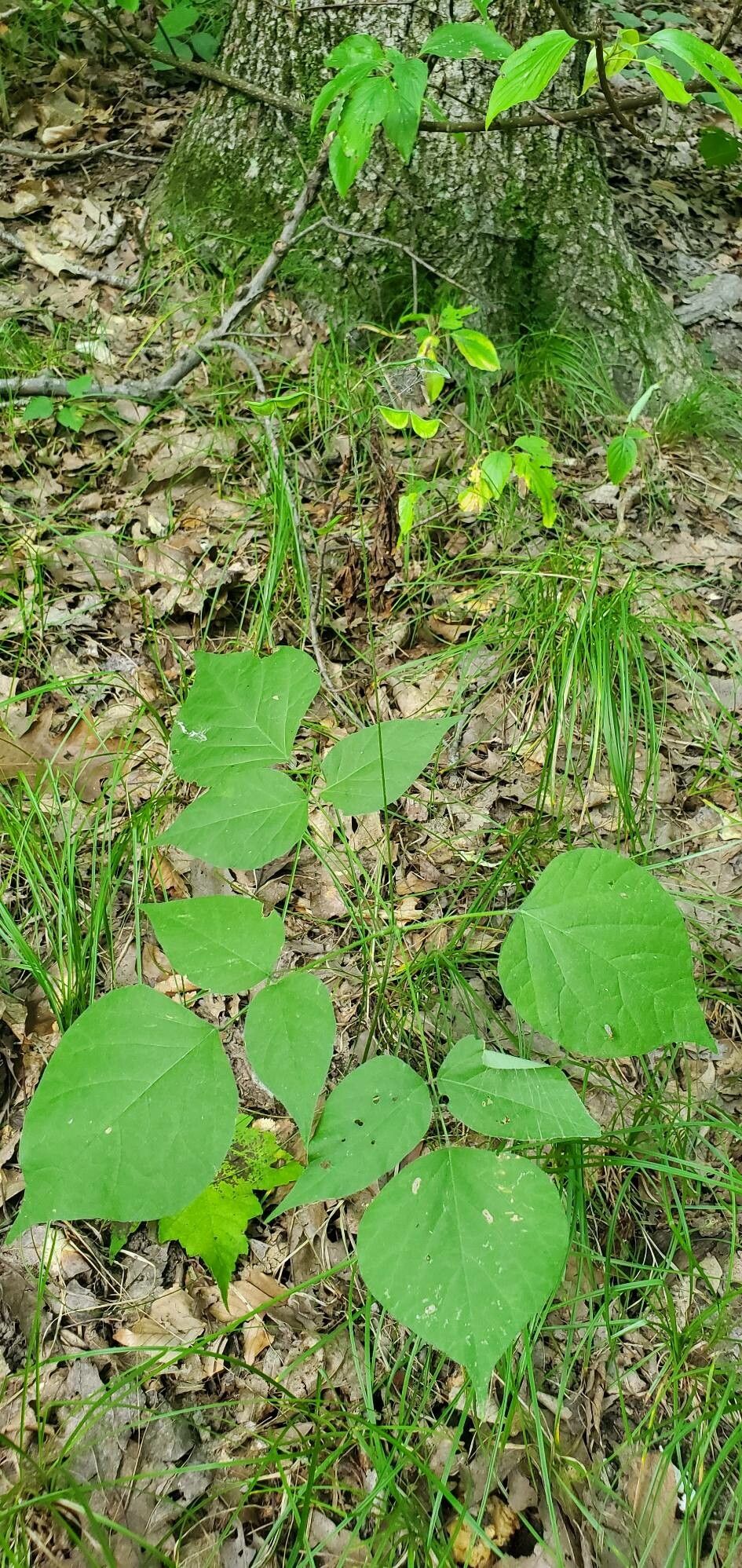
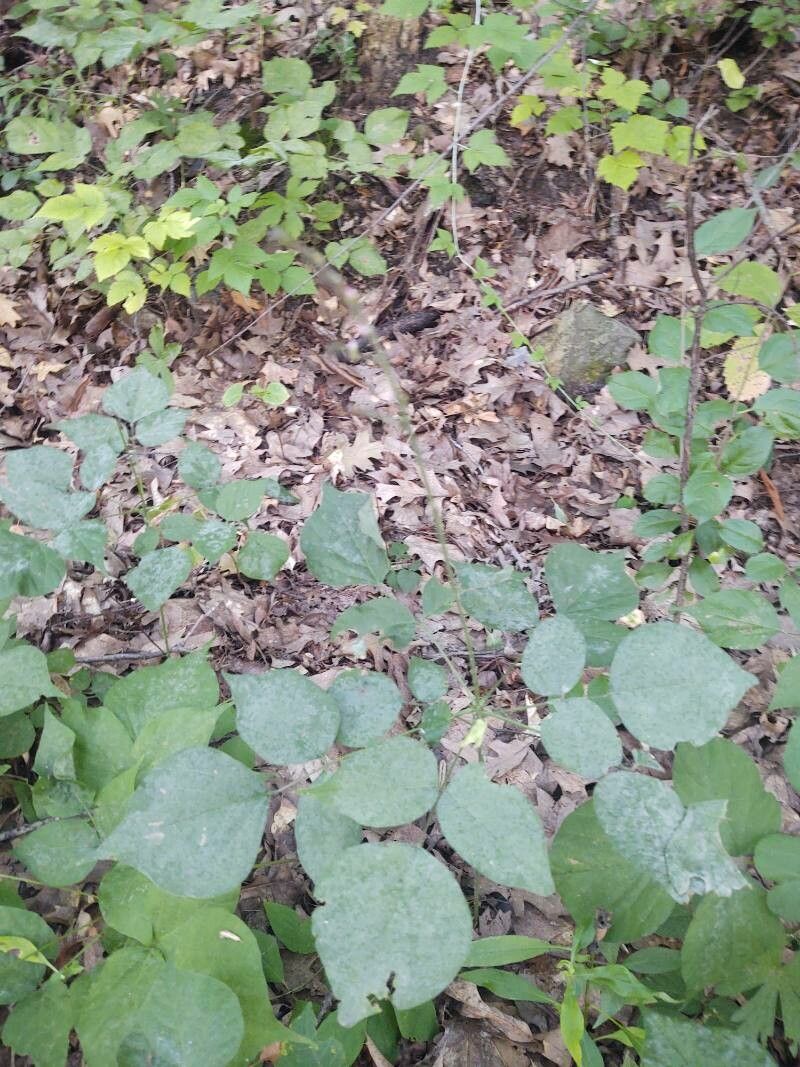
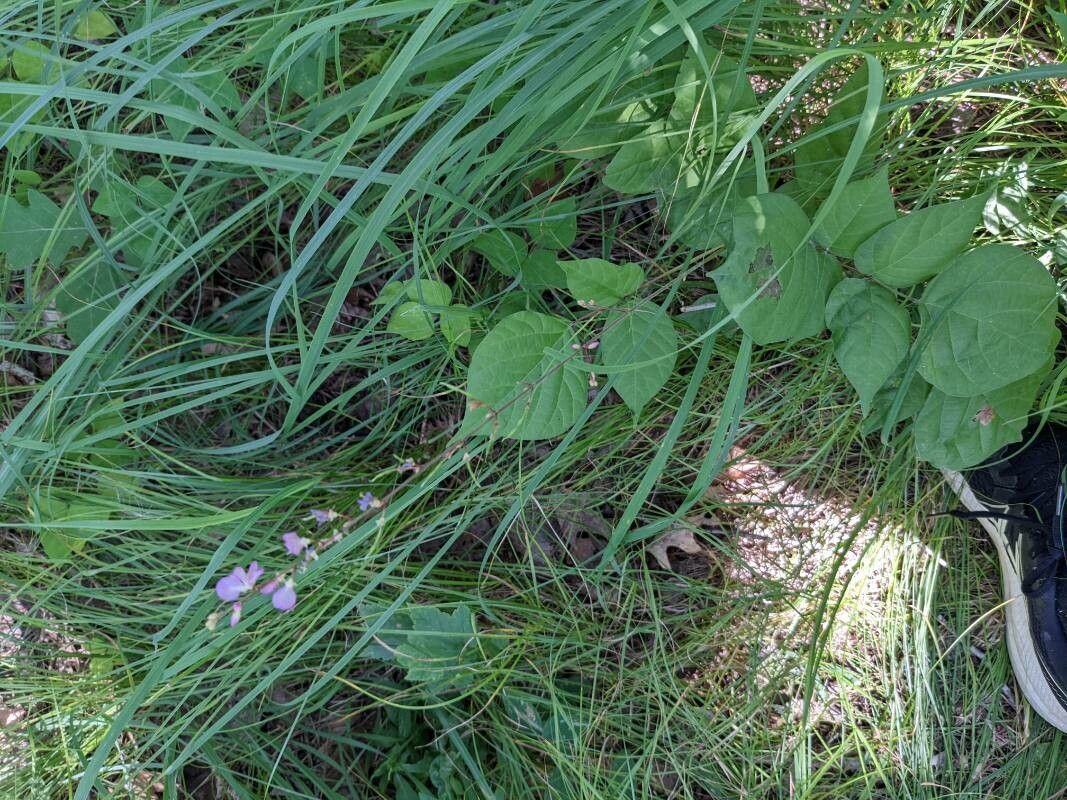
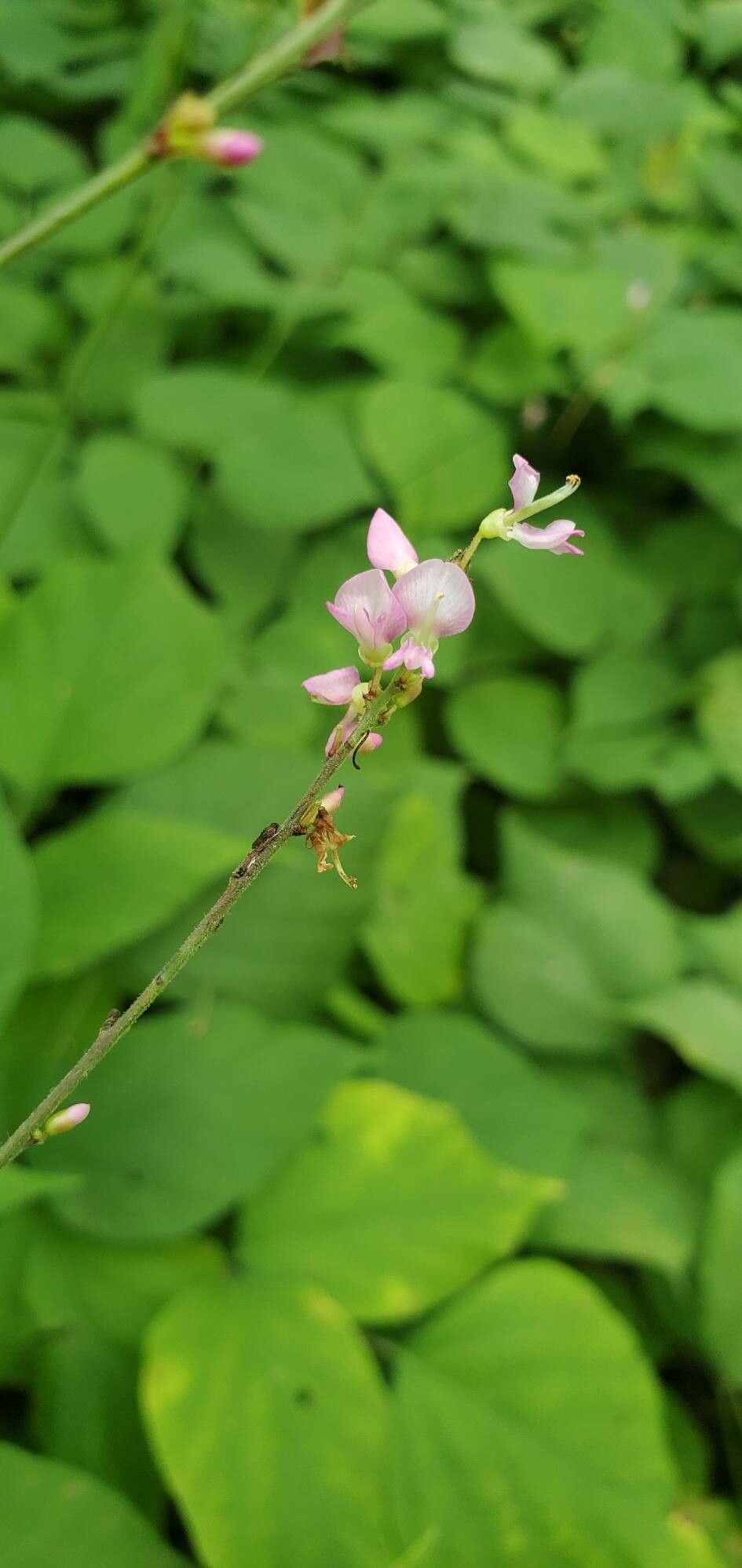
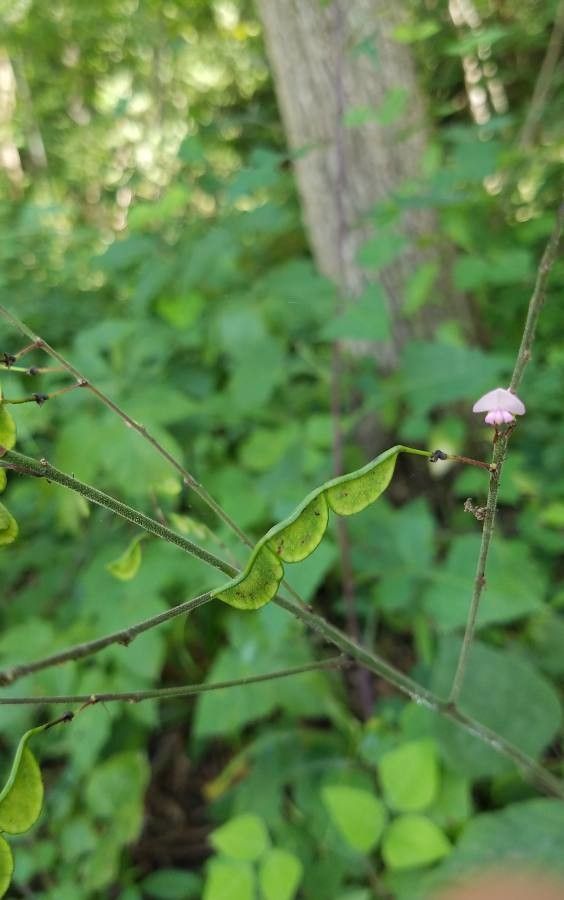
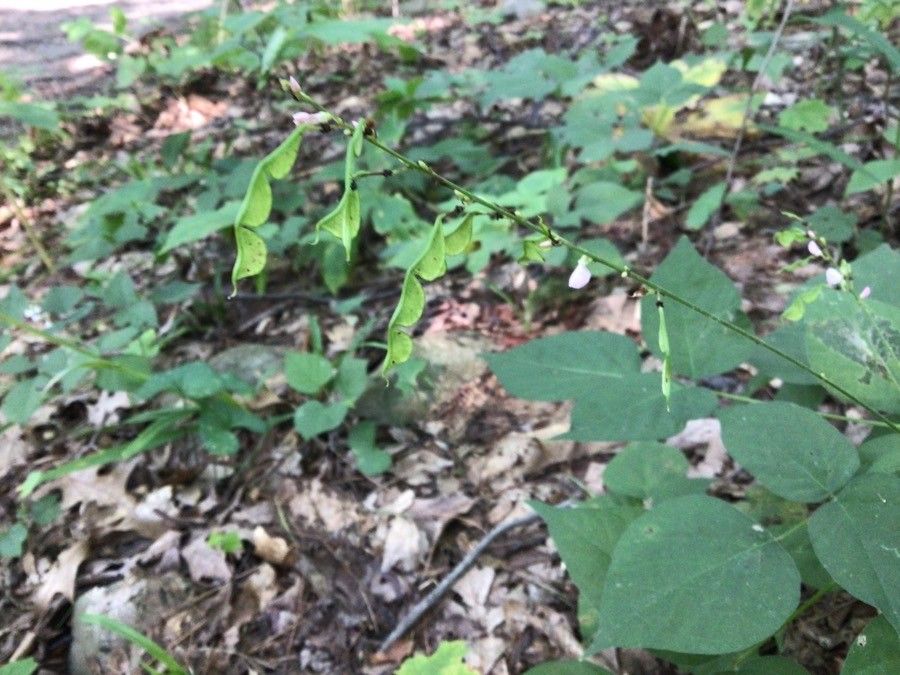
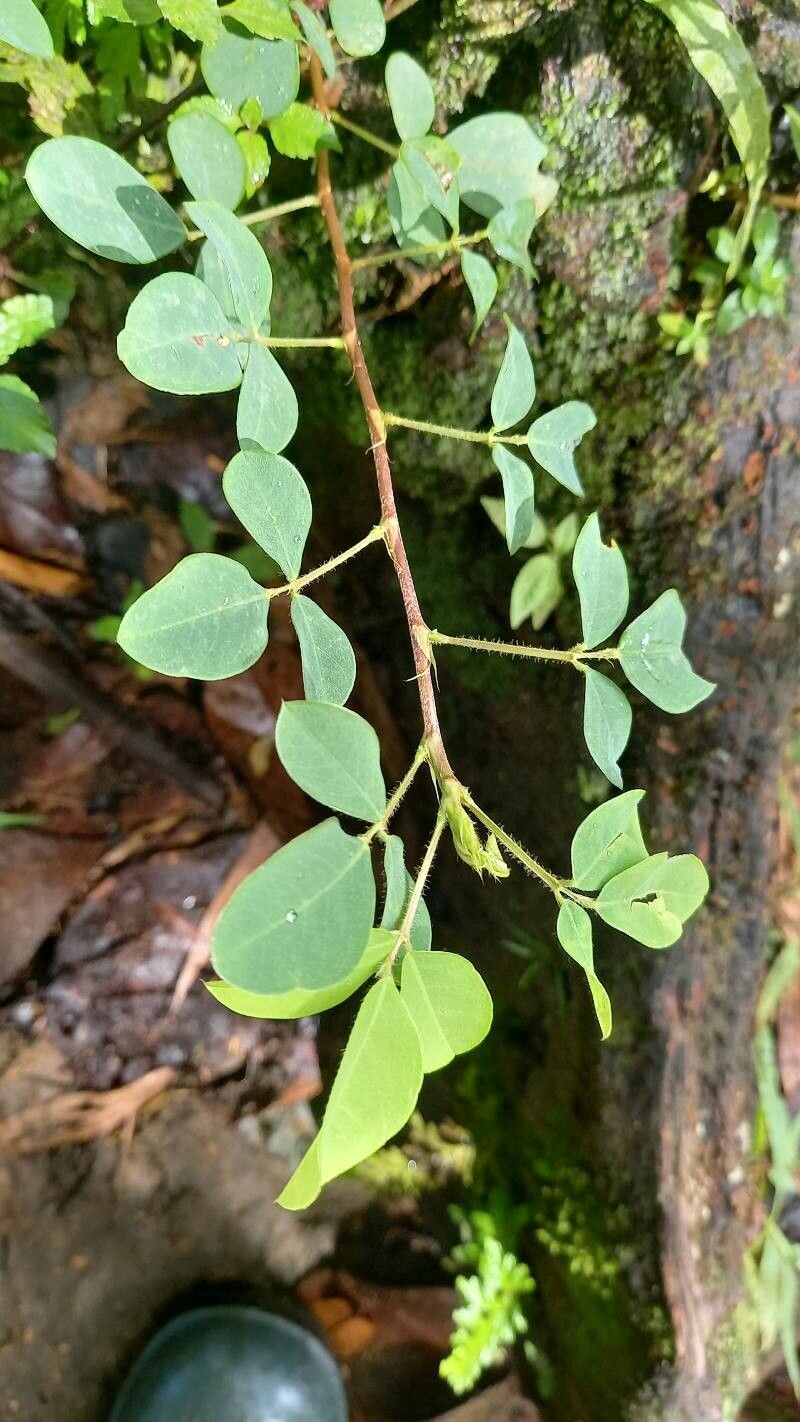
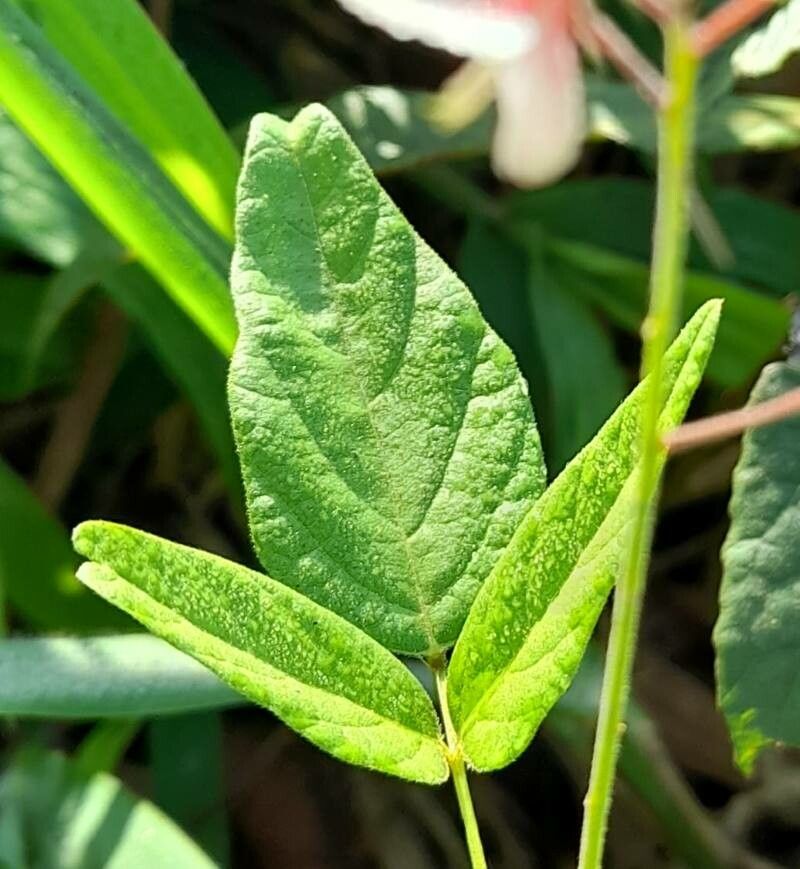
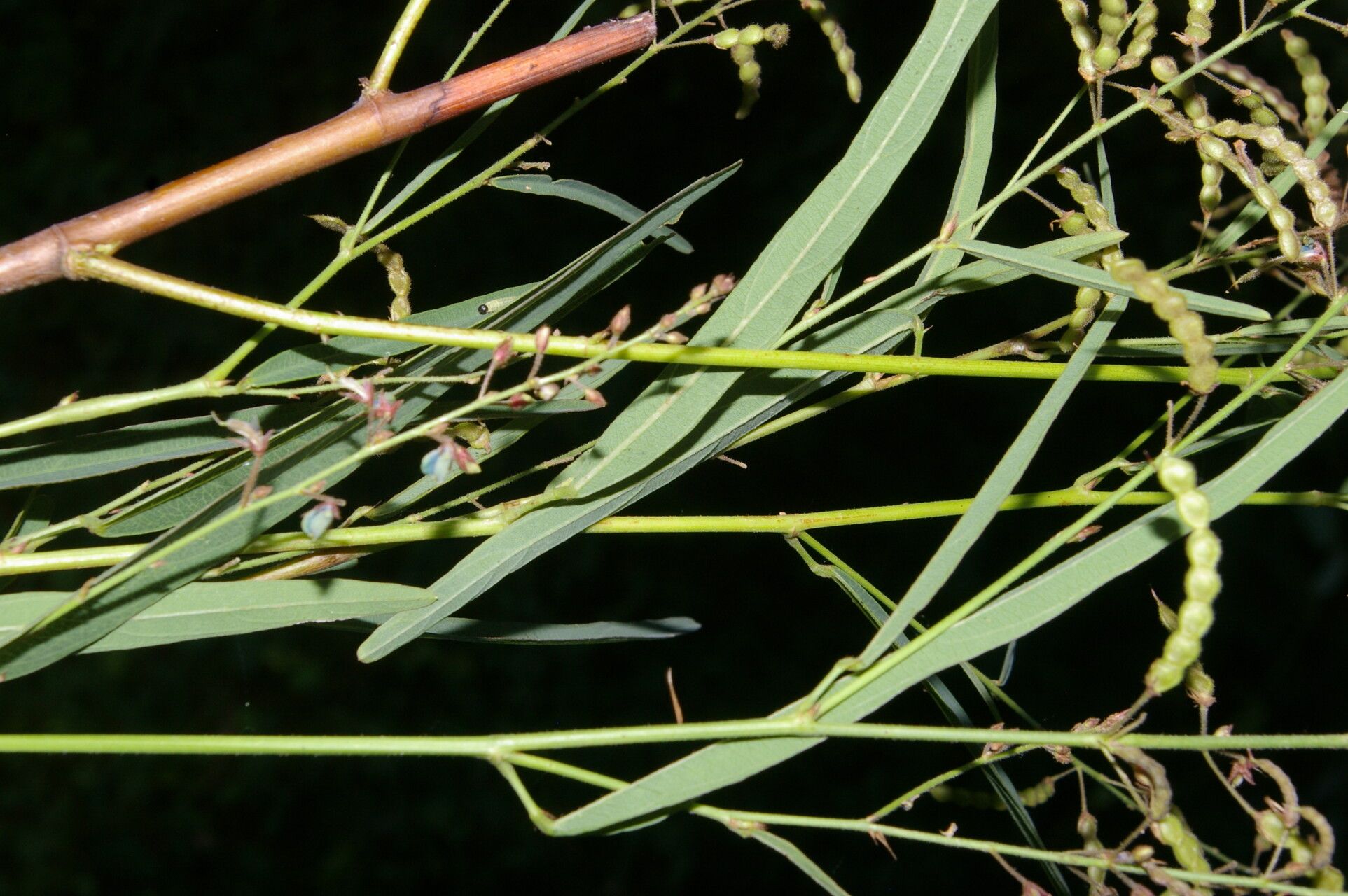
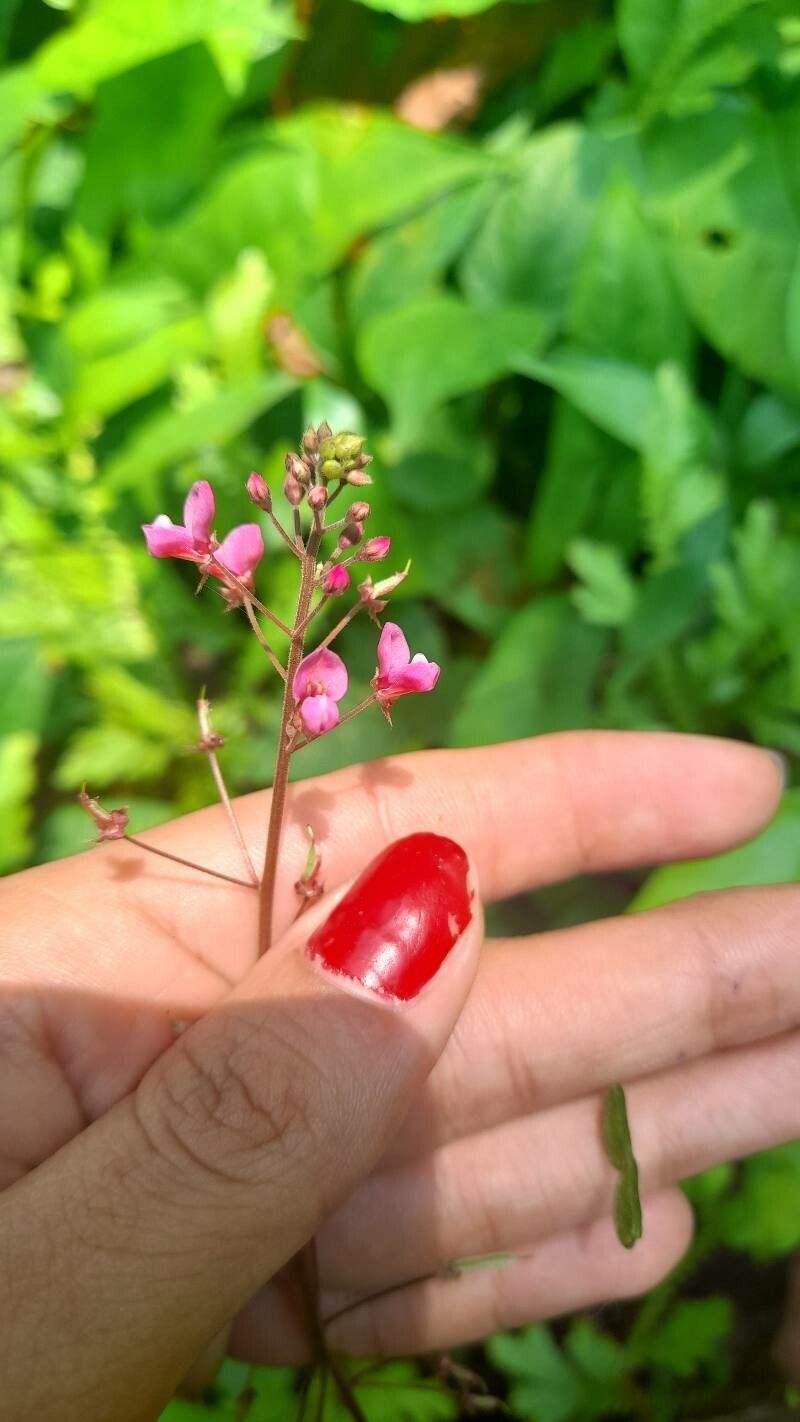
Hylodesmum glutinosum is a species of flowering plant in the family Fabaceae. Common names include large tick-trefoil, clustered-leaved tick-trefoil, large-flowered tick-clover, pointed tick-trefoil, beggar's lice and pointed-leaved tick-trefoil. It occurs in eastern Canada, the central and eastern United States, and northeastern Mexico.
Pointedleaf ticktrefoil is fairly resistant to disease and typically does not suffer from illnesses. Still, it can be vulnerable to pests and diseases present in its environment. When infections do occur, they are generally mild. Regarding maintenance, this plant needs a moderate level of care. Regular pruning is necessary to preserve a neat appearance and support healthy growth. Applying fertilizer can also encourage more flowering. Pointedleaf ticktrefoil is appropriate for anyone with an outdoor area, such as a garden or patio, and does not demand extensive care experience. It may need more attention if kept indoors.
How to keep Desmodium Glutinosum.
Light
The perennial herbaceous plant, Pointedleaf ticktrefoil, thrives in open habitats including meadows and grasslands, displaying a preference for sunny locations. Although it favors full sunlight, it also possesses an ability to withstand conditions of partial sunshine.
Water
Pointedleaf ticktrefoil, a plant native to moist woodlands, flourishes with regular moisture. For optimal growth, it benefits from weekly watering. This plant is best suited for outdoor cultivation, as it can take advantage of natural rainfall, especially during its active growing season when its water needs are greatest. The goal is to keep the plant well-hydrated without creating excessive humidity.
Temperature
Pointedleaf ticktrefoil is capable of adjusting to a vast array of temperature environments, however, its spread may still be restrained by varying permutations of moisture and thermal circumstances. This plant flourishes in hot weather conditions during the summer, provided there is sufficient rainfall or irrigation. Extended spells of cloudiness and precipitation, coupled with long durations of elevated temperature, can elevate the risk of the Pointedleaf ticktrefoil perishing. During the winter, the plant's survival chances can be enhanced by appropriate protection from the cold.
Fertilizer
Typically, a single dose of fertilizer in the spring is adequate for the Pointedleaf ticktrefoil. However, repetitive fertilization can optimize its growth. It's recommended to do this every month to a month and a half. The process of fertilization improves the plant's leaf aesthetics and performance by encouraging a uniform color and robust texture. Moreover, it boosts root development and the absorption of nutrients, which contributes to the plant's health in the long run.
Pruning
Pointedleaf ticktrefoil is characterized by its sticky, trifoliate leaves and delicate flowers. To encourage new growth and maintain its health, it's best to prune the plant between early and late spring. Begin by removing any dead or diseased branches, then thin out overcrowded areas to improve airflow. Trim any overgrown stems as needed. Always use clean, sharp tools to avoid damaging the plant.
Botanical profile.
Other names.