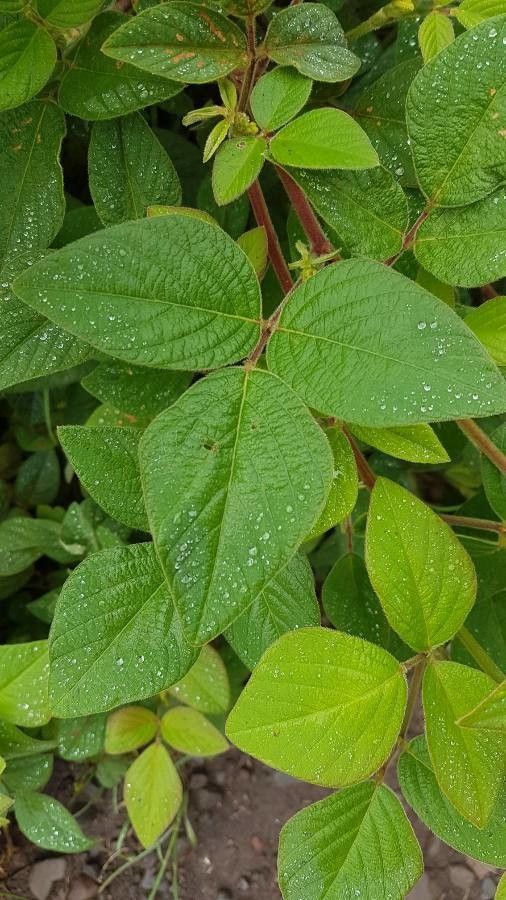
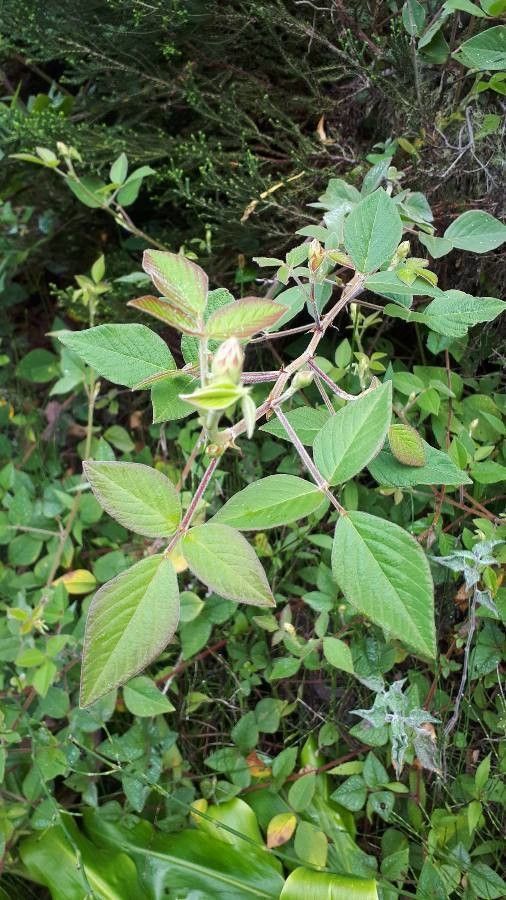
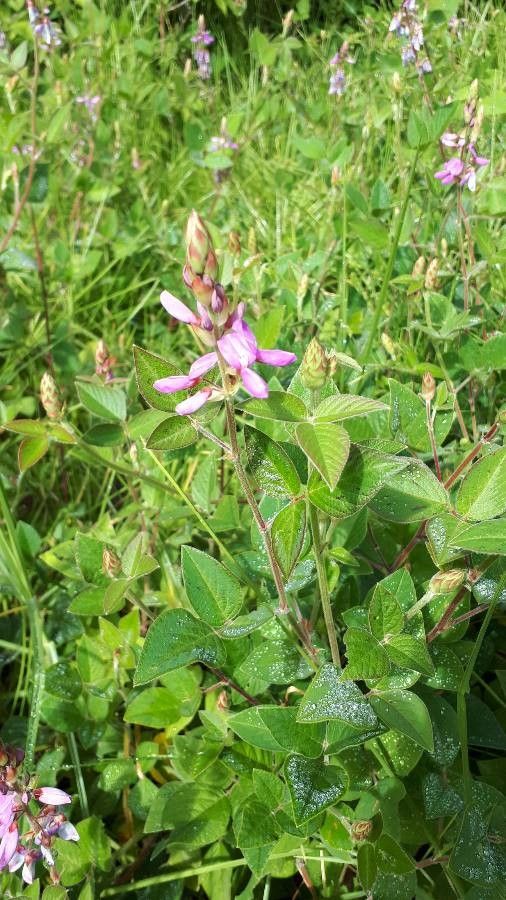
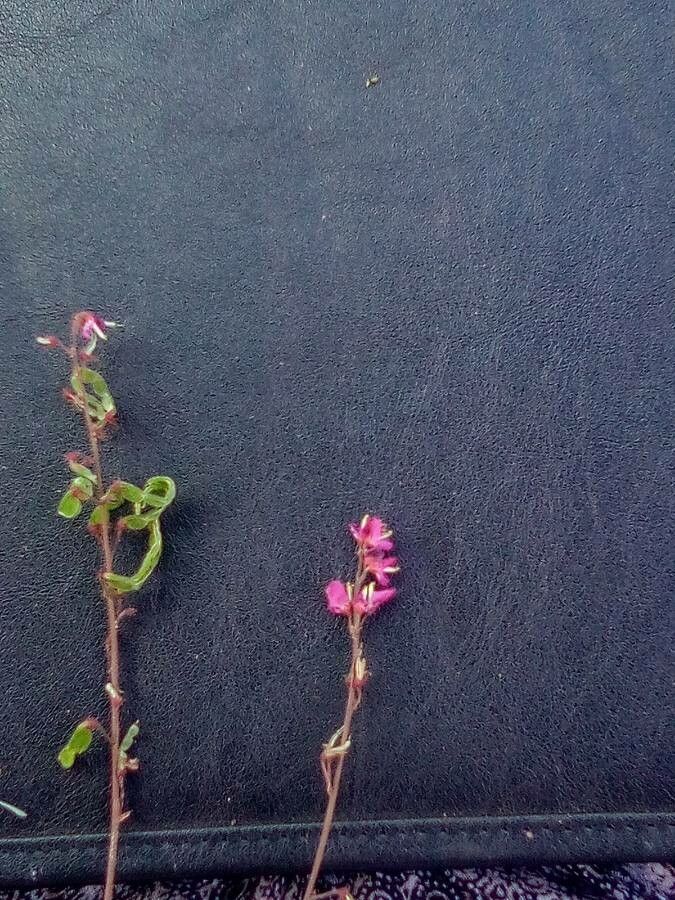
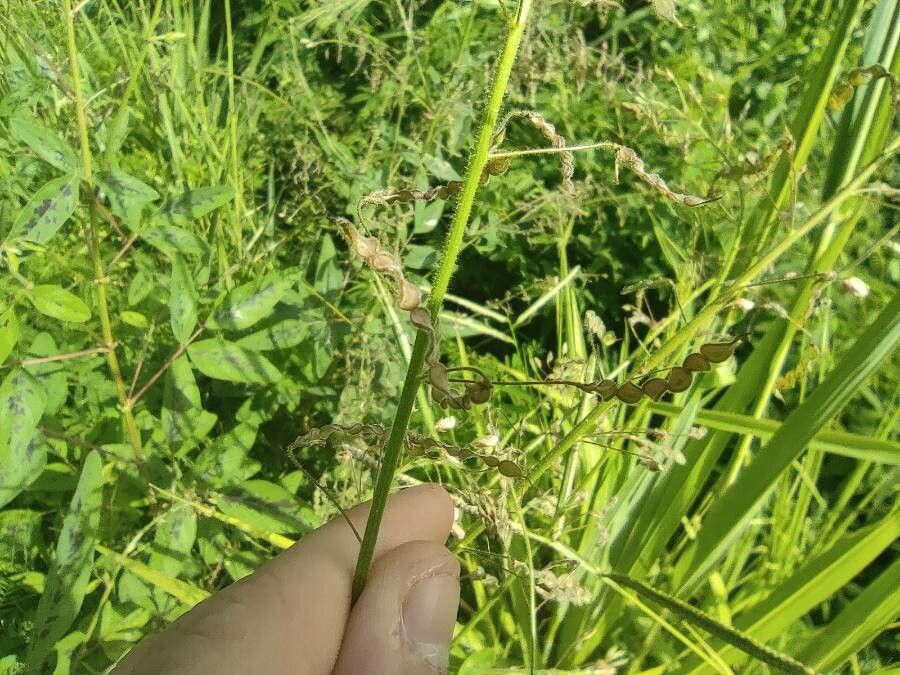
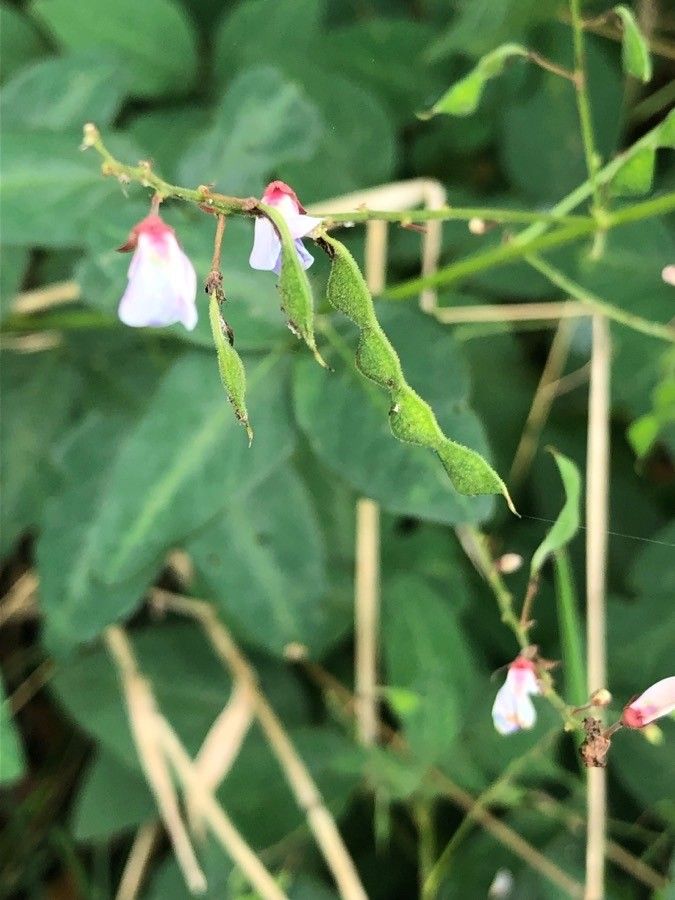
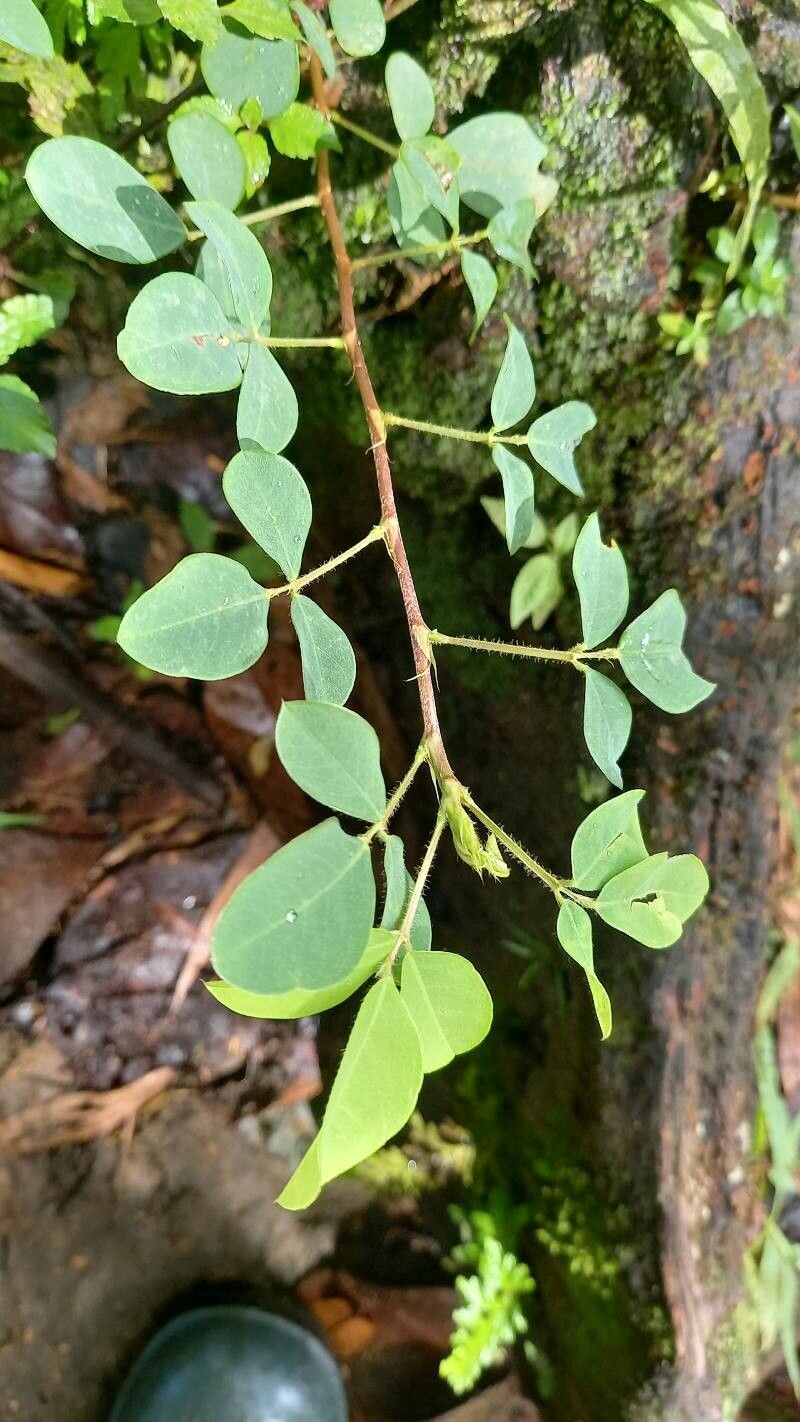
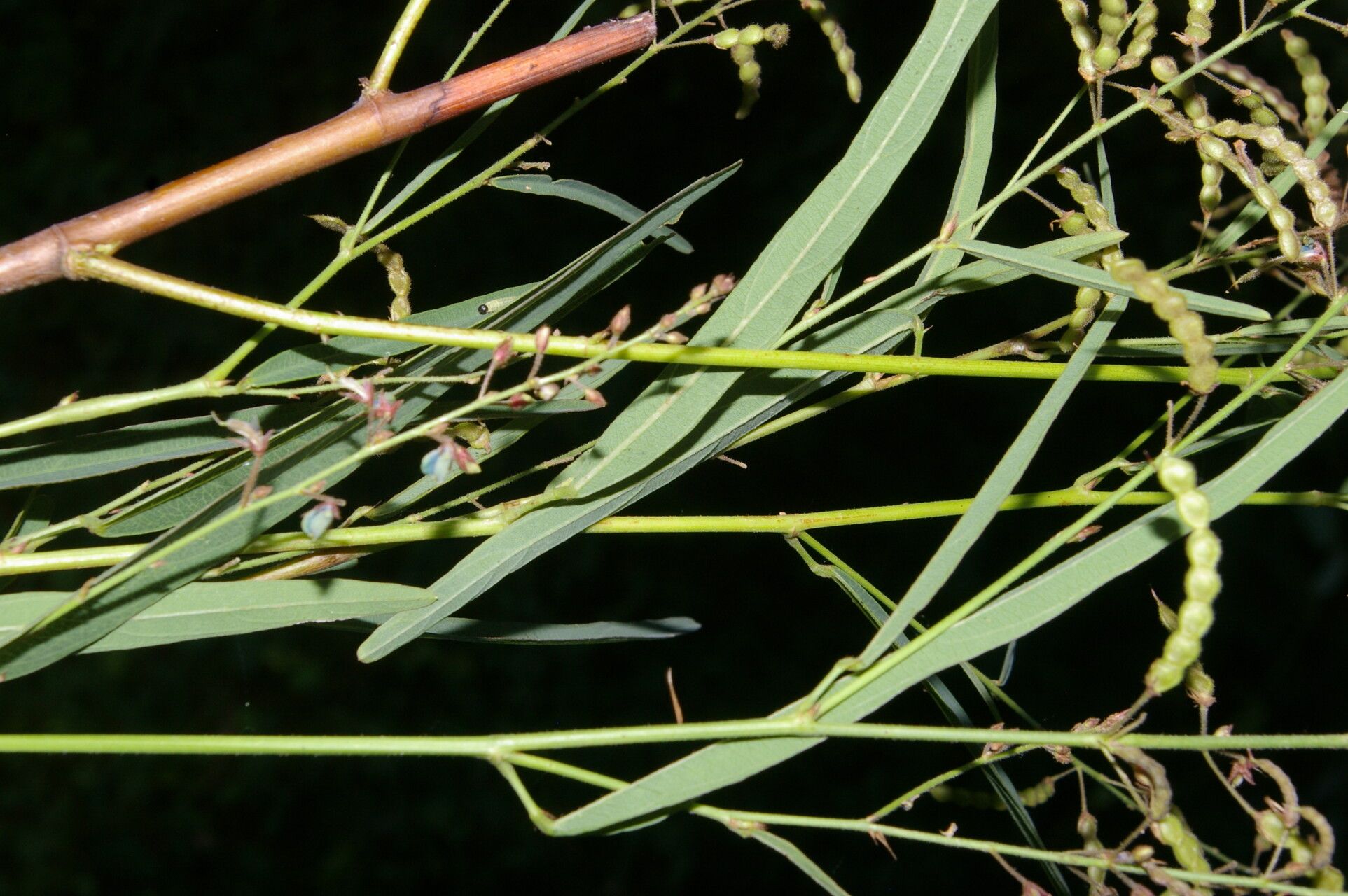
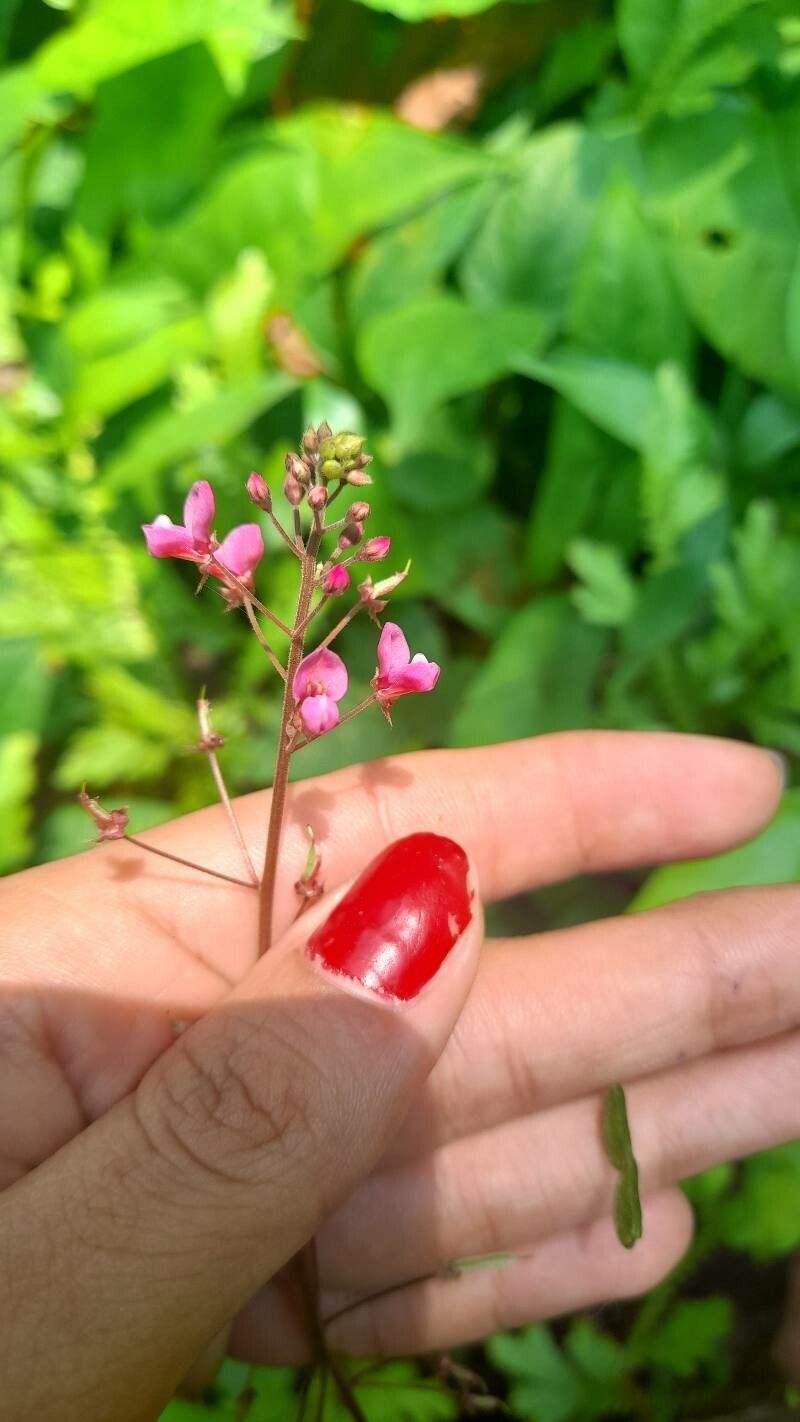
Desmodium intortum, known as greenleaf desmodium and also as beggarlice along with other members of its genus, is a species of flowering plant in the genus Desmodium, native to Mexico, Central America, northern South America, the Galápagos, Haiti and Jamaica. A nitrogen-fixing fodder crop, it has been introduced to the rest of the world's tropics, including Africa, India, Australia, New Guinea and TaiwanDesmodium intortum is used in push–pull agricultural pest management since it contains potent secondary metabolites that are released into the soil and aerially. Inter-cropped in maize and sorghum fields, it repels Chilo partellus, a stem-boring grass moth, and suppresses witchweeds, including Asiatic witchweed (Striga asiatica) and purple witchweed (S. hermonthica).
Greenleaf ticktrefoil shows strong disease resistance and typically does not suffer from many illnesses. Still, it can be vulnerable to pests and diseases that exist nearby, though such infections are generally mild. Regarding maintenance, this species requires a moderate level of care. It should be pruned on a regular basis to preserve its appearance and encourage healthy growth. Applying fertilizer can also support better flowering. Greenleaf ticktrefoil is well suited for anyone with outdoor areas like a garden or patio and does not demand extensive gardening experience. It may need more attention if cultivated indoors.
How to keep Desmodium Intortum.
Light
Greenleaf ticktrefoil is a sun-loving perennial herbaceous plant that comes from open habitats and often thrives in meadows and grasslands. It favors full sun but can also tolerate partial sun.
Temperature
Greenleaf ticktrefoil comes from tropical areas, where the climate is generally warm and humid. Consequently, it is adapted to high heat and moisture. It does not tolerate sudden temperature shifts and prefers a steady thermal environment, so avoiding temperature fluctuations indoors is important. It typically cannot withstand cold and needs warmer conditions to grow. If the surrounding temperature falls too low, the plant may stop growing or even die.
Fertilizer
Greenleaf ticktrefoil needs the most fertilizer during its active growth phase, which takes place mainly in spring, summer, and early fall. Fertilization supplies essential nutrients the soil may lack, promoting healthy root and stem development and the attractive foliage that is a key feature of this plant.
Pruning
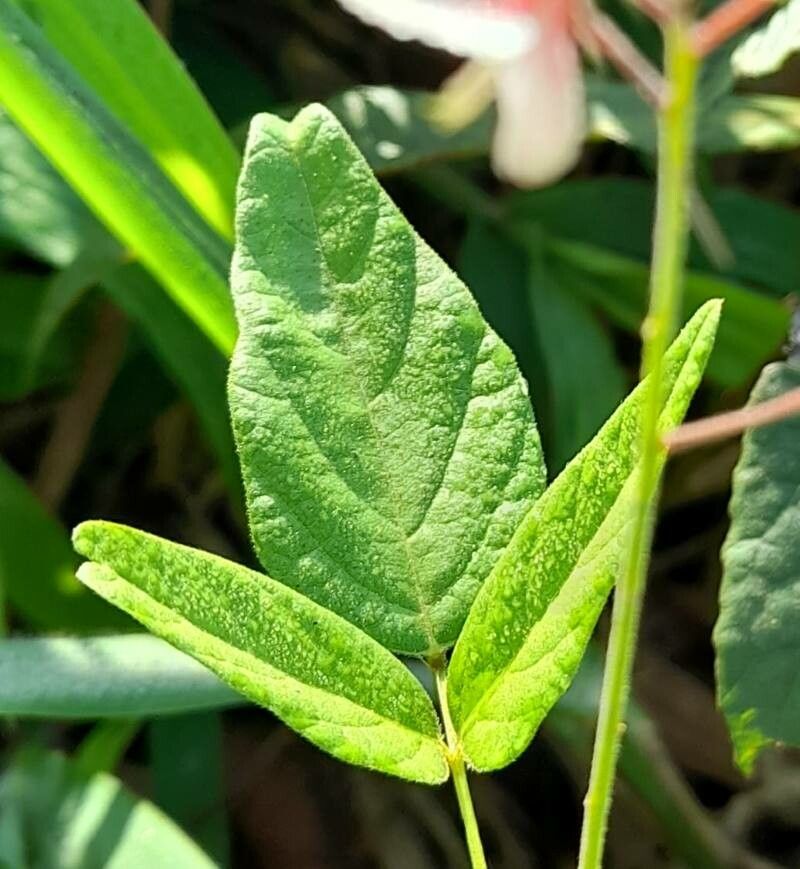
Greenleaf ticktrefoil has trifoliate leaves and purple flowers. To maintain its health and improve air circulation, it is beneficial to prune the plant annually in early spring, removing up to one-third of its growth. Pruning at the right time encourages strong flowering while preventing the plant from becoming too leggy. This practice not only enhances the plant's health but also improves its visual appeal.
Botanical profile.
- Plant Type
- Herb
- Life Cycle
- Perennial
- Genus
- Desmodium
- Family
- Fabaceae
- Hardiness Zone
- 9-11
- Mature Height
- 49 cm to 91 cm
- Mature Spread
- 0.91 m to 2.13 m
- Leaf Color
- Green, Dark Green
- Leaf Type
- Evergreen
- Flower Color
- Pink, Purple
- Flower Size
- 0.76 cm to 1.02 cm
- Bloom Time
- Summer, Early fall, Mid fall
- Planting Time
- Summer, Autumn
- Harvest Time
- Late summer, Fall, Early winter
- Native Area
- Colombia, Belize, Honduras, Mexico, Guatemala, Bolivia, Venezuela, Nicaragua, Ecuador, Costa Rica, Panama, Jamaica
Other names.