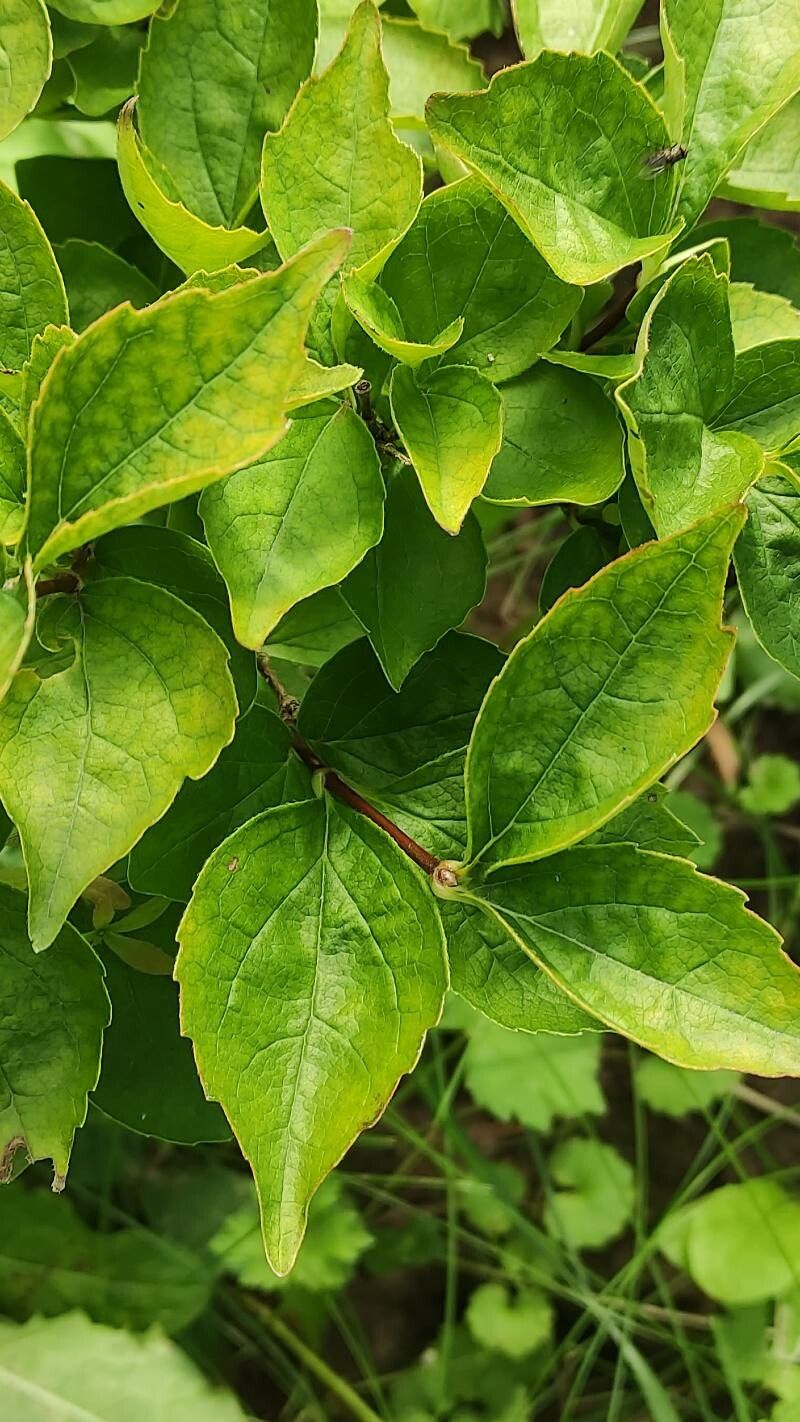
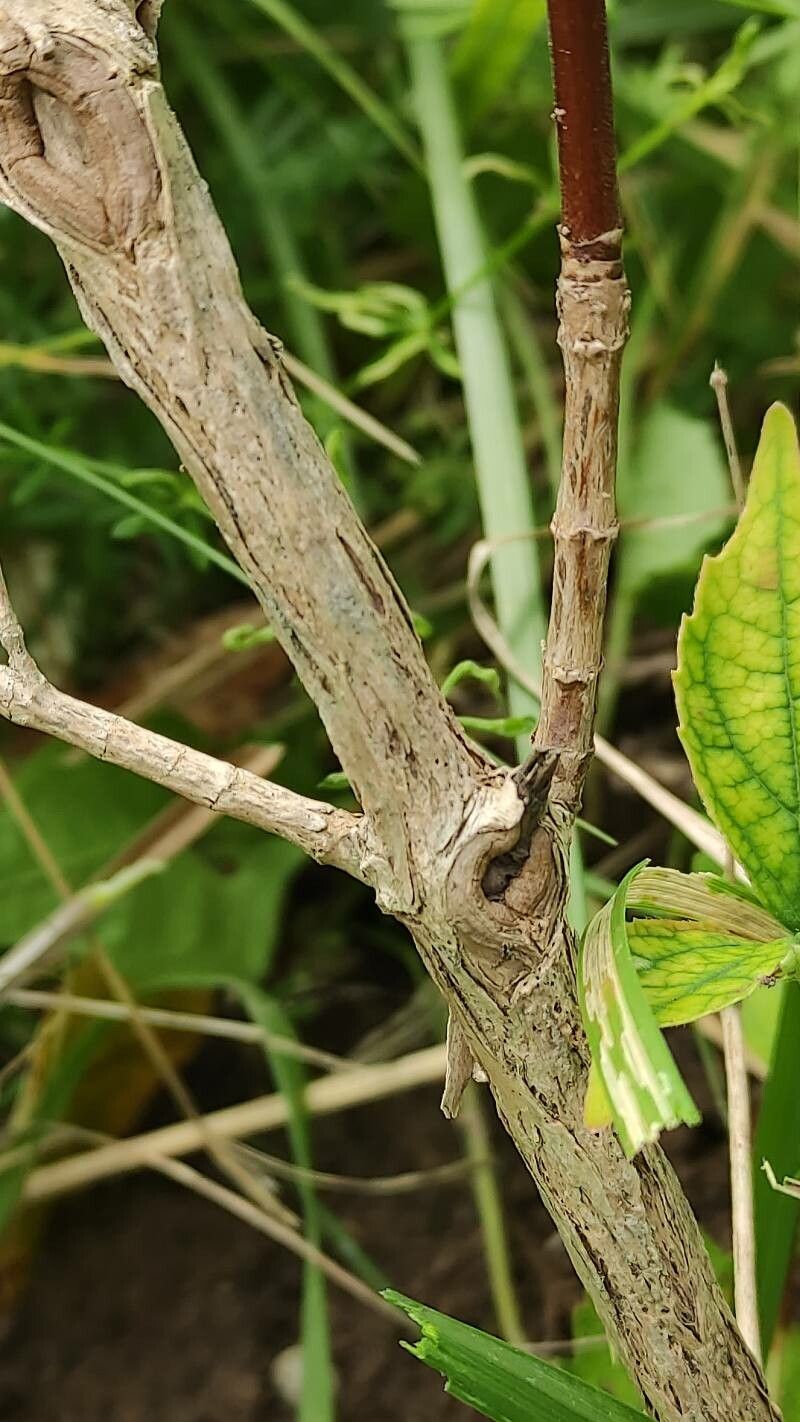
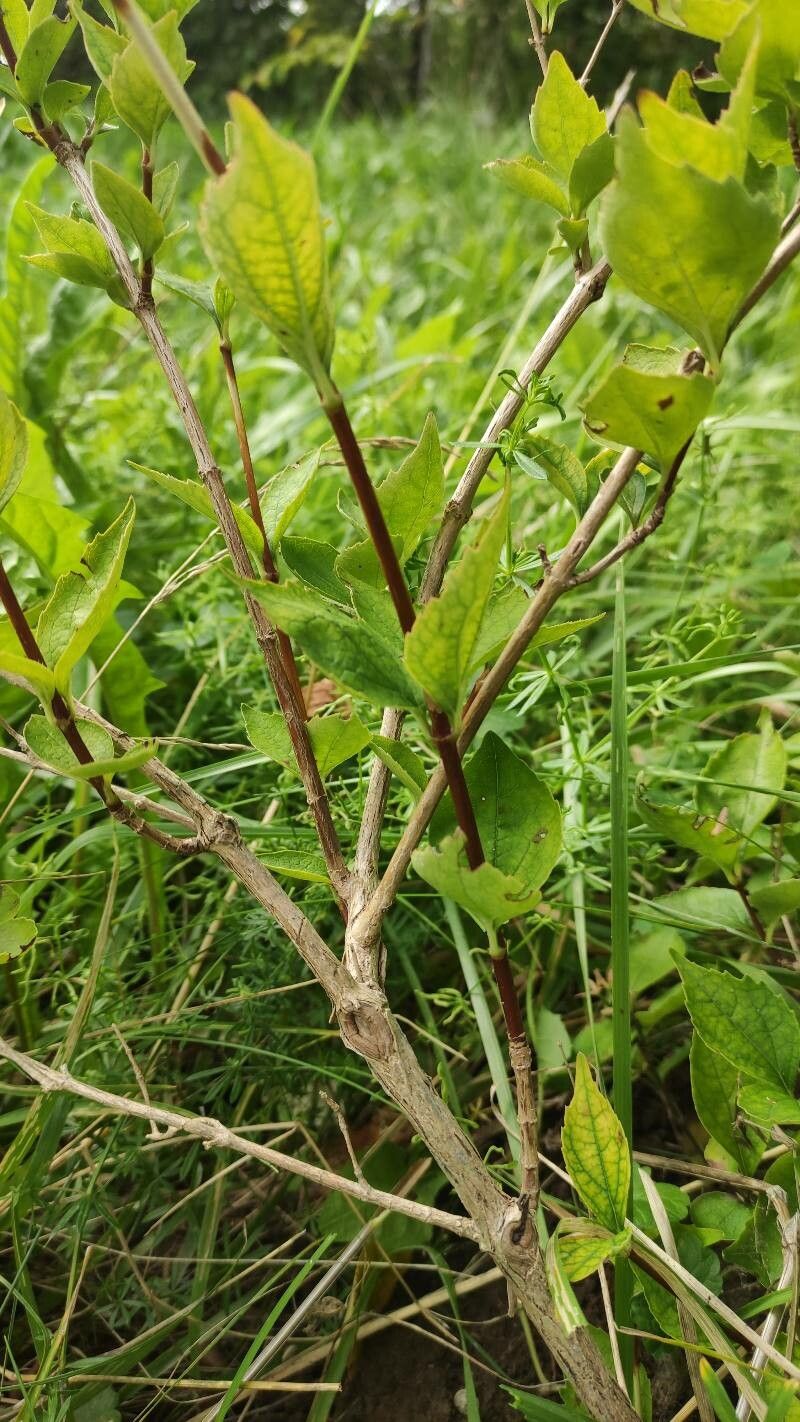
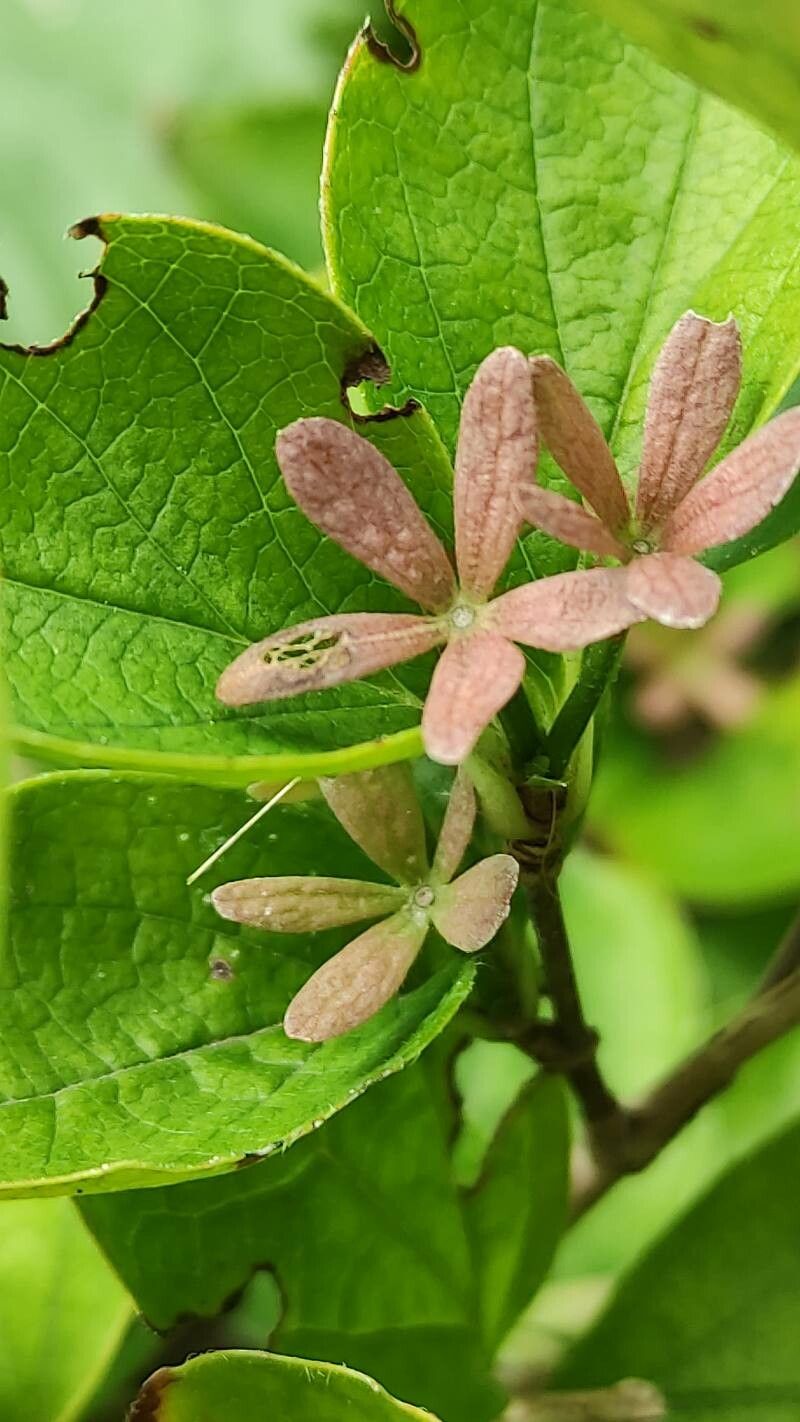
Diabelia spathulata, synonym Abelia spathulata, is a species of flowering plant in the honeysuckle family (Caprifoliaceae). It is a shrub native to southern Korea and central and southern Japan.
Glossy abelia is resistant to diseases and is typically not susceptible to them. Regarding care, this species is fairly low-maintenance. Outdoors it needs little watering, and larger specimens usually do not require pruning. Smaller specimens, however, should be trimmed after they finish blooming. Glossy abelia is appropriate for anyone who has an outdoor area, such as a garden or a deck, and does not demand extensive gardening experience.
How to keep Diabelia Spathulata.
Light
The glossy abelia typically thrives when given plenty of sunlight during its growth period. It can, however, tolerate locations with weaker light, though that may somewhat restrict its development. Although it originally evolved in areas with abundant sun, too much sunlight can cause leaf scorch, while too little can reduce its vigor.
Water
Glossy abelia, which comes from moderate climates, thrives with consistent moisture, though it should not be waterlogged. To keep it healthy, water it weekly. Adequate hydration, along with balanced light and temperature, enhances its flowering potential, making it suitable for outdoor growth.
Temperature
Glossy abelia originates from regions with mild temperatures, favoring a range of 50 to 77 °F (10 to 25 °C). Seasonal adjustments may be necessary, particularly during extreme weather conditions.
Fertilizer
Timing is important when fertilizing Glossy abelia. Apply fertilizer in early spring and then once a month until early summer. Fertilizer encourages attractive blooms and supplies energy during both dormant periods and active growth.
Pruning
Glossy abelia is known for its shiny leaves and compact growth habit. To maintain its health and appearance, prune the plant in late spring after it has finished flowering. Focus on removing dead wood and overcrowded branches to boost air circulation. This encourages vigorous growth and an improved shape. Remember to sterilize your pruning tools to prevent disease, ensuring your abelia has fuller and more attractive foliage.
Botanical profile.
- Plant Type
- Shrub
- Life Cycle
- Perennial
- Genus
- Diabelia
- Family
- Caprifoliaceae
- Hardiness Zone
- 6
- Mature Height
- 3.05 m
- Mature Spread
- 0.91 m to 1.52 m
- Leaf Color
- Green, Dark Green
- Leaf Type
- Evergreen
- Flower Color
- Pink, White
- Flower Size
- 2.54 cm
- Bloom Time
- Mid spring, Late spring, Early summer
- Planting Time
- Spring, Summer, Autumn
- Harvest Time
- Mid summer, Late summer, Early fall
- Native Area
- South Korea, Japan, China
Other names.