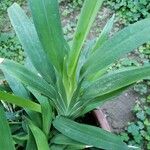
Dianella caerulea
Blue flax-lily · Paroo-lily · Blueberry-lily · Blueberry-plant · Flax-lily
Description
Source: leafsnapDianella caerulea, commonly known as the blue flax lily or blueberry lily, is a perennial herbaceous plant native to Australia. It belongs to the Asphodelaceae family and can grow up to 1 meter in height. The plant features long, strap-like leaves that are bluish-green and can extend up to 80 cm in length. The flowers of Dianella caerulea are small, star-shaped, and typically blue or purple, with six petals. These flowers bloom from spring through summer, eventually giving way to small berries that transition from green to deep blue as they mature. Dianella caerulea is a resilient plant that thrives in full sun or partial shade with well-draining soil. While it is drought-tolerant once established, it prefers regular watering during dry periods for optimal growth. This plant is an excellent addition to gardens, as it provides texture, color, and visual interest throughout the year. In addition to its ornamental value, Dianella caerulea has been used for medicinal purposes by Indigenous Australians for centuries due to its anti-inflammatory properties, which are applied topically to wounds. Overall, this versatile Australian native is an excellent choice for gardeners seeking an attractive, low-maintenance ornamental species with added medicinal benefits.
Care Guide
💧 Water Every 7 days
The cerulean flaxlily flourishes in moist environments and benefits from regular rainfall. While it can adapt to drought conditions, it truly thrives in humid climates. For optimal growth, weekly watering is recommended. As an evergreen, the cerulean flaxlily retains moisture in its leaves, which helps it survive during dry periods.
☀️ Light Partial sun
Cerulean flaxlily is native to habitats like forest understories or rocky areas, where it occurs under natural shade. It prefers partial sun but can accommodate full sun or full shade, reflecting its versatile and hardy nature.
🌡️ Temperature 15–37.8°C
Cerulean flaxlily is quite adaptable to heat, tolerating higher temperatures and wide temperature swings. In hot weather, care should be taken with watering and some shade should be provided to avoid sunburn. Conversely, it is less tolerant of cold; although it can endure mild chill, very low temperatures may cause frost damage.
What is Cerulean flaxlily?
Cerulean flaxlily, known botanically as Dianella caerulea, is a plant species without additional specific detailed descriptions provided in this context. As the name suggests, it may be recognized by its cerulean (blueish) coloration, typical of the flaxlily genus Dianella. However, without further information on its essentials or symptoms of health, more specific details about its care, habitat, or unique characteristics cannot be provided.
💨 Humidity dry (<40%)
This plant prefers dry conditions, so don't mist it. However, watering it less often can also thrive in higher humidity.
🪴 Soil 5-6
🌱 Fertilizer
Proper timing is essential for fertilizing Cerulean flaxlily. Start fertilizing in early spring and continue once a month until early summer. Fertilizer encourages attractive blooms and supplies energy during both dormant and active growth periods.
🪴 Pot & Repot Every 12 months
✂️ Pruning
The Cerulean Flaxlily is a low-maintenance plant with strap-like leaves and small blue flowers. To keep it healthy and looking its best, prune it in early spring. This will remove any dead leaves, help control its spread, and encourage new growth. Additionally, deadheading the flowers will promote prolonged blooming. Pruning also improves air circulation, enhancing both the appearance and health of the Cerulean Flaxlily, resulting in more vigorous growth in your garden.
🌿 Propagating
🐛 Diseases & pets
☠️ Toxicity
Characteristics
- Plant Type
- Shrub
- Life Cycle
- Perennial
- Genus
- Dianella
- Family
- Asphodelaceae
- Hardiness Zone
- 8-11
- Mature Height
- 61 cm
- Mature Spread
- 30 cm
- Leaf Color
- Green
- Leaf Type
- Evergreen
- Flower Color
- Blue
- Flower Size
- 1.02 cm to 2.03 cm
- Bloom Time
- Mid spring, Late spring, Early summer
- Planting Time
- Spring, Summer, Autumn
- Harvest Time
- Mid summer, Late summer, Early fall