Dianthus caryophyllus
میخک قرنفلی · Carnation · Clove pink · Divine-flower · Gilly-flower
Description
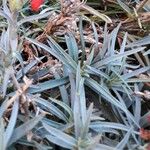
Source: leafsnapDianthus caryophyllus, commonly known as the carnation, is a perennial flowering plant in the Caryophyllaceae family. Native to the Mediterranean region, it has been cultivated globally for its attractive and fragrant flowers. The plant typically grows up to 80 cm tall and features narrow, grey-green leaves measuring about 10 cm in length. The flowers of Dianthus caryophyllus are most commonly pink or white, but can also be found in shades of red, yellow, and purple. They emit a distinctive spicy fragrance, making them popular in the perfume industry and other fragrance applications. Carnations are often grown as ornamental plants in gardens and used as cut flowers in floral arrangements due to their long-lasting blooms. They thrive in well-drained soil with full sun exposure but can also tolerate partial shade. Beyond their aesthetic appeal, carnations have been used medicinally for centuries for their anti-inflammatory properties. Traditionally, they have served as natural remedies for digestive issues such as nausea and indigestion. In summary, Dianthus caryophyllus is a visually appealing flowering plant with global cultural significance, appreciated for its use in perfumes and traditional medicine practices.
🌳 Carnation is more than a well-known ornamental flower; it is also used in the flavoring industry. Because its petals have a faintly spicy, clove-like taste, they have historically been used to flavor ales and wines—an aspect little known to the casual observer. Carnation also functions as a natural dye: artisans employ its vivid petals to make inks and dyes for clothing. This use reflects ancient botanical practices that are regaining popularity in contemporary sustainable approaches.
🎭 Maternal affection, remembrance
Care Guide
💧 Water Every 7 days
Carnations originate from a Mediterranean climate and thrive with moderate moisture, able to withstand short dry spells. It's best to water them weekly, ensuring the soil drains well to prevent root rot. Since their growth cycle is influenced by rainfall, they require less supplemental watering during rainy periods.
When Should I Water My Carnation?
Maintaining accurate and timely watering for carnations is crucial for their health and flower production. Watch for signs like limp, soft, or dull green leaves, or slow-opening, dry flower buds as indicators your carnation needs water. The soil's top 1-2 inches should feel dry before watering. Be cautious of overwatering or underwatering, as both can damage the plant. Factors like season, light exposure, and soil type can affect watering needs, so it's essential to adjust accordingly.
How Should I Water My Carnation?
Carnations should be watered thoroughly but not excessively, ensuring the soil is evenly moist. Bottom-watering, by placing the pot in a tray of water, allows the plant to absorb moisture from the bottom, minimizing disease risk. Using a watering can with a narrow spout helps to water directly at the base, avoiding excess moisture on the foliage. This technique promotes healthy hydration and reduces the risks associated with overwatering.
How Much Water Does Carnation Really Need?
Carnations, originating from the Mediterranean, are somewhat drought-tolerant. The amount of water needed depends on pot size, root depth, and the plant's size. Generally, soaking the soil until water runs through the pot ensures the plant gets enough moisture. Observing the plant can guide you; vibrant foliage suggests good hydration, while yellow or drooping leaves may indicate watering issues. Preferably, use well-drained soil to avoid overwatering issues.
What Kind of Water is Best for Carnation?
Carnations thrive best with distilled, filtered, or rainwater, as these types are free from chemicals or minerals that could harm the plant. If using tap water, let it sit to allow chlorine to evaporate and reach room temperature, which is ideal for carnations. Water that's too cold can shock the plant, and too hot can harm the roots. Avoid using hard water rich in calcium and magnesium, which can affect the plant's water uptake.
How Do Carnation's Watering Needs Change with the Seasons?
Carnation's watering needs vary with the seasons. In spring, maintain consistent moisture for growth. During summer's dry periods, reduce watering. In autumn, decrease the frequency as the plant enters dormancy. In winter, water sparingly, allowing the topsoil to dry out between waterings. Seasonal adjustments in watering help match the plant's natural growth cycle and dormancy periods.
☀️ Light Full sun
Carnation thrives in regions where it gets a lot of sunlight daily, even though it can adjust to environments with lower light levels. Adequate sunlight is beneficial to its growth at all stages. It originates from open environments and can struggle with either insufficient or excessive light.
What are the sunlight requirements for Carnations?
Carnations require full sun, meaning they thrive in environments that receive more than 6 hours of sunlight daily. However, they can also adapt to partial sun conditions, which consist of about 3-6 hours of sunlight a day. It's crucial to observe how sunlight moves through your garden and select areas that provide a perfect balance of light and shade, ensuring your Carnation's well-being.
How important is sunlight for the growth of Carnations?
Sunlight is essential for the growth of Carnations at all stages. These plants flourish best in locations that receive a profusion of sunlight each day but can adapt to less light-rich environments. Native to exposed environments, Carnations require adequate sunlight for healthy development, although they can suffer from too little or too much light exposure.
What should I do if my Carnation does not get enough natural sunlight?
If your Carnation doesn't receive enough natural sunlight, especially in winter or less sunny spaces, incorporating artificial lighting can be a vital solution. Indoor plants benefit from LED lights as they can provide specific wavelengths needed for growth. Full sun plants need 30-50W/sq ft, partial sun plants 20-30W/sq ft, and full shade plants 10-20W/sq ft of artificial light. Position the light source 12-36 inches above the plant and mimic natural daylight hours, generally 8-12 hours per day, to promote healthier growth.
What are the symptoms of inadequate lighting on Carnations?
Symptoms of light deficiency in Carnations include smaller new leaves, leggy or sparse growth, faster leaf drop, slower or no new growth, and lighter-colored new leaves. Excessive sunlight can lead to chlorosis, sunscald, leaf curling, wilting, and leaf scorching, affecting the plant’s ability to photosynthesize and its overall health.
How can I address insufficient sunlight for my Carnations?
To address insufficient sunlight indoors, gradually move your Carnations to sunnier locations until they receive at least 6 hours of sunlight daily, use south-facing windows, or consider artificial lighting solutions. Outdoors, adapt plants to sunlight gradually to prevent sunburn. Pruning or transplanting can help reduce sunlight obstructions. Note that parts of the plant affected by low light may not recover, but new growth will be healthy with increased light exposure.
🌡️ Temperature 10–35°C
The carnation is a plant native to temperate areas and flourishes best in temperatures between 68 and 95 °F (20 to 35 ℃). When the seasons get colder, measures should be taken to adapt its surroundings so as to simulate the moderate climate that it originates from.
What is the native climate of Carnation and how should it be cared for?
Carnations are indigenous to temperate regions, thriving in temperatures ranging from 68 to 95 °F (20 to 35 °C). To ensure their well-being during colder seasons, it's crucial to adjust their environment to reflect their native temperate climate. Despite their strong cold resistance, eliminating the need for special frost protection measures in winter, it's important to protect them from temperatures dropping below their growth limit by covering them with soil or straw. Additionally, watering the plant abundantly before the first freeze in autumn is recommended to keep the soil moist, preventing drought and water scarcity during winter and early spring.
What are the symptoms of low temperature on Carnations and how can it be addressed?
Carnations are cold-tolerant and fare best when temperatures are above their minimum suitable growth temperature. In winter, keeping them above their tolerable growing temperature minimum is crucial. Should temperatures fall below their growth limit, no immediate changes might be visible; however, a decrease in sprouting or a complete lack of sprouting may occur by spring. To address this, removing any parts that fail to sprout in spring is advised.
How do high temperatures affect Carnations and what are the solutions?
During summer, Carnations should be kept below their maximum suitable growth temperature. Exceeding their tolerable growing temperature maximum can cause leaves to lighten in color, become prone to curling, and susceptible to sunburn. In severe cases, the plant may wilt and dry out. The solutions include trimming away sunburned and dried-up parts, moving the plant to a shaded location during midday and afternoon sun or using a shade cloth, and watering in the morning and evening to maintain soil moisture.
💨 Humidity normal (40-60%)
This plant will thrive in moderate humidity, which is probably the level in your home. However, misting it a few times a week can be very beneficial. Make sure the room has good ventilation.
🪴 Soil 6-7
🌱 Fertilizer
The optimal period to feed a Carnation is during the onset of spring, as it transitions from dormancy to a phase of active growth. Fertilization makes vital nutrients available for robust growth. Despite the Carnation's modest requirements for fertilization, providing it annually can boost its longevity and stimulate superior, more enduring blossoms.
Why should I add fertilizer to my Carnation?
Fertilization is important for the Carnation and other plants as it provides essential nutrients for both above and below ground growth. Although the Carnation generally has low fertilization needs and can survive without it, annual fertilization is highly beneficial. It helps keep the plant alive and promotes the production of improved and longer-lasting flowers. To maintain the best appearance for your Carnation, it is advisable to provide annual fertilization.
When should I fertilize my Carnation?
Fertilizing a Carnation is best done in late winter to early spring when it transitions from dormant to active growth. This helps the plant start the season with healthy growth. Fertilizing in the fall is also acceptable, but it is not recommended during summer or winter.
When is it not a good time to put fertilizer on my Carnation plant?
To properly care for your Carnation, it is important to only fertilize it during the late winter and early spring. This plant has low fertilization needs, so a single annual feeding is sufficient. Fertilizing during spring, summer, and fall can easily lead to overfertilization and its associated complications. However, if you missed fertilizing in spring, you can still feed the plant during fall. Additionally, it is not necessary to fertilize the Carnation during winter. During this time, the plant is in a dormant growth phase and does not produce new growth. Therefore, fertilizing during most of the winter is not recommended.
What kind of fertilizer should I use for my Carnation?
To properly care for your Carnation, you can use just about any general-purpose fertilizer that contains a good balance of the three main nutrients for plants. However, there are a few specific nutrient blends that are even more advantageous. For example, many gardeners believe that using a fertilizer with higher levels of phosphorus will result in stronger roots and better flowers. Since Carnations are flowering plants, applying a fertilizer with a high phosphorus content may yield the best results. It doesn't matter if the fertilizer is in granular or liquid form, as long as it has ample nutrients. In addition to manufactured fertilizers, you can also improve the soil for your Carnation using organic methods. Compost, manure, and similar materials can greatly contribute to creating a healthy growing environment for your Carnation.
How do I make my Carnation plant grow better?
The most common way to fertilize a Carnation is by using a granular or pellet fertilizer. It is important to fertilize the plant when it starts growing actively in early spring, after the winter dormant phase. If you prefer liquid fertilizer, remember to dilute it with water before applying. Before, during, and after applying fertilizer, it is recommended to moisten the soil.
🪴 Pot & Repot 2-3 years
When it's time to change the pot for a Carnation, select a container that's 1-2 inches bigger and has plenty of drainage. Opt for a potting mix that drains well. The ideal time to do this is either in the spring or fall, making sure the root ball is slightly below the top edge of the pot. Once repotted, water it generously and position it in a warm location where it will receive indirect light.
✂️ Pruning
Carnations produce vibrant and fragrant flowers that are perfect for floral arrangements. To encourage new blooms, prune the plants from early to late spring by removing any dead stems. Pinching off spent flowers can help extend the blooming period. It's important to avoid heavy pruning in midsummer to minimize stress on the plants. Regular pruning improves air circulation and reduces the risk of disease. Always use sterilized tools for pruning to ensure healthy plant growth.
🌿 Propagating
🐛 Diseases & pets
☠️ Toxicity
Characteristics
- Plant Type
- Herb
- Life Cycle
- Perennial, Annual
- Genus
- Dianthus
- Family
- Caryophyllaceae
- Hardiness Zone
- 6-9
- Mature Height
- 40 cm to 91 cm
- Mature Spread
- 15 cm to 30 cm
- Leaf Color
- Green, Blue, Gray
- Leaf Type
- Deciduous
- Flower Color
- Pink, White, Purple, Yellow, Red
- Flower Size
- 3.05 cm to 6.35 cm
- Bloom Time
- Late spring, Early summer, Mid summer
- Planting Time
- Spring
- Harvest Time
- Summer
- Native Area
- China