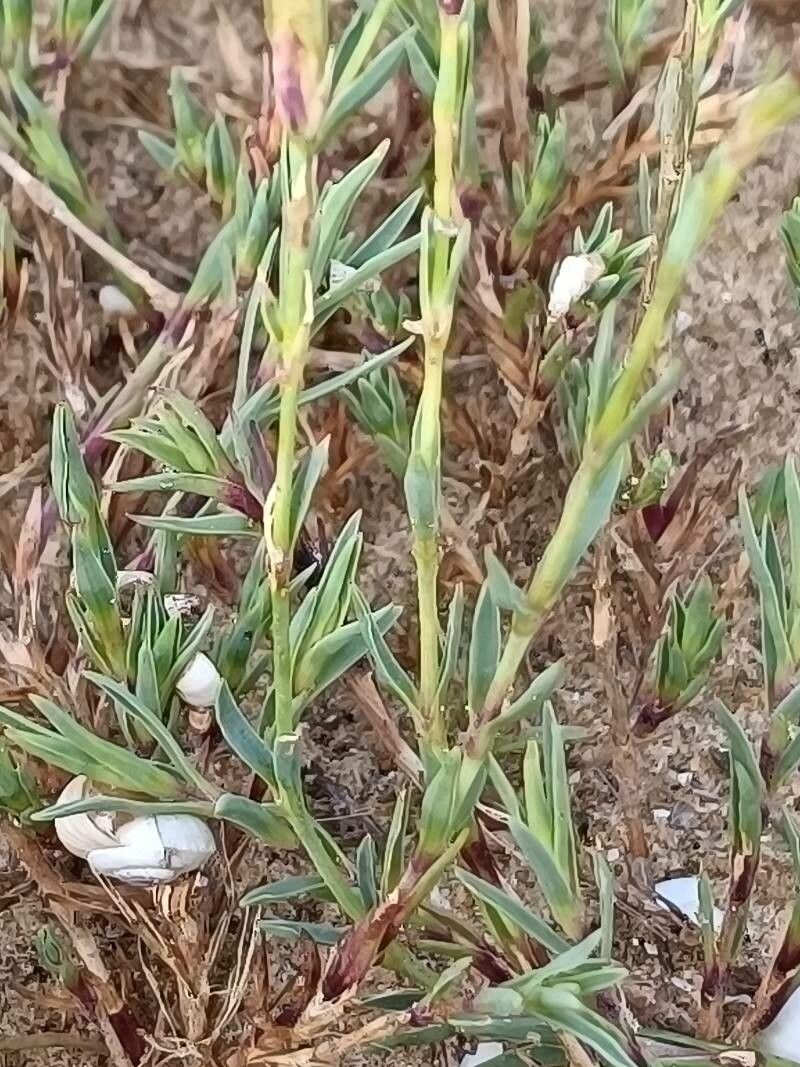
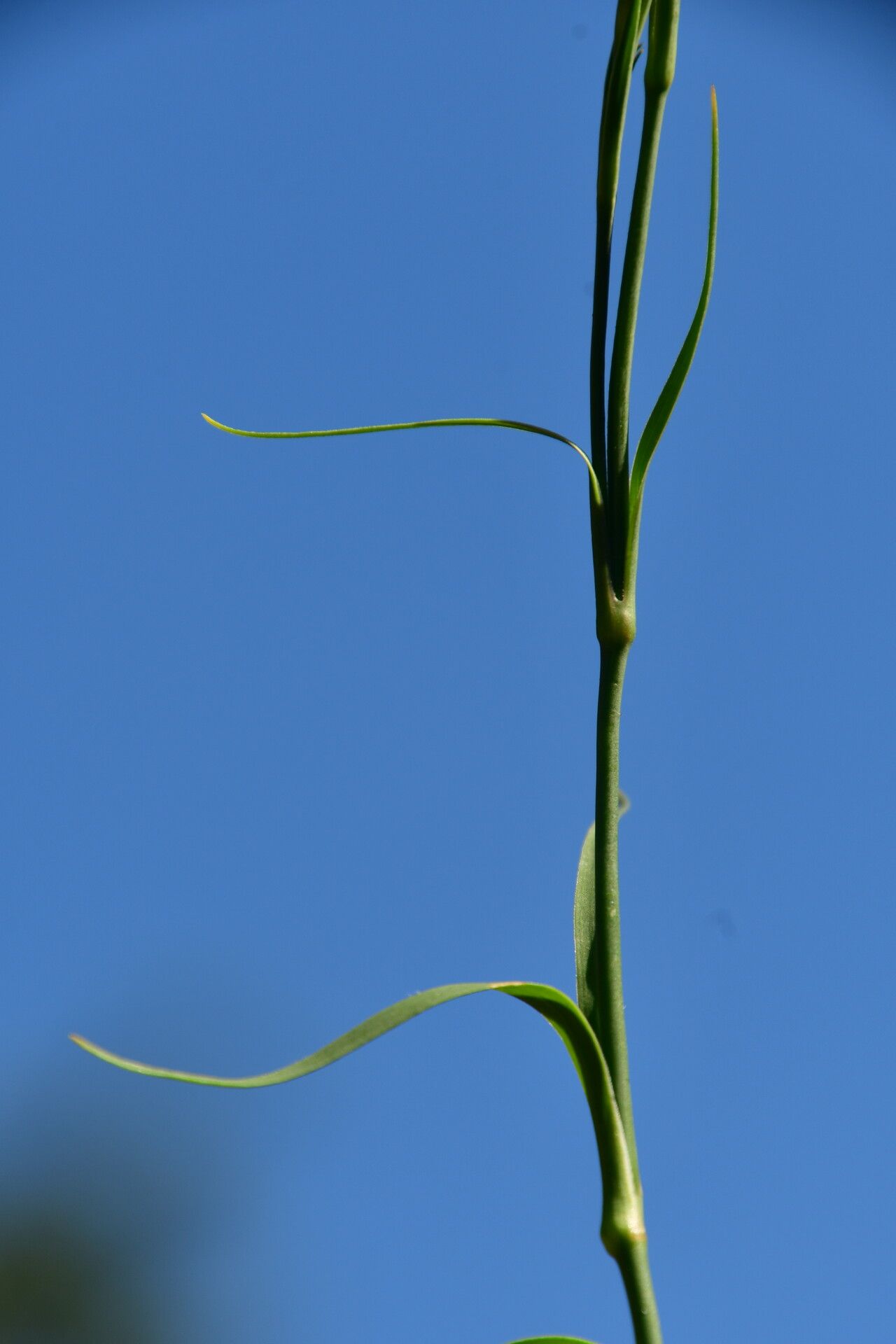
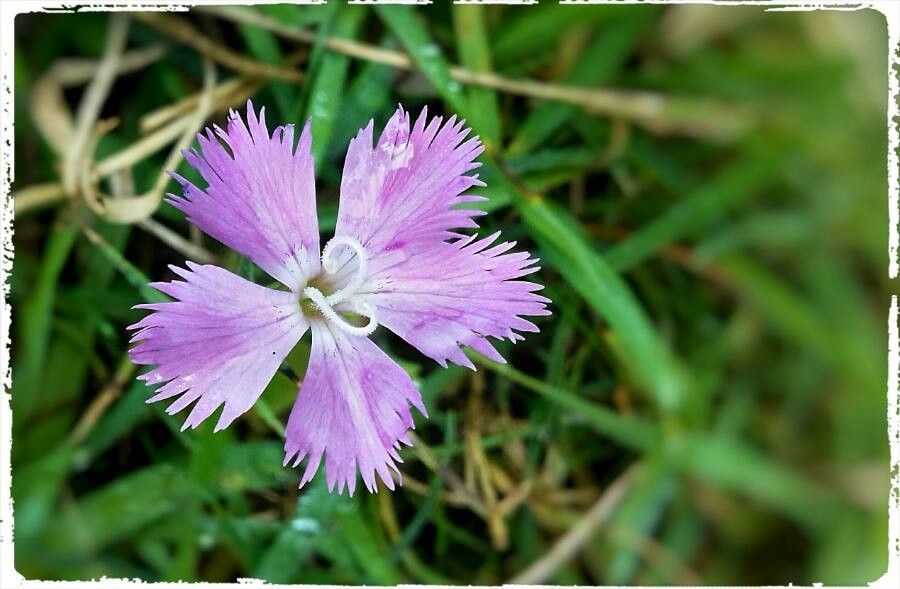
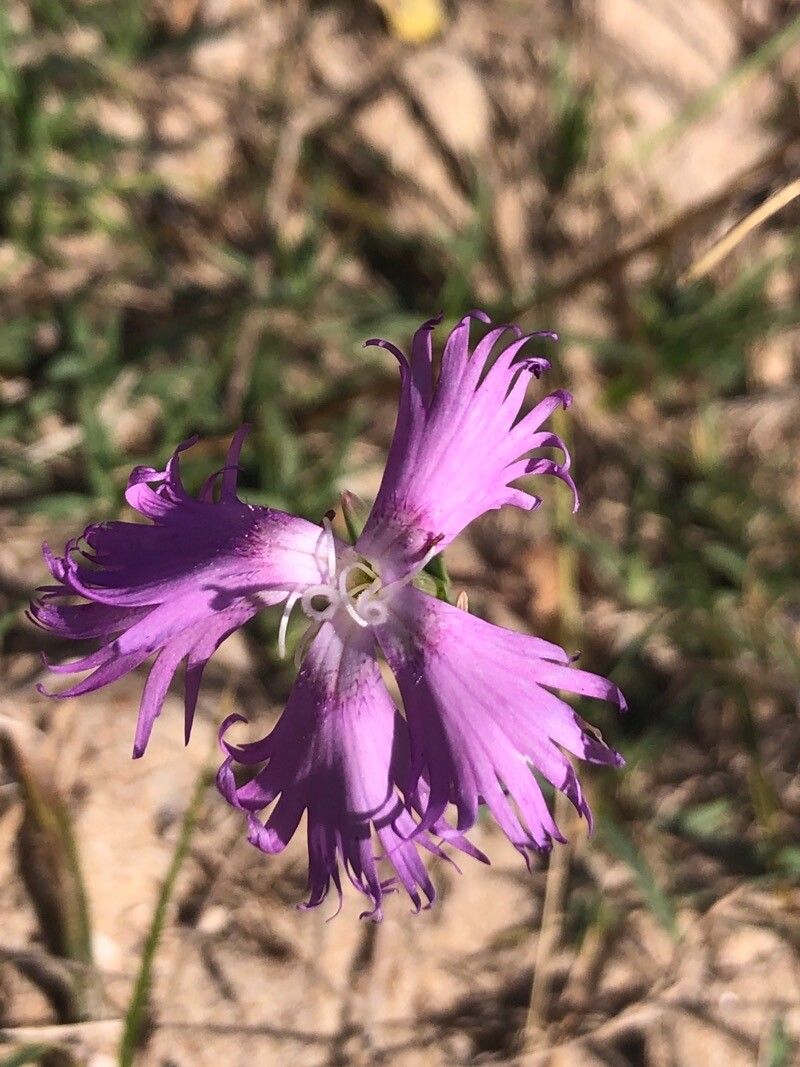
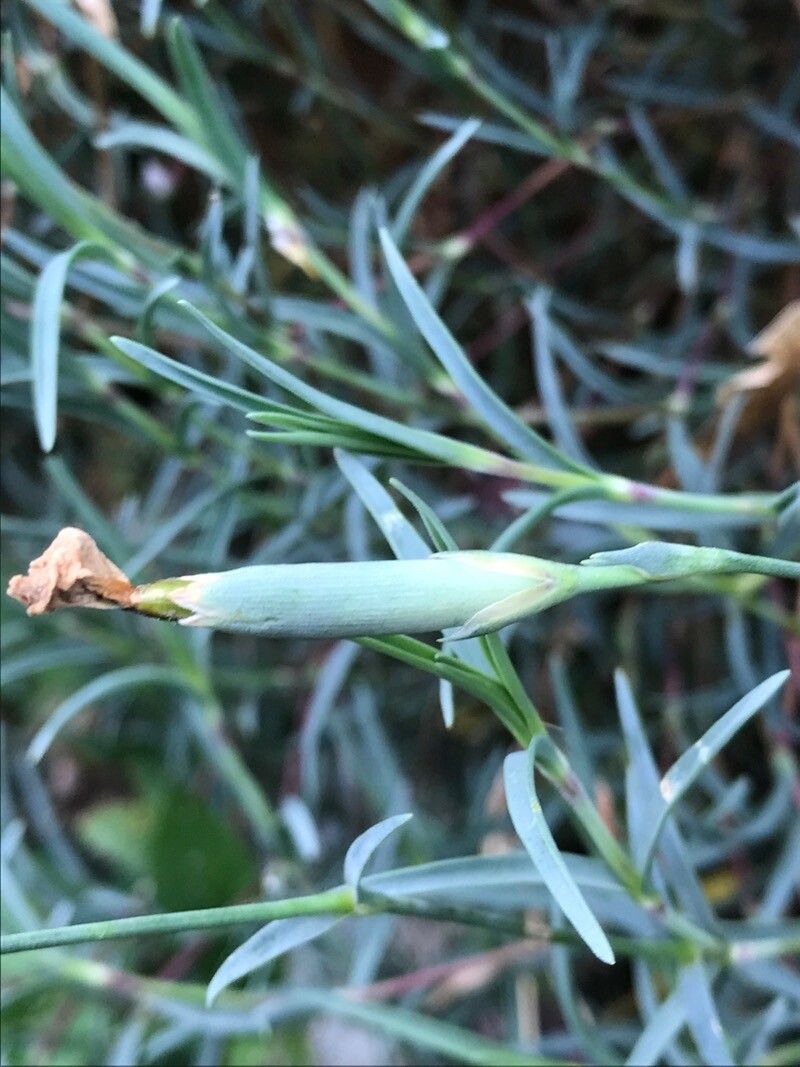
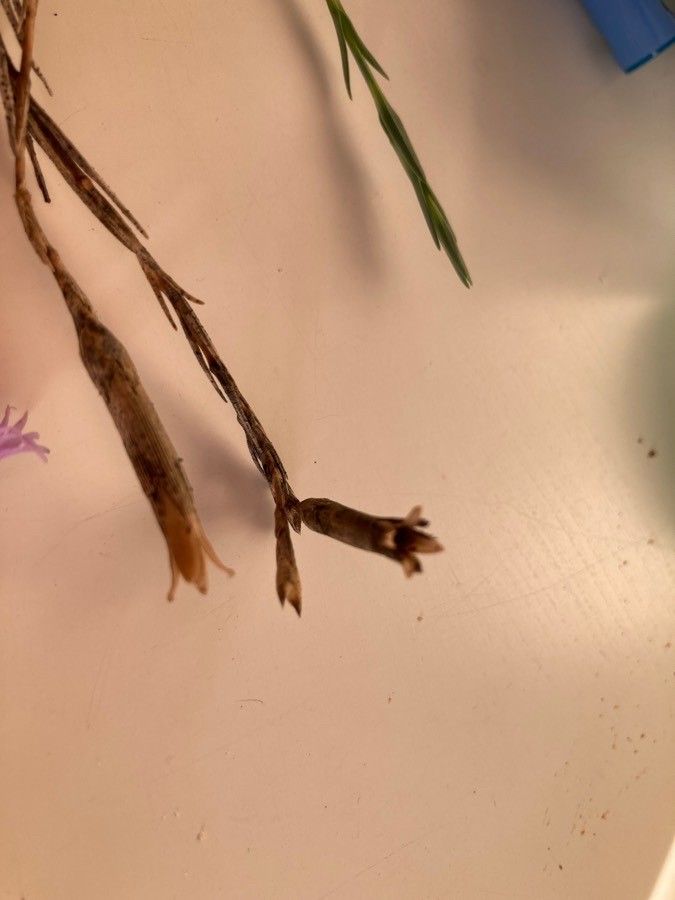
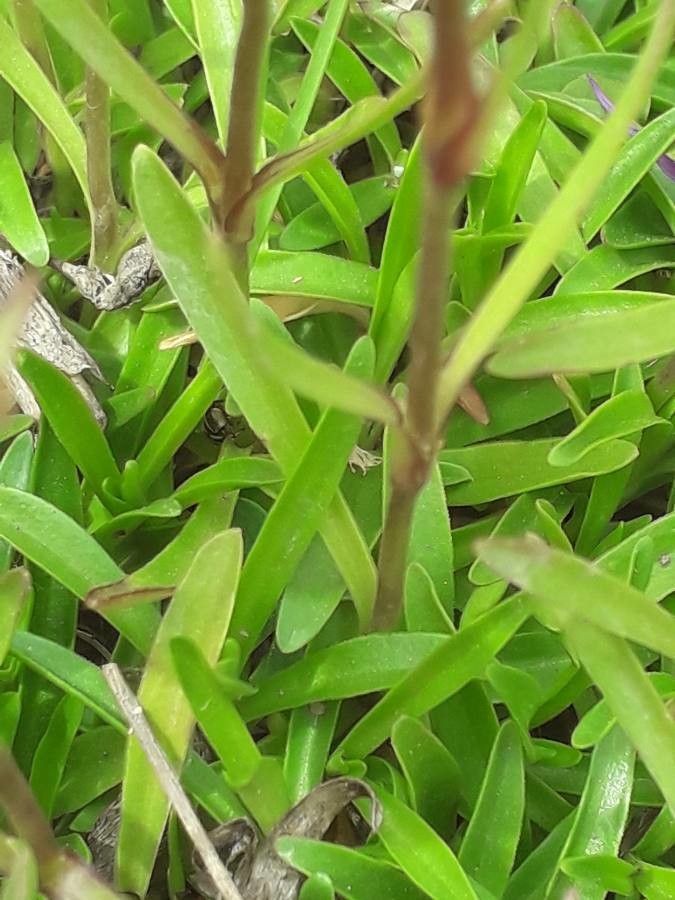
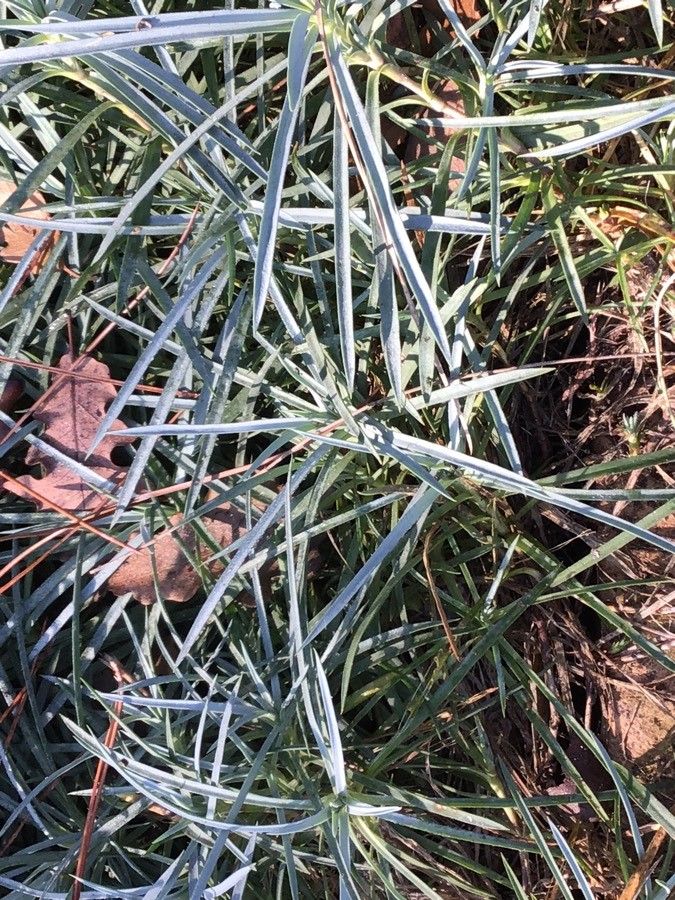
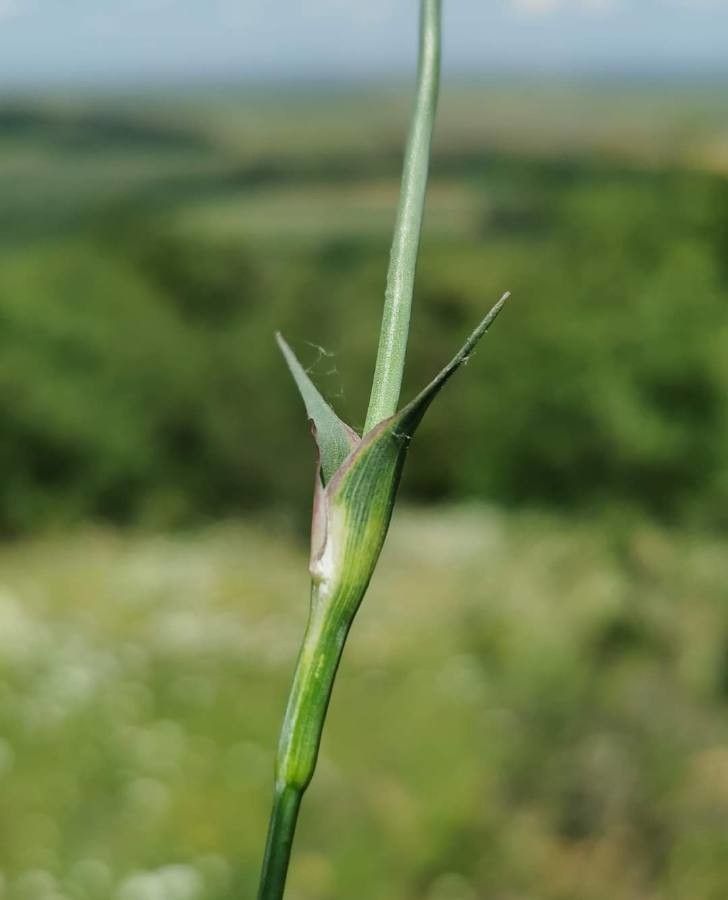
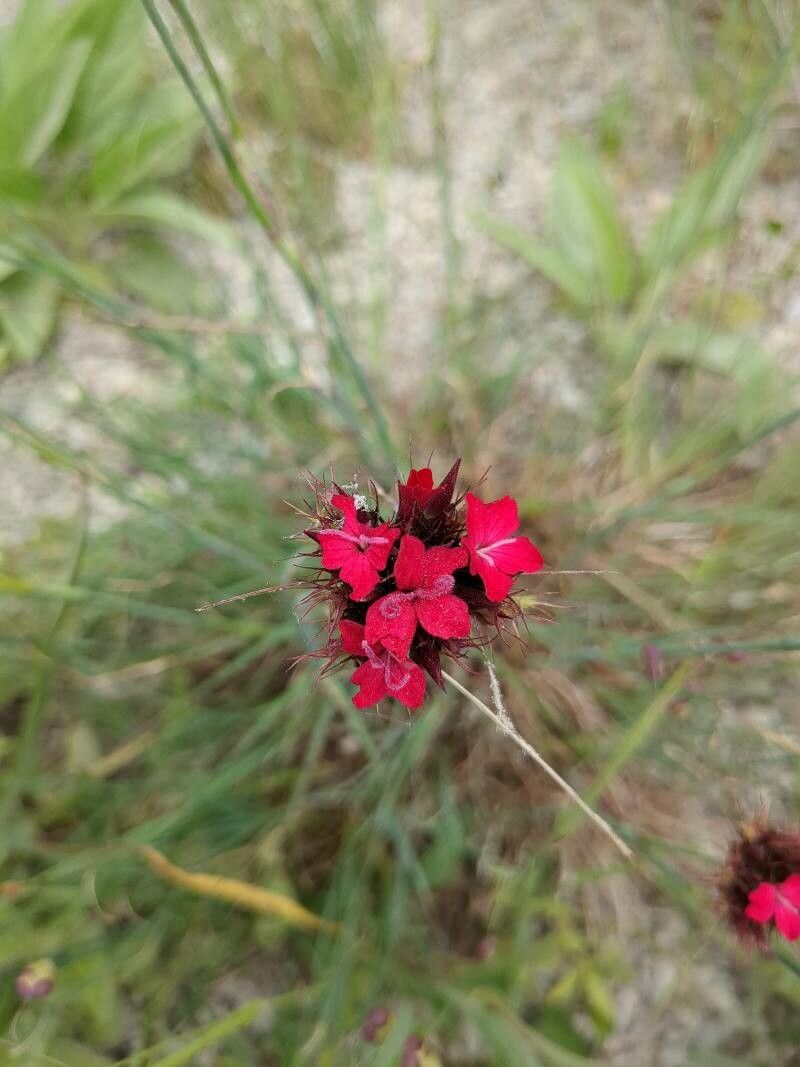
Dianthus hyssopifolius, the fringed pink, is a species of flowering plant in the family Caryophyllaceae. It is native to Portugal, Spain, and France, and it has been introduced to Great Britain. A subshrub, it is available from commercial suppliers.
Jersey pink is fairly resistant to disease and usually not prone to illnesses. Nevertheless, it can be vulnerable to pests and diseases present in its environment. These outbreaks are generally mild. For care, this plant requires moderate maintenance. It should be pruned regularly to keep a good appearance and encourage healthy growth. Fertilizing can also assist in promoting blooms. Jersey pink is appropriate for anyone with outdoor space, like a garden or patio, and does not demand extensive care experience. It may need more attention when grown indoors.
How to keep Dianthus Gallicus.
Light
Jersey pink is a perennial herbaceous plant that loves the sun and primarily comes from open environments, frequently flourishing in grasslands and meadows. It has a preference for full sunlight but can also withstand conditions of partial sun.
Water
Jersey Pink is drought-tolerant but not tolerant of flooding, so it needs careful watering to avoid root rot. Water the plant only when the soil is dry, which is typically every 3 to 4 weeks during winter, until growth starts again in the spring. Be sure to avoid waterlogged soil to keep the plant healthy.
Temperature
Jersey pink is able to thrive in various temperature ranges, yet its spread could still be restricted by diverse mixtures of water and heat circumstances. Optimal growth is observed in summer's warm climates with sufficient rainfall or irrigation. Extended durations of overcast and wet climate, along with sustained high temperatures, may make the Jersey pink more vulnerable to death. During winter, implementing adequate safeguards against the cold can enhance the chances of the plant's survival.
Fertilizer
The optimal time to fertilize Jersey pink is at the onset of spring when the flowers are beginning to form. Proper fertilization enhances the quality of the blooms and aids the Jersey pink in producing attractive flowers. By fertilizing in early spring, the plant is assured of splendid flowers throughout the season and adequate energy for periods of dormant growth.
Pruning
To ensure that Jersey Pink plants thrive, it's best to prune them in early spring before new growth begins. Techniques such as deadheading promote continuous blooming, while cutting back stems helps maintain their shape. This practice improves air circulation, reduces the risk of disease, and results in a more vigorous and floriferous display, providing both aesthetic appeal and health benefits.
Botanical profile.
- Plant Type
- Herb
- Life Cycle
- Perennial
- Genus
- Dianthus
- Family
- Caryophyllaceae
- Hardiness Zone
- 5-9
- Mature Height
- 10 cm to 30 cm
- Mature Spread
- 15 cm to 25 cm
- Leaf Color
- Green
- Leaf Type
- Evergreen
- Flower Color
- Pink
- Flower Size
- 2.03 cm to 3.05 cm
- Bloom Time
- Summer, Early fall
- Planting Time
- Spring, Summer, Autumn
- Harvest Time
- Late summer, Fall
- Native Area
- Spain, France
Other names.
Reader questions.
What are the sunlight requirements for Jersey Pink (Dianthus gallicus)?
Jersey Pink (Dianthus gallicus) requires specific sunlight conditions for optimal growth. It thrives in full sun, which means the plant should receive more than 6 hours of sunlight daily. It can also adapt to partial sun, requiring about 3-6 hours of sunlight. When planting Jersey Pink, it's important to observe the way sunlight moves through your garden throughout the day. Finding spots that offer the right balance of light and shade will help ensure your plants grow happy and healthy. Heed the warning to watch how sunlight gracefully moves through your garden to choose ideal spots, as this guidance ensures the plants receive the light they need without being overexposed.
What is the common name for Dianthus gallicus?
The common name for Dianthus gallicus is Jersey pink.
What is the botanical name for Jersey pink?
The botanical name for Jersey pink is Dianthus gallicus.