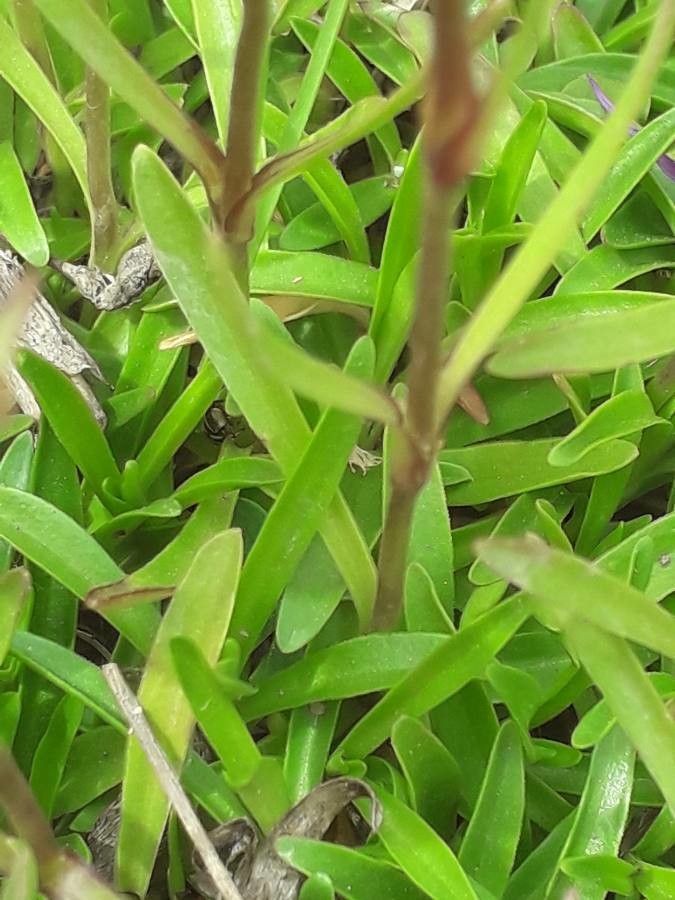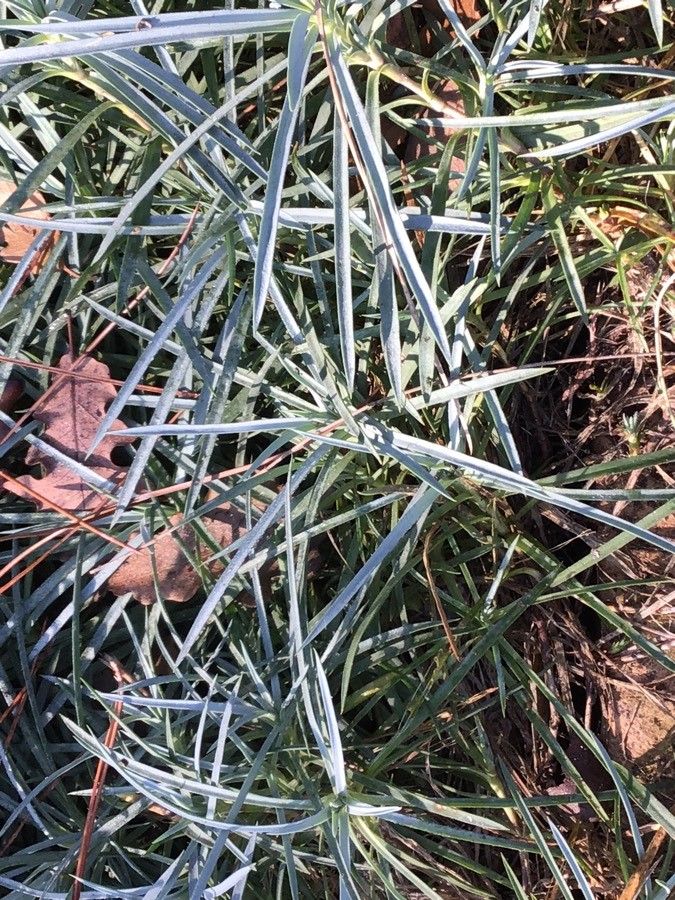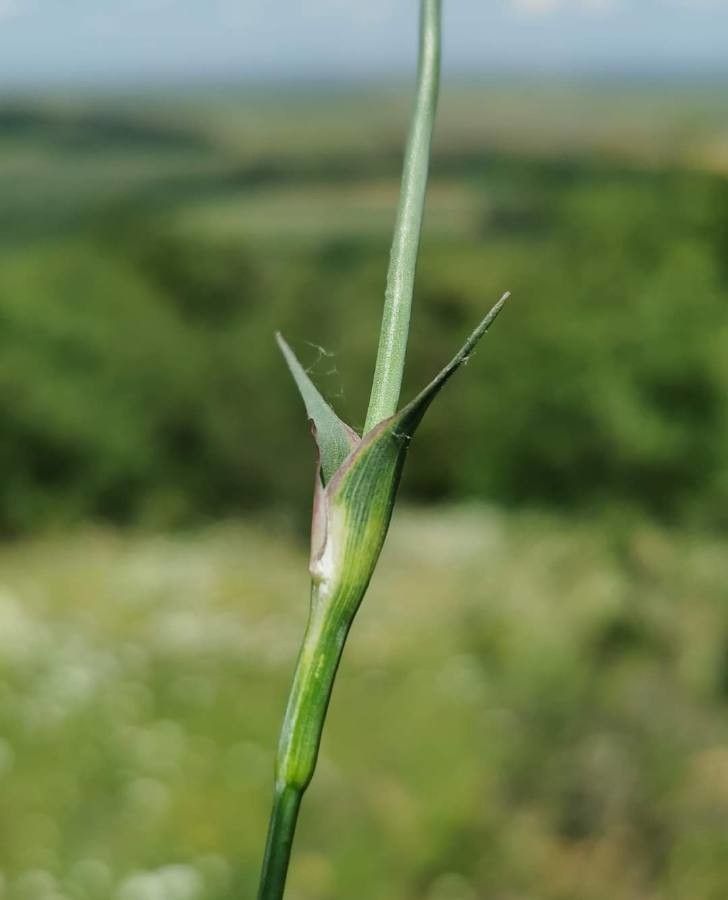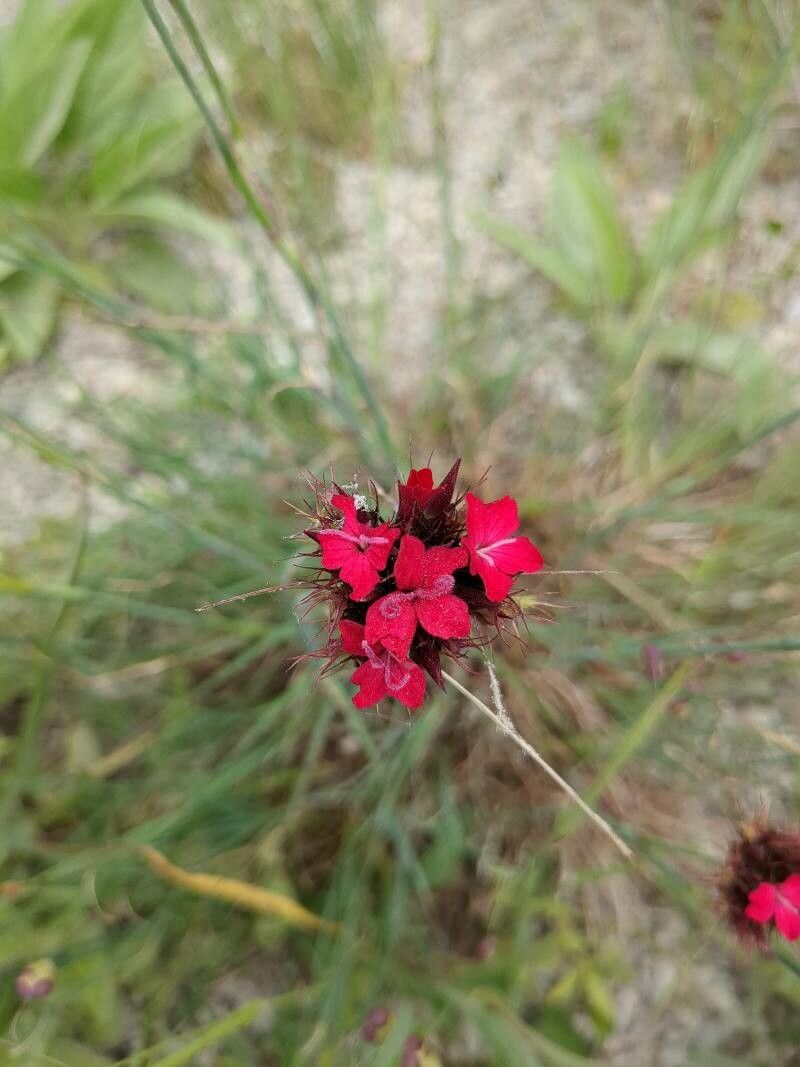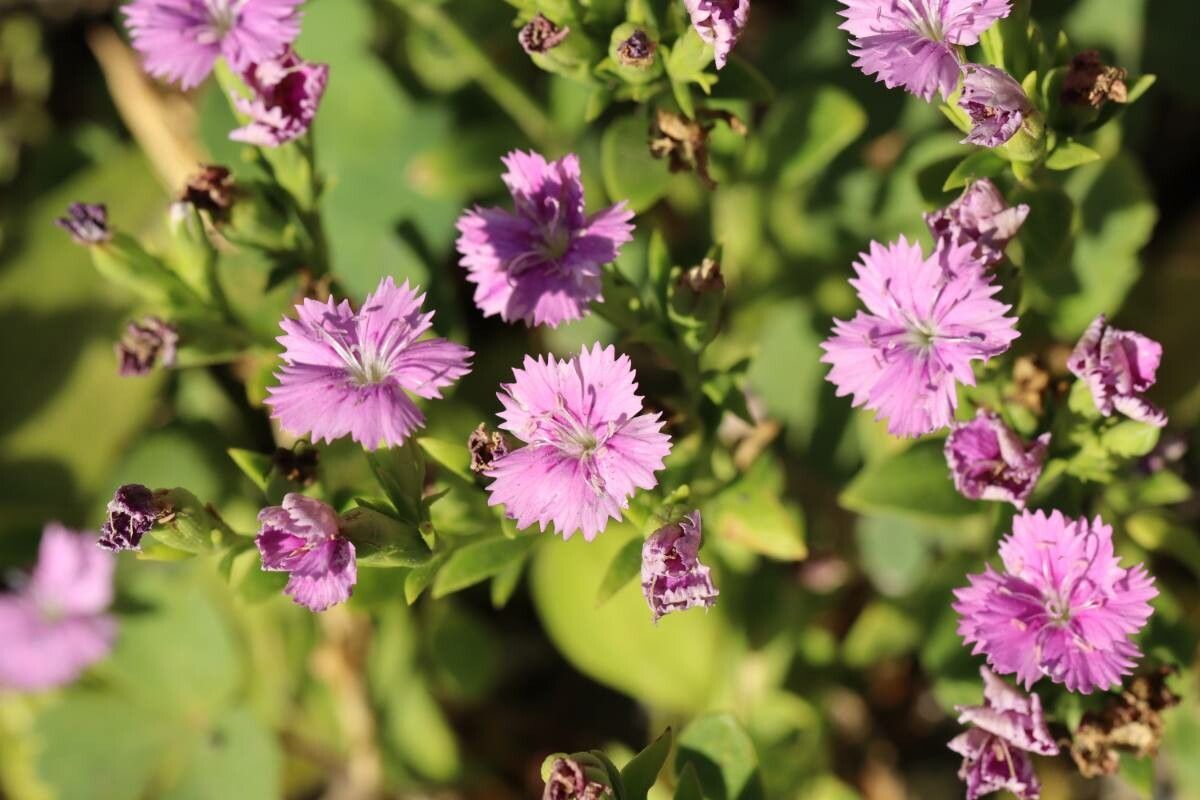
Dianthus japonicus, known as seashore pink, is a species of herbaceous perennial plant in the genus Dianthus.
Seashore pink is fairly resistant to diseases and generally not prone to them. Still, it can be affected by pests and illnesses found in its environment, though these problems are usually mild. Regarding care, this plant needs a moderate level of maintenance. Regular pruning is required to keep a tidy appearance and support healthy growth. Fertilizing can also encourage more blooms. Seashore pink is well suited to anyone with outdoor space, such as a garden or patio, and does not demand extensive care experience. It may, however, need more attention if grown indoors.
How to keep Dianthus Japonicus.
Light
Seashore pink grows best with abundant light and tolerates scattered light. Without ample sunlight, its growth may be poor, since it evolved in habitats with abundant sunlight. Excessive shade can cause a pale appearance, while too much continuous exposure can lead to foliage discoloration.
Water
Seashore pink, native to coastal regions, thrives in salty, moist conditions. It needs consistent moisture, but it shouldn't be waterlogged; watering once a week is usually enough. Well-adapted to outdoor environments, seashore pink makes efficient use of rainfall, which makes it ideal for temperate climates with seasonal rain patterns.
Temperature
Seashore pink is native to habitats where temperatures range from 68 to 95 °F (20 to 35 ℃). It grows best in these conditions. Seasonal adjustments should be made if temperatures drop below 68 °F (20 ℃) or climb above 95 °F (35 ℃).
Fertilizer
The best time to fertilize a Seashore pink is in early spring, as it is coming out of dormancy and beginning active growth. Fertilization supplies essential nutrients needed for healthy development. Although Seashore pink has comparatively low fertilizer requirements, applying fertilizer annually can improve its survival and encourage stronger, longer-lasting blooms.
Pruning
Seashore pink benefits from regular pruning, especially from early spring to late winter, which encourages new growth and vibrant blooms. Be sure to trim dead stems and remove spent flowers, but be careful not to over-prune, as this can cause stress to the plant. With consistent care, you'll enjoy healthier foliage and improved garden aesthetics.
Pot & Repot
Seashore pink needs pots with excellent drainage to thrive. Proper drainage prevents excess water from accumulating, which can cause root rot and other water-related issues.
Botanical profile.
- Plant Type
- Herb
- Life Cycle
- Perennial, Biennial
- Genus
- Dianthus
- Family
- Caryophyllaceae
- Hardiness Zone
- 7-9
- Mature Height
- 46 cm
- Mature Spread
- 46 cm
- Leaf Color
- Light Green
- Leaf Type
- Evergreen
- Flower Color
- Pink
- Flower Size
- 7.62 cm to 10.16 cm
- Bloom Time
- Summer
- Planting Time
- Spring
- Harvest Time
- Late summer, Early fall, Mid fall
- Native Area
- South Korea, Japan, China