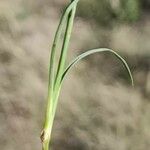
Dianthus longicaulis
Care Guide
💧 Water
☀️ Light Full sun
Carnation thrives in regions where it gets a lot of sunlight daily, even though it can adjust to environments with lower light levels. Adequate sunlight is beneficial to its growth at all stages. It originates from open environments and can struggle with either insufficient or excessive light.
🌡️ Temperature 10–35°C
The carnation is a plant native to temperate areas and flourishes best in temperatures between 68 and 95 °F (20 to 35 ℃). When the seasons get colder, measures should be taken to adapt its surroundings so as to simulate the moderate climate that it originates from.
💨 Humidity
🪴 Soil 6-7
🌱 Fertilizer
The optimal period to feed a Carnation is during the onset of spring, as it transitions from dormancy to a phase of active growth. Fertilization makes vital nutrients available for robust growth. Despite the Carnation's modest requirements for fertilization, providing it annually can boost its longevity and stimulate superior, more enduring blossoms.
🪴 Pot & Repot 2-3 years
When it's time to change the pot for a Carnation, select a container that's 1-2 inches bigger and has plenty of drainage. Opt for a potting mix that drains well. The ideal time to do this is either in the spring or fall, making sure the root ball is slightly below the top edge of the pot. Once repotted, water it generously and position it in a warm location where it will receive indirect light.
✂️ Pruning
🌿 Propagating
🐛 Diseases & pets
☠️ Toxicity
Characteristics
- Plant Type
- Herb
- Life Cycle
- Perennial, Annual
- Genus
- Dianthus
- Family
- Caryophyllaceae
- Hardiness Zone
- 6-9
- Mature Height
- 40 cm to 91 cm
- Mature Spread
- 15 cm to 30 cm
- Leaf Color
- Green, Blue, Gray
- Leaf Type
- Deciduous
- Flower Color
- Pink, White, Purple, Yellow, Red
- Flower Size
- 3.05 cm to 6.35 cm
- Bloom Time
- Late spring, Early summer, Mid summer
- Planting Time
- Spring
- Harvest Time
- Summer
- Native Area
- China