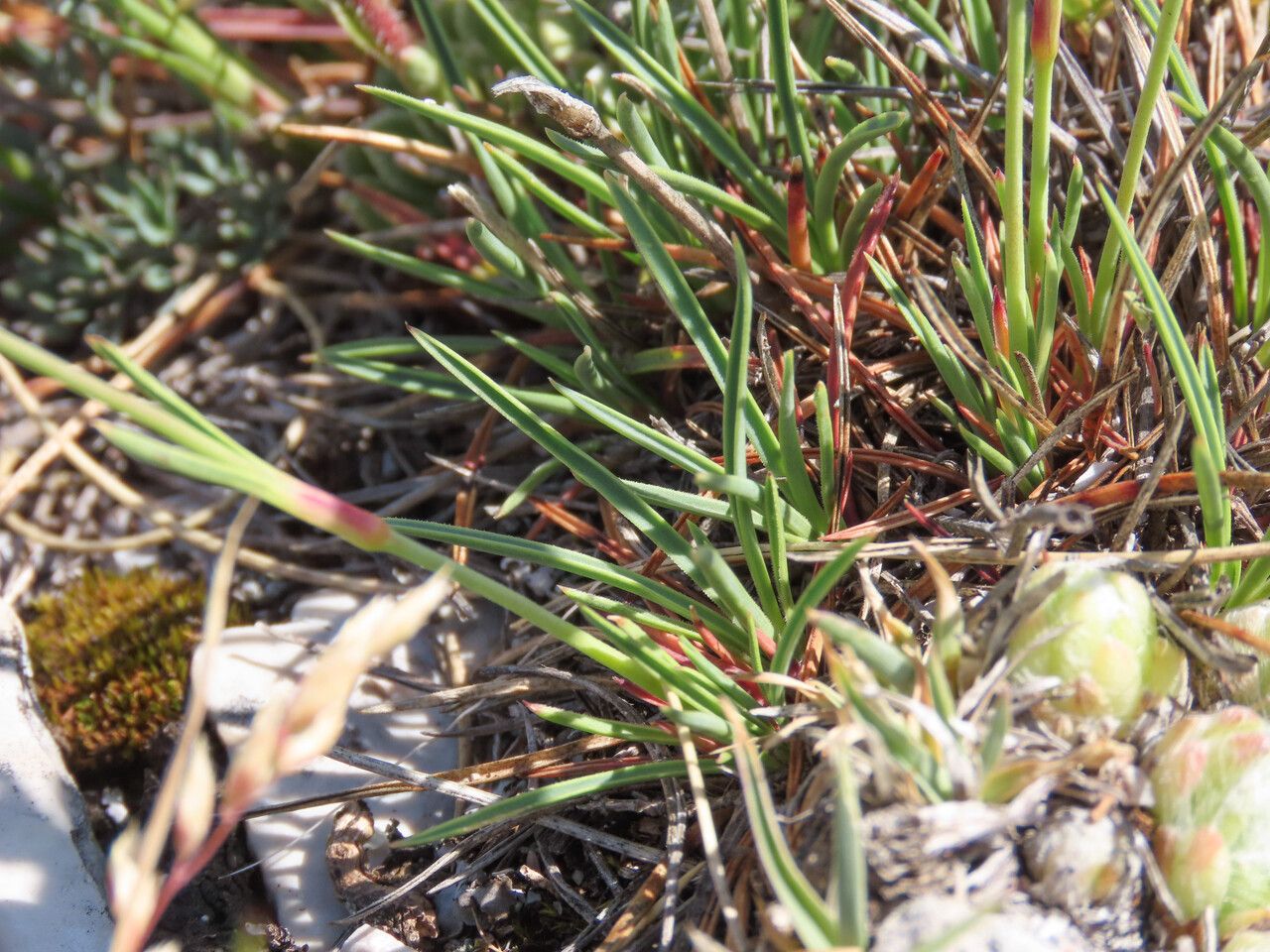
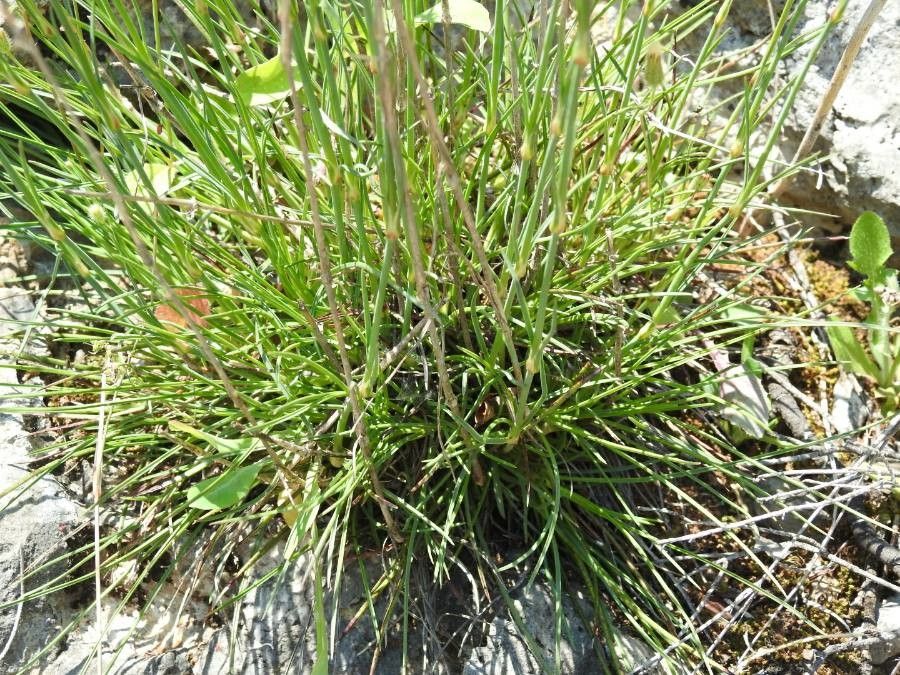
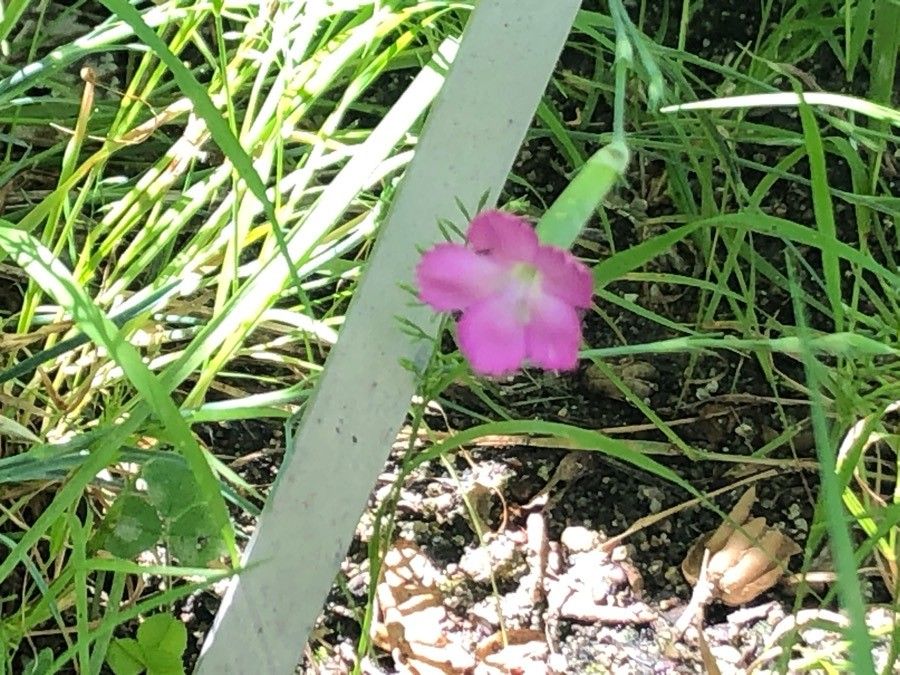
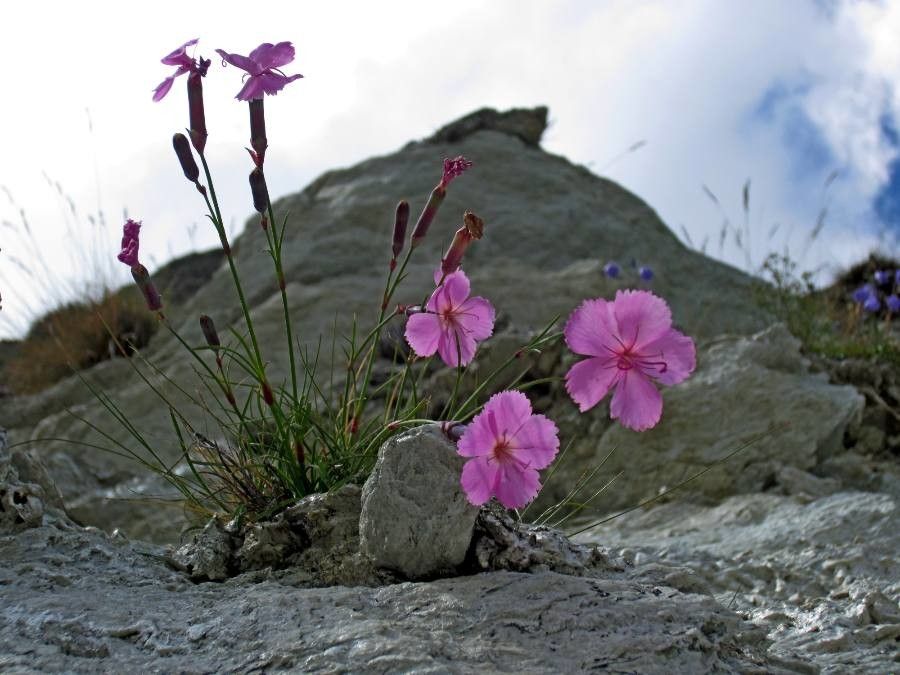
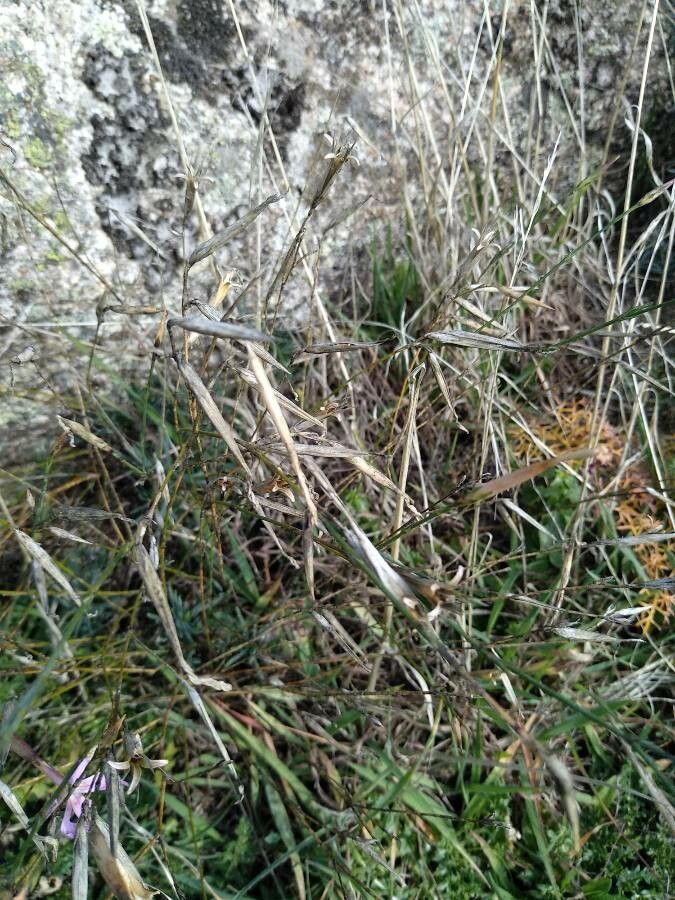
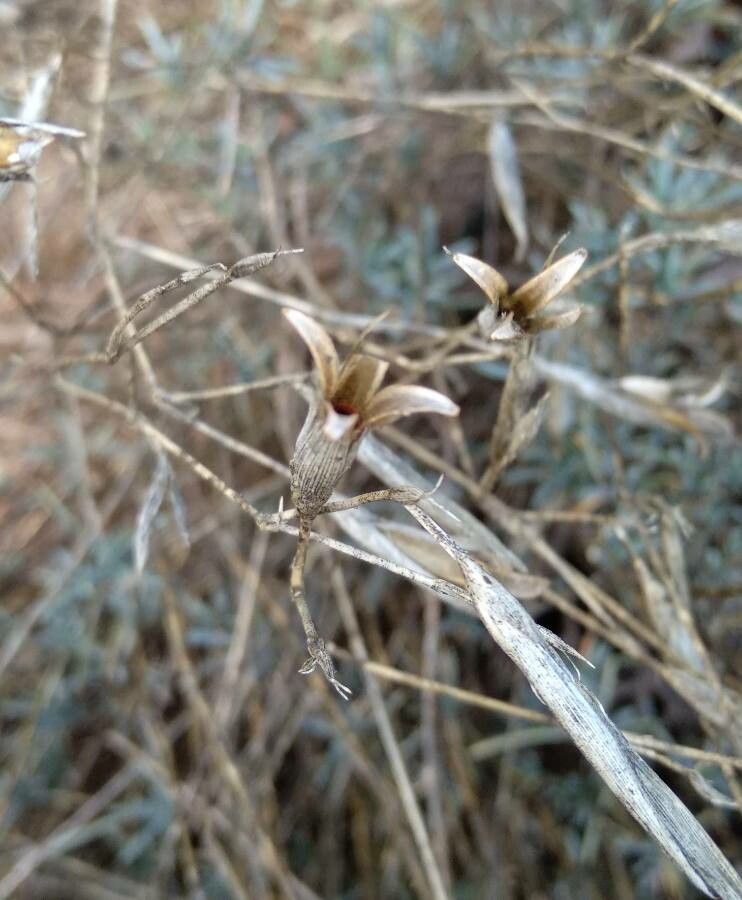
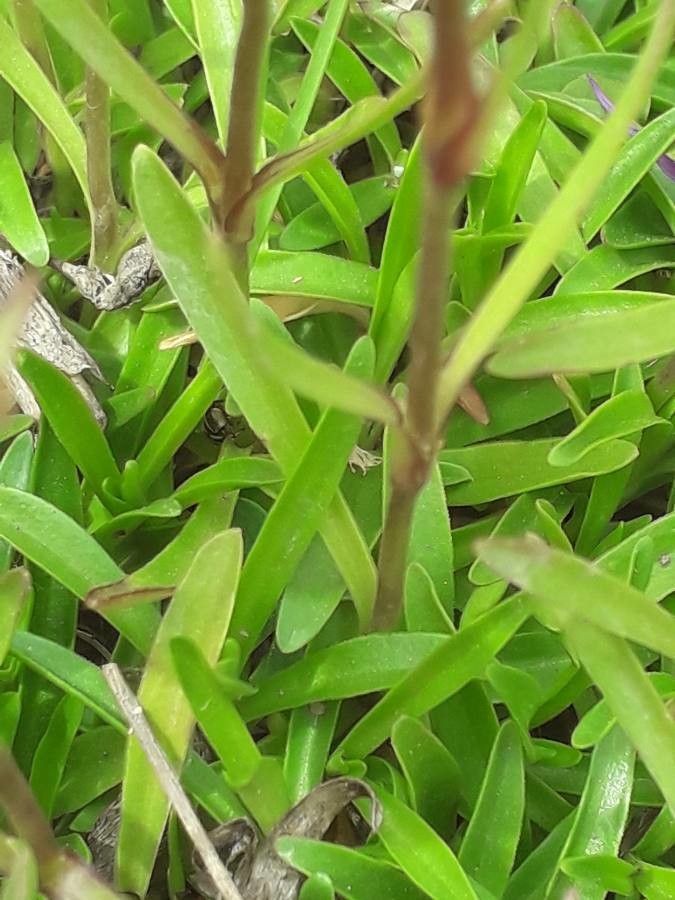
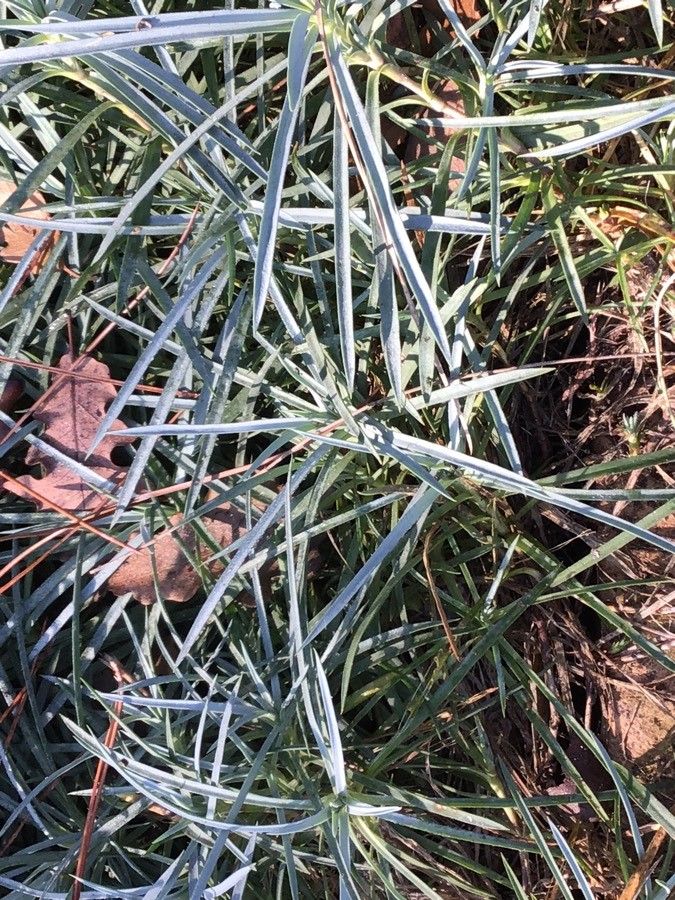
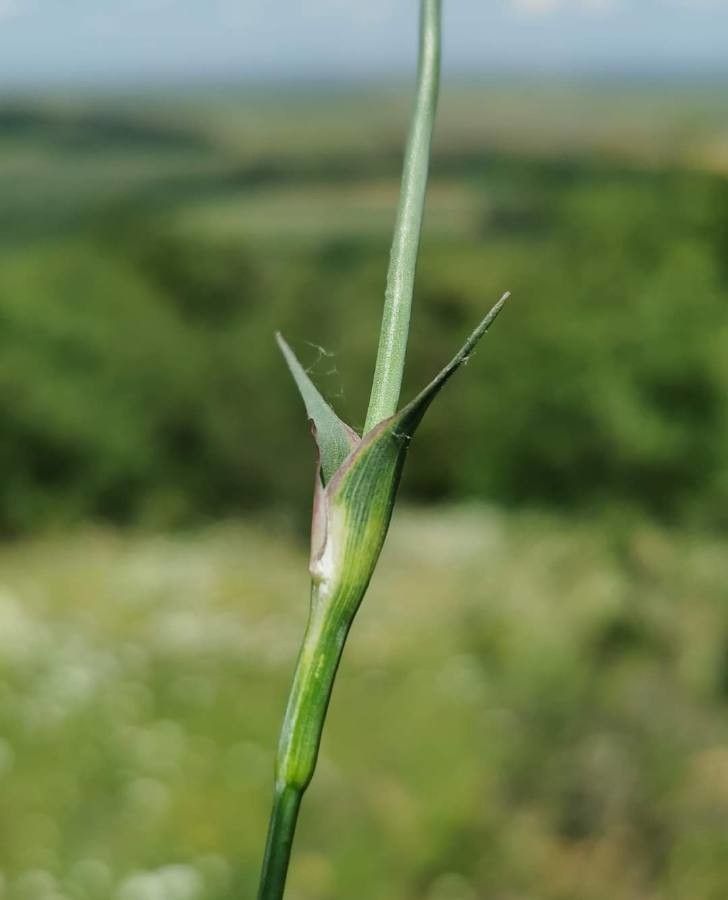
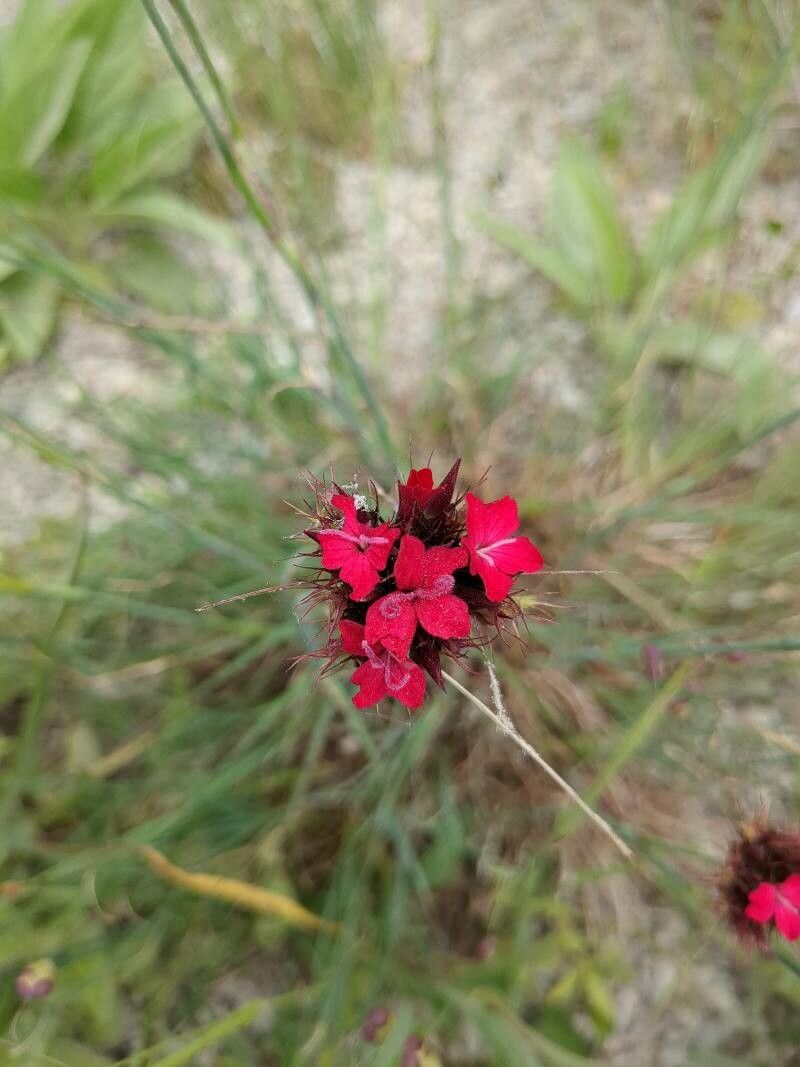
Dianthus sylvestris, the wood pink, is a species of Dianthus found in Europe, particularly in the Alps, and also said to be disjunctly found in the mountains of Greece. A perennial, it prefers to grow in drier, stony places, so it is occasionally planted in rock gardens.
Wood pink is fairly disease-resistant and typically does not suffer from illnesses. However, it can be vulnerable to pests and diseases present in its surroundings. These problems are usually minor. For care, this plant requires moderate maintenance. It should be pruned regularly to maintain a neat appearance and encourage healthy growth. Fertilizing can also help enhance flowering. Wood pink is suitable for anyone with outdoor space, such as a garden or patio, and does not demand extensive gardening experience. It may need more attention when grown indoors.
How to keep Dianthus Sylvestris.
Light
Wood pink does best beneath clear skies with unobstructed sunlight. Its native habitat—forest clearings—also suggests it is adapted to fairly sunny conditions. Too little or too much of this light can slow its growth and may negatively affect the plant's health.
Water
Wood pink, native to temperate regions, thrives in moderately moist environments. It prefers soil with consistent moisture and should be watered weekly. When grown outdoors, wood pink benefits from natural rainfall, which promotes its growth throughout the season.
Temperature
Wood pink is native to temperate climates, so it performs best in temperatures of 50 to 77 °F (10 to 25 ℃). It is recommended to modify its environment to recreate these conditions, particularly during seasons that bring extreme temperatures.
Fertilizer
The best time to fertilize a Wood pink is in early spring, as it comes out of dormancy and starts active growth. Fertilization supplies essential nutrients needed for healthy development. Although Wood pink has relatively low fertilizer requirements, applying it annually can boost survival and encourage better, longer-lasting flowers.
Pruning
Wood pink is known for its pink flowers and evergreen leaves. To keep it healthy and looking its best, prune the plant from early to late spring. Start by removing any dead stems to improve airflow, and trim away spent blooms to encourage it to bloom again. Be careful not to prune too heavily, as this plant has a compact growth habit. Finally, make sure your tools are clean to minimize any potential damage to the plant.
Botanical profile.
- Plant Type
- Herb
- Life Cycle
- Perennial
- Genus
- Dianthus
- Family
- Caryophyllaceae
- Hardiness Zone
- 6
- Mature Height
- 10 cm to 15 cm
- Mature Spread
- 25 cm
- Leaf Color
- Green, Gray, Silver
- Leaf Type
- Deciduous
- Flower Color
- Pink
- Flower Size
- 1.52 cm to 2.54 cm
- Bloom Time
- Late spring, Early summer, Mid summer
- Planting Time
- Spring, Autumn
- Harvest Time
- Late summer, Early fall
Other names.
Reader questions.
What should I do if I give too much or too little water to my Pink Wood?
Overwatering and underwatering can both harm your Wood pink plant, but overwatering is a more common problem. Too much water can cause wilting and yellowing of the stems and leaves. It can also lead to diseases like root rot, mold, and mildew, which can be fatal for the plant. Underwatering is less likely, as the Wood pink has good drought tolerance. However, if it occurs, you may notice brittle, brown leaves. It's important to recognize the signs of overwatering early on. Some diseases, like root rot, may not be reversible if you wait too long. If you see early signs of overwatering, reduce your watering schedule and check the soil's drainage. If it drains poorly, replace it with a loose, well-draining mix. If your Wood pink shows signs of underwatering, simply water it more regularly until the signs disappear.
Why do I have to put fertilizer on my Wood pink?
Proper fertilization is vital for the health and appearance of the Wood pink plant. It impacts both the leaves and the roots. Fertilization ensures that the leaves of the Wood pink maintain consistent color and a healthy texture. It also promotes the growth of new roots and maintenance of existing roots, allowing the plant to better absorb nutrients from the soil in the future.
What are the sunlight requirements for Wood Pink (Dianthus sylvestris)?
Wood Pink (Dianthus sylvestris) flourishes best in conditions where it receives abundant sunlight. It requires 'full sun' conditions, which means it should be placed in areas where it can receive more than 6 hours of sunlight per day. However, it can also tolerate 'partial sun' situations, needing about 3-6 hours of sunlight each day. Observing how sunlight moves through your garden is crucial for finding the ideal balance of light and shade to ensure the plants thrive.
What is the ideal climate for Wood Pink (Dianthus sylvestris)?
Wood pink, known botanically as Dianthus sylvestris, thrives in temperate climates, flourishing best in temperatures ranging from 50 to 77 °F (10 to 25 °C). It is important to adjust its environment to reflect these conditions, especially during periods of extreme temperatures. Wood pink is very cold-tolerant, meaning it does not require extra measures for frost protection during the winter. However, it's recommended to water the plant generously before the first freeze in autumn to keep the soil moist and prevent drought and water scarcity in winter and early spring.
How often do I need to water my Wood pink?
When your Wood pink plant is in a pot, the most precise way to know if it needs water is by checking the soil with your finger. If the top two to three inches of soil are dry, it's time to water it. If you have a Wood pink planted outdoors, you can use the same method. When the top few inches of soil are dry, it's time to water. Generally, watering once a week is sufficient during spring and early fall. However, during very hot weather, you may need to water twice a week or more. That being said, mature Wood pink plants are quite resilient and can tolerate drought.
When should I fertilize my Wood pink plant?
If you choose to grow your Wood pink outdoors each year, you will notice new growth appearing in early spring. This is your cue to start fertilizing the plant. Usually, a single application of fertilizer is sufficient for the Wood pink to thrive in the spring. However, if you want to ensure maximum growth, you can fertilize multiple times during the spring and early summer. In this case, you can feed your Wood pink roughly once every month to a month and a half.
What are the essential considerations for growing Wood Pink regarding sunlight?
To ensure optimal growth for Wood Pink, it's important to mimic its natural habitat as closely as possible by providing clear skies and unhindered access to the sun's rays, much like it would experience in forest clearings. The plant's health could be adversely affected by either a lack or excess of sunlight. In settings where natural sunlight is insufficient, especially during winter or in spaces that receive less sunlight, artificial lighting can be a crucial supplement. For indoor plants, ensuring adequate lighting through artificial means is paramount for maintaining healthy growth. LED lights are a popular choice because they can provide the specific wavelengths needed by plants. The amount of artificial light required varies depending on the type of plant, with full sun plants needing 30-50 watts per square foot, partial sun plants requiring 20-30 watts per square foot, and full shade plants necessitating 10-20 watts per square foot.
How does Wood Pink handle low temperatures?
Wood pink is extremely tolerant of cold temperatures, but it is best to ensure the winter temperature stays above -25°C. Dropping below this temperature might not show immediate effects during the winter, but it could lead to a decreased ability to sprout or even result in no sprouting in the spring. If parts of the plant fail to sprout in spring, it is advised to remove these unproductive parts to promote healthier growth.
How much water does my pink wood need?
To properly water your Wood Pink plant, don't be afraid to give it a substantial amount of water. Make sure the first two to three inches of soil are dry, then give it a thorough and long watering so the soil is completely soaked. You'll know you've added enough water when you see excess water flowing out of the drainage holes at the bottom of the pot. If you don't see any excess water draining out, it means you haven't watered the plant enough. However, be careful not to let water accumulate inside the soil, as that can be harmful to the plant. On the other hand, if water doesn't drain well through the pot, it may indicate that the soil is not draining properly, which is not good for the plant's health. If the plant is outside, it should receive about 1 inch of rain per week, which will be enough.
When is the best time to not fertilize my Wood pink?
During the late fall and winter, your Wood pink will enter a dormant phase where it stops producing new growth. It's important to avoid fertilizing your Wood pink during this time. As spring and summer approach, if you decide to fertilize multiple times, gradually reduce the amount of fertilization as the growth rate of your Wood pink slows down. In general, it's not recommended to fertilize your Wood pink during extremely hot weather or when the soil is exceptionally dry. Fertilization under these conditions can stress your Wood pink and lead to premature death.
What symptoms indicate that Wood Pink is receiving inadequate light?
The major symptoms of inadequate light exposure in Wood Pink include smaller leaves, leggy or sparse growth, accelerated leaf drop, halted or no new growth, lighter-colored new leaves, and the appearance of chlorosis, which is a yellowing of the leaves indicating a breakdown of chlorophyll. Additionally, excessive sunlight can lead to sunscald, leaf curling, wilting, and leaf scorching, which are harmful to the plant's overall health and ability to photosynthesize effectively.
What should I do if Wood Pink is exposed to high temperatures?
Wood pink struggles in high temperatures, and its growth halts when the temperature exceeds 25°C (77°F), making it more prone to rot. To counteract the effects of high heat, you should trim away any sunburned or dried parts of the plant. Moving the plant to a shaded location or employing a shade cloth can protect it from the harsh midday and afternoon sun. Additionally, watering the plant in the morning and evening can help keep the soil sufficiently moist.