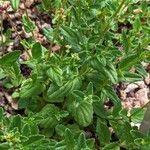
Diascia barberae
Twinspur · Rose twinspur
Description
Source: leafsnapDiascia barberae, called twinspur along with other members of its genus, is a species of flowering plant in the family Scrophulariaceae, native to South Africa and Lesotho. Its cultivar 'Blackthorn Apricot' has gained the Royal Horticultural Society's Award of Garden Merit. Many other cultivars that vary largely by the color of their flowers are available, including 'Ruby Field', 'Lilac Belle' and 'Rupert Lambert'.
Care Guide
💧 Water 2 to 3 times a week
Twinspur is drought-tolerant and thrives with balanced moisture. It should be watered weekly, requiring consistent care throughout the year, especially during its active growing season, as it is an evergreen plant.
☀️ Light Partial sun
Twinspur is native to habitats like forest understories and rocky areas, where it grows in natural shade. It prefers partial sun but can tolerate both full sun and full shade, showing its versatile and hardy nature.
How much sunlight do Twinspur (Diascia barberae) plants need?
Twinspur (Diascia barberae) plants require varying amounts of sunlight depending on their specific needs. For partial sun, they need about 3-6 hours of sunlight daily, while for full sun, they require more than 6 hours of sunlight each day. It's vital to watch how sunlight moves through your garden to ensure you choose spots that provide the perfect balance of light and shade, ensuring the happiness and health of your Twinspur plants.
🌡️ Temperature 20–37.8°C
Twinspur has good temperature adaptability and can endure higher heat and fairly large temperature swings. In hot conditions, attention should be paid to watering and providing proper shade to avoid sunburn. On the other hand, Twinspur is relatively sensitive to low temperatures. It tolerates some cold, but excessively low temperatures can cause frost damage.
What is the botanical name of Twinspur?
The botanical name of Twinspur is Diascia barberae. Twinspur is a distinctive plant known for its unique characteristics and it is classified scientifically under this name.
💨 Humidity
🪴 Soil 6-7
🌱 Fertilizer
The best time to fertilize a Twinspur is in early spring, when it is coming out of dormancy and beginning active growth. Fertilizing supplies essential nutrients for healthy growth. Although Twinspur has relatively low fertilizer needs, applying fertilizer annually can enhance its survival and encourage better, longer-lasting flowers.
🪴 Pot & Repot
✂️ Pruning
Twinspur benefits from spring pruning, which removes dead stems and stimulates new growth. Regularly pinching the tips helps produce bushier foliage and more flowers. Additionally, removing spent blooms throughout the season improves the plant's appearance, encourages vigorous blooming, and reduces disease risks, thereby supporting overall plant health.
🌿 Propagating
🐛 Diseases & pets
☠️ Toxicity
Diascia plants do not have any reported toxic traits to humans or animals.
Characteristics
- Plant Type
- Herb
- Life Cycle
- Perennial
- Genus
- Diascia
- Family
- Scrophulariaceae
- Hardiness Zone
- 9-11
- Mature Height
- 49 cm
- Mature Spread
- 49 cm
- Leaf Color
- Green
- Leaf Type
- Semi-evergreen
- Flower Color
- Pink
- Flower Size
- 2.54 cm
- Bloom Time
- All year round
- Planting Time
- Spring, Summer
- Harvest Time
- All year round
- Native Area
- South Africa, Lesotho