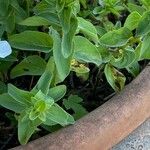
Diascia rigescens
Stiff Twinspur · Diamond Fuschia · Rigid Diascia · Stiff Diascia · Rigid Twinspur
Description
Source: leafsnapDiascia rigescens, called the stiff twinspur, is a species of flowering plant in the genus Diascia, native to South Africa. It has gained the Royal Horticultural Society's Award of Garden Merit.
💡 Diascia rigescens, commonly known as "stiff twinspur," gets its name from the two spurs found at the back of its flowers. The Latin species epithet "rigescens" means "rigid" or "stiff," referring to the plant's sturdy stem. The spurs of Diascia contain a unique oil that certain species of wild bees have co-evolved to harvest.
Care Guide
💧 Water Every 7 days
Bride's saddle flourishes in consistently moist conditions and prefers steady humidity. To maintain its vitality, it needs to be watered weekly, though it can tolerate moderate drought. For optimal growth, ensure the soil moisture resembles its natural rainfall environment, avoiding both waterlogging and dry periods.
How should I water my Bride's saddle properly?
To properly water the Bride's saddle, follow these steps for optimal care: - Use filtered water at room temperature or slightly warmer. Tap water may have harmful particles. - The Bride's saddle is accustomed to a warm environment, so avoid using cold water to prevent shocking the plant. - Do not water overhead, as it can cause foliage issues. - Instead, apply filtered room temperature water directly to the soil until it is completely soaked. - Soaking the soil benefits the plant by keeping the roots moist and facilitating nutrient absorption.
What should I do if I give my Bride's saddle too much or too little water?
Overwatering is a common issue with Bride's saddle plants and can lead to wilted and yellowing stems and leaves. It can also cause diseases like root rot, mold, and mildew that can kill the plant. Underwatering is less common but can still happen, resulting in brittle and brown leaves. It's important to recognize the signs of overwatering early and reduce the watering schedule immediately. If the soil drains poorly, it should be replaced with a well-draining potting mix. If the plant is receiving too little water, increasing the watering frequency should solve the problem.
How often do I need to water my Bride's saddle?
If you have a potted plant, the best way to check if your Bride's saddle needs water is to stick your finger in the soil. If the top two to three inches of soil are dry, then it needs watering. The same method can be applied if you're growing the Bride's saddle outdoors. When the first few inches of soil have dried out, it's time to water. In the spring and early fall, you'll usually need to water this plant about once a week. During extremely hot weather, you may need to increase watering to twice a week or more. However, mature and well-established Bride's saddle plants have a good ability to handle dry conditions.
How much water does my horse's saddle need?
When watering your Bride's saddle, don't be hesitant to give it a generous amount of water. Make sure the top two to three inches of soil are dry before watering and then water the plant thoroughly until the soil is completely soaked. You should add enough water that it drains out of the pot's drainage holes. If you don't see excess water draining, it means you haven't watered enough. However, be cautious not to let water accumulate inside the soil, as this can harm the plant. Additionally, if water doesn't drain properly, it could be due to poorly draining soils, which is not good for the plant's health. If the plant is outside, approximately 1 inch of rain per week should be sufficient.
How do I water my Bride's saddle as it grows?
The water needs of the Bride's saddle can vary depending on its growth stages. In the early years or after transplantation, more water is required as the plant focuses on developing new roots for future growth. These roots perform better with increased moisture. As the plant matures, it will require less water. Additionally, during the bloom period, the Bride's saddle may need more water to support flower development.
☀️ Light Full sun
Bride's saddle does best with abundant light, taking in full sunlight throughout its growth. It originates from open, exposed habitats, which explains this tolerance. However, excessive exposure can cause scorching and damage to the plant, while too little light may inhibit its vigorous development.
What are the sunlight requirements for Bride's saddle?
Bride's saddle requires full sun, meaning it should receive above 6 hours of direct sunlight daily to thrive. It's important to watch how sunlight moves through your garden, selecting spots that ensure a balance of light and shade for plant health. This balance helps the plant maintain its happiness by providing the right conditions for growth without the risk of sunscald or insufficient light.
Why is full sun important for the Bride's saddle, and how can artificial lighting be used?
Full sun is crucial for Bride's saddle as it thrives under extensive illumination, reflecting its origin in exposed regions. This plant absorbs full daylight throughout its growth cycle, but overexposure can lead to scorching while underexposure stifles development. Artificial lighting can supplement natural sunlight, especially in less sunny spaces or during winter. Indoor plants benefit from artificial lighting, like LEDs, which should provide 30-50W/sq ft for full sun plants, placed 12-36 inches above the plant. This setup mimics natural conditions, promoting faster, healthier growth by ensuring plants get 8-12 hours of light per day.
What are the common symptoms of incorrect lighting for Bride's saddle?
Symptoms of incorrect lighting in Bride's saddle include small leaves, leggy or sparse growth, faster leaf drop, slower or no new growth, lighter-colored or yellowing leaves (chlorosis), sunscald, leaf curling, wilting, and leaf scorching. These symptoms indicate either excessive sunlight or insufficient light exposure, impacting the plant's ability to photosynthesize, maintain health, and grow efficiently.
How can lighting conditions be improved for indoor and outdoor Bride's saddle plants?
To improve lighting conditions for Bride's saddle, indoors, gradually move plants to sunnier spots or use artificial lights, like desk lamps or grow lights, for at least 8 hours daily. Outdoors, gradually move plants to the best sunlight spot, avoiding sudden changes to prevent sunburn. If light obstruction is a problem, reduce it by pruning or transplant during the plant's dormant period to a location with ample sunlight. Note that parts of the plant suffering from insufficient sunlight may not recover, but new growth will be healthy with improved light exposure.
🌡️ Temperature 20–37.8°C
Bride's saddle can adjust to a wide variety of temperature conditions, but its range may still be restricted by different combinations of moisture and heat. It does best in warm summer climates with sufficient rainfall or irrigation. Long stretches of cloudy, rainy weather, and prolonged high temperatures both raise the risk of Bride's saddle dying. In winter, adequate protection from cold can enhance the plant's chances of survival.
What is Bride's saddle?
Bride's saddle, scientifically known as Diascia rigescens, is a plant species recognized by its distinctive name. However, specific details about its characteristics, care, or origin were not provided in the available information.
💨 Humidity
🪴 Soil 6-7
🌱 Fertilizer
The best time to fertilize a Bride's saddle is in early spring, as it comes out of dormancy and begins active growth. Fertilization supplies essential nutrients for healthy development. Although Bride's saddle has fairly low fertilizer requirements, applying fertilizer annually can improve its survival and encourage better, longer-lasting flowers.
Why should I put fertilizer on my Bride's saddle?
Fertilization is important for the growth of Bride's saddle plants, as it provides vital nutrients for both above and below ground growth. While Bride's saddle has relatively low fertilization needs and can sometimes survive without it, annual fertilization can greatly benefit the plant by promoting its overall health and encouraging the production of longer-lasting flowers. Therefore, those wanting to keep their Bride's saddle looking its best should prioritize regular fertilization.
When should I put fertilizer on my Bride's saddle?
The best time to fertilize a Bride's saddle is in late winter to early spring. This is when the plant is transitioning from dormancy to active growth, so fertilizing during this time promotes healthy growth for the season ahead. While it's generally recommended to fertilize in early spring, it is also acceptable to fertilize in the fall. However, it's not advisable to fertilize during summer or winter.
When is it not a good idea to fertilize my Bride's saddle?
To ensure proper fertilization for your Bride's saddle, it is best to only fertilize during the late winter and early spring. This plant has low fertilization needs, so one annual feeding is enough. Fertilizing during the spring, summer, and fall can lead to overfertilization and its associated problems, unless you didn't fertilize in spring. In that case, it is acceptable to feed the plant in fall. Additionally, it is unnecessary to fertilize the plant during winter when it is in a dormant growth phase and not actively growing. Therefore, fertilization during most of the winter is not recommended.
Which fertilizer should I use for my Bride's saddle?
For a Bride's saddle plant, almost any general-purpose fertilizer containing a balanced amount of the three main nutrients will work well. However, there are specific nutrient blends that can provide even greater benefits. Many gardeners believe that higher levels of phosphorus can lead to stronger roots and better flowers. Since Bride's saddle is a flowering plant, using a fertilizer rich in phosphorus may be the best choice. Whether it is in granular or liquid form, as long as the fertilizer contains enough nutrients, either will suffice. Additionally, you can also improve the soil for your Bride's saddle using organic methods like compost and manure. These materials can greatly enhance the growth of your Bride's saddle by creating a healthy growing medium.
How do I apply fertilizer to my Bride's saddle?
To fertilize a Bride's saddle, the most common method is to use granular or pellet fertilizer. It is important to fertilize when the plant is transitioning from its dormant phase to active growth, typically in early spring. Wait for the plant to start sending shoots through the soil before applying the fertilizer. Alternatively, some people prefer to use liquid fertilizer, which should be diluted with water before application. Whether using granular or liquid fertilizer, it is key to moisten the soil before, during, and after fertilization.
🪴 Pot & Repot 2-3 years
To promote optimal growth, repot the bride's saddle every 2 to 3 years during the spring. Choose a slightly larger container to allow for root expansion. Ensure the plant receives plenty of light, but be careful to avoid the intense midday sun. Regular watering is crucial for the plant's recovery, but be sure to prevent waterlogging to maintain the bride's saddle's healthy blooming and vitality.
✂️ Pruning
Bride's Saddle is a perennial plant known for its vibrant blooms, making it an excellent choice for garden borders. To maintain its shape and health, prune the plant in early to late spring, before new growth begins. During pruning, remove any dead stems and thin out crowded areas to improve air circulation. To encourage continuous blooming, regularly deadhead the spent flowers.
🌿 Propagating
🐛 Diseases & pets
☠️ Toxicity
Diascia plants do not have any reported toxic traits to humans or animals.
Characteristics
- Plant Type
- Herb
- Life Cycle
- Perennial, Annual, Biennial
- Genus
- Diascia
- Family
- Scrophulariaceae
- Hardiness Zone
- 9-11
- Mature Height
- 30 cm to 61 cm
- Mature Spread
- 25 cm to 30 cm
- Leaf Color
- Green
- Leaf Type
- Semi-evergreen
- Flower Color
- Pink, Purple, Orange
- Flower Size
- 1.02 cm to 1.52 cm
- Bloom Time
- Mid spring, Late spring, Summer, Early fall
- Planting Time
- Spring, Summer, Autumn
- Harvest Time
- Summer, Early fall, Mid fall
- Native Area
- South Africa