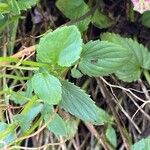
Diascia vigilis
Description
Source: leafsnapDiascia vigilis, called the twinspur or elf spur, is a species of flowering plant in the genus Diascia, native to South Africa. It has gained the Royal Horticultural Society's Award of Garden Merit.
Care Guide
💧 Water 2 to 3 times a week
Twinspur, a plant native to South Africa, thrives best in moist, well-drained soil with regular watering. It requires consistent moisture but should not be left waterlogged. Watering once a week is ideal for this herbaceous perennial. When grown outdoors, it benefits from rainwater during its growing season, which contributes to its vibrant blooms.
☀️ Light Partial sun
Twinspur is native to habitats like forest understories and rocky areas, where it grows in natural shade. It prefers partial sun but can tolerate both full sun and full shade, showing its versatile and hardy nature.
🌡️ Temperature 20–37.8°C
Twinspur can tolerate a wide range of temperatures, but its distribution may still be restricted by different combinations of water and heat. It performs best in warm summers with sufficient rainfall or watering. Long periods of cloudy, rainy weather or prolonged high temperatures increase the chance of Twinspur dying. In winter, proper protection from cold can raise the plant's survival rate.
💨 Humidity
🪴 Soil 6-7
🌱 Fertilizer
A single fertilizing in spring is generally enough for Twinspur, but repeated feedings can optimize growth. Feed about once every month to a month and a half. Fertilization improves the appearance and function of the leaves, helping maintain even color and a healthy texture. It also promotes root development and nutrient uptake for long-term plant health.
🪴 Pot & Repot 2-3 years
When repotting Twinspur, select a pot 1–2 inches (2.5–5.1 cm) larger with ample drainage. Use a well-draining potting mix. Repot in spring or fall, making sure the root ball sits slightly below the rim of the flower pot. Water thoroughly after repotting, then place it in a warm spot with indirect sunlight.
✂️ Pruning
Twinspur benefits greatly from regular pruning, especially from early to late spring. Effective techniques include deadheading and trimming back overgrown stems to maintain a desirable shape. Making more significant cuts after the flowering period can enhance plant density. This practice helps prevent legginess and encourages abundant blooming.
🌿 Propagating
🐛 Diseases & pets
☠️ Toxicity
Diascia plants do not have any reported toxic traits to humans or animals.
Characteristics
- Plant Type
- Herb
- Life Cycle
- Perennial
- Genus
- Diascia
- Family
- Scrophulariaceae
- Hardiness Zone
- 9-11
- Mature Height
- 20 cm to 30 cm
- Mature Spread
- 30 cm to 46 cm
- Leaf Color
- Green
- Leaf Type
- Evergreen, Semi-evergreen
- Flower Color
- Pink
- Flower Size
- 1.52 cm to 2.03 cm
- Bloom Time
- All year round
- Planting Time
- Spring, Summer
- Harvest Time
- All year round
- Native Area
- South Africa, Lesotho