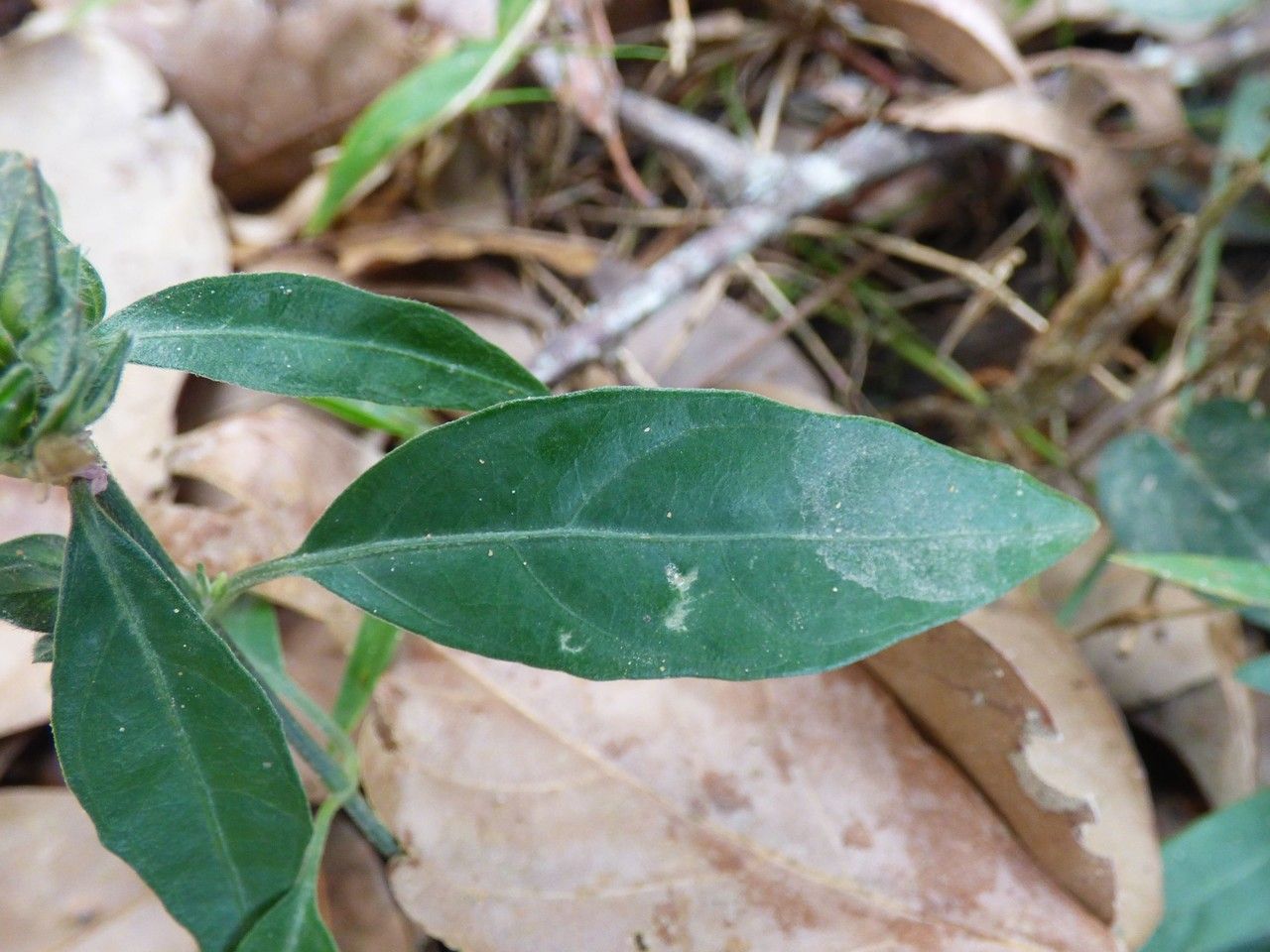
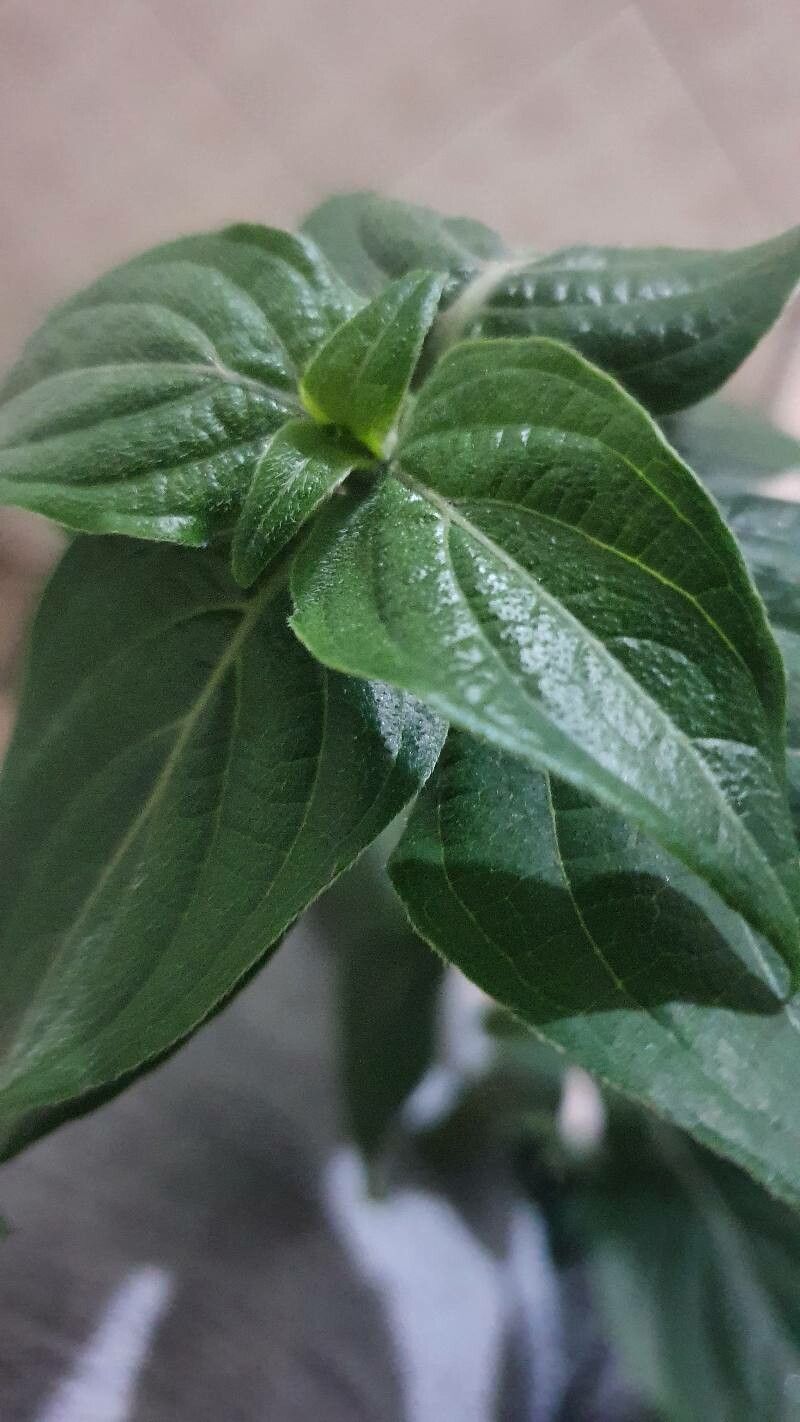
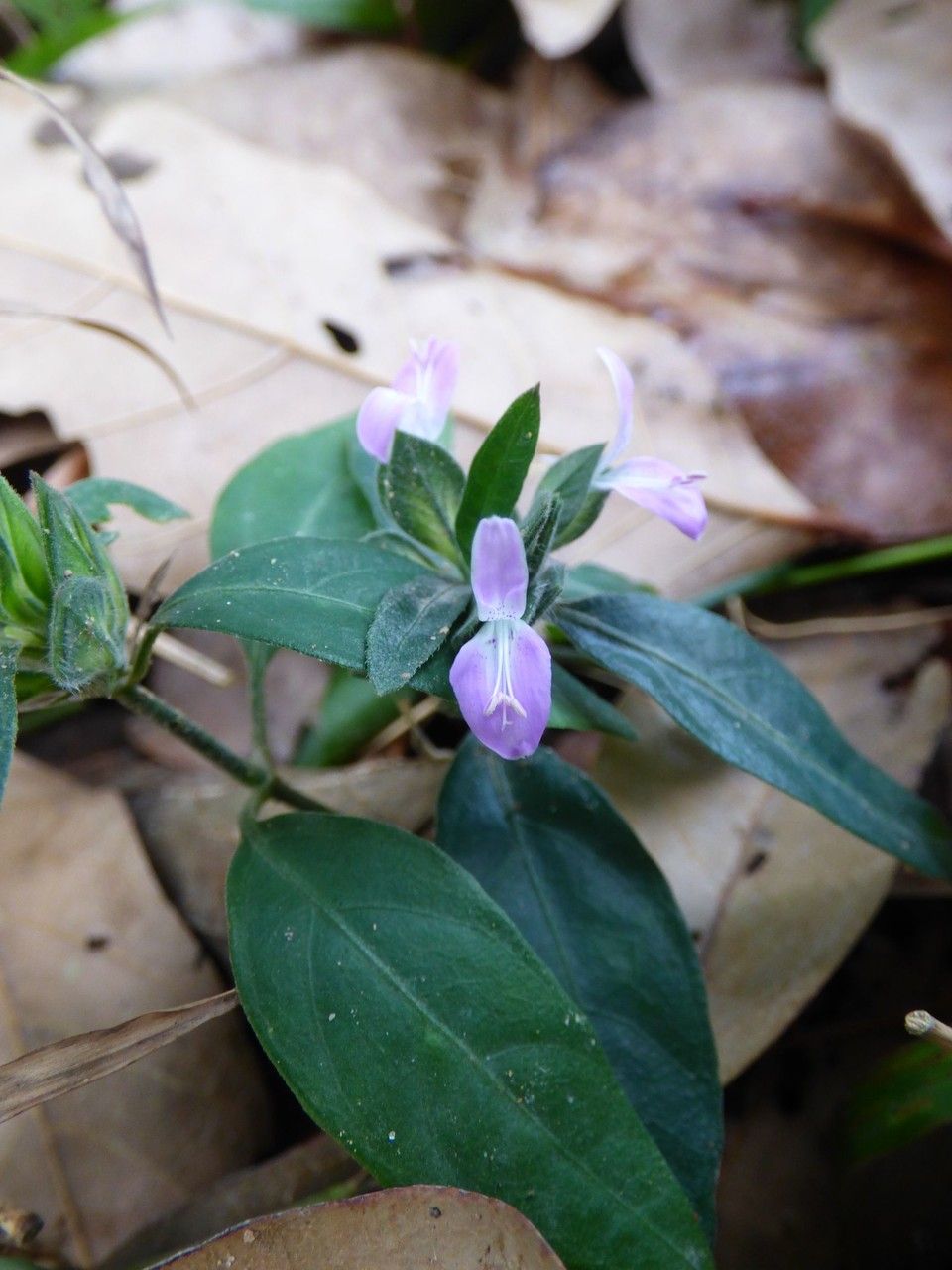
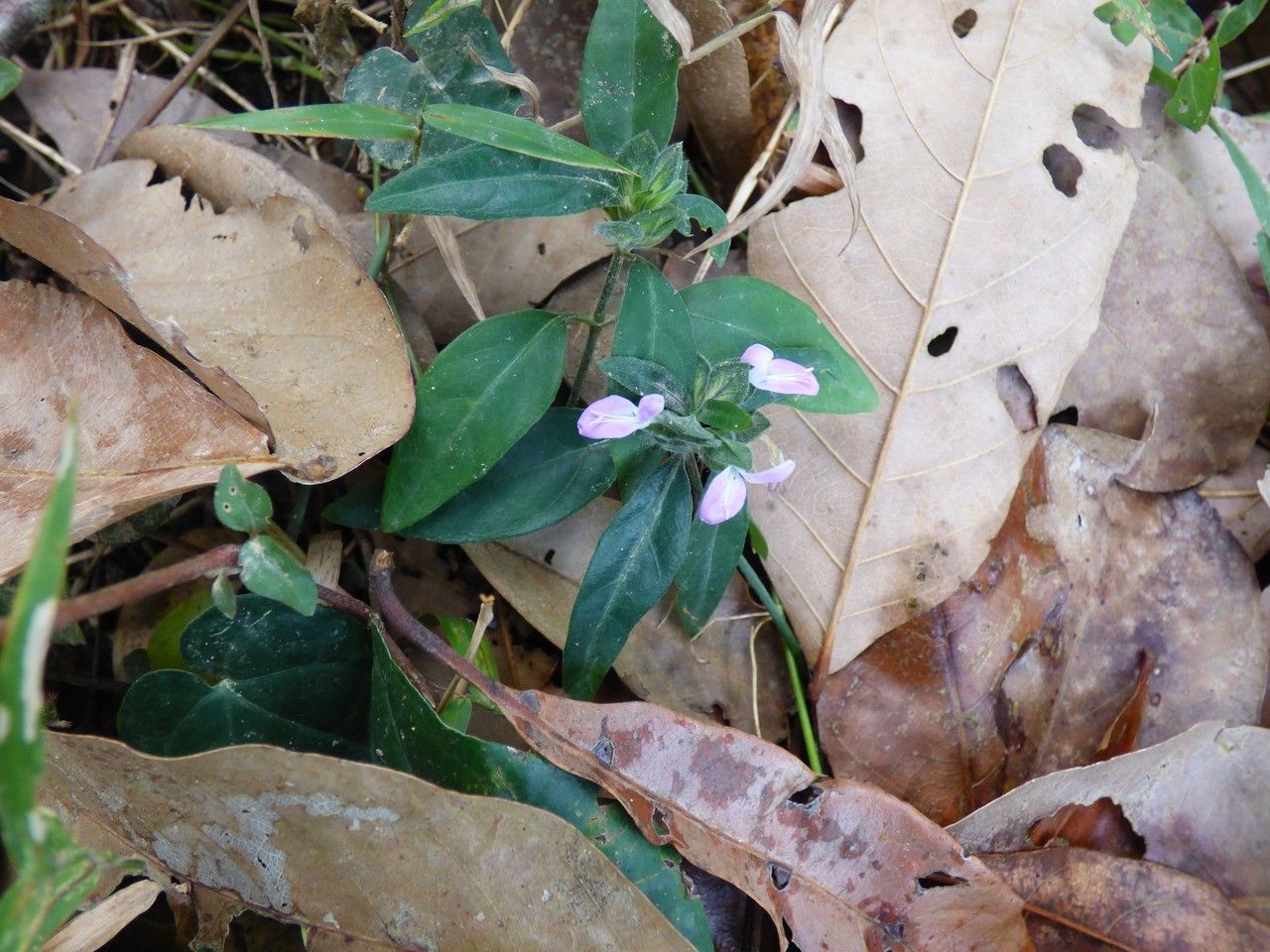
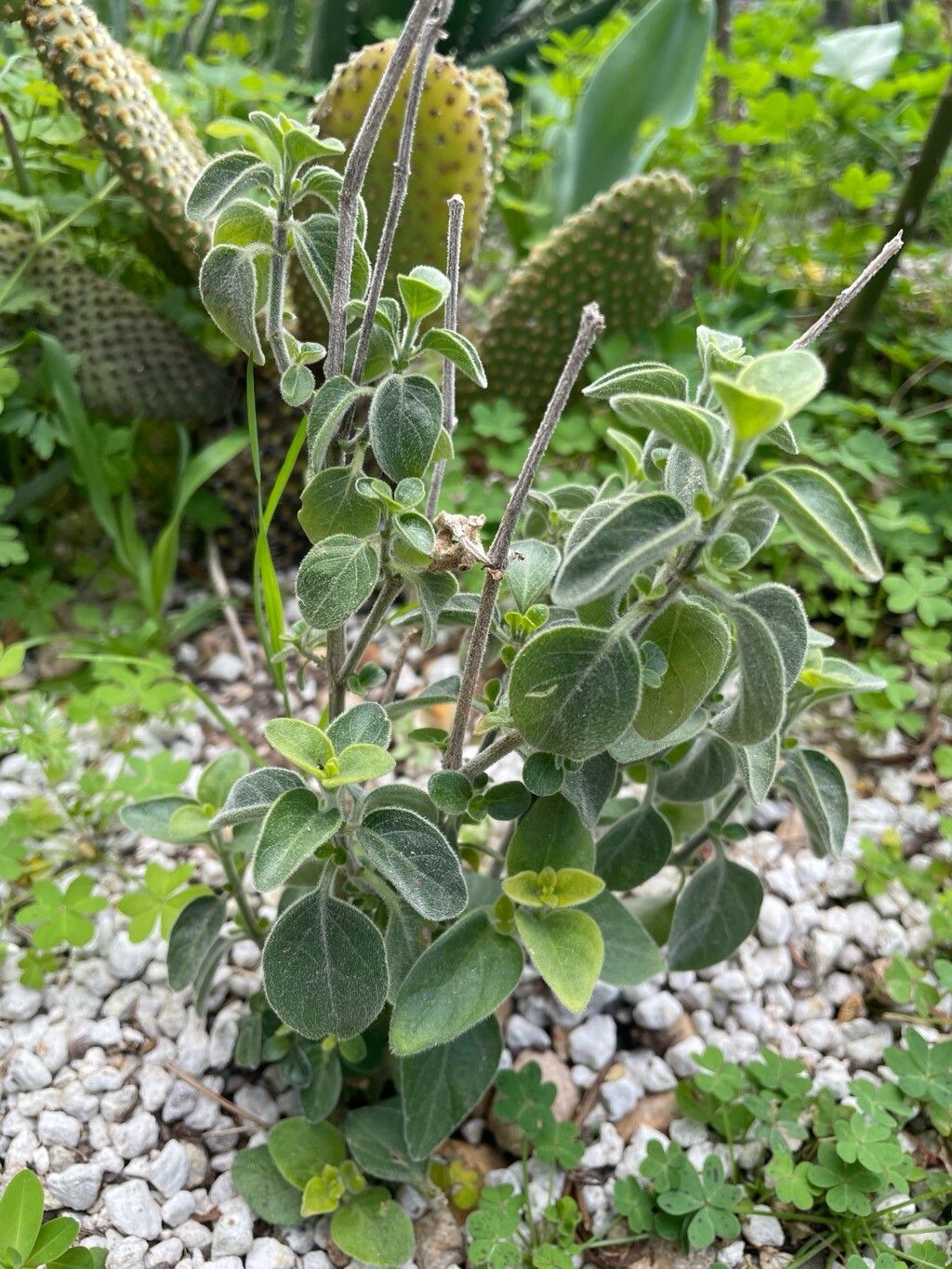
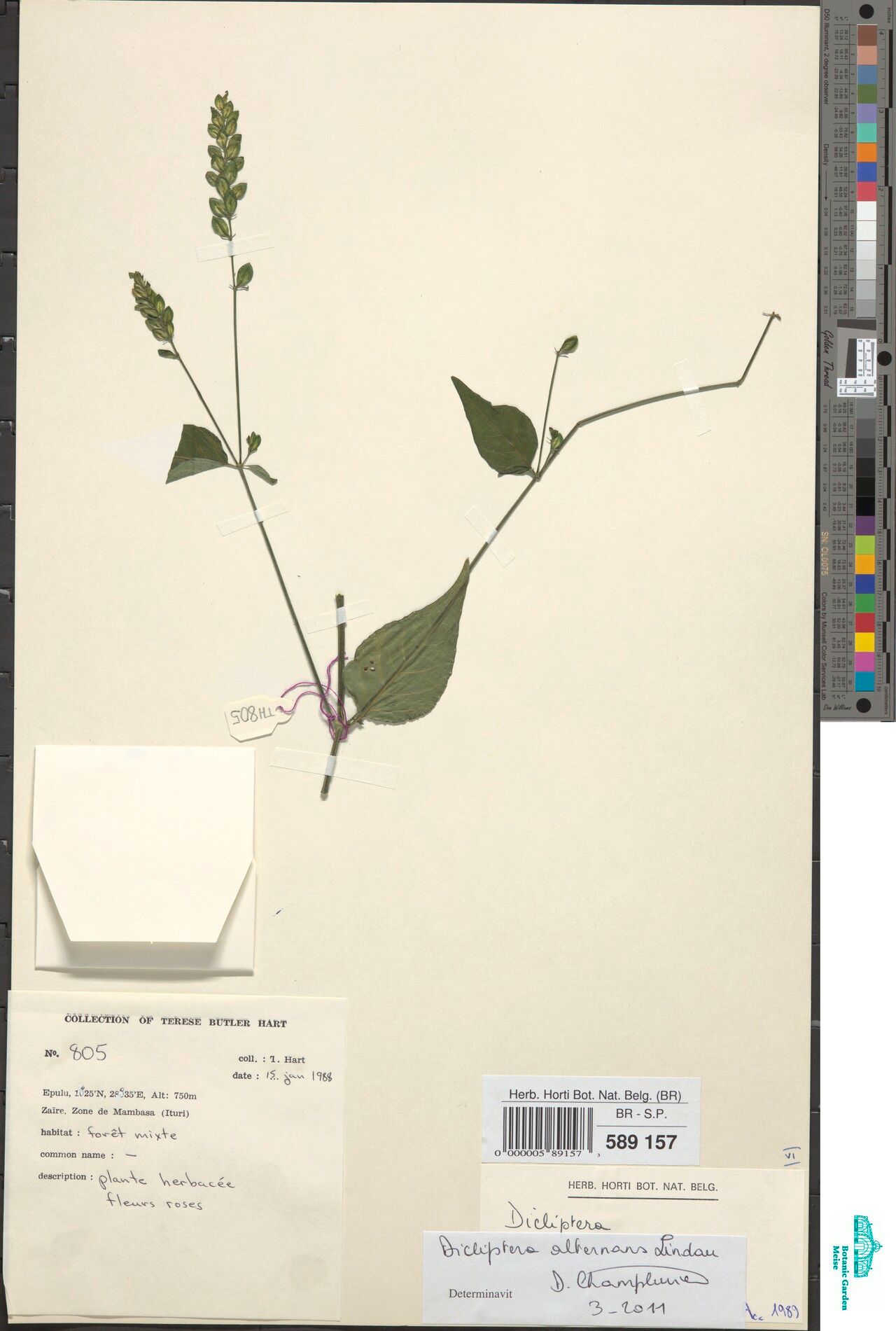
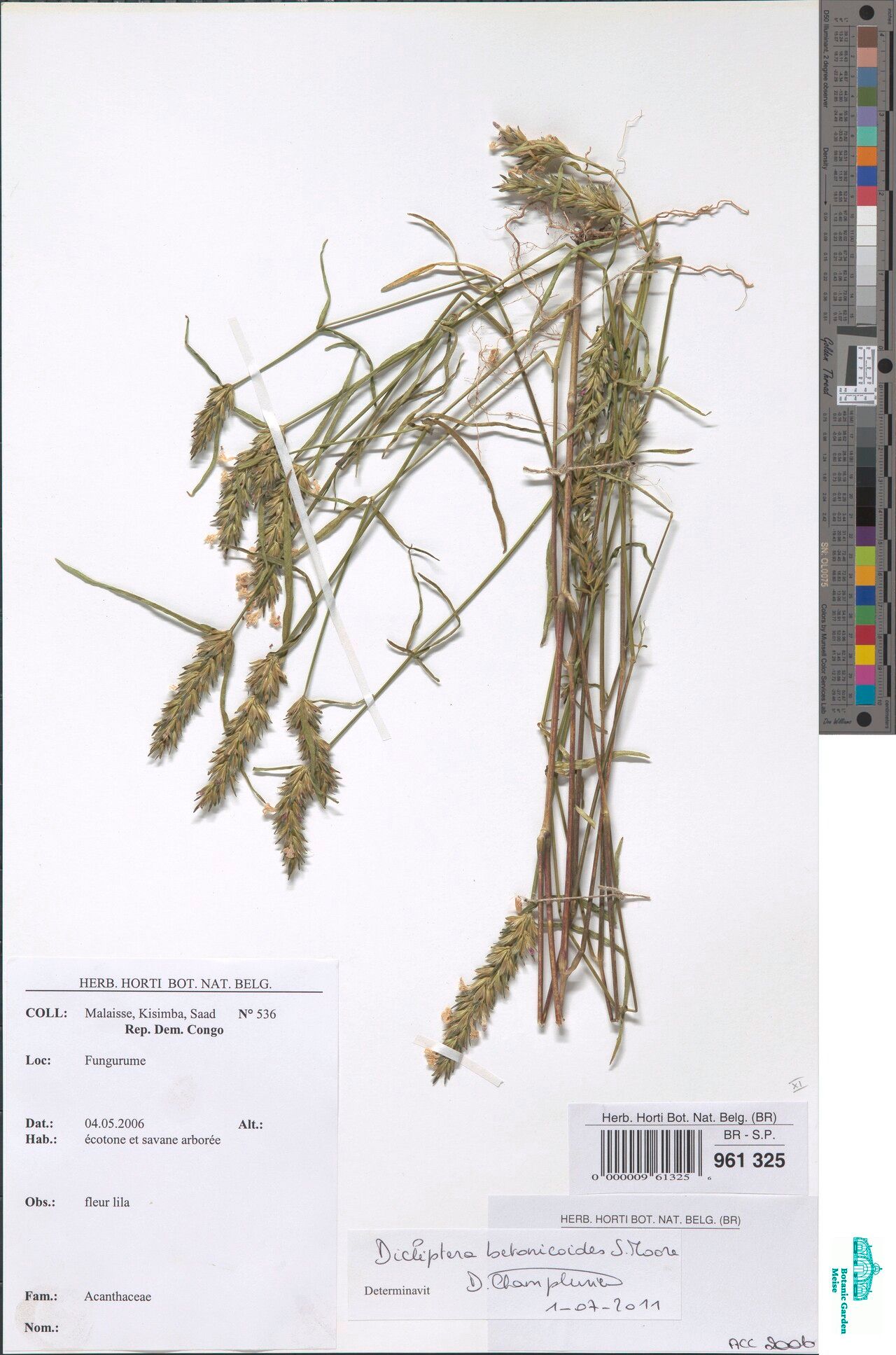
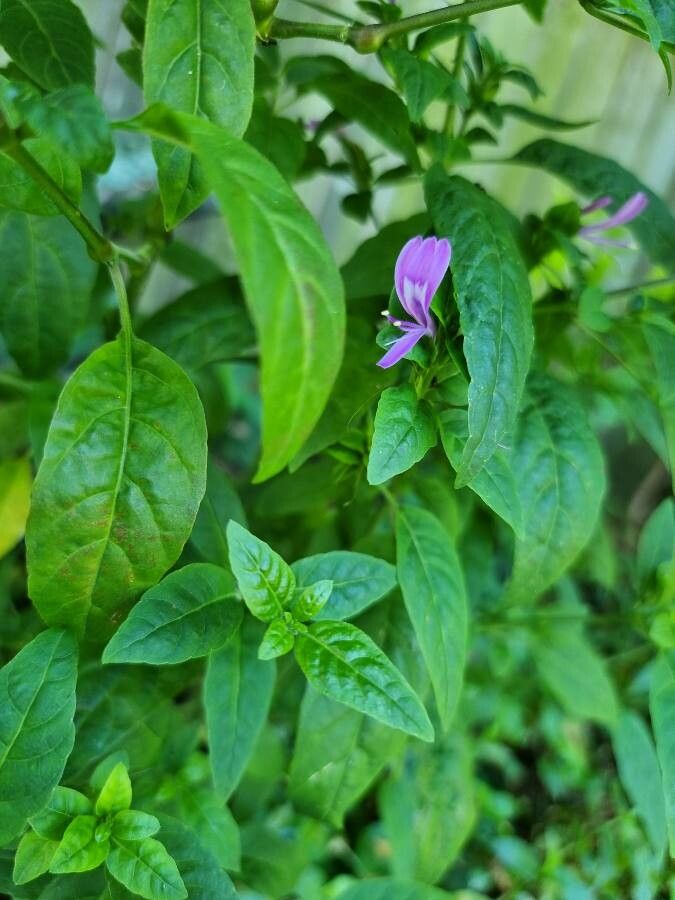
Dicliptera chinensis is a perennial herbaceous plant belonging to the Acanthaceae family. Native to China, Japan, and Korea, this plant thrives in moist environments such as riverbanks, wetlands, and forests. It can grow up to 1 meter in height and spread up to 60 cm.
The leaves of Dicliptera chinensis are ovate or lanceolate with serrated edges, displaying a dark green color on the upper surface and a lighter green underneath. The small, tubular flowers are vibrant red or pink and bloom from summer through fall.
In traditional Chinese medicine, Dicliptera chinensis has been valued for its anti-inflammatory properties and its effectiveness in treating ailments such as fever, coughs, sore throat, and diarrhea.
Additionally, the plant is appreciated for ornamental purposes due to its attractive flowers, which draw pollinators like bees and butterflies. This makes it a beautiful and beneficial addition to gardens and landscapes.
Overall, Dicliptera chinensis is an appealing ornamental plant with medicinal properties, making it a valuable addition for both aesthetic and health purposes.
Chinese Foldwing is fairly disease-resistant and typically not vulnerable to illnesses. Still, it can be affected by pests and diseases present in its environment. Such infections tend to be mild. Regarding upkeep, this plant needs moderate care. Regular pruning is necessary to preserve an attractive appearance and support healthy growth. Applying fertilizer can also encourage flowering. Chinese Foldwing is a good choice for anyone with outdoor space like a garden or patio and doesn't demand extensive gardening experience. It may need extra attention when grown indoors.
How to keep Dicliptera Chinensis.
Light
Chinese Foldwing performs best with a full day's sunlight but can tolerate lower light levels or shade. Native to areas where uninterrupted sun is typical, it has adapted to cope with somewhat shaded settings. Reduced light can lessen its growth and vitality, while too much exposure may be detrimental, although the species exhibits considerable tolerance to light.
Water
The Chinese Foldwing thrives when it receives a moderate amount of moisture, making a consistent watering schedule, ideally once a week, essential. Be cautious, as it cannot tolerate either overwatering or dryness. During its growing season, it particularly benefits from rainwater, reinforcing its preference for regular and gentle hydration.
Temperature
Chinese Foldwing has good temperature adaptability and can tolerate higher heat and fairly large temperature swings. In hot weather, attention should be paid to watering and providing suitable shade to avoid sunburn. On the other hand, Chinese Foldwing is relatively sensitive to cold; it can endure some chill, but excessively low temperatures may cause frost damage.
Fertilizer
The best time to fertilize a Chinese Foldwing is in early spring, as it comes out of dormancy and begins active growth. Fertilizing supplies essential nutrients for healthy development. Even though the Chinese Foldwing does not require much fertilizer, applying it once a year can improve its survival and encourage stronger, longer-lasting blooms.
Pruning
To help the Chinese Foldwing flourish, it's important to prune it properly in the spring. This promotes growth and improves air circulation. Start by removing any dead branches and thinning out areas that are too crowded. Make sure to use clean, sharp tools to prevent the spread of disease. With consistent care, the plant becomes bushier and more prolific, encouraging vigorous blooming and helping it maintain an attractive shape.
Botanical profile.
- Plant Type
- Herb
- Life Cycle
- Perennial
- Genus
- Dicliptera
- Family
- Acanthaceae
- Hardiness Zone
- 8-11
- Mature Height
- 30 cm to 76 cm
- Mature Spread
- 20 cm to 40 cm
- Leaf Color
- Green, Dark Green
- Leaf Type
- Semi-evergreen
- Flower Color
- Pink, Purple
- Flower Size
- 1.02 cm to 1.27 cm
- Bloom Time
- Summer, Early fall, Mid fall
- Planting Time
- Spring
- Harvest Time
- Late summer, Fall, Early winter
- Native Area
- Afghanistan, India, Cambodia, Vietnam, Myanmar, Japan, Bangladesh, Laos, Pakistan, Thailand, China
Other names.
Reader questions.
What are the sunlight requirements for Chinese Foldwing (Dicliptera chinensis)?
The Chinese Foldwing requires full sun, which means it should receive above 6 hours of sunlight daily. However, it can also thrive in partial sun or full shade conditions, requiring about 3-6 hours of sunlight. It's crucial to observe how sunlight moves through your garden to select spots that offer a balanced blend of light and shade, ensuring the plants' wellbeing. The plant has adapted to both full day's light and somewhat shadowy conditions, although limited light may affect its growth and vitality, and excessive exposure could be detrimental despite its significant resilience to varying light conditions.
How is artificial lighting used for Chinese Foldwing indoors?
Indoor Chinese Foldwing plants require adequate lighting for optimal growth, especially in winter or less sunny spaces, making artificial lights essential. When natural sunlight is insufficient, LED lights are a popular and efficient choice as they can be customized to provide the specific wavelengths needed by the plants. The requirement for artificial light intensity varies: full sun plants need 30-50W/sq ft, partial sun plants need 20-30W/sq ft, and full shade plants require 10-20W/sq ft. Artificial lights should be placed 12-36 inches above the plant to mimic natural sunlight and kept on for 8-12 hours per day to match the natural daylight hours specific to the plant species.
What are common symptoms of improper lighting for Chinese Foldwing?
Common symptoms of improper lighting in Chinese Foldwing include small leaves, leggy or sparse growth, faster leaf drop, slower or no new growth, lighter-colored or paler new leaves, chlorosis (leaves turning yellow), sunscald (pale, bleached areas on the plant), leaf curling, wilting, and leaf scorching (brown, dry edges on leaves). These symptoms can indicate whether the plant is receiving too much or too little light, affecting its photosynthesis process and overall health.
What are the solutions for Chinese Foldwing facing light-related growth issues?
For light-related growth issues in Chinese Foldwing, solutions vary based on the setting. Indoors, gradually move the plants to sunnier locations to ensure they receive at least 6 hours of direct sunlight daily, or use artificial light such as desk lamps or professional grow lights for at least 8 hours a day. Outdoors, adapt plants to sunnier spots by moving them gradually each week to avoid sudden changes that could cause sunburn. If sunlight is obstructed, consider pruning or transplanting during the plant's dormant period (late winter or early spring) to a location with more sunlight and good drainage. It's important to note that while parts of the plant affected by insufficient light may not recover, new growth will be healthy with improved light conditions.