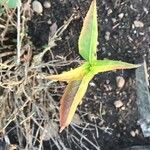
Diervilla lonicera
Northern bush honeysuckle · Bush-honeysuckle
Description
Source: leafsnapDiervilla lonicera, commonly known as bush honeysuckle, is a deciduous shrub native to North America. Typically, it grows to a height of 3 to 5 feet and spreads 3 to 6 feet wide. The plant has an upright growth habit and produces clusters of yellow flowers during the summer, which attract pollinators such as bees and butterflies. The leaves of Diervilla lonicera are oval-shaped with serrated edges and are dark green in color. In the fall, they turn yellow or reddish-purple before dropping off for the winter. This plant adapts well to various soil types but prefers well-drained soils in full sun or partial shade. Once established, it can tolerate drought conditions, though it benefits from regular watering during dry spells. Diervilla lonicera is commonly used in landscaping for its attractive foliage, showy flowers, and its ability to attract pollinators. It also provides food and shelter for wildlife, such as birds that feed on its fruit in the fall. Overall, Diervilla lonicera is an easy-to-grow shrub that adds both beauty and ecological value to any garden or landscape setting.
🌳 Bush honeysuckle is more than an ornamental plant; it can be useful in environmentally friendly landscaping. It is valued for its low maintenance needs and its ability to grow in a variety of soils, including poor ones, making it a strong option for urban greening projects and restoration ecology. Its dense, fibrous root system can help control soil erosion, and it provides habitat for local wildlife, attracting pollinators like butterflies with its trumpet-shaped flowers.
🎭 Benevolence
Care Guide
💧 Water Every 7 days
Bush honeysuckle thrives in moist conditions and needs weekly watering to stay healthy. Being a deciduous shrub, it goes dormant in winter, so less frequent watering is necessary during that season. While it cannot withstand drought, it does not depend heavily on high humidity.
☀️ Light Partial sun
Bush honeysuckle favors locations with moderate sunlight for optimal growth. It can, however, adjust to both strong sun and very shaded conditions without notably affecting its health. Changing light intensity during the plant’s growth stages is not necessary. Excessive light may stress the plant, while too little light can restrict its growth.
What are the sunlight requirements for Bush Honeysuckle?
Bush Honeysuckle requires partial sun, meaning about 3-6 hours of sunlight, or can thrive in full sun which constitutes over 6 hours of sunlight. It's adaptable to various light conditions, able to grow in both intense sunlight and shaded environments without significant impact on its health. Excessive exposure to light may stress the plant, while inadequate light can inhibit its growth. It's important to observe the movement of sunlight through your garden to select spots that offer the ideal balance of light and shade for your plants.
How does artificial lighting benefit Bush Honeysuckle when grown indoors?
When natural sunlight is insufficient, especially during winter or in less sunny spaces, artificial lighting becomes essential for Bush Honeysuckle's growth indoors. Adequate lighting promotes faster, healthier growth. LED lights are recommended for their ability to provide specific wavelengths needed by the plants. Full sun plants need 30-50W/sq ft, partial sun plants require 20-30W/sq ft, and full shade plants need 10-20W/sq ft of artificial light. The light source should be placed 12-36 inches above the plant, and most plants benefit from 8-12 hours of light per day to mimic natural daylight hours.
What are the signs of insufficient or excessive light exposure in Bush Honeysuckle?
Signs of insufficient light include smaller new leaves, leggy or sparse growth, faster leaf drop, slower or no new growth, and lighter-colored new leaves indicating a lack of chlorophyll. Excessive light can cause chlorosis, where leaves lose their green color, sunscald with pale or necrotic areas on plant tissue, leaf curling as a defense against sunlight, wilting due to increased water loss, and leaf scorching with brown dry patches on leaves.
What are some solutions for Bush Honeysuckle experiencing light-related issues?
For indoor plants, gradually increasing sunlight exposure to 3-6 hours daily or using artificial lighting for at least 8 hours a day can optimize growth. Outdoor plants should be moved gradually to sunnier spots to avoid sunburn. Reducing obstructions, like pruning trees to allow more sunlight, and transplanting smaller plants during their dormant period to locations with ample sunlight can also be beneficial. Note that parts of the plant damaged by insufficient sunlight may not recover, but new growth should be healthy with improved light conditions.
🌡️ Temperature 0–32.2°C
In its natural habitat, bush honeysuckle prefers temperatures between 0 and 32 ℃ (32 to 90 ℉). Nevertheless, it can tolerate temperatures as low as -30 ℃ (-22 ℉) during the winter months. In summer, provide partial shade because it prefers cooler temperatures.
What is the ideal temperature range for bush honeysuckle in its native environment?
Bush honeysuckle, also known by its botanical name Diervilla lonicera, thrives in temperatures ranging from 0 to 32°C (32 to 90°F) in its native environment. It is highly adaptable to temperature fluctuations and can endure winter temperatures as low as -30°C (-22°F). During warmer months, to manage its preference for cooler conditions, it is advisable to provide the plant with partial shade.
How should bush honeysuckle be cared for during winter?
To prepare bush honeysuckle for winter, it is recommended to water the plant generously before the first freeze of autumn. This ensures the soil around the plant remains moist and enters into a frozen state. This precaution helps prevent the plant from experiencing drought and water scarcity during the winter and early spring months. Thanks to its high cold tolerance, bush honeysuckle does not require additional frost protection measures.
What should be done if bush honeysuckle experiences temperatures below -35°C?
If the temperature drops below -35°C, bush honeysuckle may not show immediate signs of distress during the winter, but come spring, the branches might become brittle and dry, and fail to produce new shoots. To address this, it is recommended to prune away any dead branches that have not produced new leaves in the spring, promoting the growth of new, healthy shoots.
How does bush honeysuckle react to high temperatures, and what are the solutions?
Bush honeysuckle struggles with high temperatures, especially when the thermometer climbs above 32°C. In such conditions, the plant may lose leaves significantly, and in extreme cases, it could wither and die. To help the plant cope with heat stress, trim away sunburned and dried-up parts of the plant. Relocating the plant to a shaded area or using a shade cloth can also provide necessary protection from the midday and afternoon sun. Additionally, watering the plant in the morning and evening will help keep the soil moist, aiding in the plant's recovery and health.
💨 Humidity
🪴 Soil 5-7
🌱 Fertilizer
To encourage healthy growth, apply fertilizer to your Bush honeysuckle in early spring. Consistent feeding boosts the plant’s overall health, producing vigorous growth, greater tolerance of harsh conditions, and better resistance to diseases and pests. Stick to a regular fertilizing timetable for your Bush honeysuckle to promote vibrant, deeply colored foliage and a lush appearance.
🪴 Pot & Repot 2-3 years
When repotting Bush honeysuckle, select a pot 1–2 inches (2.5–5.1 cm) larger with good drainage. Use a well-draining potting mix. Repot in spring or fall, making sure the root ball sits slightly below the rim of the flower pot. Water thoroughly after repotting and place the pot in a warm spot with indirect sunlight.
✂️ Pruning
Bush honeysuckle is a hardy deciduous shrub known for its vibrant yellow flowers. To maintain its shape and encourage new growth, prune the shrub in late spring after it has finished flowering. Begin by removing any damaged branches and thinning out dense areas to improve air circulation. Rejuvenation pruning, which involves cutting back one-third of the older stems, helps promote the plant’s overall health.
🌿 Propagating
🐛 Diseases & pets
☠️ Toxicity
Characteristics
- Plant Type
- Shrub
- Life Cycle
- Perennial
- Genus
- Diervilla
- Family
- Caprifoliaceae
- Hardiness Zone
- 3-7
- Mature Height
- 0.61 m to 1.22 m
- Mature Spread
- 0.91 m to 1.83 m
- Leaf Color
- Green, Red, Orange
- Leaf Type
- Deciduous
- Flower Color
- Yellow
- Flower Size
- 2.54 cm
- Bloom Time
- Early summer, Mid summer
- Planting Time
- Spring, Autumn
- Harvest Time
- Mid summer