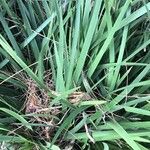
Dietes grandiflora
Wild iris · Fairy iris · Large wild iris · Iris
Description
Source: leafsnapDietes grandiflora, commonly known as the Fairy Iris or Large Wild Iris, is a perennial plant in the Iridaceae family. Native to South Africa, it is widely cultivated as an ornamental plant worldwide. It can grow up to 1.5 meters tall and features long, narrow leaves arranged in a fan-like pattern. The flowers of Dietes grandiflora are large and striking, with white petals adorned with yellow markings at their base. Blooming from spring through summer, these flowers attract bees and other pollinators with their sweet fragrance. Dietes grandiflora thrives in full sun or partial shade and well-drained soil. While it can tolerate drought conditions, it requires regular watering during its growing season for optimal growth. This Fairy Iris is an easy-to-grow plant that requires minimal maintenance once established. It can be propagated through the division of its rhizomes or by sowing seeds. In summary, Dietes grandiflora is a beautiful addition to any garden or landscape. Its attractive foliage and stunning flowers, which bloom throughout the summer months, make it a delightful choice for gardeners seeking a low-maintenance yet visually appealing plant.
🌳 Although not widely known, the fairy iris is important in gardens and natural areas because it attracts a variety of pollinators. Its showy flowers, while not used for notable commercial purposes like producing essential oils or spices, provide an important nectar source for bees, butterflies, and other insects. This not only helps the fairy iris reproduce but also has broader ecological effects: it supports the propagation of these pollinator species, contributing to the biodiversity and health of ecosystems.
🎭 Good luck
Care Guide
💧 Water Every 7 days
Wild iris thrives in subtropical climates with moderate rainfall, as it prefers consistent moisture without becoming waterlogged. To keep the plant well-hydrated, it's essential to water it weekly, especially during the growing season, to aid in flower production. Although primarily an outdoor plant, wild iris also benefits from natural precipitation and dew, which supplement regular irrigation.
What should I do if I give my Wild iris too much or too little water?
Proper watering is crucial for the performance of this beautiful ornamental grass. In the ground, watering issues can be resolved, but in a container, both overwatering and underwatering can quickly kill Wild iris. Insufficient water can cause the grass to stop growing, resulting in drooping leaves, weak seed head production, and browning. On the other hand, overwatering can cause yellow leaves with brown tips. If you suspect improper watering, the first step is to determine whether there is too much or too little water. If there is excessive watering, stop immediately and allow time for heavy soils to dry out. Test the soil for moisture and decide whether more water is needed based on new growth. For Wild iris receiving too little water, simply provide a deep drink and observe if it perks up. It's important to note that a long, deep watering is better than frequent shallow waterings, as it promotes deep root growth, making the grass more resistant to drought and watering-related problems.
How often do I need to water my Wild iris?
The watering needs of Wild iris will vary depending on its location. As a general rule, it should be watered every week. However, in hot climates, watering once or twice a week may be necessary during the summer. In moderate climates, watering once every seven days or more should be enough. It's important to note that grass in containers will typically require more frequent watering than grasses planted in the ground. The location of Wild iris also plays a role in its watering needs. Grasses in shaded areas will require less frequent watering compared to those planted in full sun. It's best to only water Wild iris when the soil is dry. You can check the soil moisture by pressing your finger a couple of inches into the ground. For potted grass, you can also assess the watering needs by weighing the pot or feeling its lightness. Although Wild iris is known for its drought tolerance, regular and deep waterings will help maintain its beautiful color. In its natural habitat, Wild iris grows in open scrubland, which means it is exposed to extreme heat, bright sun, and intermittent rain. Despite its ability to withstand harsh conditions, this grass still requires care and attention, including consistent watering. When first planted, it will need more frequent watering until it establishes deep roots. Potted Wild iris may dry out quickly, especially if exposed to direct sun, so it's important to test the soil every 3 to 4 days and water only when it feels dry. For Wild iris planted in the ground, watering needs will vary depending on the type of soil. Clay soil holds water for longer periods, so it may appear dry at the surface while still retaining moisture beneath. Sandy soil, on the other hand, drains quickly and will require more frequent watering.
What do I need to watch out for when watering my Wild iris in different seasons, climates, or while it's growing?
To determine if you are providing enough water for your grasses, pay attention to their growth rate. Wild iris, for example, typically doubles in size within a year during the hottest months. If the weather is hot but the grass is not growing vigorously, it may be necessary to adjust your watering schedule. In winter, watering once a month could suffice, but it's still important to check the soil for moisture. During the growth cycle, particularly in warmer months, the grass will require more water. However, in winter and cooler months, its water needs will significantly decrease. Remember that with Wild iris, it is crucial to allow the soil to dry out completely before adding water.
☀️ Light Full sun
The fairy iris does best when exposed to abundant daylight for most of the day, though it can also tolerate moderate light conditions. Its native habitat is typically sun-drenched, which supports healthy growth. Too little light can impede its development and flowering, while too much light may lead to dehydration.
What are the sunlight requirements for Wild Iris?
Wild Iris (Dietes grandiflora) requires ample daylight for most of the day, thriving best in conditions where it can receive more than 6 hours of direct sunlight, categorized as 'Full sun'. It can also adapt to moderate light conditions known as 'Partial sun', which involves about 3-6 hours of sunlight. Insufficient light may hinder growth and flowering, while excessive sun exposure could lead to dehydration. It's essential to observe how sunlight moves through your garden to select the best locations that provide a balance of light and shade, ensuring the plants' well-being.
How can artificial lighting be used for Wild Iris indoors?
When natural sunlight is insufficient for Wild Iris, especially during winter or in less sunny spaces, artificial lighting can significantly promote healthier growth. It's advised to select the right type of artificial light, with LED lights being a popular choice due to their efficiency and ability to be customized to the specific wavelengths needed by plants. For full sun plants, 30-50W per square foot of artificial light is recommended; for partial sun plants, 20-30W per square foot; and for full shade plants, 10-20W per square foot. The light source should be placed 12-36 inches above the plant, and for most plant species, mimicking natural daylight hours by providing 8-12 hours of light per day is ideal.
What are the symptoms of inadequate lighting for Wild Iris?
Symptoms of inadequate lighting for Wild Iris include smaller new leaves compared to older ones, leggy or sparse growth, faster leaf drop, delayed or halted growth, and new leaves appearing lighter in color or pale. These signs indicate light deficiency. Additionally, excessive sunlight exposure can lead to chlorosis, where the plant loses its green color and turns yellow, sunscald with damaged leaves or stems, leaf curling as a defense mechanism to reduce water loss, wilting from increased water loss, and leaf scorching characterized by brown, dry edges on leaves.
What solutions are available for improving light conditions for Wild Iris?
To optimize growth, gradually acclimatize Wild Iris to enough sunlight by moving it weekly towards sunnier spots until it receives at least 6 hours of direct sunlight daily. This can be achieved by using south-facing windows or artificial light sources like desk or professional plant grow lights for indoor plants. Outdoor plants should also be gradually relocated to sunnier locations to avoid sunburn. For ground plants, reducing obstructions such as pruning trees or transplanting to sunnier locations with good drainage can improve sunlight exposure. Note that parts of the plant affected by insufficient light may not recover, but new growth will be healthy post-adaptation.
🌡️ Temperature 15–37.8°C
Fairy iris prefers a mild to warm temperature range, ideally 59 to 100 ℉ (15 to 38 ℃). Native to regions with moderate temperatures, this plant can do well in various climates with proper care. During hot summer months it may benefit from partial shade or more frequent watering.
What is the preferred temperature range for Wild Iris?
Wild Iris (Dietes grandiflora) thrives in a mild to warm temperature range, preferring temperatures between 59 to 100°F (15 to 38°C). Native to regions with moderate climates, it can adapt to various weather conditions with adequate care. During hot summer months, the plant may benefit from partial shading or additional watering. It possesses some degree of cold tolerance, usually not requiring special care for temperatures above -5°C. However, for temperatures expected to drop below -5°C, temporary protective measures such as wrapping the plant in plastic film or fabric are recommended, which should be removed once temperatures rise.
How does low temperature affect Wild Iris and what are the solutions?
Wild Iris shows a moderate tolerance to low temperatures, performing best when it's above 15°C and preferably kept above -5°C during winter. If temperatures plummet below -10°C, the leaves might start drooping; they can recover in mild conditions but severe cold may cause wilting and leaf loss. To protect the plant from frost damage, trim off the frost-damaged parts. Before facing low temperatures again, wrap the plant in non-woven fabric or cloth and create a wind barrier to shield it from cold winds.
What impact does high temperature have on Wild Iris, and how can it be mitigated?
In summer, it’s recommended to keep Wild Iris below 38°C to prevent stress from high temperatures. Temperatures above 43°C may lead to a lighter leaf color, dry and withered leaf tips, curling leaves, and increased susceptibility to sunburn. Mitigation strategies include trimming away the sunburned and dried parts of the plant, relocating it to a shaded area or using a shade cloth to avoid direct midday and afternoon sun, and watering the plant in the morning and evening to maintain soil moisture.
💨 Humidity
🪴 Soil 6-7
🌱 Fertilizer
Fairy iris needs extra nutrients to encourage healthy new growth. In spring, adding compost around the base of the plant will effectively supply the nourishment it requires. Fertilizing supports vigorous growth and helps the plant fend off diseases and pests.
Why do I have to put fertilizer on my Wild iris plants?
Fertilizing Wild iris is important because it provides essential nutrients for healthy new growth. Additionally, the extra nutrients aid in maintaining the health of the existing growth, while also helping the plant combat diseases and pests.
When should I fertilize my Wild iris?
To ensure the survival of Wild iris in your garden, it's important to know when to fertilize. Wild iris is not a heavy feeder and does not need extra nutrients when it is dying back. While you can use diluted fertilizer at the beginning of the growing season, it is not recommended. Instead, it's better to apply mulch or compost around the base of the plant.
When is it a bad idea to add fertilizer to my Wild iris?
You don't have to worry about when to stop feeding Wild iris if you're not using packaged fertilizers. Simply adding a layer of compost or mulch in the spring will keep Wild iris happy for the whole year. No need to fret about mulching or composting during the dormant winter period.
What kind of fertilizer should I use for my Wild iris?
You don't have to hurry to the garden center for fertilizer because wild iris doesn't require extra nutrients. Instead, in spring, you can add a layer of compost which will provide the necessary nutrients for the plant. If you mulch your garden annually, the bark will also help keep your plant well-nourished and content.
How do I help my wild iris grow healthy and strong with plant food?
When it comes to Wild iris, the steps for using either mulch or compost are the same. First, lay down a layer of the material, making sure it covers the base of the plant. If you choose to use both mulch and compost, reduce the amount of compost you use. Using mulch has dual benefits: it helps the soil retain moisture and also serves as a source of nutrients for your plant.
🪴 Pot & Repot 2-3 years
When repotting Fairy iris, select a pot 1-2 inches (2.5–5.1 cm) larger that has good drainage. Use a well-draining potting mix. Repot in spring or fall, making sure the root ball sits just below the rim of the flower pot. Water thoroughly after repotting and place it in a warm spot with indirect sunlight.
✂️ Pruning
The wild iris showcases fan-shaped leaves and beautiful white flowers. Pruning in early spring, which involves removing dead leaves and old flower stalks, encourages new growth and improves the plant's appearance. This practice enhances air circulation, reduces the risk of disease, and contributes to the plant's overall vibrancy and longevity.
🌿 Propagating
🐛 Diseases & pets
☠️ Toxicity
Characteristics
- Plant Type
- Grass
- Life Cycle
- Perennial
- Genus
- Dietes
- Family
- Iridaceae
- Hardiness Zone
- 8-11
- Mature Height
- 0.91 m to 1.22 m
- Mature Spread
- 61 cm to 91 cm
- Leaf Color
- Green
- Leaf Type
- Evergreen
- Flower Color
- White, Lavender
- Flower Size
- 10.16 cm
- Bloom Time
- All year round
- Planting Time
- Spring, Summer
- Harvest Time
- All year round
- Native Area
- South Africa