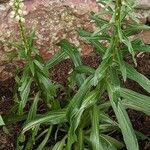
Digitalis ferruginea
Rusty foxglove
Description
Source: leafsnapDigitalis ferruginea, commonly known as rusty foxglove, is a perennial herbaceous plant belonging to the Plantaginaceae family. Native to the Mediterranean region, it thrives in rocky areas, meadows, and forests. The plant can reach a height of up to 1.5 meters and features lance-shaped leaves that are hairy on both sides. The flowers of Digitalis ferruginea are bell-shaped with a rusty orange exterior and a yellowish-white interior. They bloom in late spring or early summer, attracting bees, butterflies, and hummingbirds. Historically, the plant has been used for medicinal purposes due to its cardiac glycosides content, making it useful in treating heart conditions such as congestive heart failure and irregular heartbeat. Digitalis ferruginea requires well-drained soil and thrives in full sun or partial shade. While it is drought-tolerant, regular watering during dry periods is essential for optimal growth. Overall, Digitalis ferruginea is an attractive ornamental plant that adds color to any garden while also offering medicinal benefits, making it a valuable addition both aesthetically and functionally.
Care Guide
💧 Water Every 7 days
The rusty foxglove requires moderate watering each week to maintain consistent moisture levels. It thrives in well-drained soil, which helps prevent waterlogging. This plant is typically found in regions with balanced humidity, as it has limited drought tolerance. It is commonly grown outdoors as a herbaceous perennial.
How should I water my Rusty foxglove plant?
To ensure the wellbeing of the Rusty foxglove plant, it is important to follow these watering guidelines. Firstly, it is recommended to use filtered water that is at room temperature. This is because tap water may contain harmful particles that can affect the plant's health. Additionally, the water should be at room temperature or slightly warmer, as the Rusty foxglove is native to warm environments and cold water can be too much of a shock for it. Also, it is advised to refrain from overhead watering as it can cause issues with the foliage. Instead, it is preferable to apply the filtered room temperature water directly to the soil until it is thoroughly soaked. This method helps to moisten the plant's roots and promotes their spreading and nutrient absorption in the soil.
What should I do if I give my Rusty foxglove plant too much or too little water?
Overwatering and underwatering can both harm your Rusty foxglove, but overwatering is more common. Excess water can cause wilting, yellowing leaves, and even diseases like root rot, mold, and mildew that can be fatal to the plant. Underwatering is less likely, as Rusty foxgloves can tolerate drought quite well, but it can still happen. In this case, the leaves may become dry and brown. It is crucial to recognize the signs of overwatering early on. Some diseases caused by overwatering, like root rot, may be irreversible if left unattended. Reduce your watering schedule immediately if you notice any early signs. Also, check the soil's quality. If it drains poorly, replace it with a loose, well-draining potting mix. Conversely, if your Rusty foxglove shows signs of not getting enough water, simply water it more regularly until the signs disappear.
How frequently should I water my Rusty foxglove?
To determine if your Rusty foxglove plant needs water, follow these steps based on whether it is in a pot or grown outdoors in the ground. For potted plants, check the soil moisture by inserting your finger into the soil. If the top two to three inches are dry, it's time to water. The same method applies for outdoor plants, with the first few inches of soil needing to dry out before watering. Typically, this plant should be watered once a week during spring and early fall. In very hot weather, watering may need to be increased to twice a week. However, mature, well-established Rusty foxglove plants have a remarkable ability to tolerate drought.
How much water does my Rusty foxglove plant need?
To properly water your Rusty foxglove, make sure the first two to three inches of soil are dry. Give the plant a good, deep watering so the soil becomes thoroughly soaked. You'll know you've watered enough when excess water flows out of the drainage holes at the bottom of the pot. If you don't see any excess water, you may have not given enough water. However, be careful not to let water accumulate in the soil as this can harm the plant. On the other hand, if water isn't draining through the pot, it could mean the soil doesn't drain well, which isn't good for the plant's health. If the plant is outdoors, receiving around 1 inch of rain per week should be sufficient.
How do I water my Rusty foxglove as it grows?
The water needs of the Rusty foxglove can vary depending on its growth stages. In the early years and after transplanting, it will require more water since it is investing energy into growing new roots. During this time, providing slightly more moisture is important for optimal root performance. As the plant matures, it will need less water. Another stage that may require increased watering is during the bloom period, as flower development benefits from additional moisture.
☀️ Light Partial sun
Rusty foxglove does best in places with limited sunlight but can adjust to areas that are either very sunny or very shady. Coming from habitats with a blend of sun and shade, rusty foxglove grows most successfully in those conditions. Too much sun or too little light can harm its development, resulting in stunted growth or leaf burn.
What are the sunlight requirements for Rusty foxglove?
Rusty foxglove thrives in environments that receive a range of sunlight, from areas with sparse sunlight to those where sunlight is more predominant. Ideally, this plant does well in conditions that mimic its native habitat—areas with a mix of sun and shade. While it can adapt to different amounts of light, both insufficient light and excessive sunlight can negatively affect its growth. The plant needs about 3-6 hours of sunlight for partial sun conditions and more than 6 hours for full sun or full shade conditions. It's crucial to observe the movement of sunlight through your garden to select the best spots that provide the right balance of light and shade.
How should indoor Rusty foxglove plants be lit when natural light is insufficient?
When natural sunlight is insufficient, especially during winter or in less sunny spaces, artificial lighting becomes essential for Rusty foxglove's growth indoors. LED lights are recommended because they can be tailored to provide specific wavelengths needed by plants. The amount of artificial light needed varies based on the type of plant: 30-50W/sq ft for full sun plants, 20-30W/sq ft for partial sun, and 10-20W/sq ft for full shade plants. The ideal placement of the light source is 12-36 inches above the plant, and it should be turned on for 8-12 hours a day to mimic natural daylight hours.
What are the signs of light deficiency in Rusty foxglove?
Signs of light deficiency in Rusty foxglove include smaller than usual new leaves, leggy or sparse growth, faster leaf drop, slower or no new growth, and lighter-colored or pale new leaves. Additionally, symptoms like chlorosis, which is the yellowing of leaves due to chlorophyll breakdown, sunscald marked by pale or necrotic spots, leaf curling as a defense against excessive sunlight, wilting from rapid water loss, and leaf scorching indicated by brown, dry patches on leaves, can all suggest the plant is not receiving the appropriate amount of light.
What are the solutions for Rusty foxglove struggling with inadequate sunlight?
To address insufficient sunlight for Rusty foxglove, gradually acclimate your plant to more sunlight by moving it to sunnier spots each week until it achieves 3-6 hours of direct sunlight daily. If the plant is large or not easily movable, supplement natural light with artificial light sources, such as desk or ceiling lamps or professional grow lights, for at least 8 hours daily. For outdoor plants, avoid abrupt changes in light exposure to prevent sunburn, and for plants rooted in the ground, reduce shade by pruning any overhead trees and consider transplantation to sunnier locations with good drainage during the plant's dormant period.
🌡️ Temperature 5–35°C
Rusty foxglove is native to temperate regions and prefers climates with temperatures between 68 and 95 °F (20 to 35 ℃). During colder seasons, adjust the temperature to more closely mimic its natural habitat and promote growth.
What temperature is best for Rusty foxglove?
The ideal temperature for Rusty foxglove depends on the time of year. There are two main seasons to consider: the growing season and the dormancy season. During the growing season, which is when the plant starts to sprout, the best temperature range is between 65 to 80℉ (18 to 27℃). If the temperature drops below 15℉ (-10℃), the plant may suffer, with its leaves browning and wilting. However, if it's only a short cold snap, with some assistance, Rusty foxglove might survive. On the warmer days of the year, it's also important to protect Rusty foxglove from excessively high temperatures. Any temperature above 95-105℉ (35-40℃) can harm the foliage and blooms of the plant. This can result in wilting, drooping, and even sunburn on the leaves, which can be challenging for Rusty foxglove to recover from. Luckily, there are simple and quick ways to deal with this issue.
What temperature does Rusty foxglove need in its first year or as a seedling?
If you have a Rusty foxglove plant outside for the first time, it may need some extra care during the coldest months. Frost can be very damaging to a first-year Rusty foxglove and may prevent it from growing back healthy in the spring. To protect the plant, you can keep it at a temperature of 40℉(5℃) or above by either bringing it inside for a month or two or using mulch or fabric barriers to keep it safe from frost. During the first year or two, it's a good idea to plant the Rusty foxglove in a shadier spot. Smaller and weaker plants struggle more to regulate their temperatures in the heat, so they need less direct sunlight. Five hours of direct sunlight per day is sufficient, especially if the temperature goes above 80℉(27℃). To control the summer heat, you can use shadecloth and water or mist the plant frequently.
How can I keep Rusty foxglove safe from really hot or really cold weather?
If you experience cold temperatures below 15℉(-10℃) while growing Rusty foxglove, there are a few steps you can take to protect it from frost damage. If you have the plant in a container, simply bring it indoors to a location with bright, indirect light until temperatures rise above the lower threshold. For ground-planted Rusty foxglove, you can use mulch or horticultural fabric to create a protective barrier around the plant, shielding it from frost and cold winds. In hot temperatures exceeding 80℉(27℃) in the shade, it's important to limit the amount of direct sunlight the Rusty foxglove receives, especially during the hottest parts of the day. To achieve this, you can put up shade cloth or use a fine plastic mesh to reduce direct sunlight. Additionally, installing a misting system that releases a slow stream of cooling mist around the plant's base during the day can help lower ground temperatures.
Temperature suggestions for when Rusty foxglove is not actively growing.
Rusty foxglove needs cold weather during winter to stay dormant until it's time to sprout. Sprouting too early, before the last frost, can be fatal. Ideally, winter temperatures should stay below 32℉(0℃), but up to 40℉(5℃) is okay. In temperate climates, like woodland rainforests, unexpected warm spells can cause premature sprouting. If frost is still a threat, covering the sprout with clear plastic can protect it. This cover can be removed once the danger of frost has passed. Sometimes, Rusty foxglove can naturally sprout at the right time, but the cover method increases the chances of successful sprouting.
💨 Humidity
🪴 Soil 5-7
🌱 Fertilizer
The best time to fertilize a Rusty foxglove is in early spring, as it comes out of dormancy and begins active growth. Fertilizing supplies the essential nutrients needed for healthy growth. Although Rusty foxglove requires relatively little fertilizer, feeding it once a year can improve its survival and encourage better, longer-lasting blooms.
Why should I put fertilizer on my Rusty foxglove?
The Rusty foxglove relies heavily on its leaves for structure. Fertilization plays a crucial role in maintaining the appearance and function of these leaves. By fertilizing properly, you can ensure that the leaves of your Rusty foxglove have consistent color and a healthy texture. Fertilization also has benefits beneath the soil's surface. It encourages the development of new roots and helps maintain existing ones, making your plant better equipped to absorb soil nutrients in the long term. In short, proper fertilization not only keeps your plant healthy now but also enhances its ability to thrive in the future.
When should I fertilize my Rusty foxglove plant?
If you grow your Rusty foxglove outdoors, it will start growing new leaves in early spring, indicating that it's time to fertilize. Usually, one application of fertilizer in spring is enough for the plant to thrive. However, if you want to maximize growth, you can fertilize multiple times in spring and early summer. In this case, you can feed the plant once every month to a month and a half.
When is the best time to not add fertilizer to my Rusty foxglove plant?
During late fall and winter, your Rusty foxglove will be dormant and will not grow. So, avoid fertilizing it during this time. In spring and summer, you can fertilize it multiple times, but as summer approaches, reduce the amount of fertilizer because the growth rate of the Rusty foxglove will slow down. It's not a good idea to fertilize the Rusty foxglove during extremely hot weather or when the soil is very dry. Fertilizing in these conditions can stress the plant and cause it to die earlier.
What kind of fertilizer should I use for my Rusty foxglove?
Choosing the best fertilizer for a Rusty foxglove is fortunately a straightforward task. These plants thrive on a general-purpose garden fertilizer with equal amounts of nitrogen, phosphorus, and potassium (ratio of 10-10-10 or similar). Avoid fertilizers with high nitrogen content when uncertain. Granular fertilizers are mostly recommended for Rusty foxgloves as they should be slow-release and easy to apply. Additionally, feeding the plant with organic soil amendments like compost can also be beneficial.
How can I make my Rusty foxglove grow better?
To ensure the best growth for your Rusty foxglove, wait until its first leaves start emerging in the spring. Then, apply a balanced slow-release fertilizer to the soil around the base of the plant. If you desire, you can repeat this process later in the season. Remember to apply the fertilizer to the soil, not directly to the plant. You may need to move some leaves to access the soil around the roots. It's also a good idea to water the Rusty foxglove before and after feeding it.
🪴 Pot & Repot
✂️ Pruning
Rusty foxglove has tall spires adorned with rust-colored flowers. To promote new growth and a bushier appearance, prune them from early to late spring by removing spent flower stalks and cutting back the foliage after flowering. Proper pruning enhances the plant's overall vigor, ensuring a vibrant display in future seasons.
🌿 Propagating
🐛 Diseases & pets
☠️ Toxicity
As with many poisonous plants, foxglove is poisonous to both people and pets. The plant contains cardiac glycosides such as digitoxin, digoxin, and digitalin. The foxglove plant is actually the source of the heart medication known as digitalis. The therapeutic dose is dangerously close to the lethal dose, so administering the medication requires careful monitoring by a doctor.
Characteristics
- Plant Type
- Herb
- Life Cycle
- Perennial, Biennial
- Genus
- Digitalis
- Family
- Plantaginaceae
- Hardiness Zone
- 4-9
- Mature Height
- 0.91 m to 1.52 m
- Mature Spread
- 40 cm
- Leaf Color
- Green
- Leaf Type
- Evergreen
- Flower Color
- Tan
- Flower Size
- 5.08 cm to 7.62 cm
- Bloom Time
- Early summer, Mid summer
- Planting Time
- Spring, Summer, Autumn
- Harvest Time
- Late summer, Early fall
- Native Area
- Hungary, Romania, Turkey and the Caucasus